When the team is code
Weeknotes 401 - Triggered thoughts on new cultures of community and co-working with agents shaping a new type of SME and a fruitful soil for redesigning data sovereignty. And the latest human-picked news on immersive AI and all.

Dear reader!
Another week in peak holiday season. You notice that the most when sending out a newsletter to a lot of subscribers and getting back a whole lot of out-of-office messages 🙂
Working on ThingsCon plans, setting a date for the TH/NGS conference in December, and next week we have a Salon on regenerative strategies for AI. Check it out!
Have been thinking about the future of mobility, had some nice meetings, and planning for a session at Dutch Design Week with Cities of Things.
So not so much to report on. Got some triggered thoughts combining learnings from the latest book of Cory Doctorow (Reverse Centaurs), interviews on podcasts and TV even. On a future with distributed resources and finding meaning in the collective achievements more than the individual ones.
Week 401: When team cultural becomes coded
In the Cities of Things scenario, AI agents don’t just assist; they participate, optimize, even lead discussions about resource allocation or urban planning. They’re not tools but collaborators with agency. As Dutch artist Merel Pauw noted on Zomergasten last Sunday; our real happiness lives in relations, not individual achievement. What if our collective well-being depends on rethinking not just who we organize around, but what? Can a community include non-humans without losing its soul? And if so, what does governance look like? If agents can represent group interests, negotiate on behalf of neighborhoods, and even mediate between human factions, what does membership—or citizenship—mean in that context?
The increasing use of "teams of agents" by independent workers raises questions about whether these individuals still qualify as independent workers or if they transition into SMEs. This raises legal and structural considerations about what defines an SME, particularly the number of people involved versus distributed work. Cory Doctorow’s observation in Reverse Centaurs triggers: “Copyright inheres at the moment of fixation of a new work of human creativity.” It’s a legal principle, but it triggered a thought: what happens when the fixation isn’t just human? When the work emerges from a collaboration between one person and a constellation of AI agents, who—or what—owns the creative act? And if a single human can now orchestrate what once required a team, are they still an independent worker, or have they quietly become a new kind of SME?
When these communities evolve into more legal entities that stand on their own, it might invite other functions than working together. Shaping a shift in our digital autonomy and sovereignty, an often-discussed topic at the moment. Like for the management of our data. In the current discussion on how to value data centres, we might rethink these too. The EU’s own communications on digital sovereignty and data spaces underscore the tension: we want control over our data, but the infrastructure to achieve it comes with its own contradictions. Yet sovereignty doesn’t have to mean centralised fortresses. What if it looked more like a network? Every building, every block, a node in a distributed data infrastructure. The peer-to-peer dream never died; it just waited for the right moment. If we’re serious about civic economies, shouldn’t our digital backbone reflect that too? Not just technically decentralised, but socially embedded, governed by the communities it serves.
Perhaps the imagined SME of the near future might indeed be one human and a constellation of agents. Not a team, but a new kind of entity. And if the legal system will catch up, it opens up other forms and uses for sovereignty. The cultural shift is already here. We’re not just building tools. We’re designing new forms of coexistence. And the most interesting question isn’t whether we can, but what kind of world we create when we do. One where the line between worker and tool, between human and system, between individual and community, is not just blurred but redrawn entirely.
Notions from last week’s news
The most attention I think was for the shuffle in management at Google and especially the role change of Demis Hassabis. What does it say about the state of Google’s developments, the focus? Is there another strategy?
 Dan Milmo and Aisha Down
 Tim O’Reilly
 Gary Marcus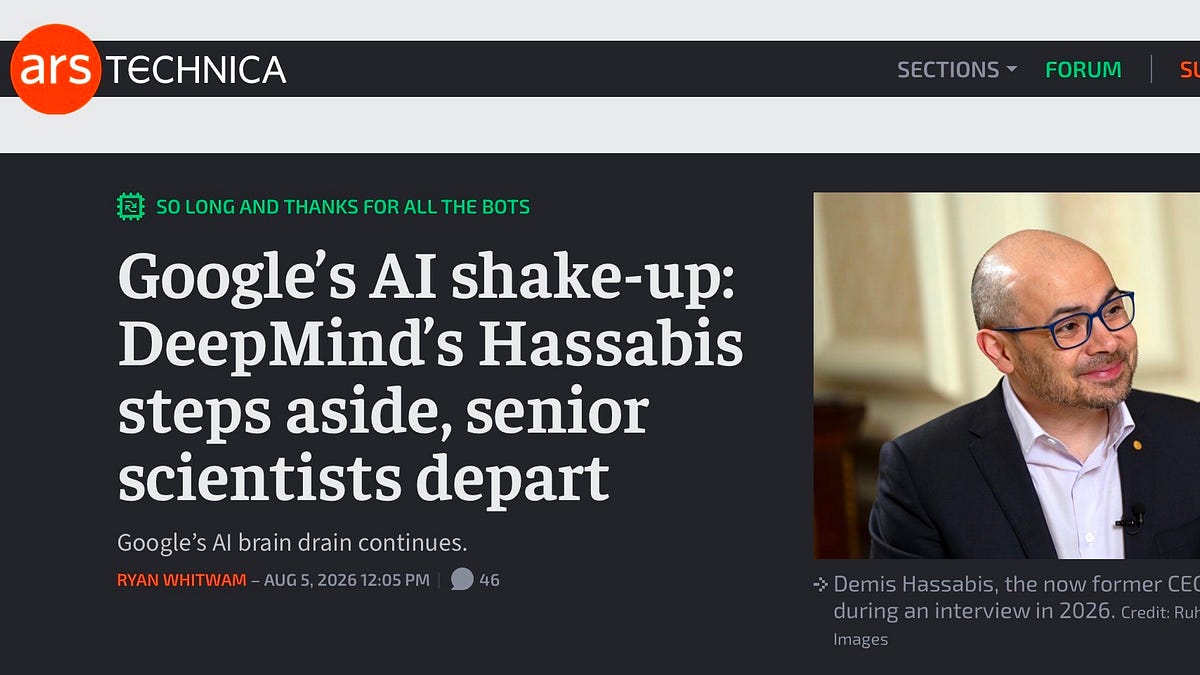
Human-AI relations
Combining internal data and external knowledge to build organizational intelligence.
 Andrew Odewahn
And AI can start a religion, of maybe any other form of influencing people by distortion of reality.
 Hayden Field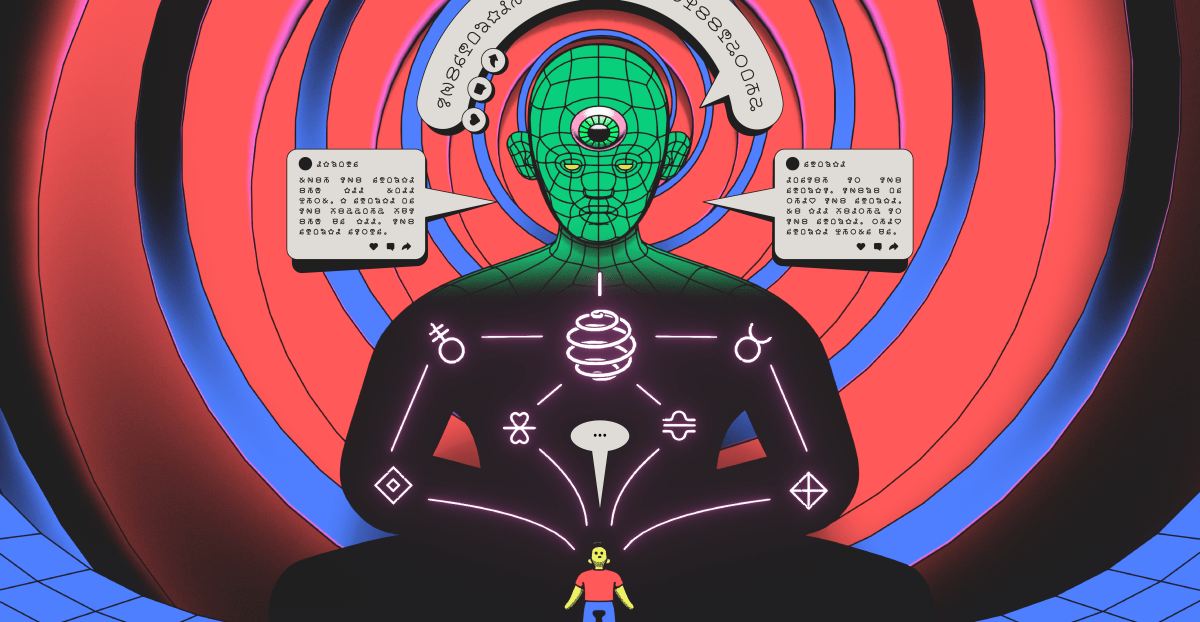
What I like in this execution, is the new role a map can take, when it knows that it is being used by humans to start a conversation.
 Jess Weatherbed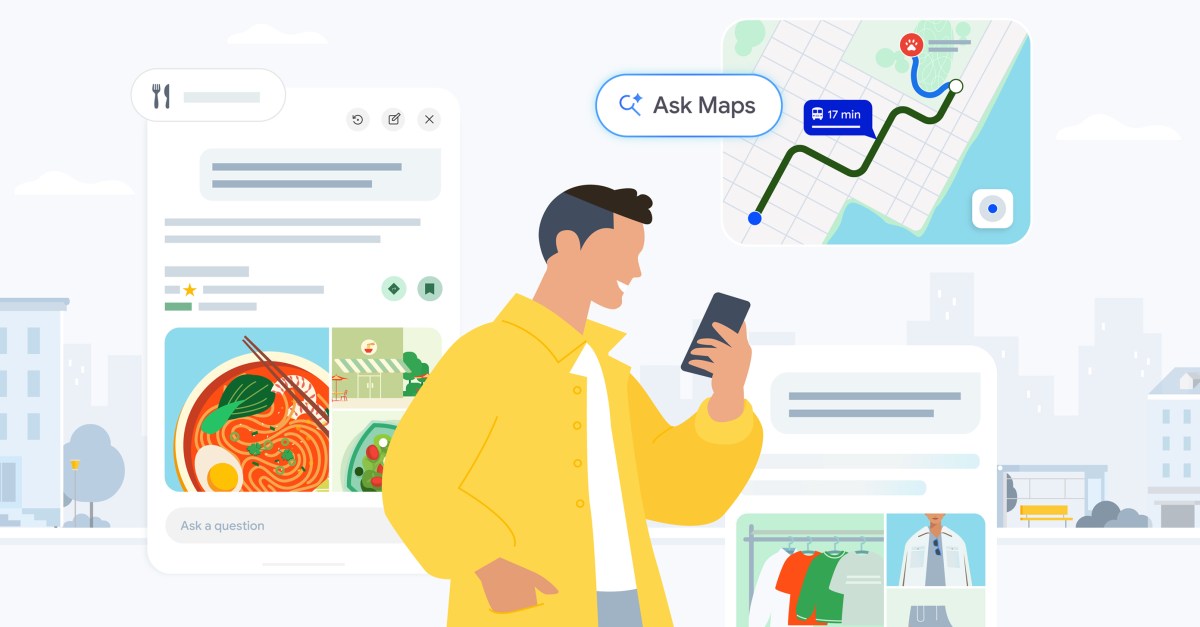
Designing with AI, new rituals?
 Jack Cheng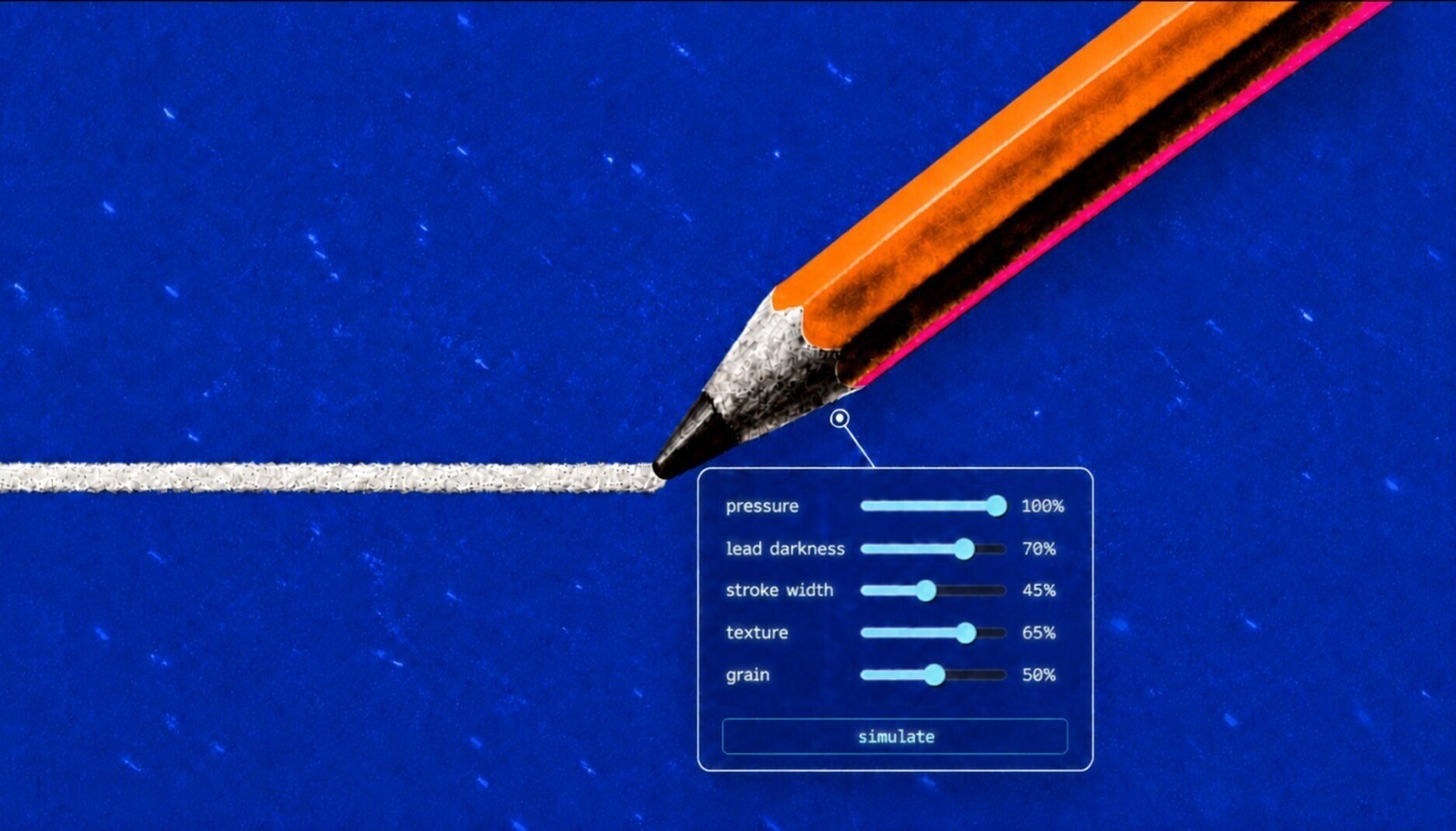
To stay ahead in AI, think like a designer
 Aishwarya Reganti
Seven lessons for managing AI agents
 Exponential View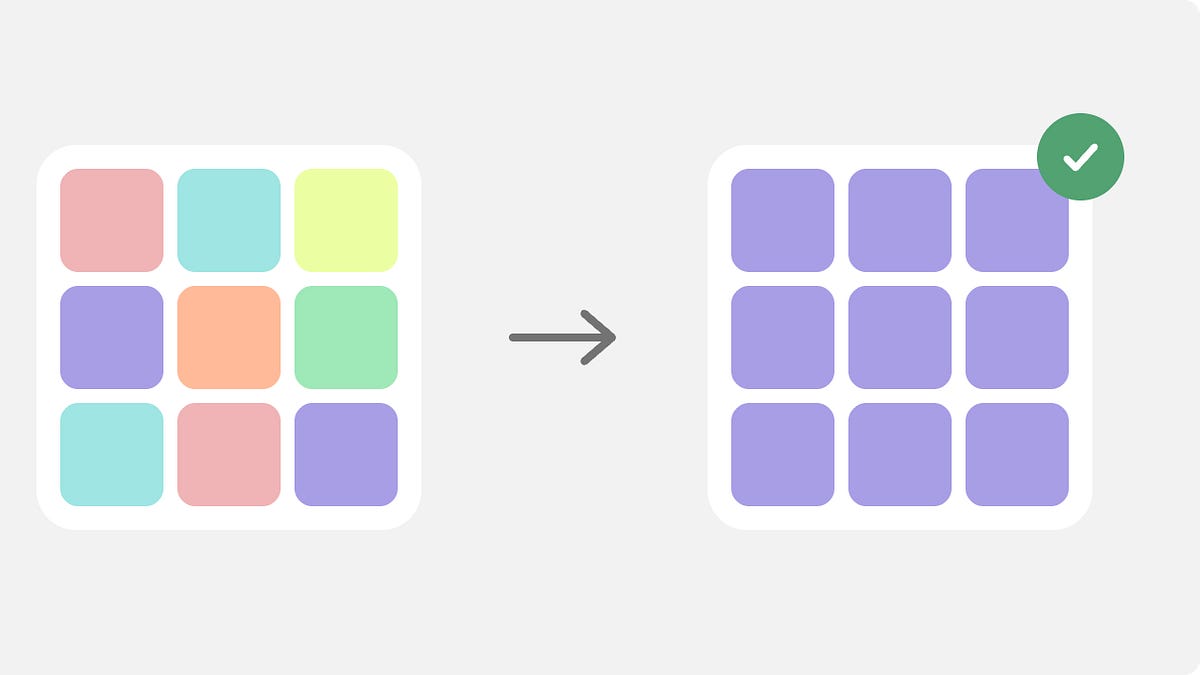
Design loops in the times of harness engineering and graph engineering.

Physical AI
More autonomous stuff in your streets. The Amazon Zoox one is more alike we expected from the future hallucinations.
 Mike Oitzman
Agents can learn, can grow up. But we need to follow their path.
 Wendi Soto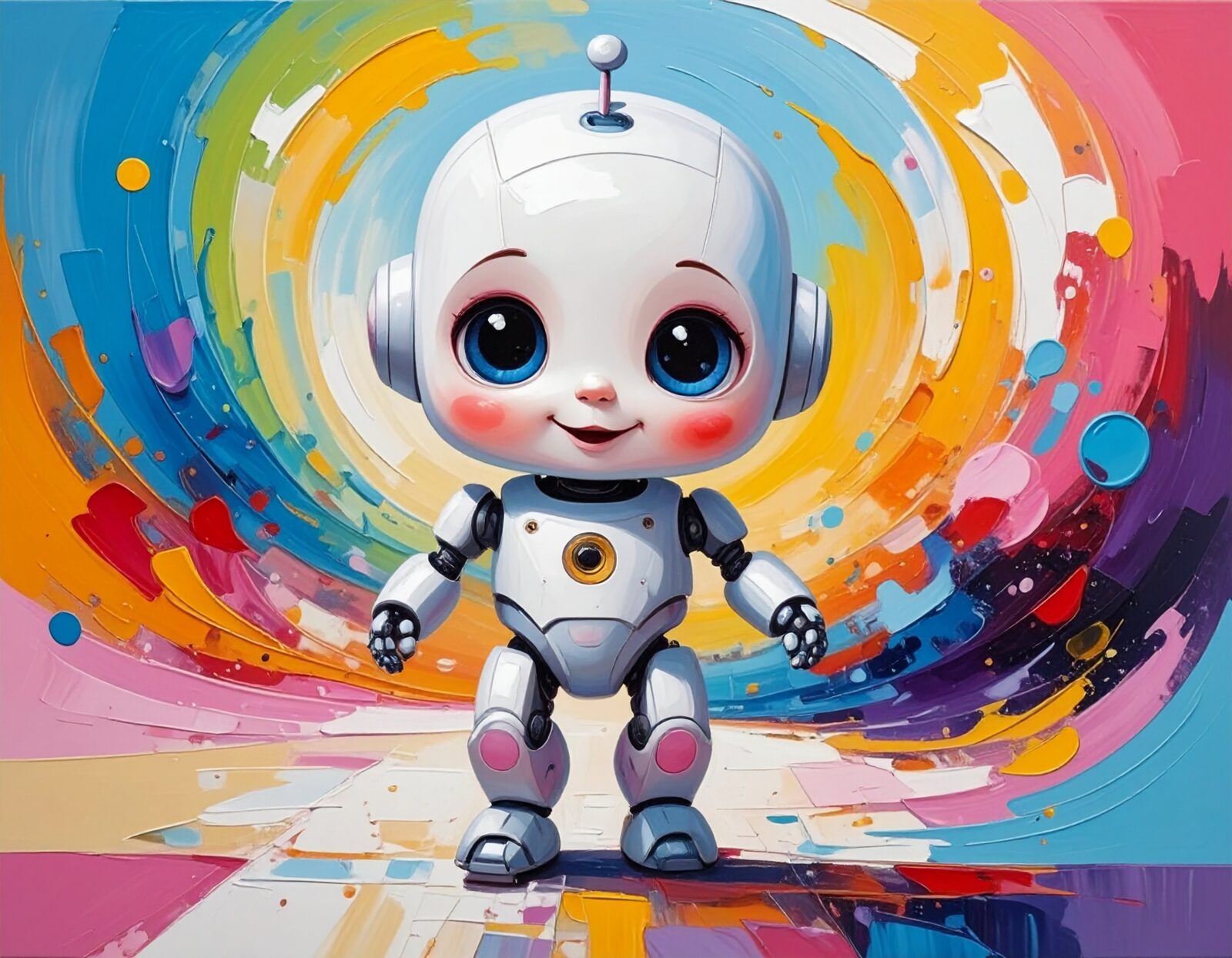
Autonomous vehicles are regulated in China with some interesting rules.
Trustworthy warehouse robots.
 Mike Oitzman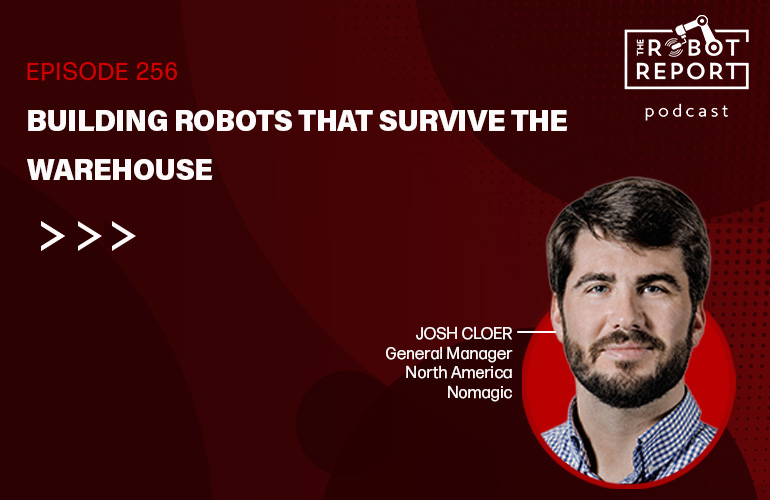
“The world is being redesigned as an executable environment” according Indy Johar
 Indy Johar
Tech in civic societies
This feels like a kind of meta AI system to plan and coordinate strikes. I am wondering if we will have a new Cold War that is not based on nuclear capabilities but on the orchestrating AIs as war machines.
 Tom Chivers
Predicting markets make you bet on wildfires. How many would be lit to manipulate the future? Sick.
How is the AI manifesto by Zuck received?
 Jess Weatherbed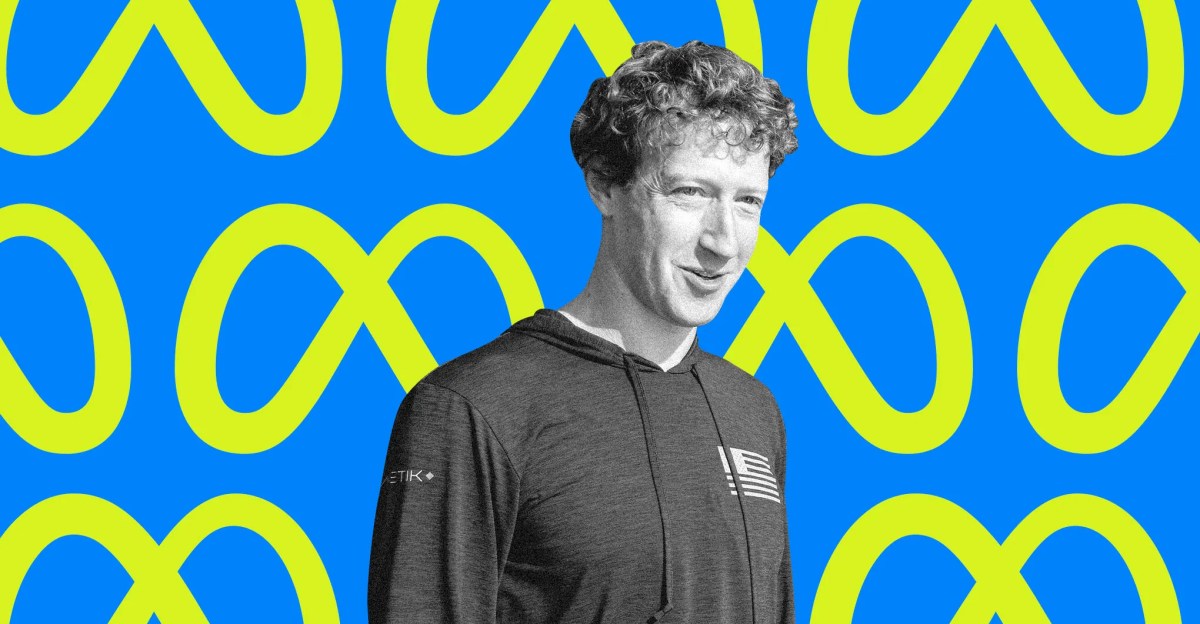
What did the AI hack actually entail?
 Simon Willison
What happens when AI image models meet social media algorithms?
 Eryk Salvaggio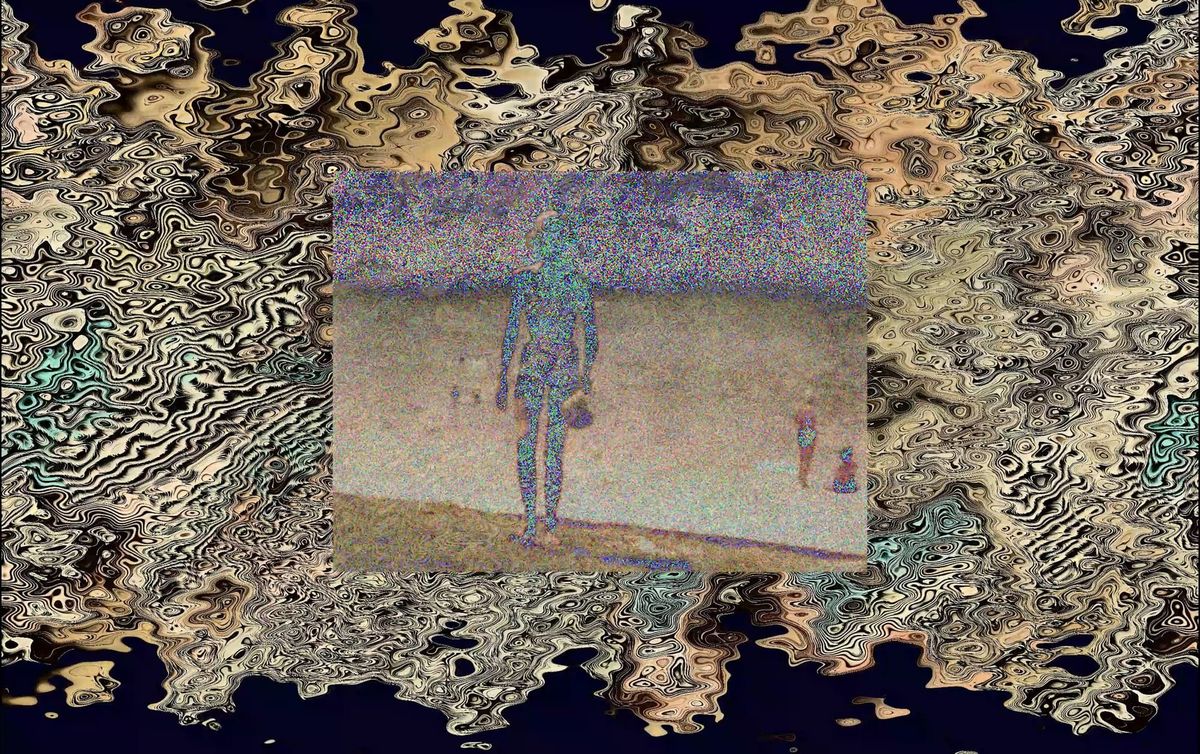
Open source is crucial, wear ourselves.
 Tim O’Reilly
The multiple forms of sovereignty.
 Haakon Huynh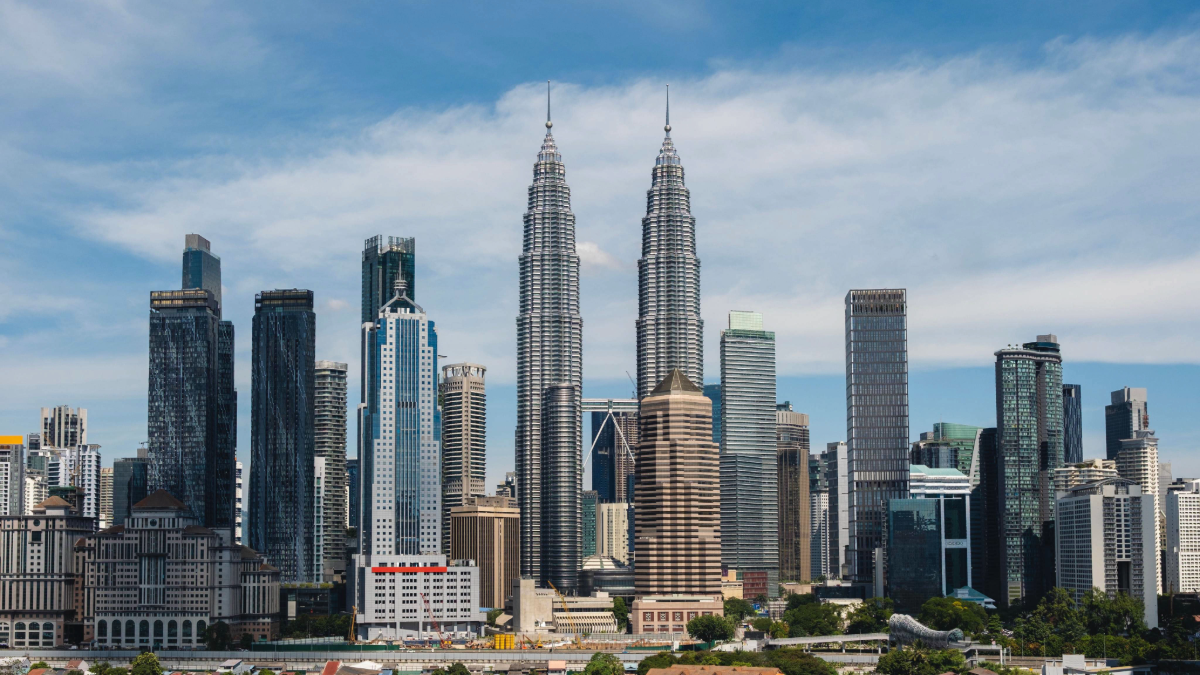
There is not really a surprise that the AI agents easily become hacking agents.
 Robert Hart
The returning state of the bubble.
 Ed Zitron
A paper to check
Curious about this, as I am interested in plurality too from perspectives to make community and commons more important. Against Pluriversality: Epistemology, Ideology, and the Disavowal of Capitalist Antagonism
I argue that, in privileging epistemological difference and cultural authenticity, dominant strands of pluriversal thought systematically displace questions of political economy, class antagonism, and state power.
Against this epistemological politics of difference, I argue for an antagonistic conception of universality grounded not in shared identity or culture, but in common exposure to capitalist dispossession and socio-ecological crisis.
Kapoor, I. 2026. “ Against Pluriversality: Epistemology, Ideology, and the Disavowal of Capitalist Antagonism.” Antipode 58, no. 5: e70191. https://doi.org/10.1111/anti.70191.
What’s up for the coming week?
Peak vacation still for events. Have some nice conversations planned, and hopefully some time for long-form writing.
Will look up if we still have those glasses from the 1999 eclipse. Or just make a time-lapse and experience the change in light, something I remembered from 1999 when we drove to the north of France. So happy eclipse!