The eerie familiarity of tangible AI
Weeknotes 402 - The eerie familiarity of tangible AI Lingering about the concept or eerie and the uncanny valley between tool and companion. The current state of living with AI… With human-picked news on human-AI relations and tech impact on civic life in times of physical AI.

Dear reader!
It might be very well you just returned from a vacation, in that case, welcome back. The new season is slowly starting. Events will start happening again. Like the ThingsCon Salon this Friday in Rotterdam.
Last week was another week of making plans and proposals, and continuing the creative exploration into smart mobility. You can say that we moved from a focus on deconstruction of mobility into service layers (aka mobility of a service) in the last decade, towards a blurring of physical and digital parts, with a view on infrastructure that enables and enhance the behavior and capabilities of the numerous actors. It makes the domain just as always a poster child for the impact of digitalisation and immersive intelligence.
With that there is a new operating space that can feel eerie, a word that pops up to describe a certain kind of behavior of the agentic systems. I found a nice frame in the latest book of Cory Doctorow, that I finished last week. It triggered some thoughts…
Week 402 - triggered thought: The eerie familiarity of tangible AI
I have been lingering on the word eerie. Mark Fisher described it as something being present where nothing should be, or something absent where something should be. (As mentioned in the Reverse Centaurs book). It is a useful lens for this current AI moment. Not because AI is necessarily frightening, but because it increasingly occupies a strangely familiar place.
An AI uses our formulations, mirrors our phrasing, recalls our preferences, answers in a recognisably human rhythm. It addresses you directly, and there's a sense of understanding, of realness. But behind it, no one is home. No shared situation, body, history, or stake in the conversation. Presence without presence, the eerie in its purest form.
It deepens when you remember that AI is trained on us. It inherits not just our knowledge but our social patterns, our biases, our toxic habits, our collective quirks. And in a culture increasingly oriented toward instant, individualised gratification, AI doesn't just reflect us. It reframes what we expect from connection, from thought, from each other. It becomes a warped mirror that also amplifies our displacement from collective experience.
Cory Doctorow's idea of the reverse centaur keeps returning here: not a human steering a machine, but a person adapting themselves to the machine's logic. Offloading thinking, memory, even social cues, because it's convenient. In an agentic future, the question may not be whether an AI can act for us, but how quietly we start acting for it: structuring our lives, requests and choices to fit its assumptions. The cost is a slow erosion of the capacities that make us distinctly human. Context awareness, social intuition, even the friction of consciousness itself.
This becomes more tangible as AI moves into devices. A small pod for catching thoughts, a ring, a companion in glasses or earbuds. These promise something a phone cannot. But what exactly is their role? An extension of our own intentions, helping us retain and reflect on a thought? Or a conversational surface for a company with its own incentives: engagement, purchases, persuasion? The design challenge here isn't technical; it's relational: these systems need to feel like extensions of you, not conversations with an entity that might have its own motives, or its owner's.
The same question sits inside the idea of AI as ghostwriter; an inverted ghostwriter, taking fragments or premises and spinning them into a story, even a personalised world to explore. Intoxicating, and genuinely interesting as an affordance. But stories shape how we see the world. At which point does a helpful simulation start to replace the more difficult reality it was meant to illuminate? What dark patterns might emerge, even unintentionally, when a machine starts telling us our own stories back — and how do we notice the patterns designed into it?
The current backlash against AI "slop" might be read as a clumsy but understandable response to exactly this. It isn't only about bad images or generic text, and not only about quality. It's about trust, about orientation: to know what was made, by whom, with what intent, what's grounded and what's simulated. Watermarks alone won't solve that, but clearer signals of provenance may become part of keeping our bearings in a mixed reality.
Nate Jones' plea for responsible agent ownership adds an important inversion. If we delegate action to agents, the question isn't only what an agent is allowed to do. It's what its owner remains responsible for noticing, prompting and preventing. It shifts the question from the machine's behaviour to our own agency; the prompt becomes the new frontier of ethics.
So here we are, in the uncanny valley between tool and companion, author and audience, real and simulated. The eeriness won’t fade. But perhaps the question isn’t how to eliminate it, but how to live with it. And ensure that in this blurred landscape, agency remains ours to keep.
Notions from last week’s news
Is Meta a frontier model? Back to open source as competitive edge. ChatGPT and Gemini are now passing 1 billion users. Growing fast. But does Google aim to win AI? On a different note, the exodus of OpenAI executives is here fast too. Microsoft is transforming Copilot into a super app.
Human-AI relations
The relation with the tools we use is changing. Different tools are starting to indicate AI-generated content. Watermarking as a method to gain trust? Will that work? And as mentioned last week, when is something AI-labeled when using a tool for optimising writing, for instance?
 Aisha Down


 Jess Weatherbed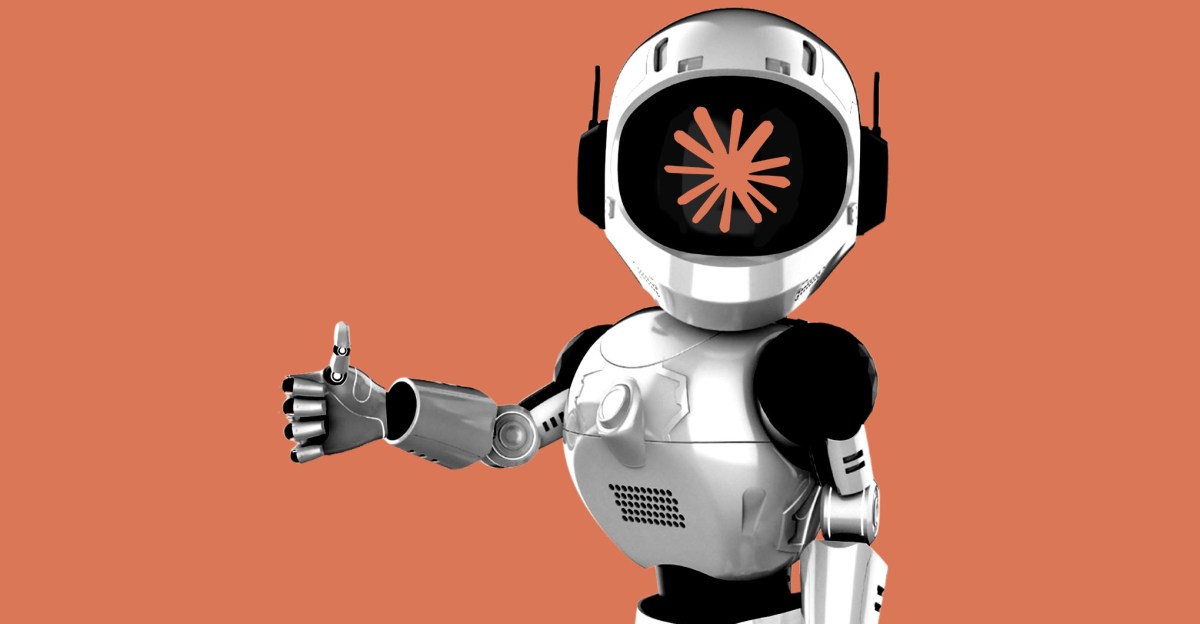
An important returning promise: the self-organising company. Now through AI. Calling it a Town with a mayor iso CEO brings you back to the beginning of the internet in the Netherlands with the Digital City (1994). Just the metaphors.
 Casey Newton
AI Can Draw Any Building. But Can It Imagine One? A valid question. But also: where is imagining different from hallucinating?
 Sixth Tone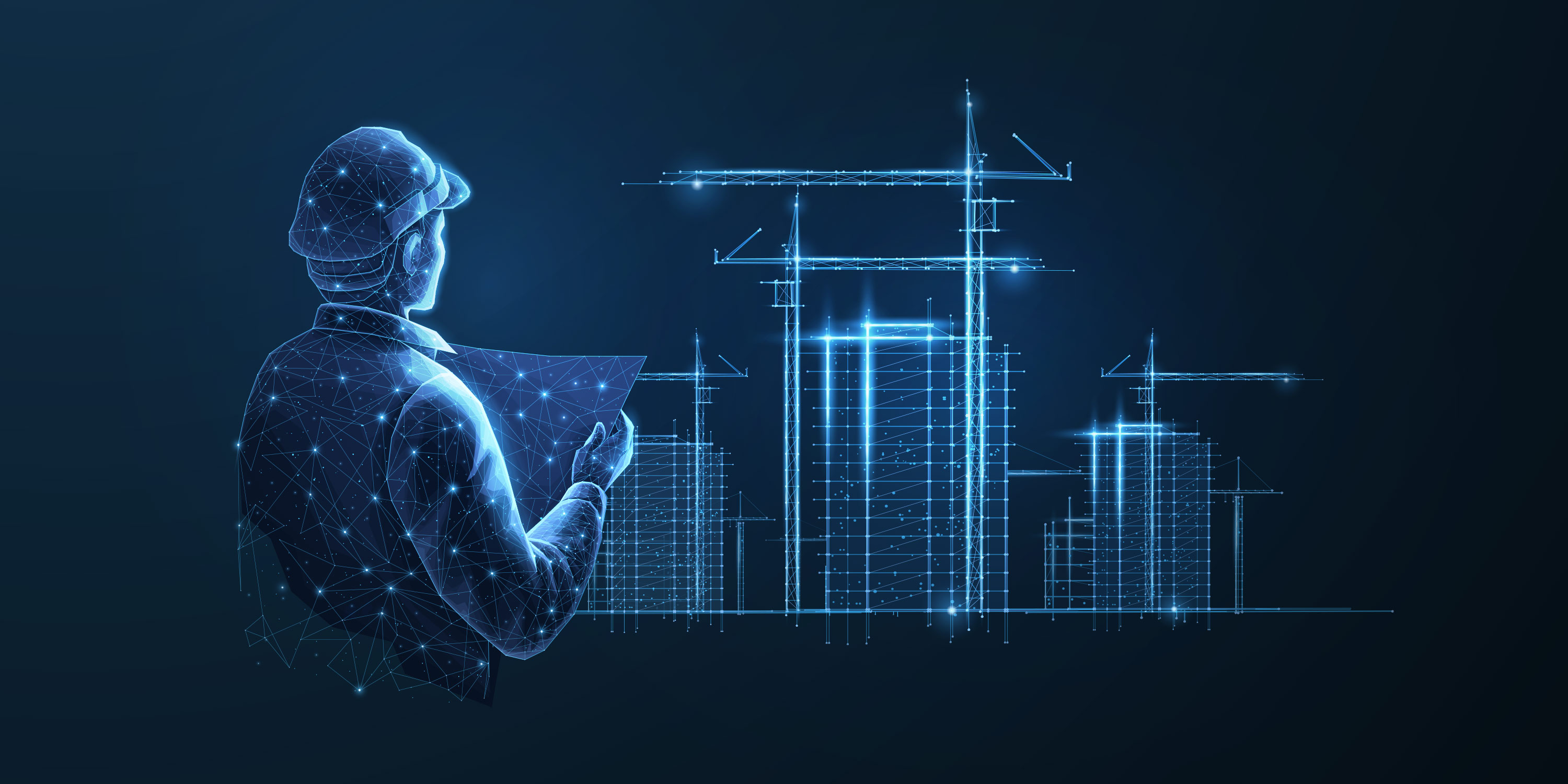
From AI Copilots to Agent Swarms.
 Andrej Zdravkovic
How kids feel and use the AI.
Jen Swetzoff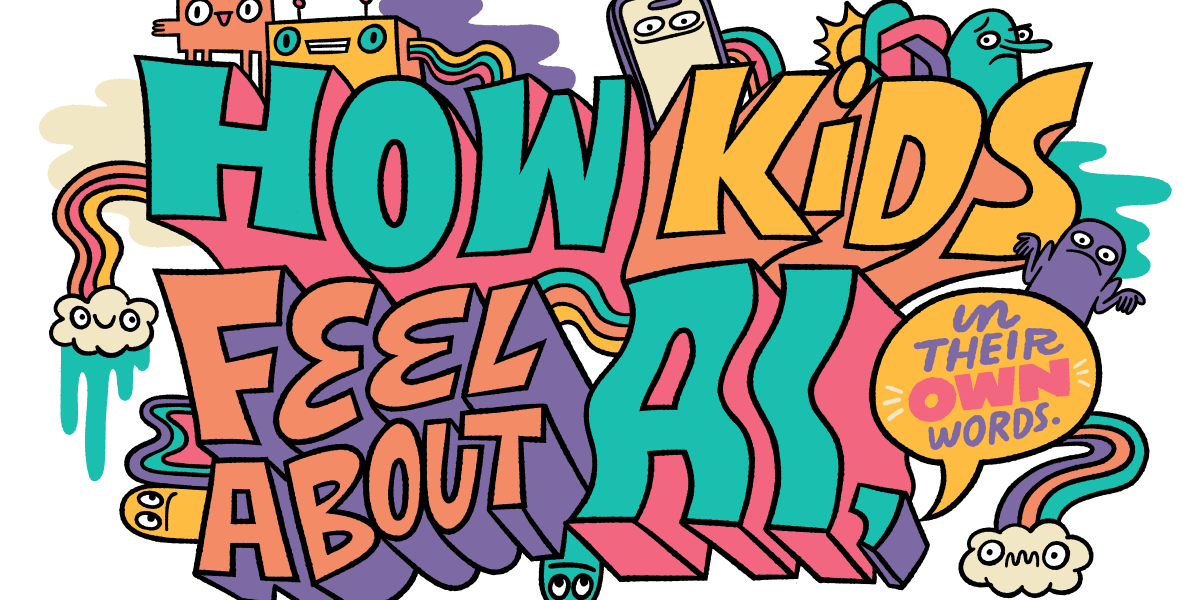
Physical AI
Robots doing operations, now for real.
 Brianna Wessling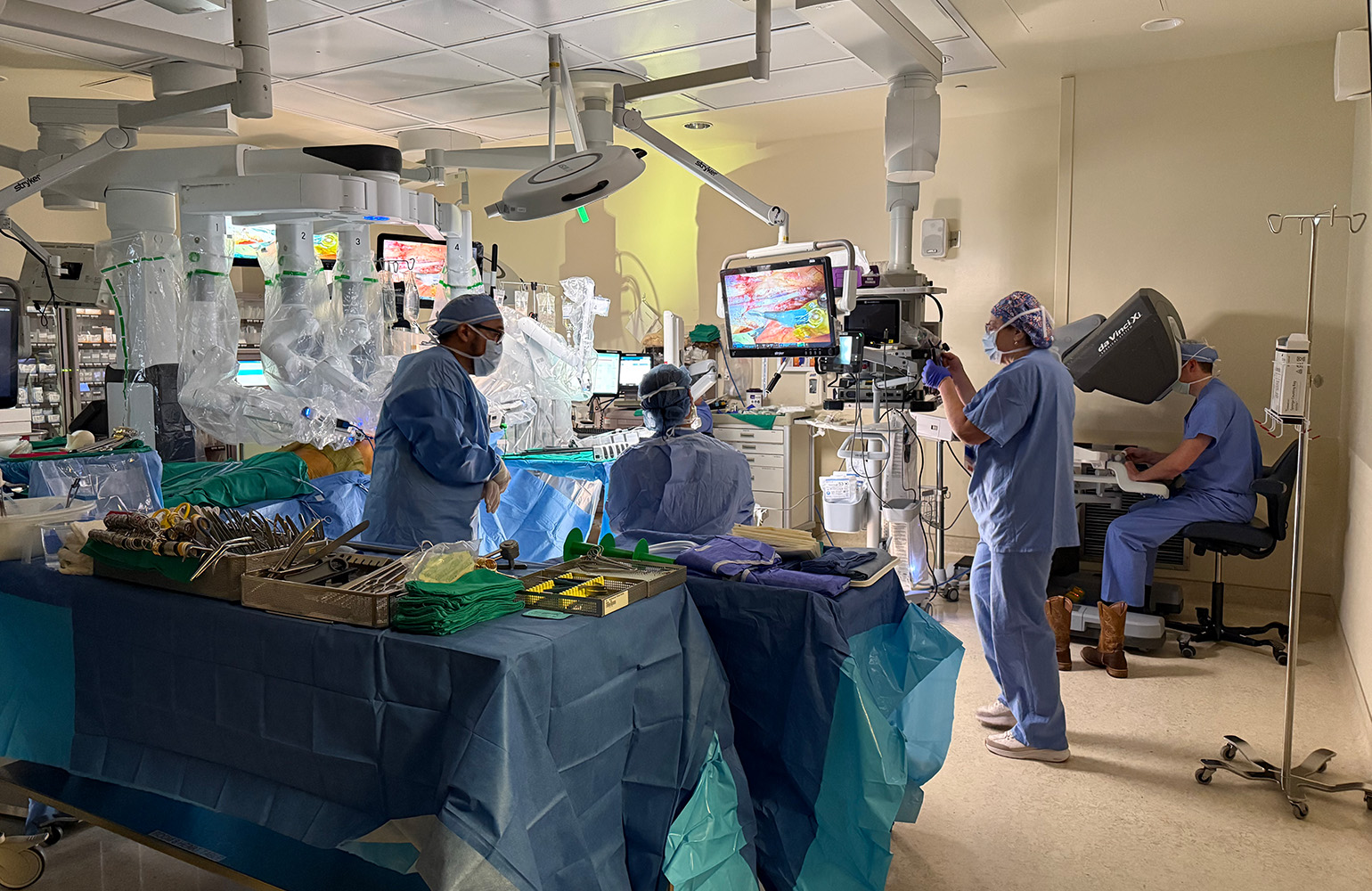
Not that big news, maybe, especially since it misses the opportunity to make a really 3D version of following the threads…
 Jay Peters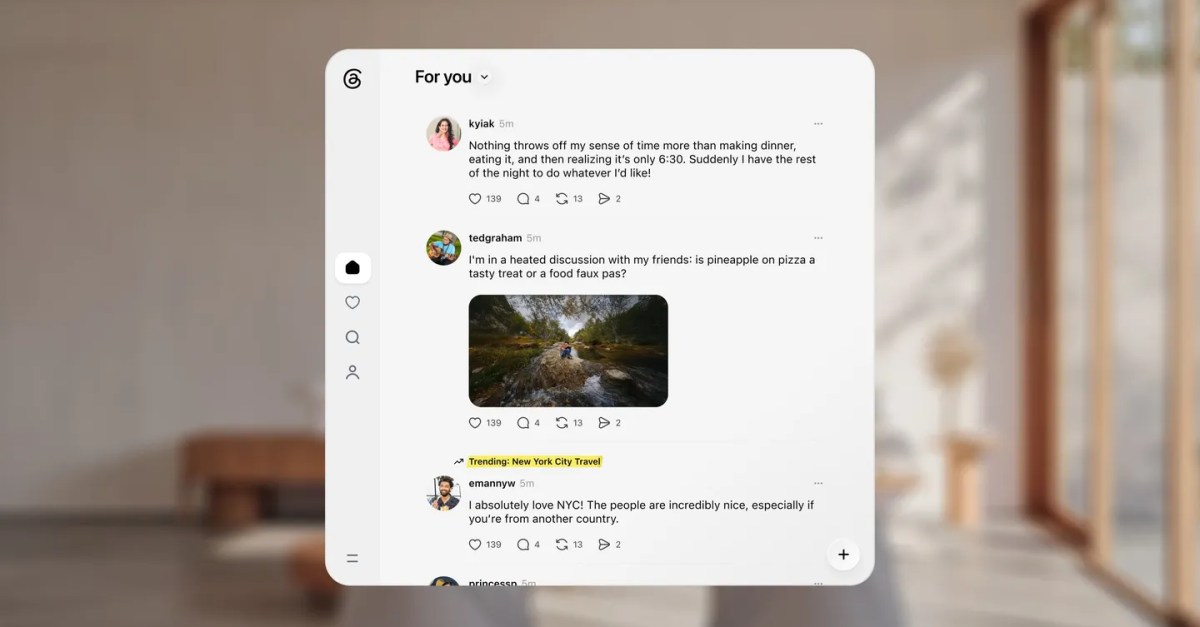
The number of robots in the workspace keeps increasing
 The Robot Report Staff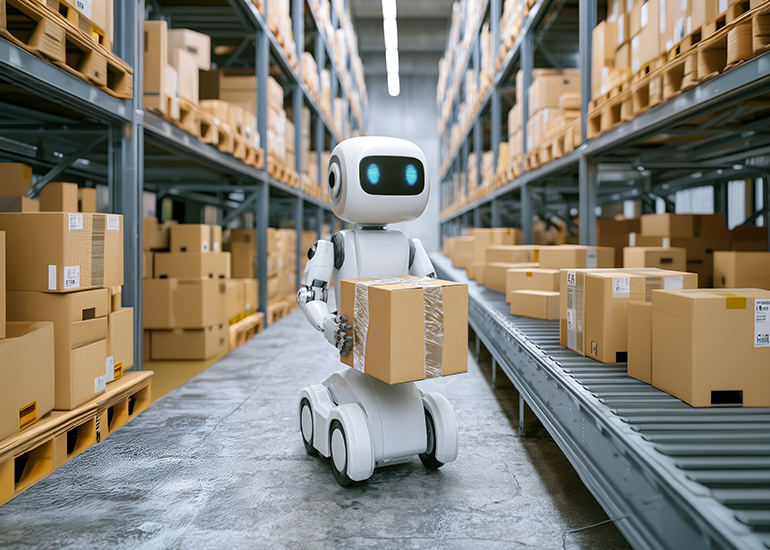
This intriguing new device by OIO was signalled here before, but here is some more information.
 Username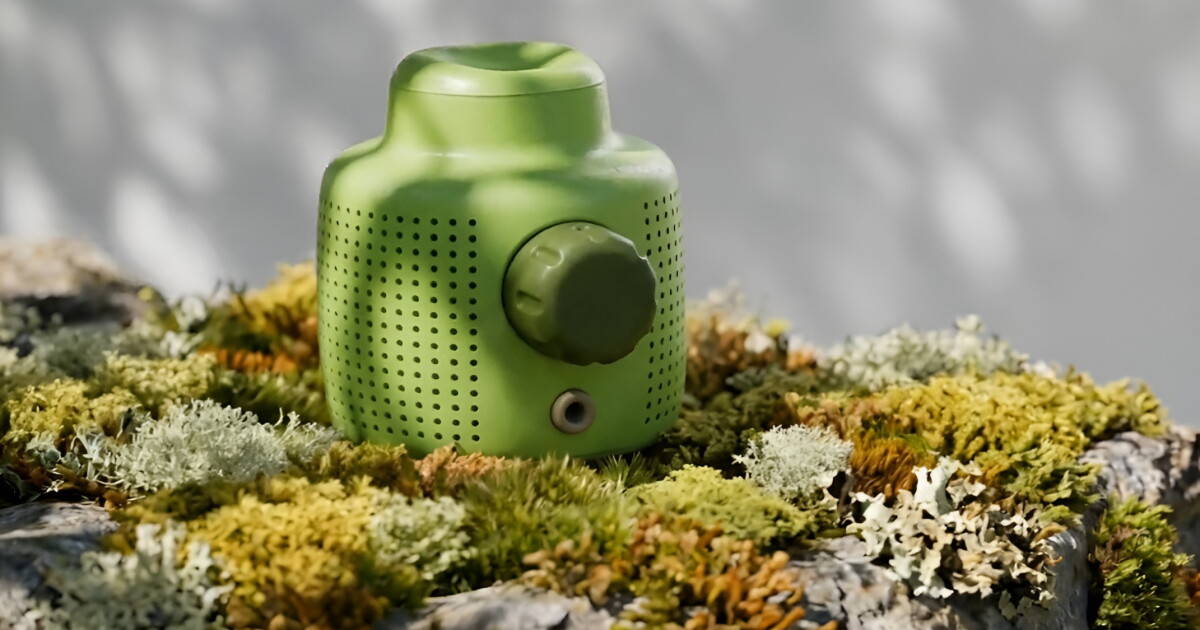
Sound as a missing link in interacting with embodied AI.
 Brianna Wessling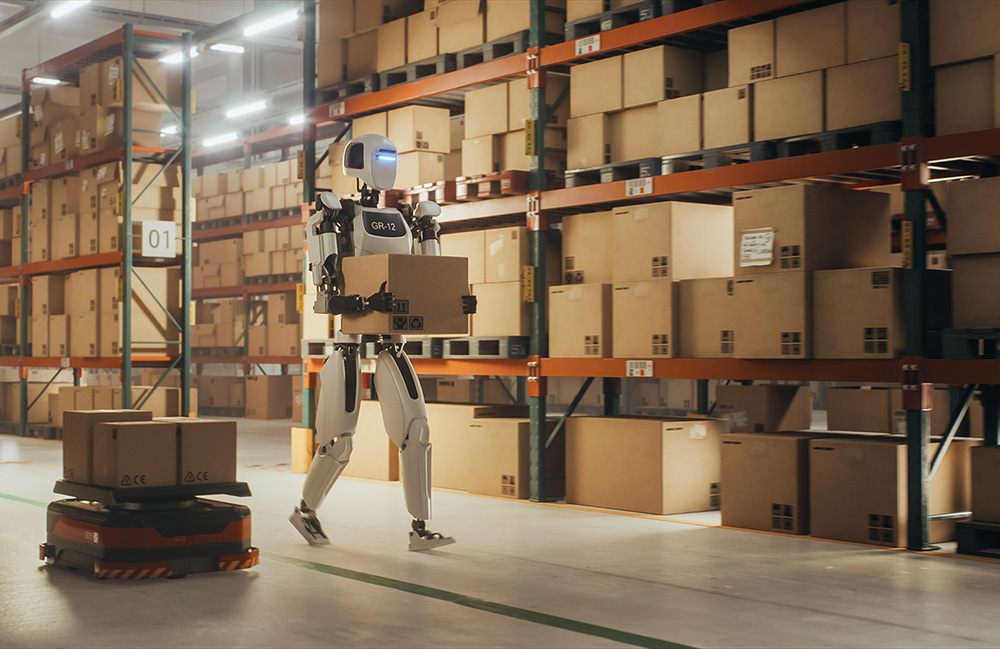
Create your own AI voice device
 Pete Warden
Tech in civic societies
"The system from nowhere" is a way of talking about AI systems that excludes its origin as a consciously, human-designed product.
 Eryk Salvaggio
The trusted third party has entered the AI conversation. Intelligence portability.
 Duncan Davidson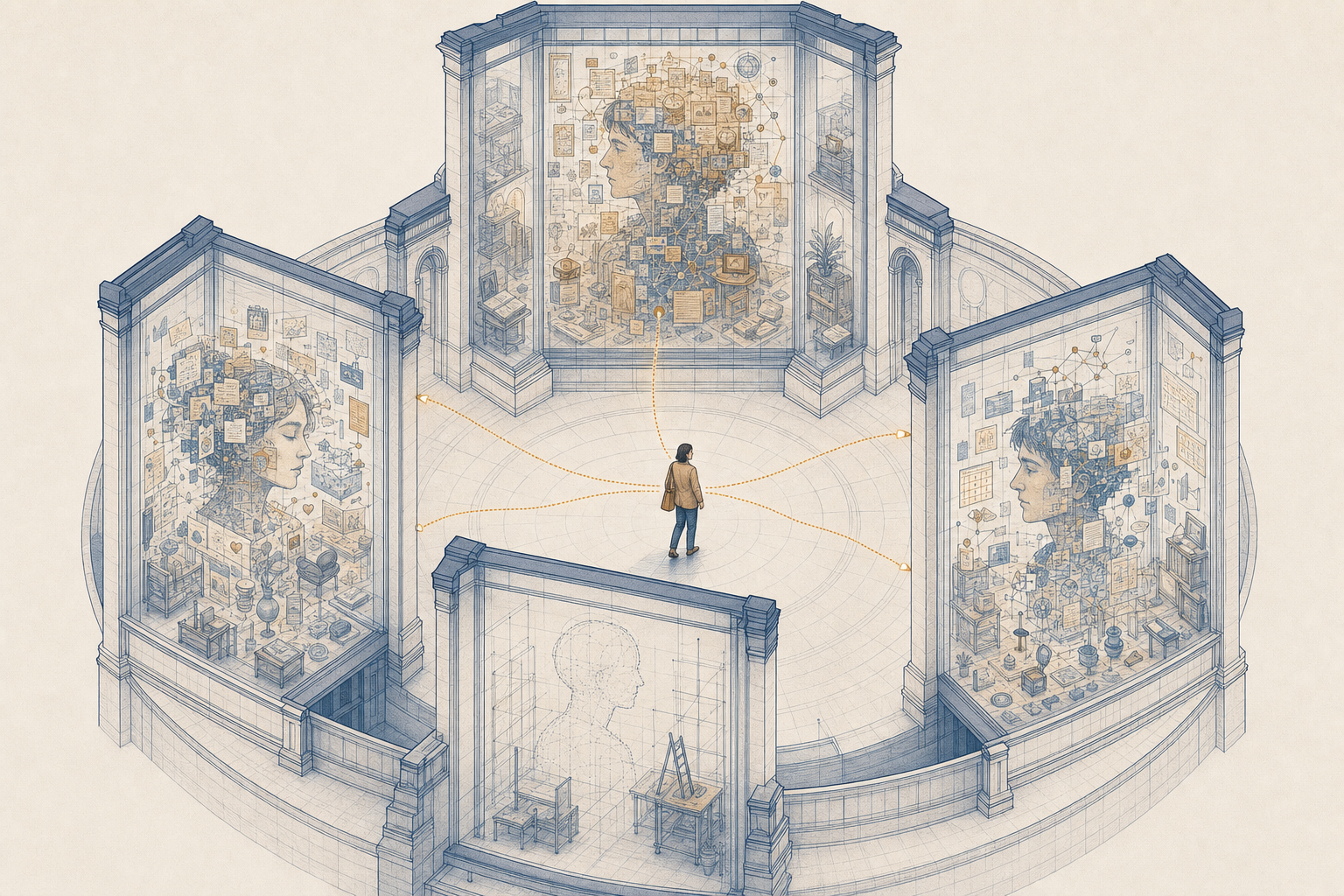
The inevitability of a bubble, the returning fear. Or the returning narrative that is avoided.
 Ed Zitron
Model collapse and reverse centaurs
 Cory Doctorow
And costs collapse.
 Arielle Shipper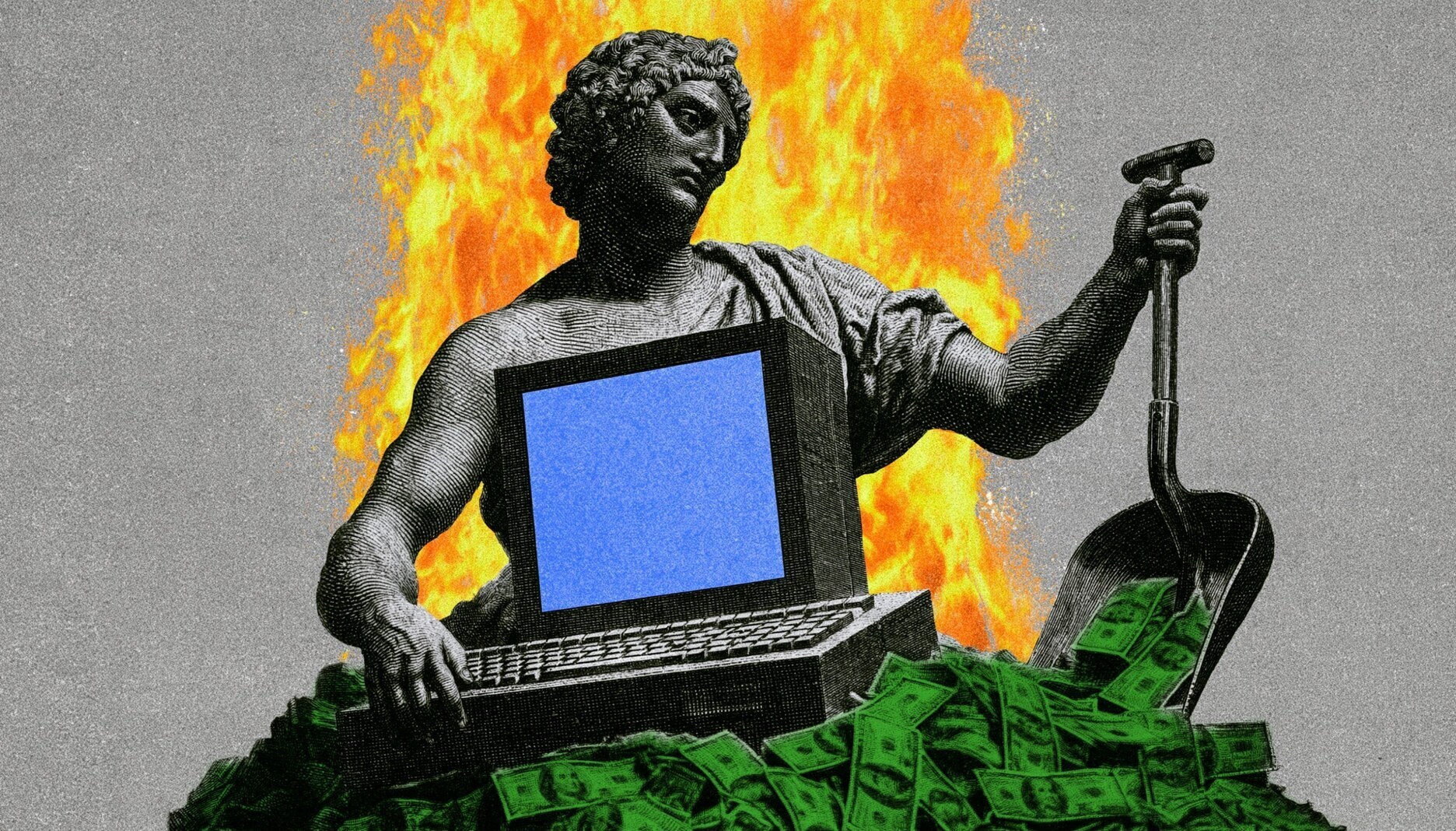
Fast-improving AI will drive a new wave of destruction with businesses, Reed Hastings (Netflix) claims.
 Andrew Edgecliffe-Johnson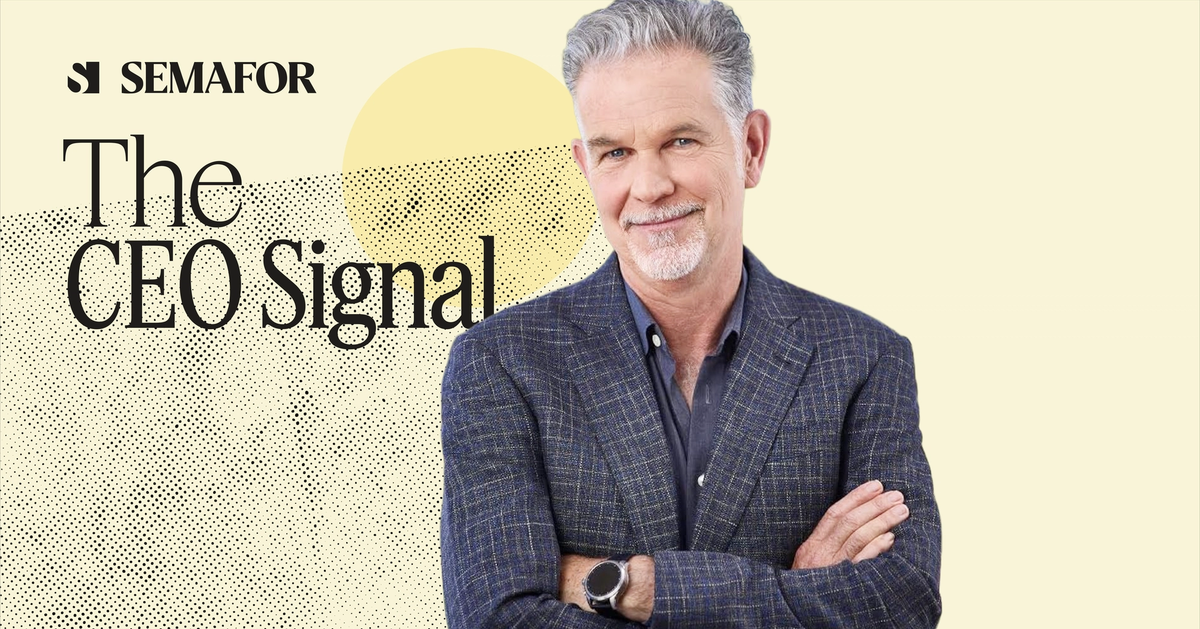
China tech politics on model level.
 Robert Hart
The right to repair in a different presence.
 Kohava Mendelsohn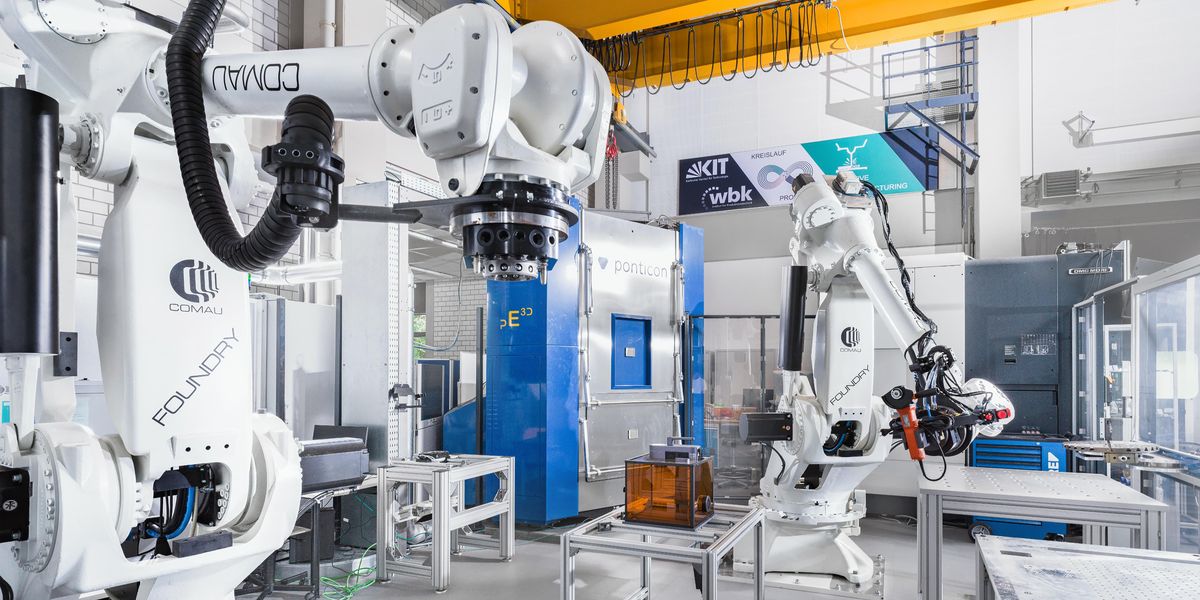
Now synthetic voters are used for testing, but what can we expect from the synthetic midterms?
 Laura Karpas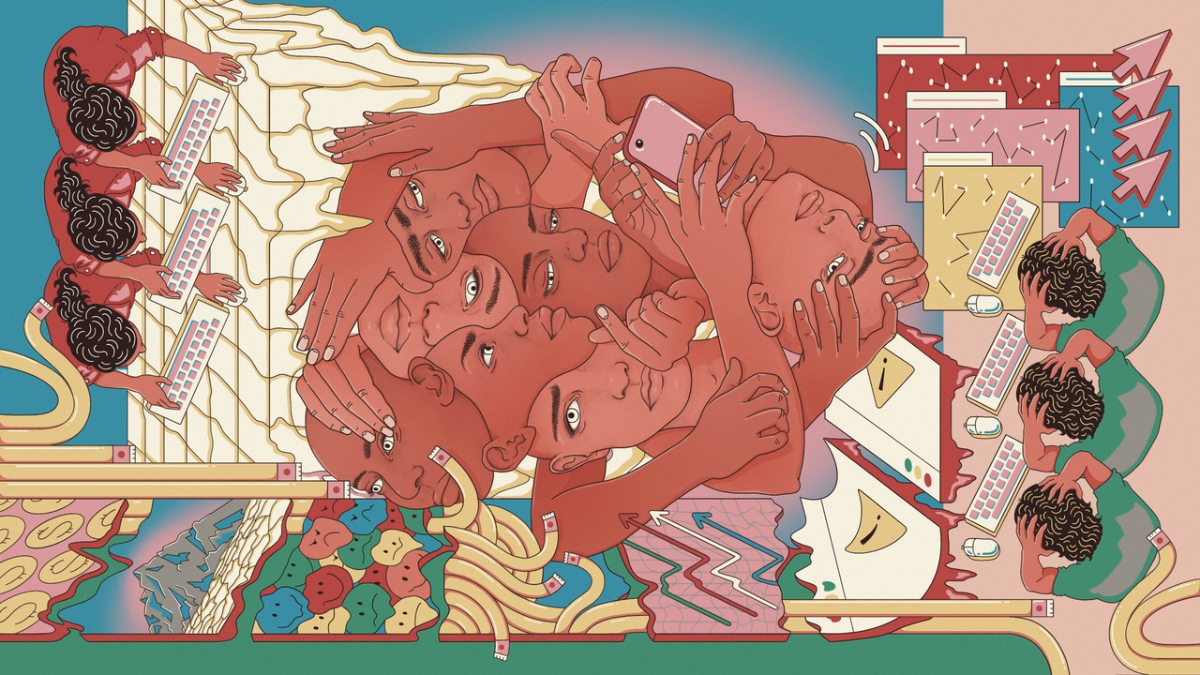
Weekly paper to check
This week a report that is on my list to read. (What Comes) After FOSS? (free and open source software)
The research underlying this report was motivated by such a cultural shift among technologists: the “post-FOSS moment.” There are multiple reasons why technologists no longer take the free and open source software movement for granted as the main point of reference for their work. This report proposes a conceptual tripod to make sense of this discontinuity.
Boy, John D. (2026), (What Comes) After FOSS?, Leiden University. https://infrastructureinsights.fund/projects/what-comes-after-foss/
What’s up for the coming week?
I might check in this afternoon online with IoT Gent. And of course as mentioned, the one I organize myself: ThingsCon Salon Making the Symbiocene + RIOT2026, this Friday.
See you there!