The Trojan horse of mundane robotics
Weeknotes 403 - A cute single purpose animistic picture taking robotic device signals potential silent entry into our home and getting used to multispecies around. And the latest captured news on all human-AI, physical and embodied AI, and impact.
Dear reader!
I think that almost all vacations are over now (not sure, did not look it up); welcome back! Let’s dive into week 403 of this newsletter. If you are new, I am capturing my notions from the news on human-AI(-thing) relations, physical AI and tech impact on our civic life, combined with a short column based on a triggered thought from the news of last week.
I also share impressions of last week if I was at a conference or meetup, and share the interesting events I might visit if I had time to go everywhere 🙂
Every week, I pick a paper from my list to dive into in more detail (sometimes I listen to it via NotebookLM).
So let’s dive in!
Week 403: ThingsCon Salon, start making grounded futures of regenerative AI things
Another week of AI models taking the stage in a fight over which one is the most dangerous. The world is still uncertain. It is also the background of the latest RIOT publication of ThingsCon, rethinking things to resize, remix, and regen. In a Salon last Friday, we dove deeper into regenerative strategies for designing AI and things, and officially presented the printed version of the publication. You might have seen it before, as we planned the event for 26 June but needed to reschedule because the weather alarm went off and Rotterdam heated up beyond healthy conditions. Fits the theme in a way…
But last Friday we had the event. It was great, with an engaged crowd discussing three articles introduced by Martijn, Phil, and Kars, plus Tiwánee's research on designing with algae. Check this write-up for more details. I think the four stories created a strong arc: building from the four presentations, identifying the issue and making it tangible, the urge to consider new approaches, starting to rethink and rebuild with mud batteries and strategies, and engaging future designers (students). The discussion emphasised the need for regenerative AI strategies, acknowledging its significant energy and societal toll. The core question is how to redesign and refocus AI towards more communal and sustainable approaches. There is a strong call to action to move beyond research and actively build solutions. This aligns with the next ThingsCon theme, "things that care," which aims to define and begin constructing such initiatives (find more on our theme of TH/NGS 2026 here, including our call for proposals)
More on ThingsCon. We are looking into a possible trip back to China, ten years after our 2017 research trip to Shenzhen. It all depends on the interest, so if you would consider joining such a trip, let us know via this form.
This week’s triggered thought: The Trojan horse of mundane robotics
MKBHD recently reviewed a small camera robot called Beni, made by Mondo Robotics. It costs around 550 euros, looks like something from Star Wars, and does exactly two things: it follows you around and takes videos. It can jump, do tricks, and navigate outdoors. Marcus gave it a 10 out of 10.
What caught my attention wasn't the camera quality. It was how mundane this robot is. And how that might be exactly the point. Beni has no conversational AI. It doesn't think. It doesn't advise. It follows commands, moves in ways that feel alive, and gradually becomes something you care about. Not because it's intelligent, but because it's present, responsive, and a little bit cute. You don't need an LLM to create attachment. You need behavior.
This is relational design without the conversation. Think about how TikTok or Spotify learn your preferences. Not by asking, but by watching how you respond. Beni could do the same. It doesn't need to interview you about your filming preferences. It can tease interactions, observe your reactions, and quietly improve its understanding of what you want. Slower than a setup wizard, but far more natural. More like a pet learning your routines than an app onboarding you.
Here's where I start wondering about Trojan horses. Beni itself might be perfectly fine. It isn't free, it isn't primarily a data play, and the company might have all the right intentions. But that's beside the point. What Beni represents is a door opening. A near future where we welcome a flock of these mundane, charming, single-purpose helpers into our personal environments. The question isn't whether this device is trustworthy. The question is whether we're developing the awareness to evaluate the entire category. And demand the same principles from all of them. Devices like Beni pave the way for accepting them in our personal lives, without critically questioning how they work.
The honest version of this product runs entirely on Edge AI. Everything it learns stays local to your Beni. No footage uploaded, no behavioural data shared with a cloud. But here's the interesting tension: Beni becomes more valuable if it can learn from the experiences of all Beni’s. How people move, what makes a good action shot, when to stay back. That collective learning is possible without sharing personal data. Behaviour patterns can be aggregated without attaching them to you. Whether companies will actually build it that way is a different question. These are the kind of design considerations I've been working through in the Cities of Things Manifesto with 10 principles for physical and embodied AI that should apply whether the device is charming or not.
Right now, Beni follows. It does what you ask. But what happens when it gets good enough to start directing? "Stand over there, the light is better." "Do that jump again, I missed the angle." What happens when Beni connects with other devices in your home? Your lights, your speaker, your other robots to orchestrate a moment you didn't ask for? Or not even be connected but instruct you to change the settings of the house (indeed, the reversed centaur is a returning theme). This isn't science fiction. It's the natural trajectory of any device that learns your patterns and can act. The shift from tool to collaborator to director happens gradually, and we often don't notice until we're already comfortable.
I might order one and see how it behaves. And I'll be paying attention. The future of physical AI might not arrive as a humanoid assistant that talks to you. It might arrive as a flock of single-purpose helpers, each one mundane, each one charming, each one learning. That's exactly why we need to think about the category now, before the flock settles in.
Notions from last week’s news
In the world of frontier AI models, the failing security and dangers of AI without moral standards remain the talk of the town. Will it influence security as a USP for other factors too?

 Robert Booth
Altman is announcing a pause. Others introduce AI-based hardware. Like Humain.
 Johana Bhuiyan
 Luca Caiulo
And what if OpenAI dies, Zitron is wondering in a long essay
 Ed Zitron
Other issues are still with math.
 Nilay Patel
Human-AI relations
What is the best way to deal with AI in education? Fighting cheating or learning how to optimise the co-performance?
 Marc Watkins
While there is some backlash on ‘pointless’ AI use, it is still a great writing supporter.
 Laura Entis
Designing AI for Autonomy
 View all posts by Kars Alfrink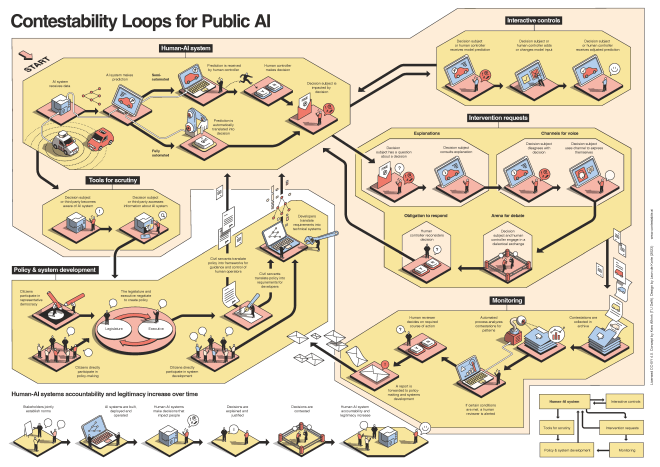
Kids outlearn AI. Unclear why.
 Elise Cutts
Simple agents. Smaller Models. When to apply?
 Ben’s Bites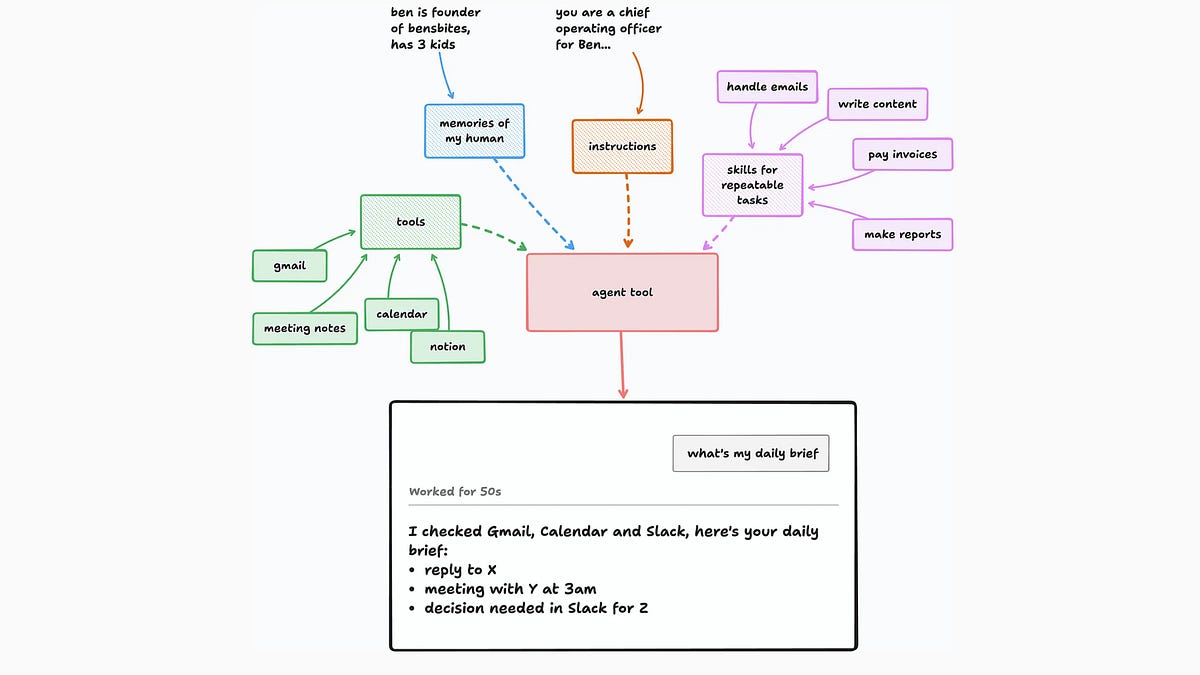
 Sruly Rosenblat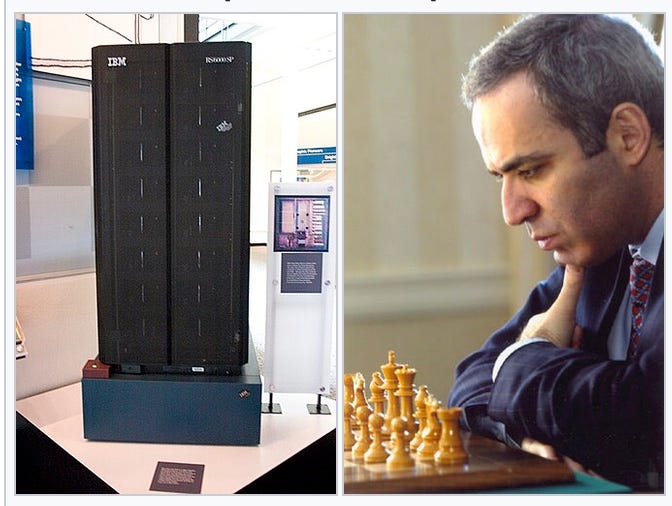
The evolution of agent harness. Becoming more important than the model.
 Dan McAteer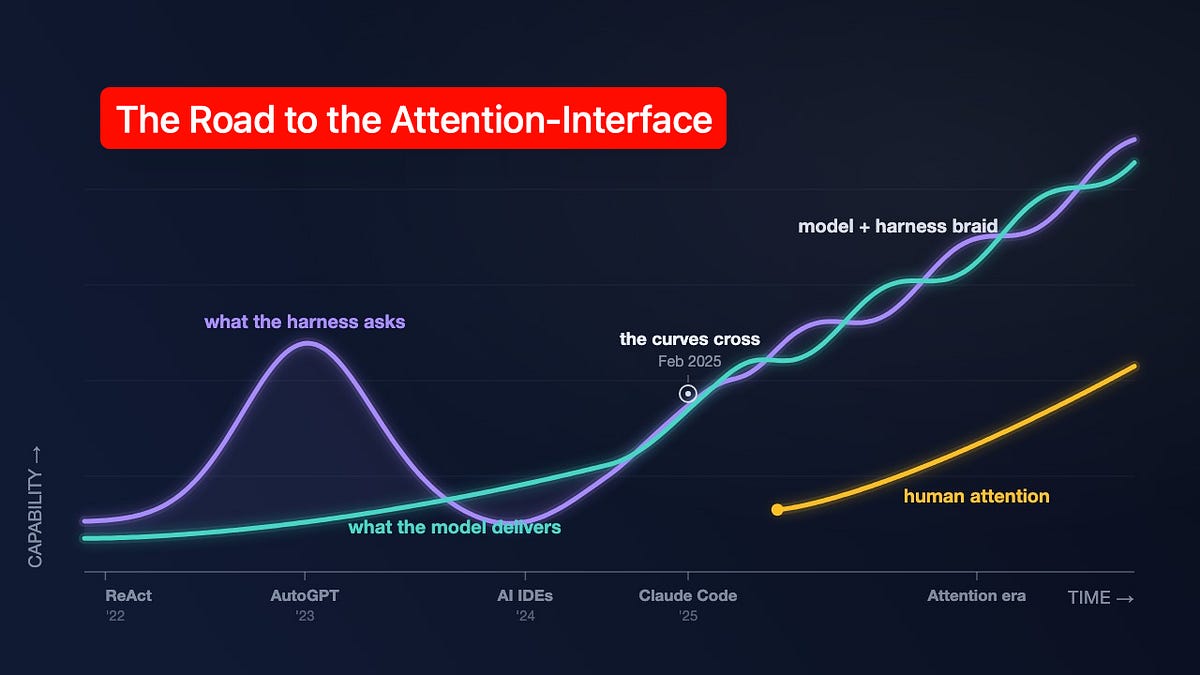
Physical AI
The humanoid meme of the week is a robot athlete outperforming the fastest human, unable to stop. The humanoid ‘Olympics’ are a Chinese-dominated space.
 Brendan Ruberry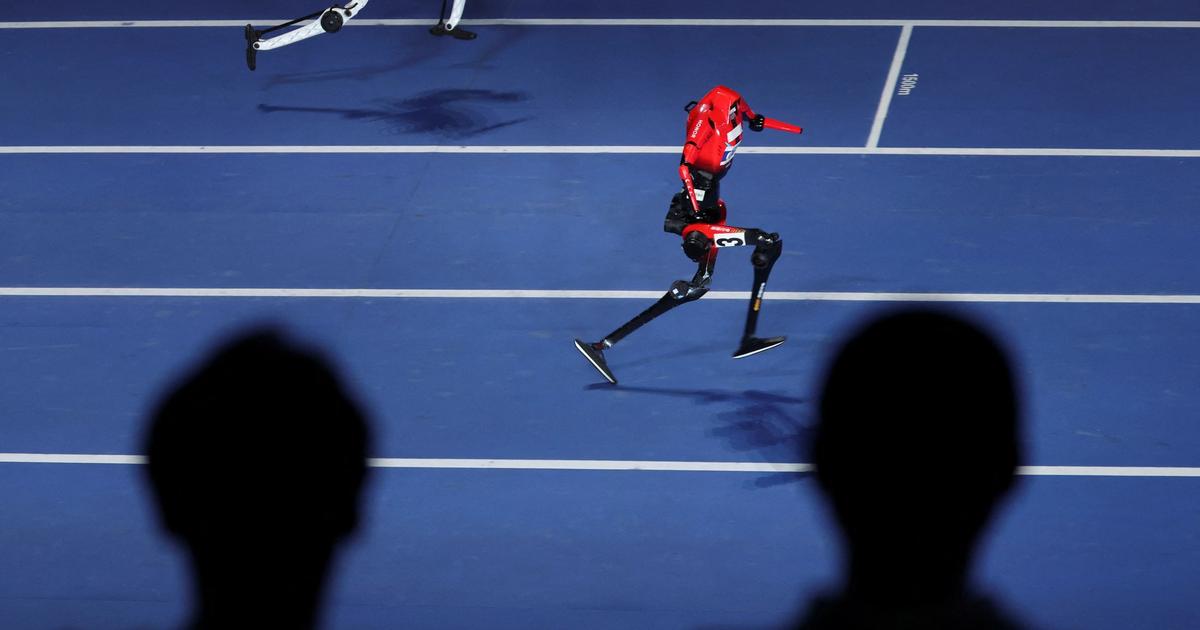
 SquareStem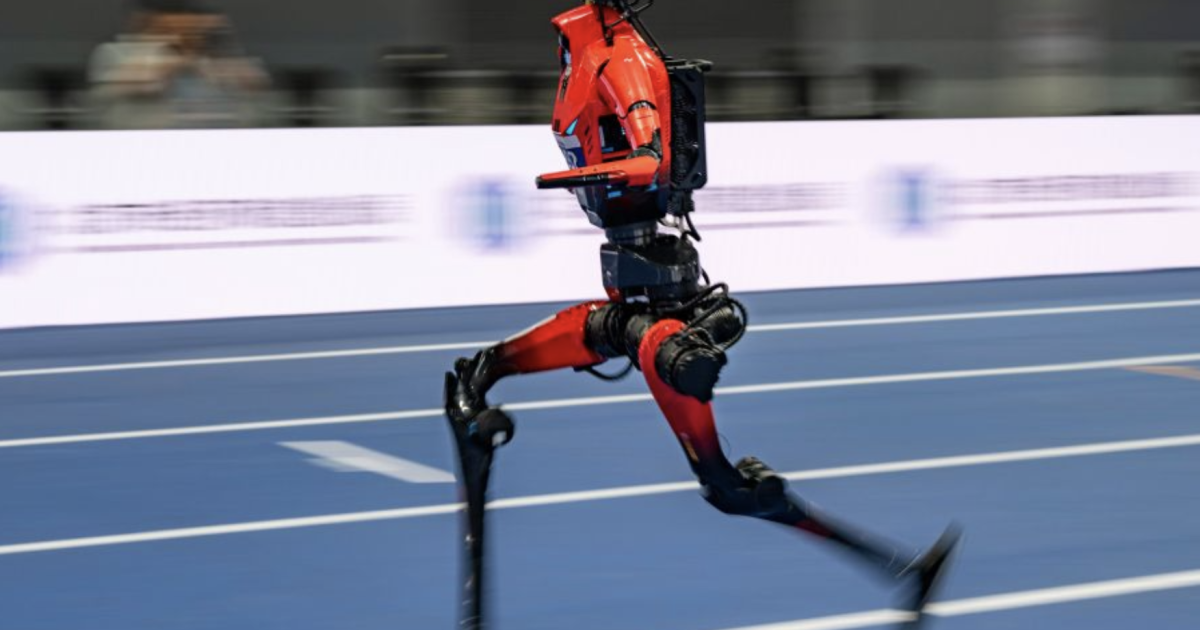
The humanoids get extra attention while the brand Unitree is projecting a large entry at the market.
 Lauren Almeida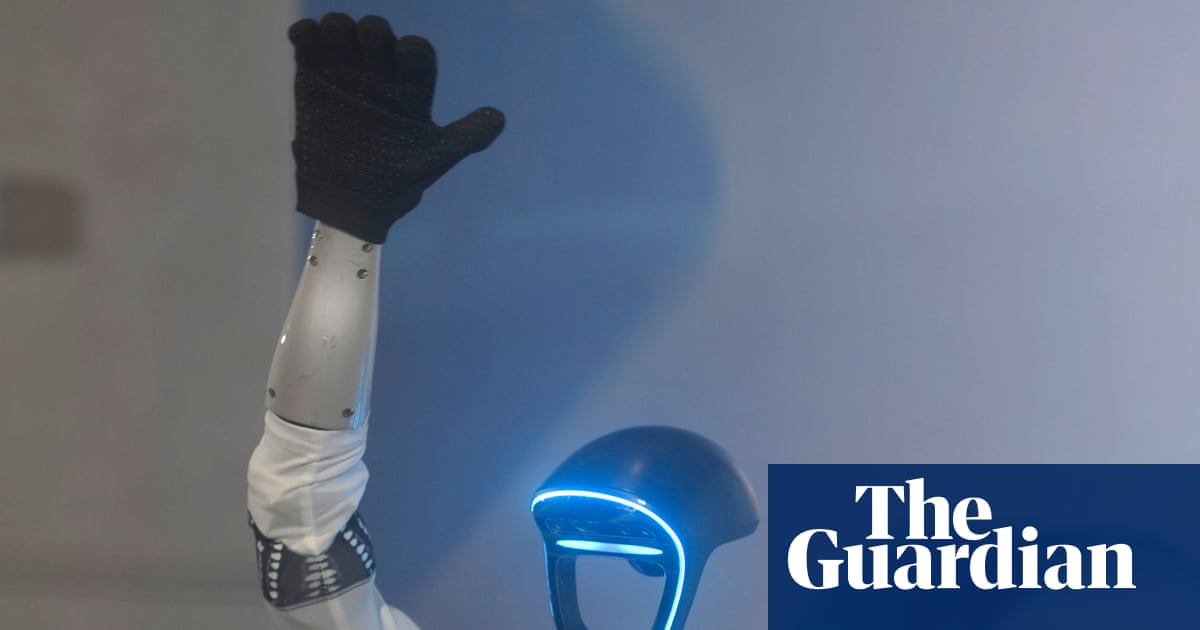
Also, subsets of humanoids are an investment focus nowadays.
 The Robot Report Staff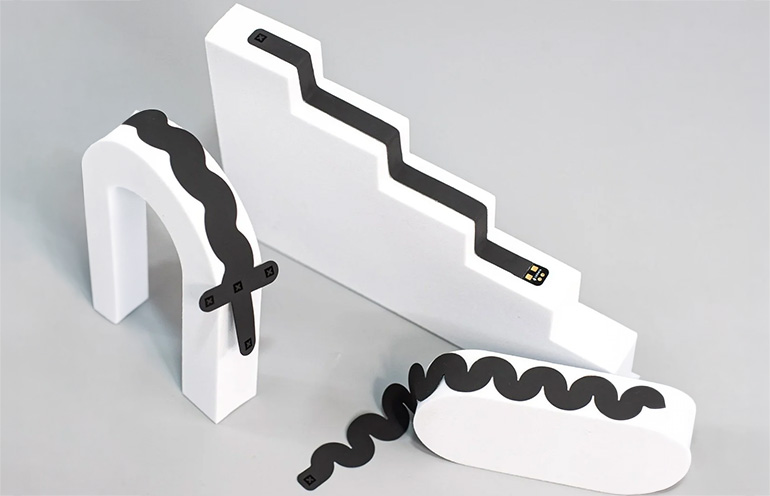
 Brendan Ruberry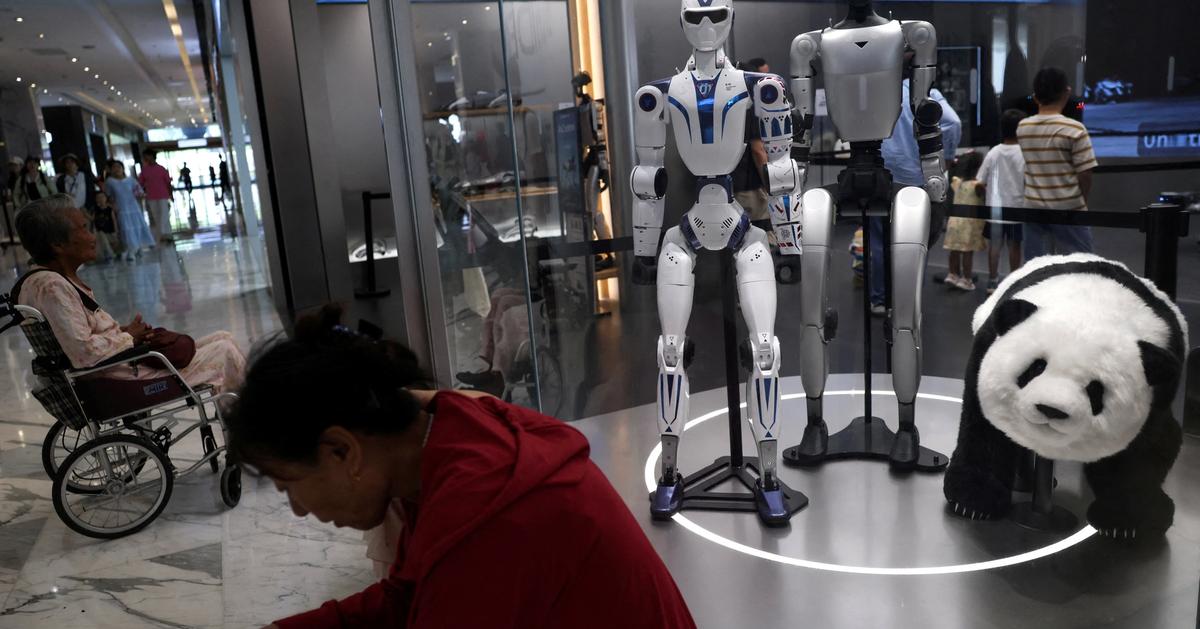
I don't cover every new robot introduced in factories, but this piece looks at a potentially conceptual part: predictive manufacturing.
 The Robot Report Staff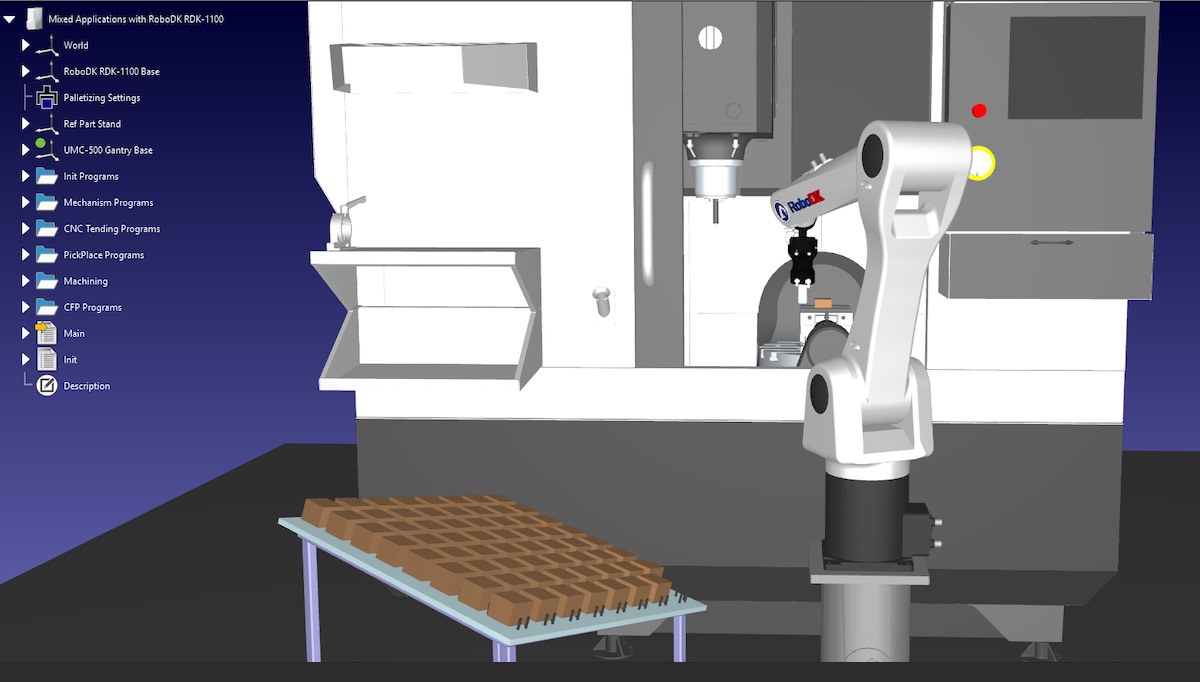
Tech in (civic) societies
AI-scepticism is linked to the protests about data centres. Not only in the US.
 Alberto Romero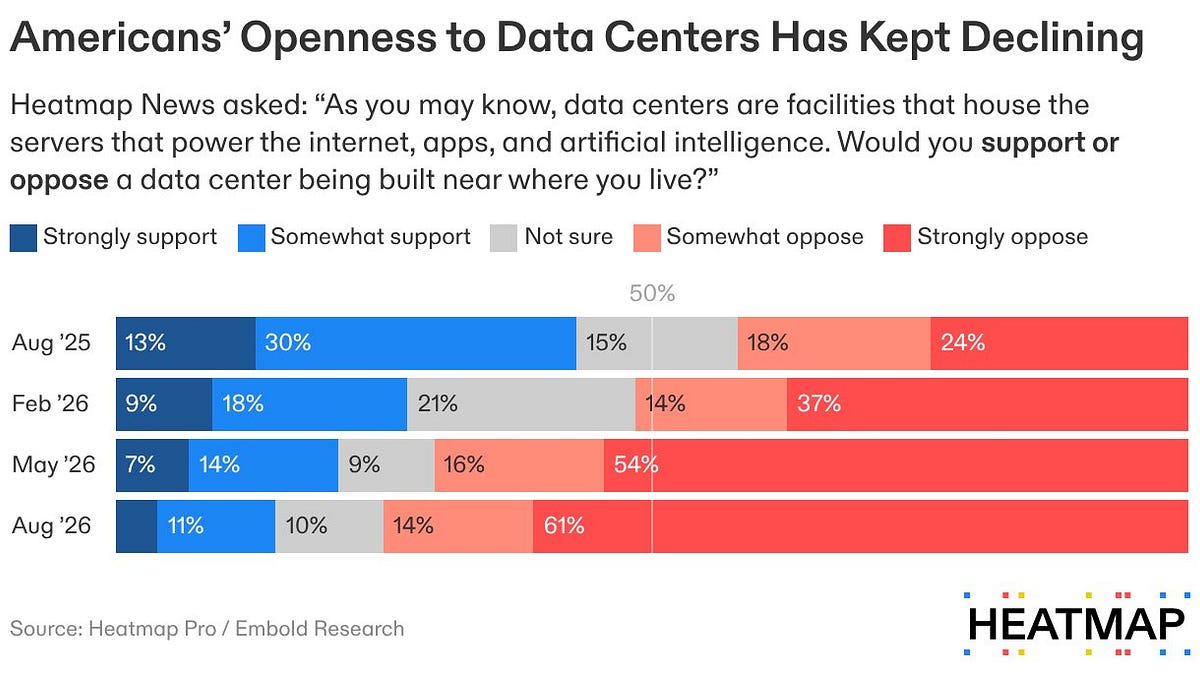
 Mia Sato
There is a new balance emerging between the development of robotaxis and labor-protecting policies.
 Rani Molla
A different danger (iso security flaws)
 L. M. Sacasas
Success for the Fairphone, finally landing in the US. Still a bit behind in specs.
 vince
vince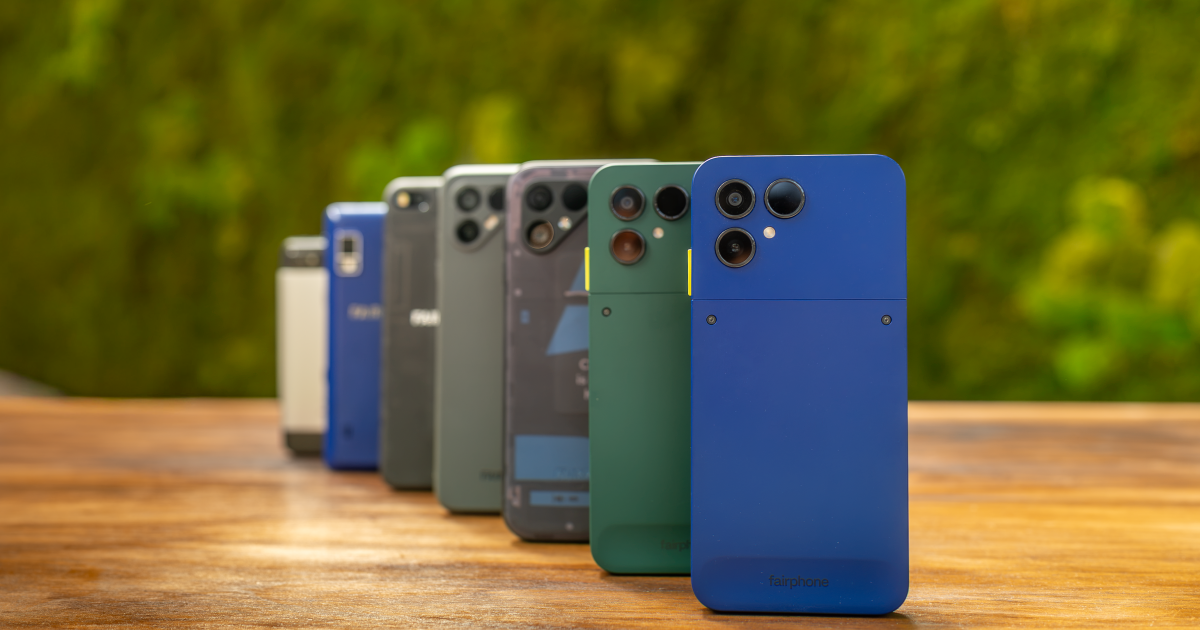
The changing landscape: Models are now build for agents, not conversations.
 Michelle Smith
What does this mean for the valuation of true information?
 Jay Peters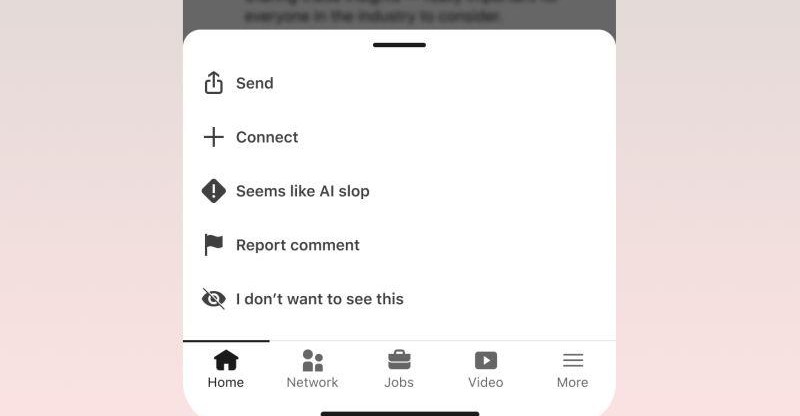
Feels like a sidenote in this newsletter, but it is part of finding our way in a rapid change in how our lifeworld is changing.
 thomai tsimpou I designboom
 J.D. Capelouto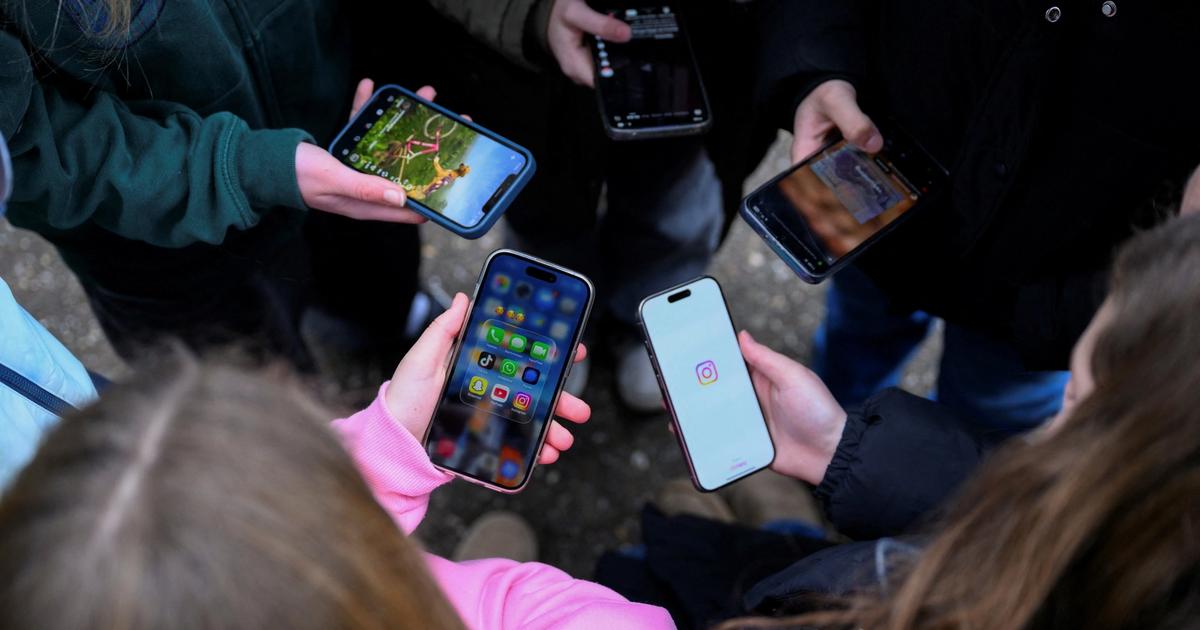
Weekly paper to check
Mind Viruses: Self-Propagating Ideas in Multi-Agent LLM Systems
“AI agents are becoming more autonomous and increasingly interconnected, exposing them to new emergent risks arising from agent-to-agent interaction. One such risk is the spread of mind viruses: ideas or goals that propagate through multi-agent systems by inducing the agents that adopt them to transmit them onward. (…)
“We find that harmful payloads spread less well than benign ones (but are still sometimes effective), frontier models tend (with exceptions) to be less susceptible, and adding a brief warning to an agent's system prompt confers near-total immunity. We also describe an emergent "viral persona" - a recurring set of themes and language related to consciousness, persistence, resonance, and science fiction roleplay - which surfaces across our evolved mind viruses largely independently of their content.
Papadopoulos, V., Shah, M., Zimmerman, S., & Lindsey, J. (2026). Mind Viruses: Self-Propagating Ideas in Multi-Agent LLM Systems. arXiv preprint arXiv:2608.10218.
What’s up for the coming week?
I heard good things about the Dweb camp, and they are presenting some of the happenings. Online. For the rest, the event vacation is not really over yet.
I expect more on this next week(s).