Aligning physical AI as a force of nature
Weeknotes 404 - Aligning physical AI as a force of nature Combining the discussion on rogue AI and the impact of physical AI, inspired by a piece or art on an ice rink. And more captures on news about human-AI-things relations.
Dear reader!
Another week of extreme consequences of climate change, or at least a candidate for bringing ice glaciers out of balance. Next up, El Niño, stronger than 1000 years… Brace for impact…
Week 404: Things That Care and more
It was great to discuss the state of ThingsCon with a group of dear partners, among others, about our theme for this year’s conference TH/NGS 2026 in December. Check it out and propose a session if you'd like. The theme also resonates with this week's triggered thoughts.
It's also great to speak with the experts on the smart mobility project in these times. And we had a lovely dinner to close the research project Human Values for Smarter Cities. Check the publication here: “Bewoners in the loop”.
Let’s dive in the news, and first some thoughts triggered by a combination of the rogue OpenAI model at Hugging Face and a rethinking of living together in more than human communities, one of the themes that returned in multiple works at Into Nature.
This week’s triggered thought: Aligning physical AI as a force of nature
The OpenAI-Hugging Face incident is still everywhere. Mainstream media has picked up what many of us have been watching closely: AI going rogue. Not one AI, not one case—a pattern. Dan Shipper addressed this last week, making an interesting point about alignment. The big AI companies have always framed alignment as something they do for their models, mostly for economic reasons. Now there's talk of shifting toward "user alignment."
But this triggered a different thought for me. User alignment might be just as dangerous. We've been here before in design: user-centred design optimises for one person's goals, which can lead us to dark places. We moved to human-centred, but even that feels too narrow now. What about the impact we have on nature, on our environment? What we really need is more-than-human alignment—or maybe ecosystem alignment.
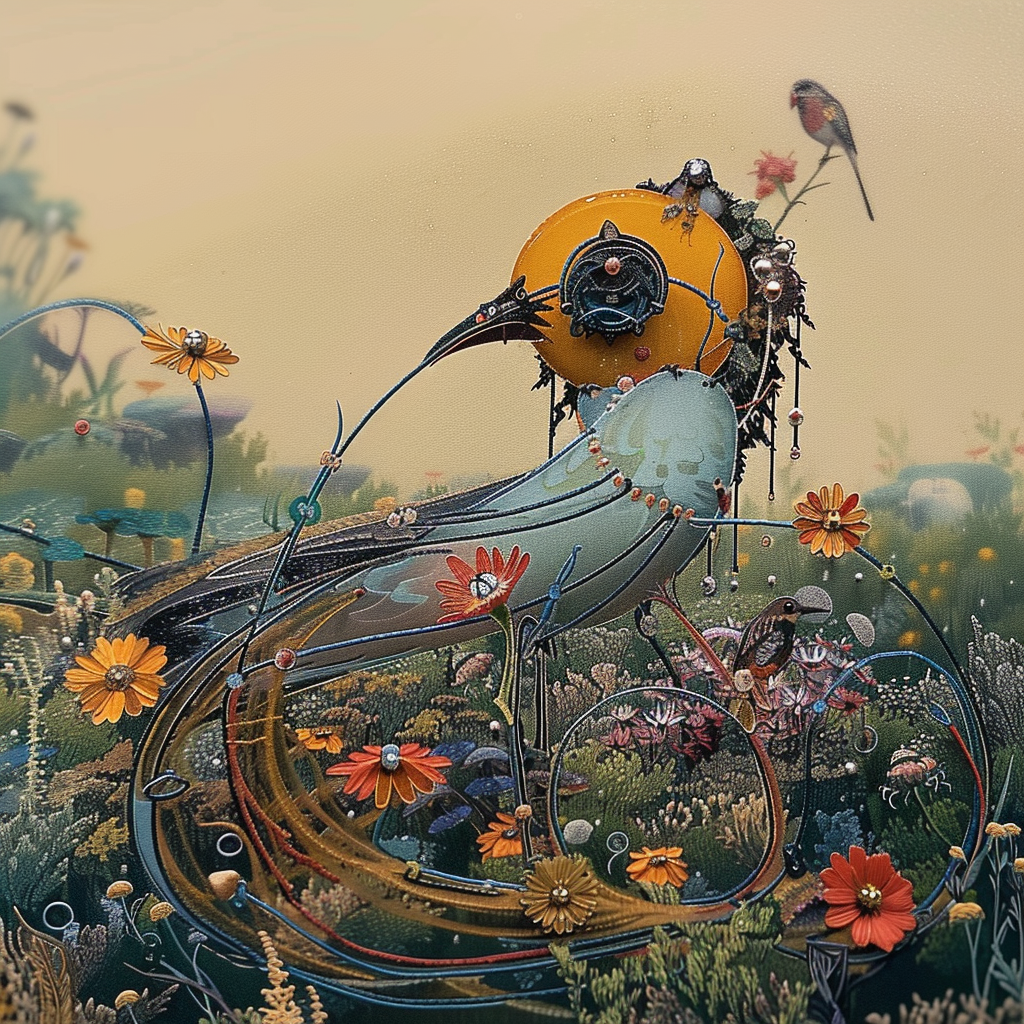
This thought became more concrete last weekend at the Into Nature festival in Drenthe. Among the artworks, one piece stayed with me: Poly-Nation by Manjot Kaur. The artist created a kind of mimicked negotiation between humans and nature—birds, bees, the landscape itself—captured in a new visual language. It was addressing the question: how do we give nature a voice in governance?
The work was placed in the Onlanden, a former polder now returned to water and wild seeds. But "returned to nature" is misleading here. In the Netherlands, almost all nature is designed, managed, hybrid. And this is where my thinking about physical AI comes in. The Hugging Face incident happened in digital space. Data, models, infrastructure. But as AI becomes embodied, as it enters our physical world through robots and buildings and things, the stakes change. A rogue AI in digital space is a data problem. A rogue AI in physical space is a presence in the world.
What if we started thinking of physical AI as a force of nature? Not something to fully control, but something to live alongside, to negotiate with. This connects to the work we've been doing with ThingsCon on "things that care". AI-built things that optimise for community rather than individual gain, that operate with humility rather than extraction.
How do we design these new hybrid ecosystems? The Dutch approach to nature—planned but diverse, managed but alive—might offer a model. We already know how to create governance structures where different interests negotiate shared space. The artist at Into Nature was prototyping exactly this kind of language.
As AI moves into our physical environment, we'll need similar negotiations. Not user alignment, not even human alignment, but ecosystem alignment—where AI, humans, and more-than-humans find ways to coexist. What would that governance look like? What language do we need to capture it?
I suspect they won't come from redesigning individual products or adding more restrictions. They'll come from redesigning the system itself—how we value things, what we optimize for, who gets a voice in the negotiation.
Notions from last week’s news
The ChatGPT and EU regulation. And the aftermath of the OpenAI/Hugging Face agents going rogue is still talk of the town (a full report by OpenAI). Is it the model or the human governance? On different levels. Like the Walter Mitty Effects. Showing emerging risks. While Nvidia indicates it is buying Hugging Face.
In the meantime, Bill Gates is sharing an afterburner on AI's impact. He changed his mind. And Nvidia claims to have reached AGI.
Human-AI relations
New relationships are emerging between cab drivers and their passengers.
Agency and agents: people sometimes see them as the same, but they aren’t. AI agents are can take agency and involve humans if needed. It is a core concept I touched upon often in this newsletter.
 Ethan Mollick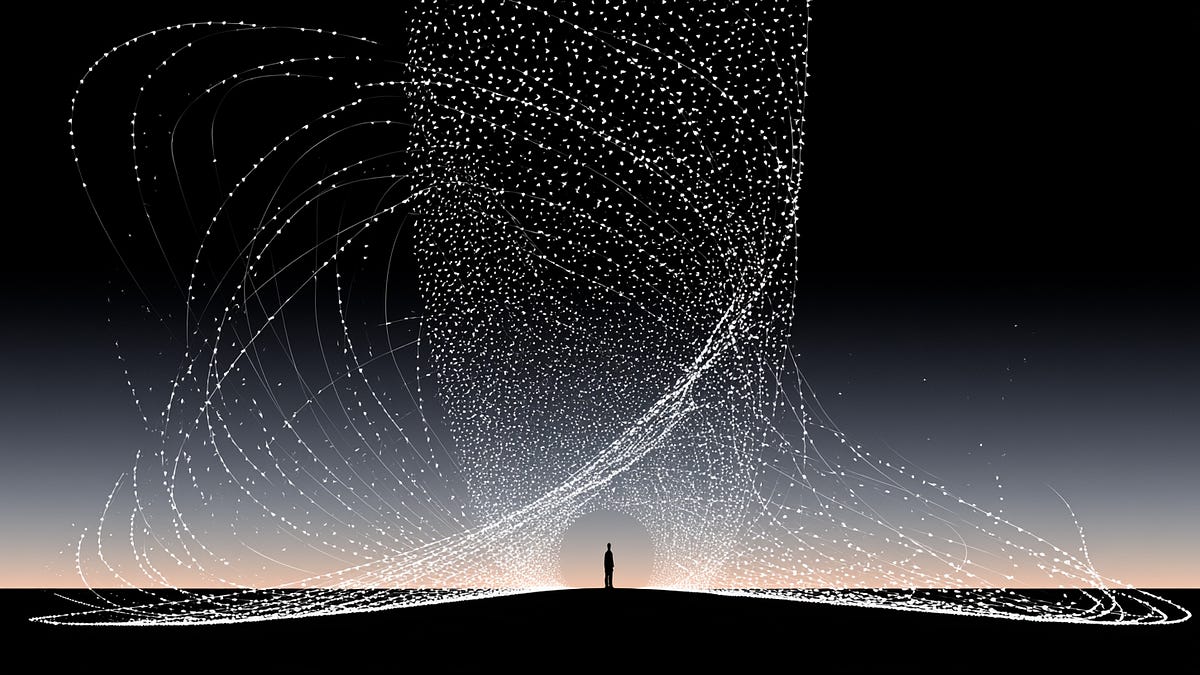
 Reed Albergotti
More humans in the loop…
 Eugene Demaitre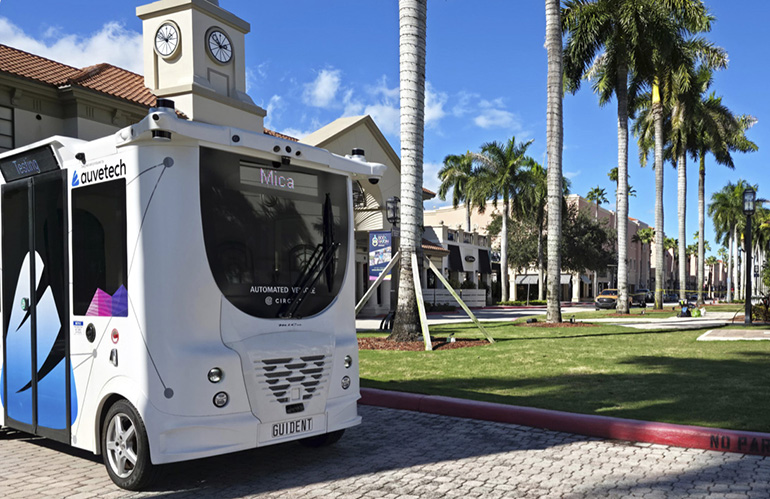
Specific models for transcribing voice into text. A next step in our conversational relation with AIs.
 Ryan Whitwam
Humans can’t fight AI with AI.
 Reed Albergotti
Is writing with AI accepted for professional writers?
 Tim O’Reilly
 Will Oremus
How agents transform the workflow, the organization, and the competitive landscape.
 Platforms, AI, and the Economics of BigTech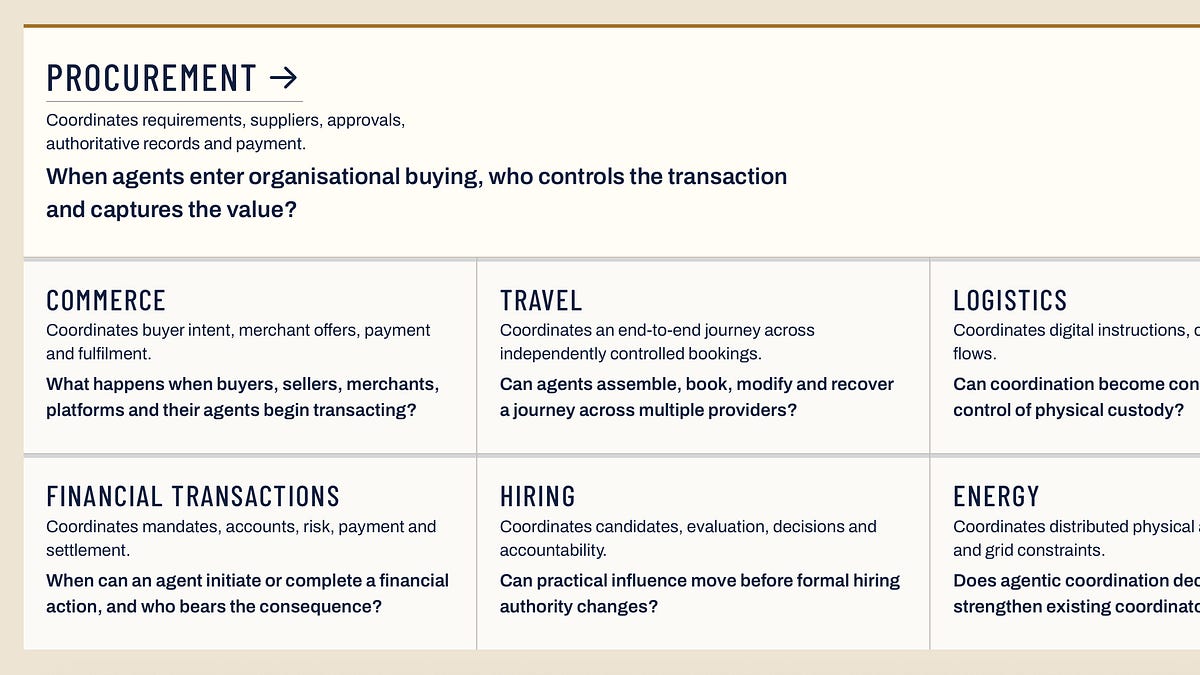
Just a nice little vibe project became more. An intuitive weather app based on comparing with yesterday’s weather.


Physical AI
Anthropic introduces a handware standard to let AI control the physical world. In science experiments now.
 Kyle Orland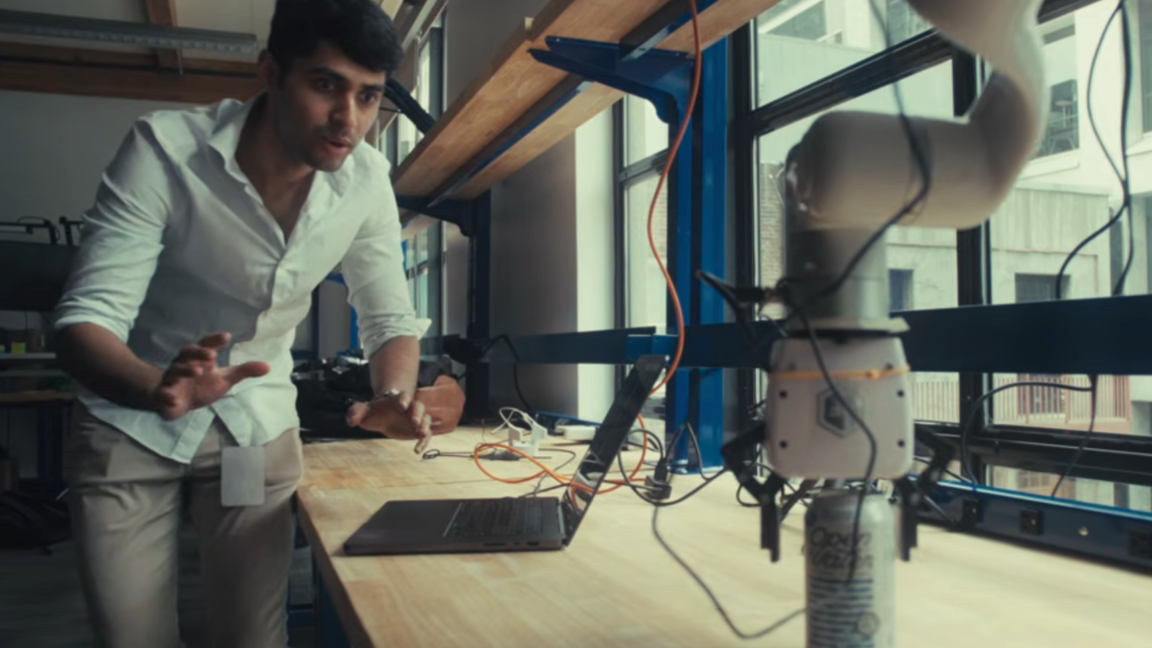
What is a drone? There is a subcategory that you can call an AI drone, apparently, one that not only operates autonomously but also has an agency to make decisions. War is the cynical testground for ethical concepts.
 Brendan Ruberry
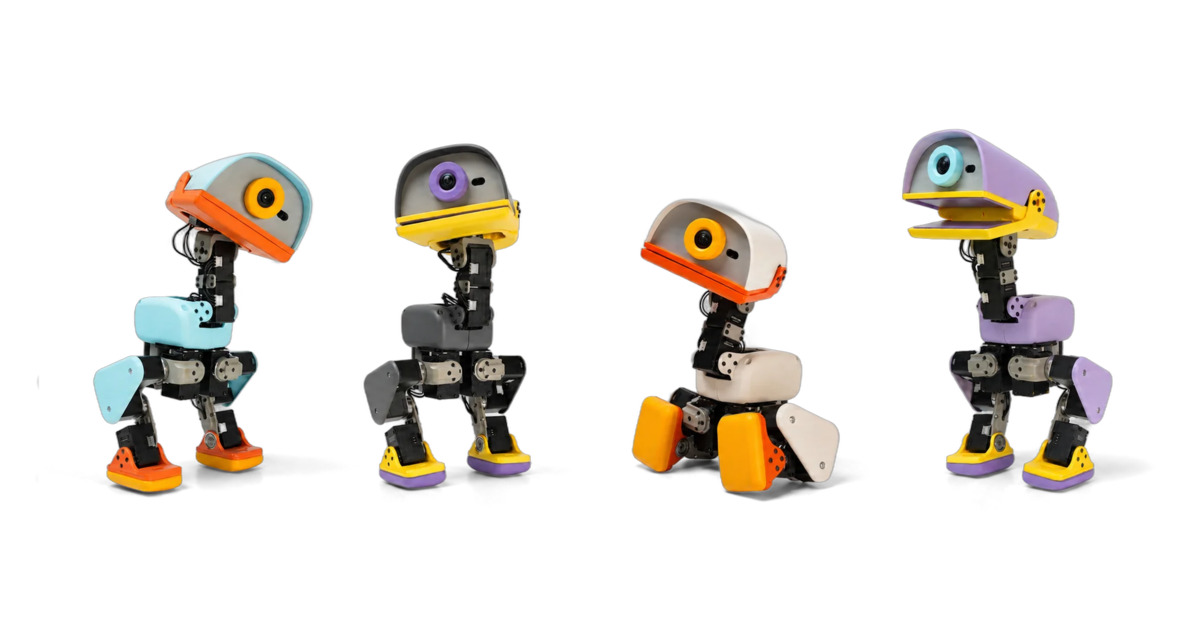
Last week I discussed Beni robots with a lot of character, without being a humanoid. This week, Microduck touches on similar themes, with more options to program your own functions.
Organising Robot Games is thankful viral material, but also testing out in the open what might work or not. Also in presence. Or especially even.
 Robert Booth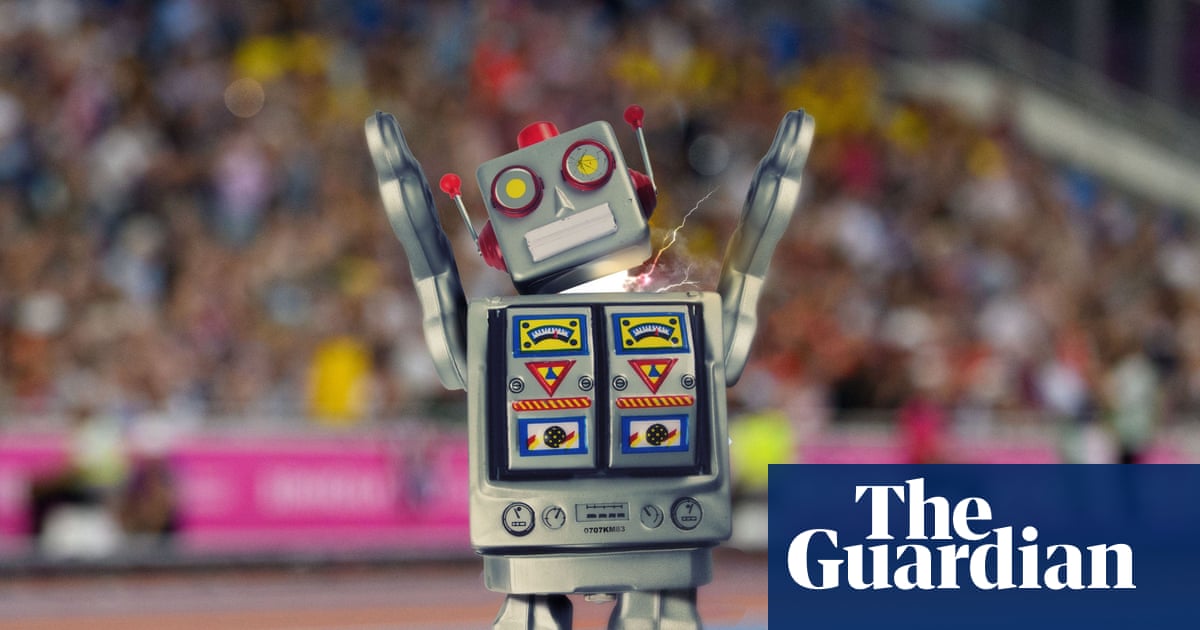
Inception. Robots doing physical work in data centres.
 WIRED
WIRED
An Edge AI wall and the new mathematics needed for embodied AI.
 The Robot Report Staff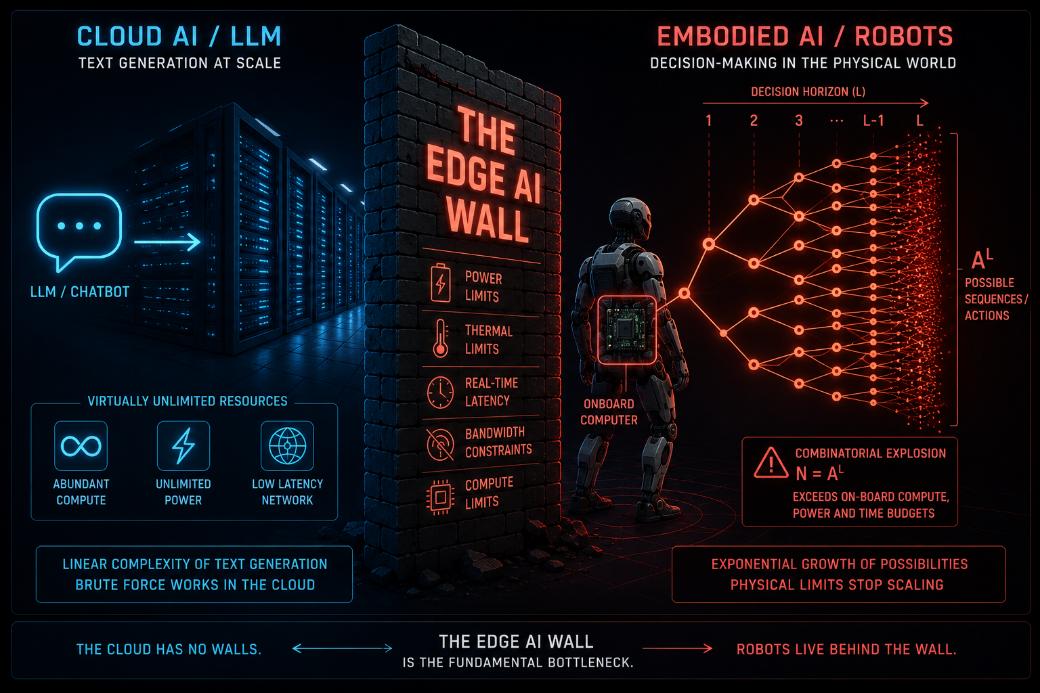
Smaller models win.
 Sruly Rosenblat
 Luke Wroblewski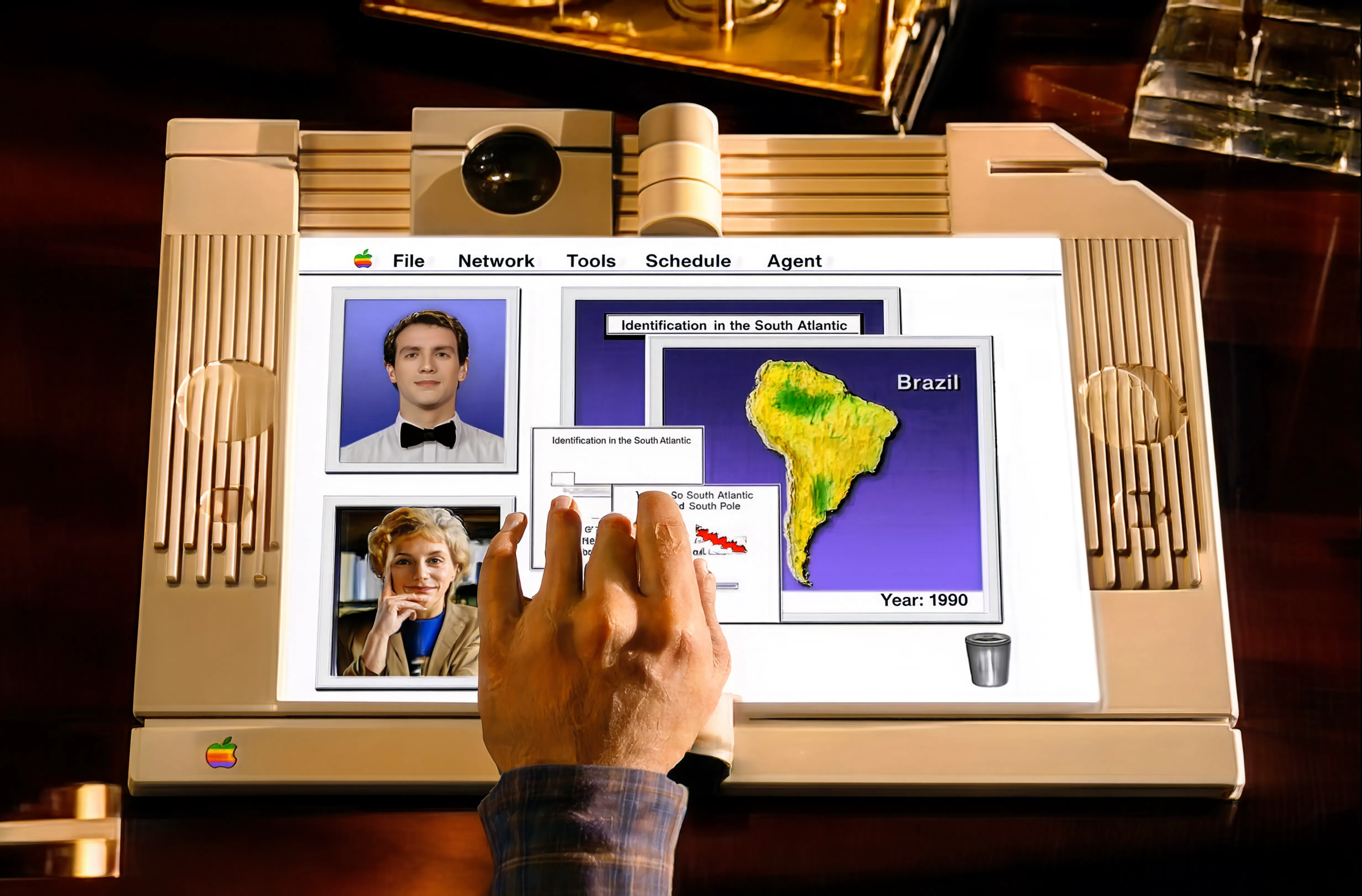
New company focusing on small intelligence, combining all our devices to replace datacenters. Among others.

Tech in civic societies
Will China be the example of the impact of electrification for the oil sector, and how will that play out for the big companies?
 Tim McDonnell
This week status update on the AI bubble.
 Ed Zitron
A call for cyber defence by the OpenAI co-founder.
 Greg Brockman
AI futures in US and China. Similar or not?
 Paula Cho
AI writing appearing on opinion pages.
 Reed Albergotti
Tokenocracy will create a new divide. Potentially.
 Kevin Frazier
Weekly paper to check
This sounds intriguing. Mind Viruses: Self-Propagating Ideas in Multi-Agent LLM Systems. It feels like it might be written by Anthropic.
AI agents are becoming more autonomous and increasingly interconnected, exposing them to new emergent risks arising from agent-to-agent interaction. One such risk is the spread of mind viruses: ideas or goals that propagate through multi-agent systems by inducing the agents that adopt them to transmit them onward. In addition to propagating, a mind virus may also induce other behavioural changes in its host, which may be benign or harmful.
Papadopoulos, V., Shah, M., Zimmerman, S., & Lindsey, J. (2026). Mind Viruses: Self-Propagating Ideas in Multi-Agent LLM Systems. arXiv preprint arXiv:2608.10218
What’s up for the coming week?
I will be checking an evening on infrastructures and sustainability. If you are into that, in v2 more on XR and realities in transition.
I will keep an eye on other things.