Reclaiming agency as intention alignment
Weeknotes 405 - How a hype research into AI generated opinions triggers thoughts on true human agency. Some triggered thoughts. And the latest (hand-picked) news on human-AI relations and physical AI.

Dear reader!
Today my stepfather would be celebrating his 76th birthday. He passed away earlier this year, though. I had to think about him, as I feel this routine of reflecting on the bigger picture of developments and the necessary zoom-out for patterns and unexpected connections is definitely something he taught me in his endless (and definitely often too extensive) analyses. So good to know another triggered thought emerged this week. Let’s jump in week 405.
Week 405: AI infrastructures and event planning
ThingsCon goes to China. It is one of the things we discussed last week. I mentioned it before. Next year, it will be 10 years since we made the research trip to Shenzhen. We are considering going back. Only if we have enough interest, of course. You can find some first thoughts on the trip and an option to indicate your interest here.
I've also been planning a new event with Cities of Things to share the outcomes of our studies on the state of Cities of Things earlier this year, leading toward the new manifesto for designing with immersive AI. The event will take place during Dutch Design Week in Eindhoven, on Monday 19 October, as part of the Common Ground program at Stadslab Eindhoven. In addition to an introduction to the manifesto, we have a speculative design workshop to explore things and build provotypes as Wijkbots to test, show and showcase during the rest of the week. Find more information on the DDW website.
Last week, I visited the evening on AI infrastructures and sustainability, the launch of this academic book. The speakers showed a new data centre construction area in the making, indicating the material footprint. The last speaker set the tone. Dan McQuillan framed AI as a "morbid symptom" of converging crises rather than their solution, proposing "decomputing" and degrowth as alternatives to what he calls infrastructural violence. The throughline: AI isn't neutral infrastructure but an engine of extraction dressed in sustainability rhetoric. So you know…
This week’s triggered thought: Reclaiming agency as intention alignment
This week, ‘research’ was published showing that opinion articles in Dutch newspapers are increasingly AI-generated. A discussion emerged, with principles about realness, and the importance of parts of the process of writing and thinking. But I think we might be asking the wrong question: "How much of this is AI?" As if there's a threshold—10% acceptable, 60% suspicious, 90% fraudulent. That framing misses what actually matters.
I'm dictating this column right now. Later, I'll feed the transcript to an AI and ask it to find structure in my rambling. Then I'll rewrite, cut, argue with the output, rewrite again. By the time you read this, how much is "AI"? The words came from my mouth. The structure came from a collaboration. The final choices were mine. Does the percentage matter? What matters is intention.
This is what Wietse Hage called "intention alignment" in a podcast on the topic. We spend so much energy on alignment in the technical sense, making sure AI models don't do harmful things or serve economic interests over human ones. But there's a different alignment question for users: What is your intention when you bring AI into your thinking?
When I speak-to-write, I intend to shape my thoughts and extend them by connecting different ones, then use AI to find their shape. The thinking is mine. I'm not outsourcing cognition. I'm using a tool to catch what my brain produces in its messy, nonlinear way.
Of course there's another mode. You can open a chat window and type: "Write me a 600-word opinion piece about AI in journalism." The AI will produce something fluent, structured, and entirely hollow. No one thought anything. No intention was present except the intention to fill space. This is the danger zone. Not AI assistance, but AI delegation. We're swimming in the output: LinkedIn posts that say nothing, articles that hit every SEO keyword but contain no insight, emails that were never actually written by anyone. Slop.
A quote from an interview at the last TH/NGS conference ended up in the RIOT 2026 publication: please reclaim agency before it reclaims us. My co-editor liked it enough to put it on the first page. Blocking a tool is not the same as reclaiming anything. It just moves the discomfort somewhere else. The newspapers that ban AI assistance and the writers who quietly use it anyway are arguing the same point, just from opposite ends. Neither side has located what actually needs protecting. Agency was never about which hand held the pen. It is about still knowing, underneath whatever tool did the typing, what you meant and why it mattered to you. Not how much AI, but with what intention.
Arthur C. Clarke keeps resurfacing on my timeline lately, usually a decades-old clip of him describing machines as the next stage after us, something almost like a new species arriving alongside our own. The sharing indicates that people are wondering where we are heading towards. Insecurity. The doubt is old. What is different now is how close the thing has gotten. It is not arriving from elsewhere anymore. It is already doing the mundane parts of the day with us, and talking back while it does.
The answer is not to keep it at a distance. It is more interesting to explore whether we can let it in further and still trust that we know which parts of a thought are ours. So maybe the line should be different. Not reclaim your agency before it reclaims us. More like: know what is yours, and keep checking.
Notions from last week’s news
New frontier models galore: Chat GPT-6, Nate, Fable 5.1, who is ‘winning’? Who is safe? It changes per day. And also Meta came with an update. And new ones like World Labs. In the meantime sometimes they fall apart.
Google updated Gemini to 3.8.
Human-AI relations
Design remains human.
 Phillip Inman
A confirmation of a longer happening trend on AI companions:
 Katie Parrott and GPT
We might lose our connections.
 Tom Chivers
What is AGI after all?
 Travis Larchuk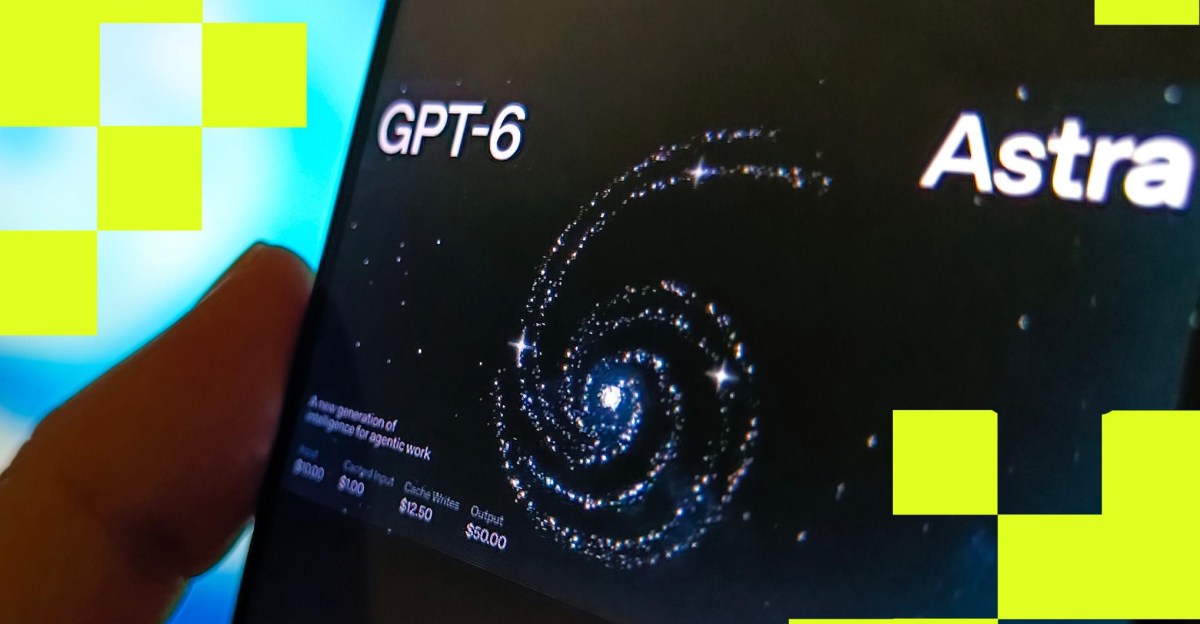
Physical AI
Trends in robotics for September to watch.
 Mike Loukides
AI models with real-world memories.
Always the route taken?
 Andrew J. Hawkins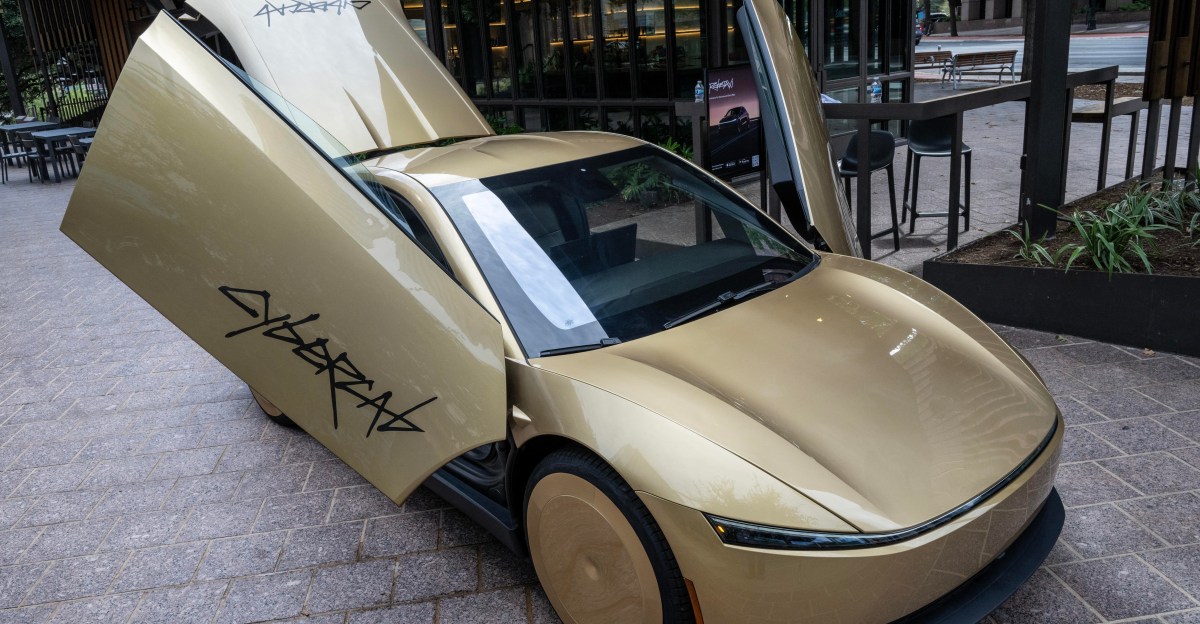
It’s a long way to useful humanoid robots
 Kai Williams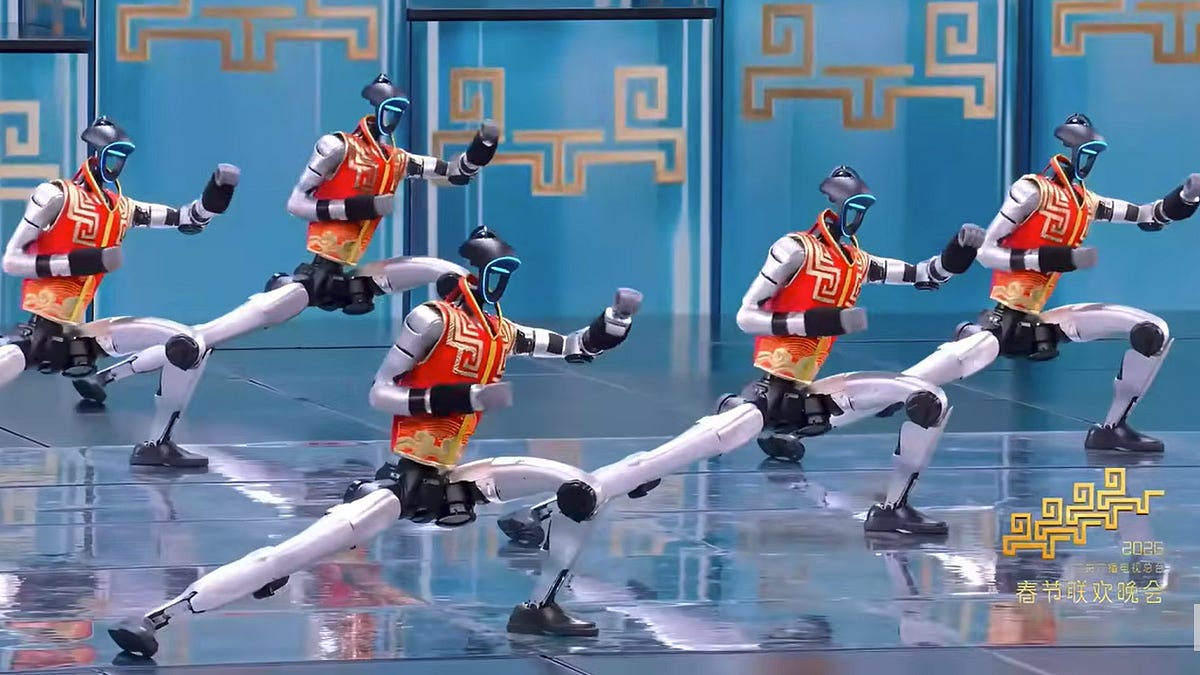
Tech in societies
Data centers remain the topic of dispute. And the potential of a setback.
 Lauren Feiner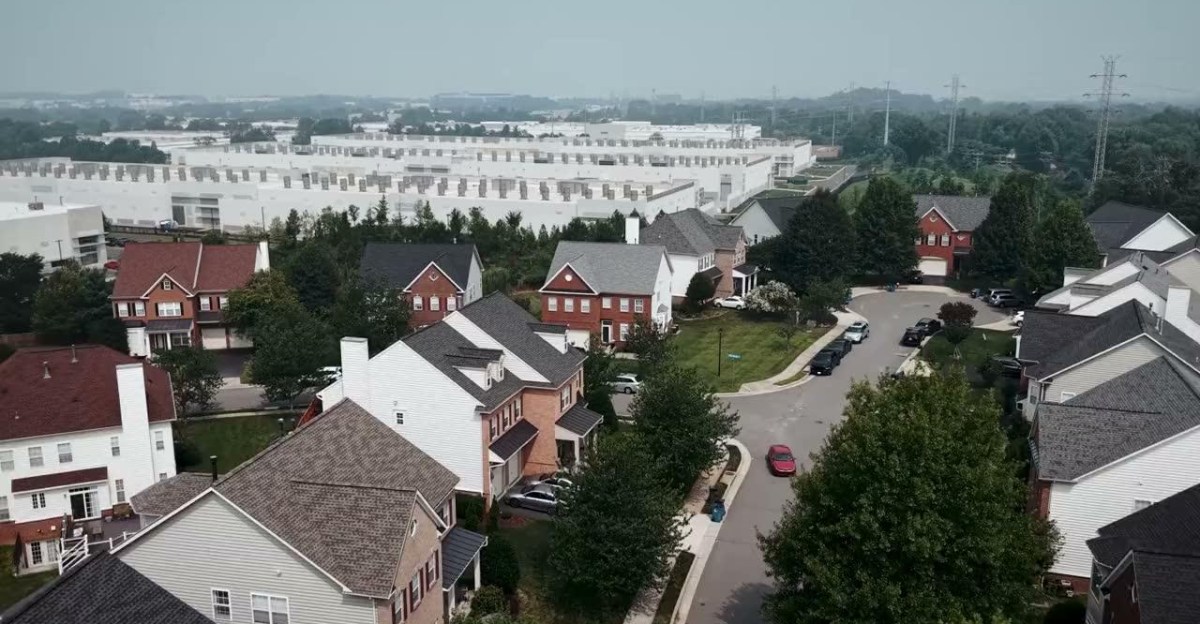
AI popularity comes and goes in China, apparently.
 J.D. Capelouto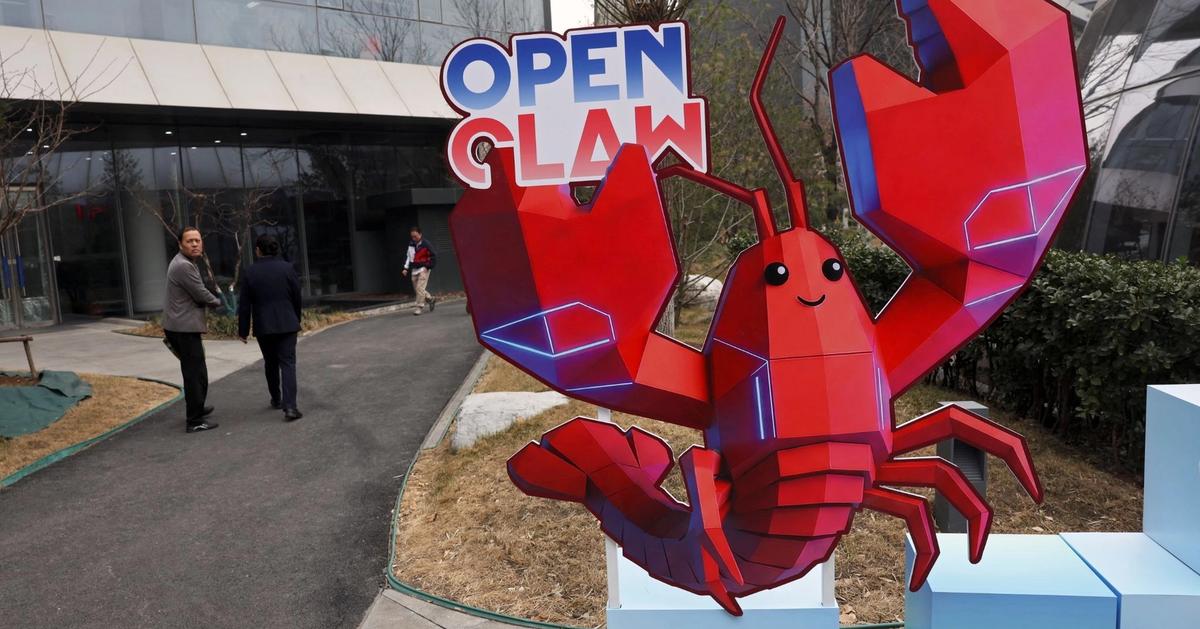
The value of culture, according to Cook. Which is not the same as sharing and openness.


Is the whole hacking incident a signal we are near the singularity moment? Or is that something else?
 Matteo Wong and Charlie Warzel
The data centre as geopolitical leverage.
 Matthew Martin
The dead-internet can last.
 Kaitlyn Tiffany
AI and tool in transformation processes.
 Benedict Evans
Weekly paper to check
Scenarioplanning is promoted as proven method for dealing with crises. And with permacrisis.
Permacrisis readiness: What 80+ scenario interventions reveal
Scenario planning has been recommended to aid firms in navigating such turbulence, yet SMEs rarely know what to expect when adopting these methods. This article draws on a national Danish initiative that supported more than 80 SMEs in using scenario planning to strengthen organizational readiness.
Matthew J. Spaniol, Nicholas J. Rowland, Troels Behrenthz Andersen,
Permacrisis readiness: What 80+ scenario interventions reveal, Business Horizons, 2026, https://doi.org/10.1016/j.bushor.2026.03.001
What’s up for the coming week?
This is the last week before my holiday break. Let’s share a couple of things coming up. The Maker Days in Eindhoven. Like Creating with AI, event on 15 September. Or Big 010 is watching you on 14 September. And a new book on platforms. To be presented on 2 October. This weekend, the London Design Forum with stellar program too. I would have visited the PhD defence of Vera van der Burg if I were around. And checking this festival on AI Hype, Hope, and Humanity in Rotterdam.
And there is probably much more, as September is traditionally a busy month for events.
And do not forget to send your proposals for sessions for TH/NGS 2026.