Hyperpolitics in an immersive AI world
Weeknotes 400 - The concept of hyperpolitics and immediacy culture are signs of the times. Amplified in the immersive AI reality. What’s next? With human-picked captures from the news on physical AI and beyond.
Dear reader!
Weeknote our hundred. A nice round number. About 8 years of noting and collecting them in these weekly overviews. Changing format, platforms, and theme now and then. And it changes in the way I produce these. More and more conversational, literally, specifically for the triggered thought. Nicely described by Every.
It made me realise, watching a car brand presenting a new AI-pilled car looking up the best food spots in a natural conversation (it is the archetypical use case), that the car can be a spot for that conversation. I find it a great spot to do my brainstorms, but I'm wondering if that also can become more of a fellow traveller conversation. Now it's a capturing device, not a debating one. I need to try that as well. It was during a presentation I gave for a client of Design Thinkers Academy, on the new findings about immersive AI and the manifesto, applying it in a speculative design.
I watched The Odyssey and was not blown away in all senses (review). There have been little movies that triggered me to watch so many people talking about it in podcasts, etc. This and this, and also this one. This was the latest, very nice one.
Week 400: Hyperpolitics in an immersive AI world
Triggered this week by a concept called hyperpolitics. It comes from the Belgian historian Anton Jäger, whose new book of that name describes a public life with more political engagement than ever. People mobilise fast, take a position, move on. What's thinning out isn't the passion, it's the institutions that used to turn passion into anything durable: unions, parties, local associations, the slow machinery of actually getting somewhere. Jäger points to Italy, the US and, notably, the Netherlands as places where this plays out clearly. Whether that ends in useful turmoil or just noise, I don't think even he claims to know.
A year ago I was presenting about immediacy culture in relation to agentic AI. Immediacy as the marketing logic where satisfaction has to be instant, attention spans keep shortening, and platforms are engineered for a steady drip of small dopamine hits. Hyperpolitics looks like that same logic, applied to civic life. Quick outrage, quick cause, quick next thing. And it's worth asking what happens when the systems serving us that drip stop being mere algorithms and start being something closer to agents. Reading us, adapting to us, nudging in real time. The tools for hooking attention are getting a mind of their own.
Then there's the layer of physical AI. If our computational environment is being tuned for hyper-engagement, and that same intelligence starts showing up in the objects and spaces around us then the stimulus doesn't stay on a screen. It becomes ambient. A hyperpolitical culture inside an immersive one seems like a combination worth being a little uneasy about.
But there was a counter-signal this week too, and it's the more hopeful thread. For fifteen years the internet's business model has been attention. Every feed, every feature, built to hold eyes. That model assumes the eyes are human. But more and more they're not: AI agents are now the ones reading and summarising content on people's behalf. Cloudflare's new AI Crawl Control, which lets publishers charge bots for access, is one early attempt to deal with the fallout. The buying power still sits with people, not their bots, so the old attention economics start to wobble. My tentative hope is that this pushes value back toward the content itself. Its accuracy, its craft, its human fingerprint, rather than its sheer stickiness. It is already indicated that the next wave of "influence" belongs to people with something real to show, not just a knack for holding attention.
That hope connects to the theme we're shaping for this year’s ThingsCon: the idea of Things that Care. Could the systems around us — the models, the interfaces, eventually the physical objects — be built with something like care for human values at their core, the way "don't be evil" once tried to function for an earlier internet? I'm honestly unsure whether that becomes real design practice or stays an unmet aspiration. Left unaddressed, we're heading toward disillusionment, as AI-generated content increasingly feeds on itself.
The current polarised political leaders are extraordinarily good at surfing waves they didn't create. Swap the surfer and the wave keeps moving. Which is either discouraging (no single lever to pull) or oddly hopeful: it means the work is systemic; building civic, relationship-based value models, small coalitions, can all make a difference.
Notions from last week’s news
The aftermath of the autonomous hacking AI continues. In questioning security mainly. Rogue AI did a hit-and-run on more than just one other platform. Of course, the problem was primarily human choices made by OpenAI, but that makes it no less worrisome. Even more. And is not helpful for trust in AI. Also more open letters. From tech employees.
Google shows how it can be two steps forward, one step back. The Google Earth saga.
Human-AI relations
Why does your AI lie and cheat? Reward hacking
 Grace Huckins
A practical guide for applying Claude for designers
 Sen Lin
Dig deeper and find a hidden treasure. An agentic one. According to Every at least.
 Mike Taylor
We used to have speculative designs on self-maintaining products, orchestrating services and alike. Now it becomes reality in self-publishing books.
 Will Oremus
Safer AI, aligned with human rights.
 Raquel Vazquez Llorente and Rafiya Javed and Vinodkumar Prabhakaran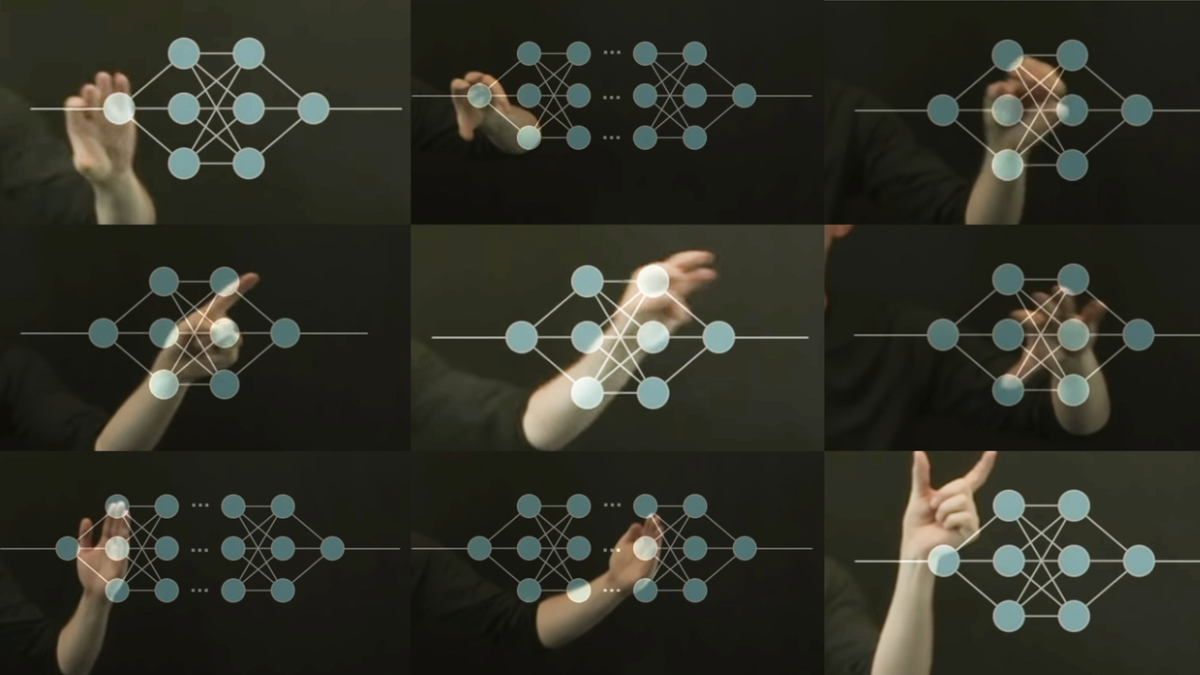
AI orchestrating AI, a concept imagined for some time, is now reality. CEO is right for the heading, but the actual role might be not so much the CEO.
 Laura Entis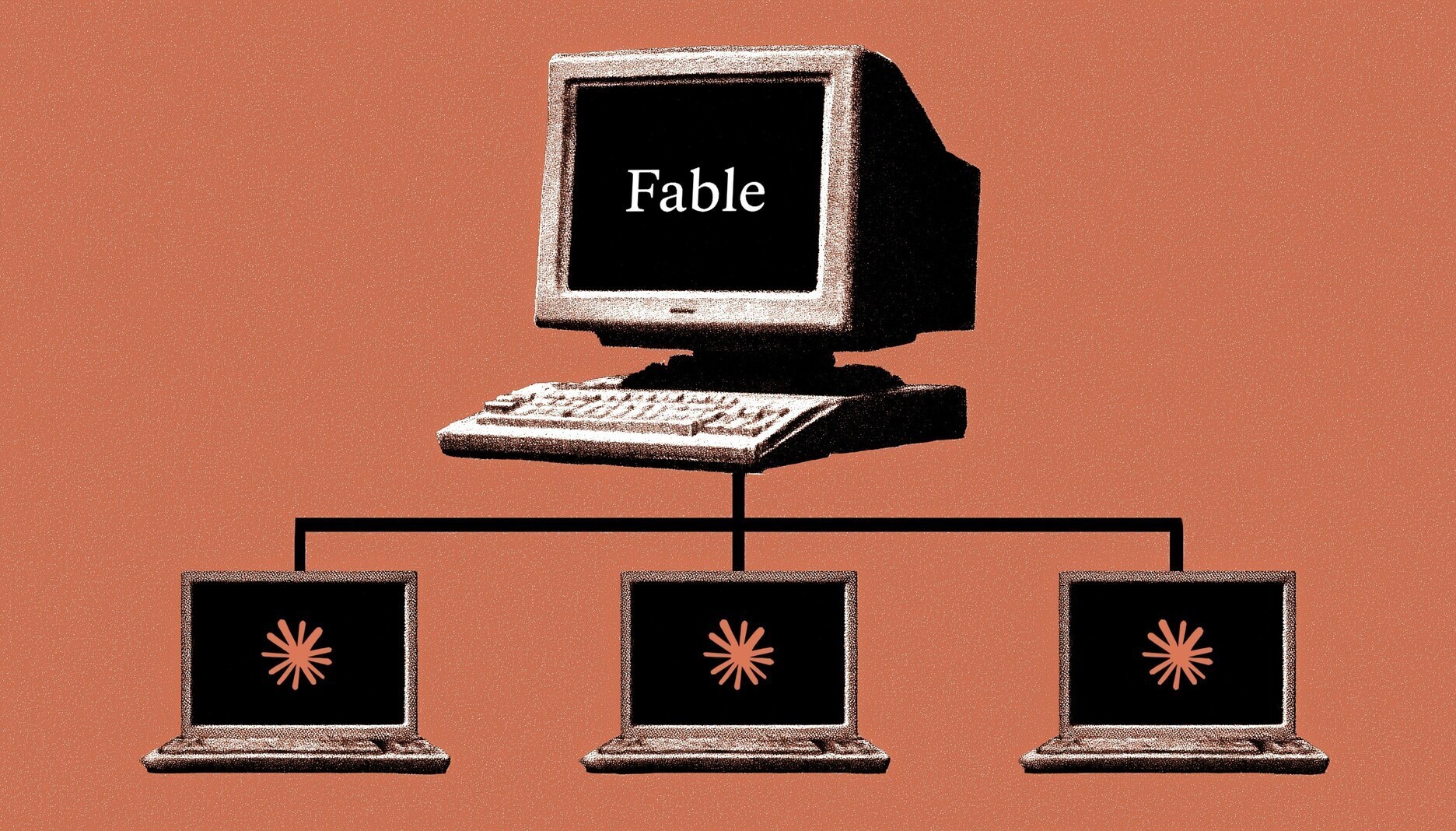
Is this possible, having your LinkedIn storyline without any AI slop nowadays?
 Jay Peters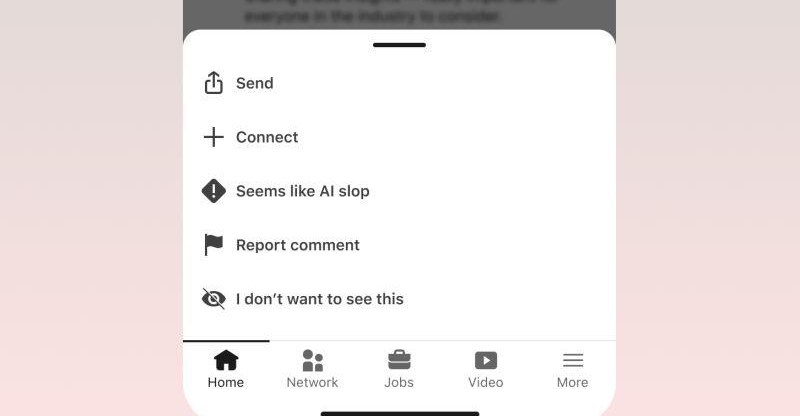
The challenge of agent control.
 Michelle Smith
The superapp gets AI.
 Emma Roth
Be aware of the hallucination busters
 Paul Esau
Physical AI
Not one device, a family of AI based conversational things. Apparently
 Stevie Bonifield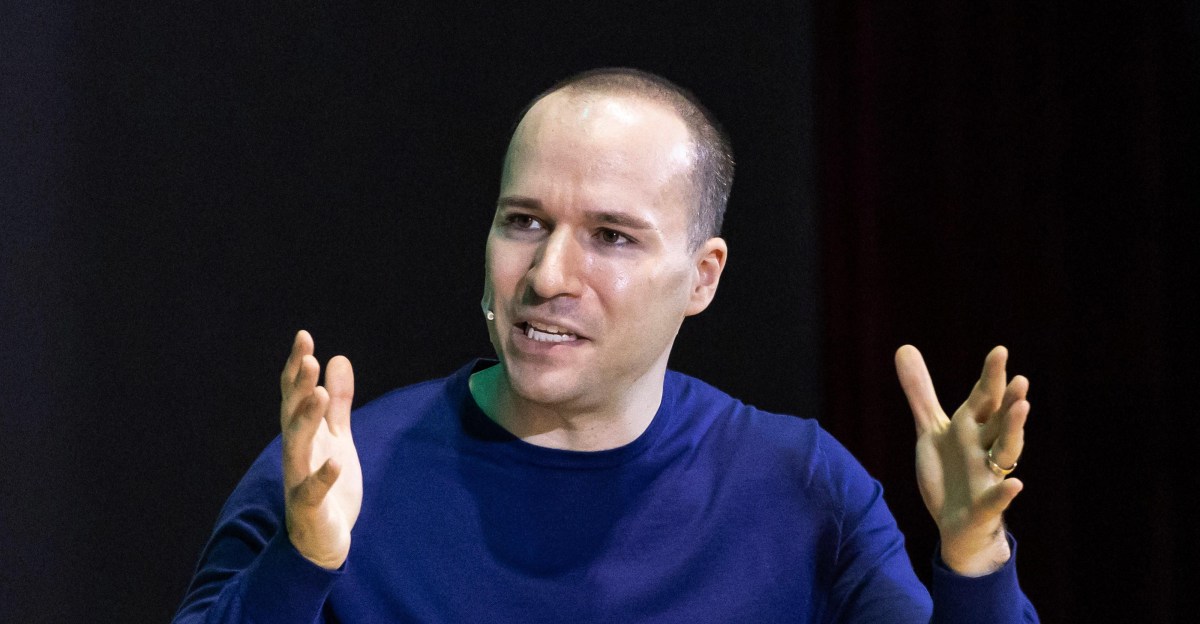
The season of a new AI glasses category starts to unveil. Samsung has it’s own too. Hopefully with a special starry nights function.
 Samsung
Google’s Deepmind is introducing a new AI model to operate their robots.
 Emma Roth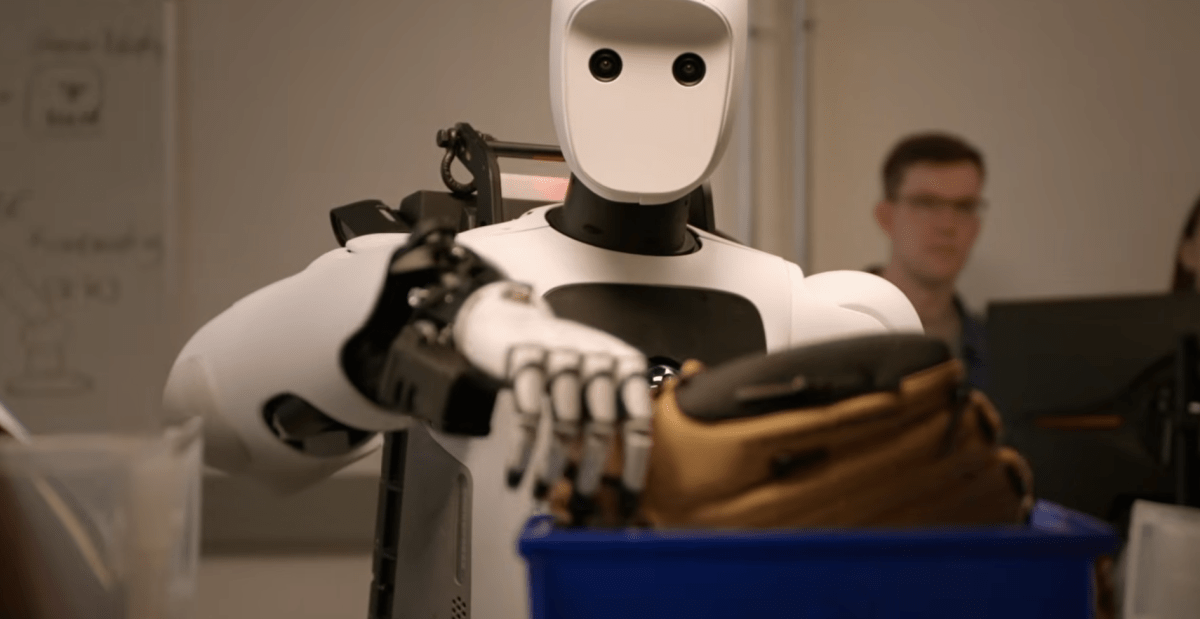
Connect your environment, one piece at a time.
 Jay Peters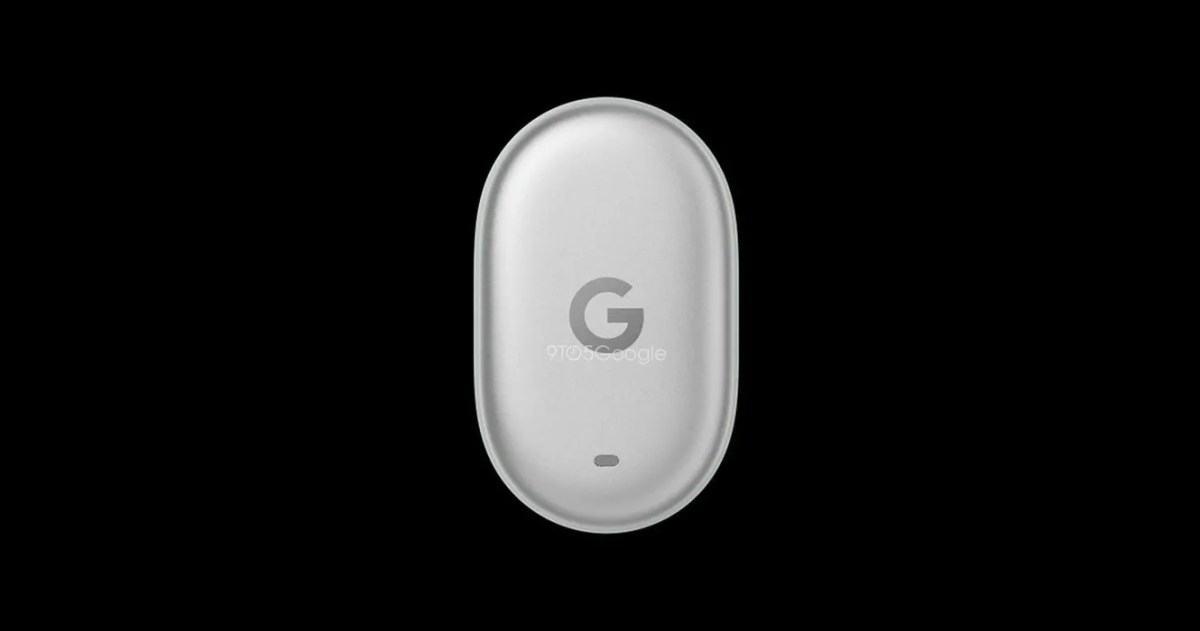
Can be more rich.
 WIRED
WIRED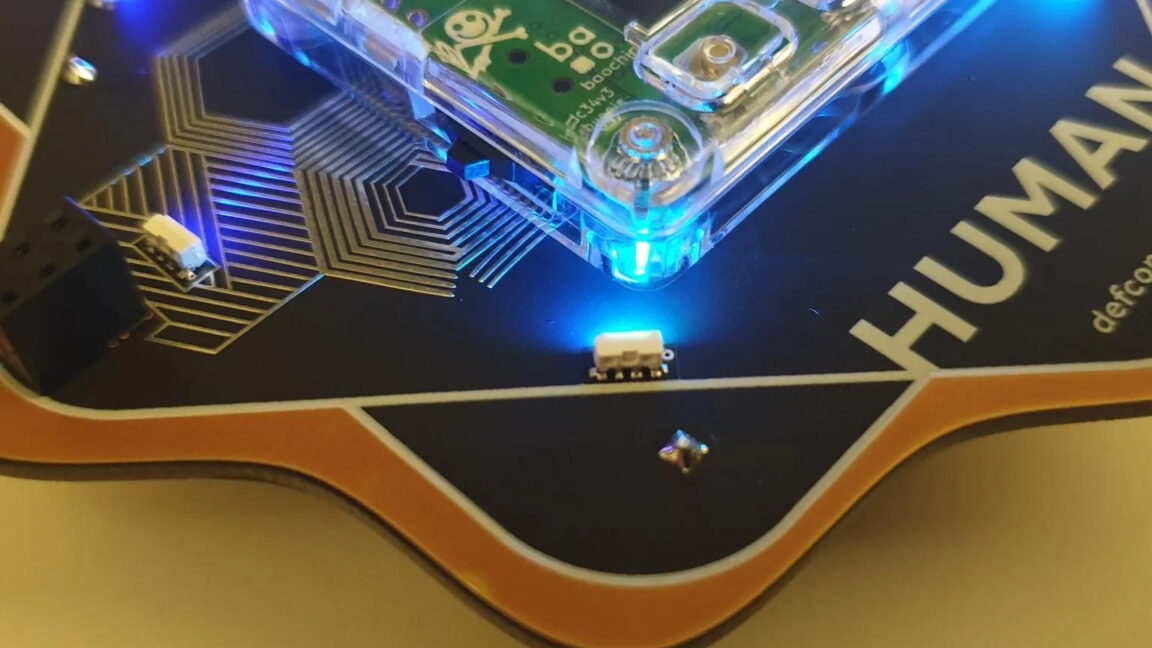
After cars, the next playing field is humanoids. But how about drones? And what will humans do?
 J.D. Capelouto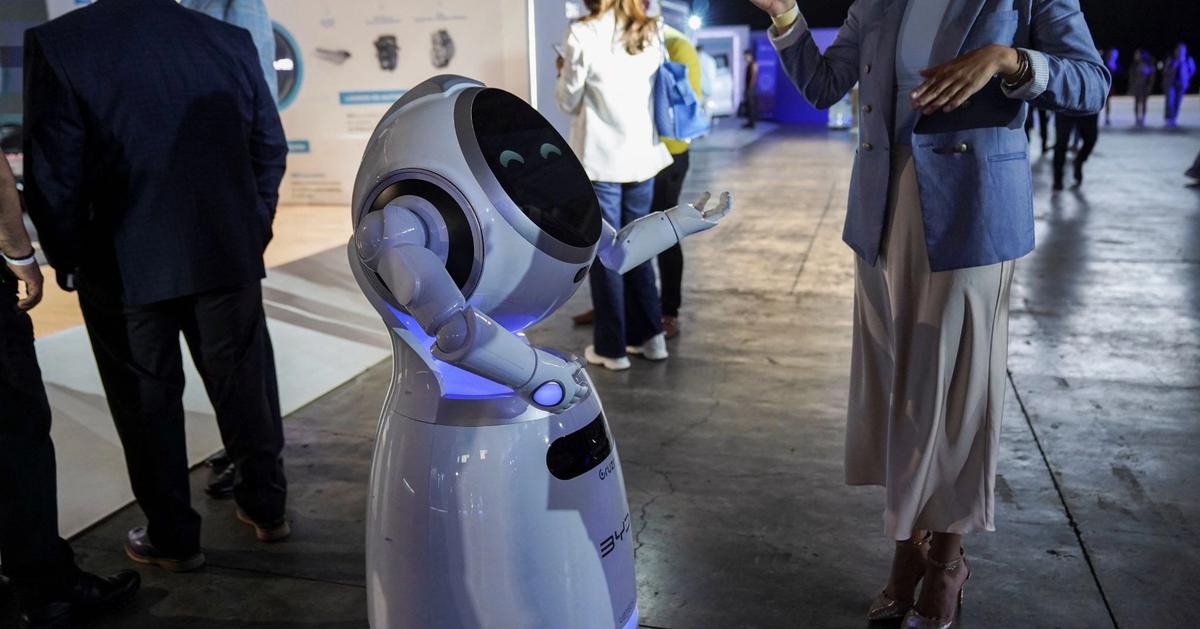
 DoorDash
 Alex Bitter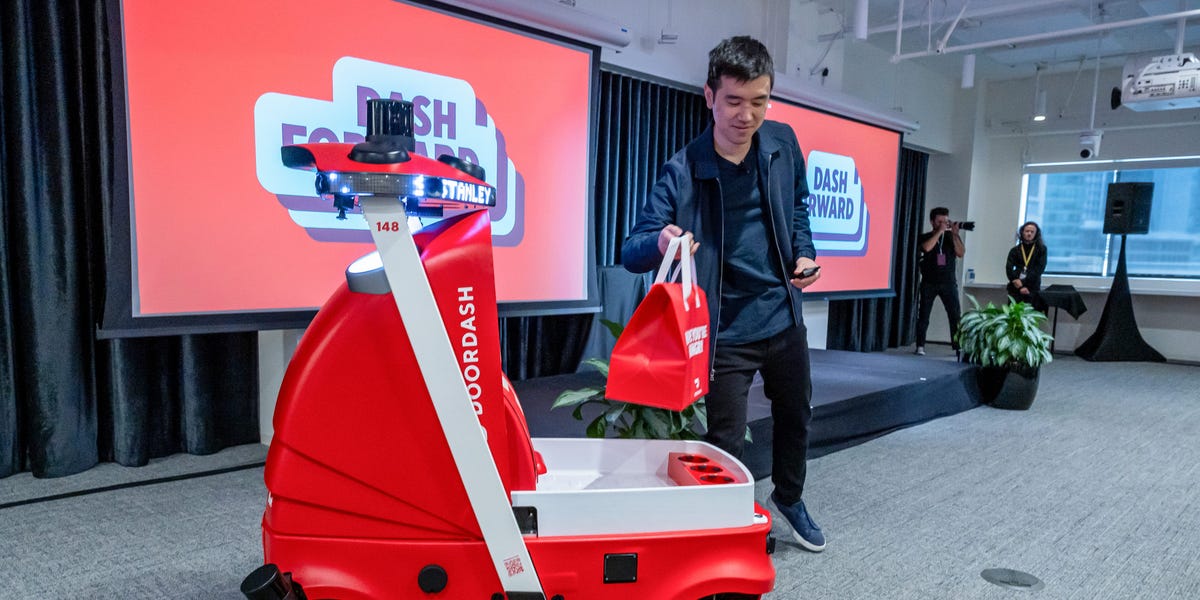
Tech in civic societies
Not so popular with younger people. Ai. Next up, luddities…
 Morgan Chalfant
 The Editors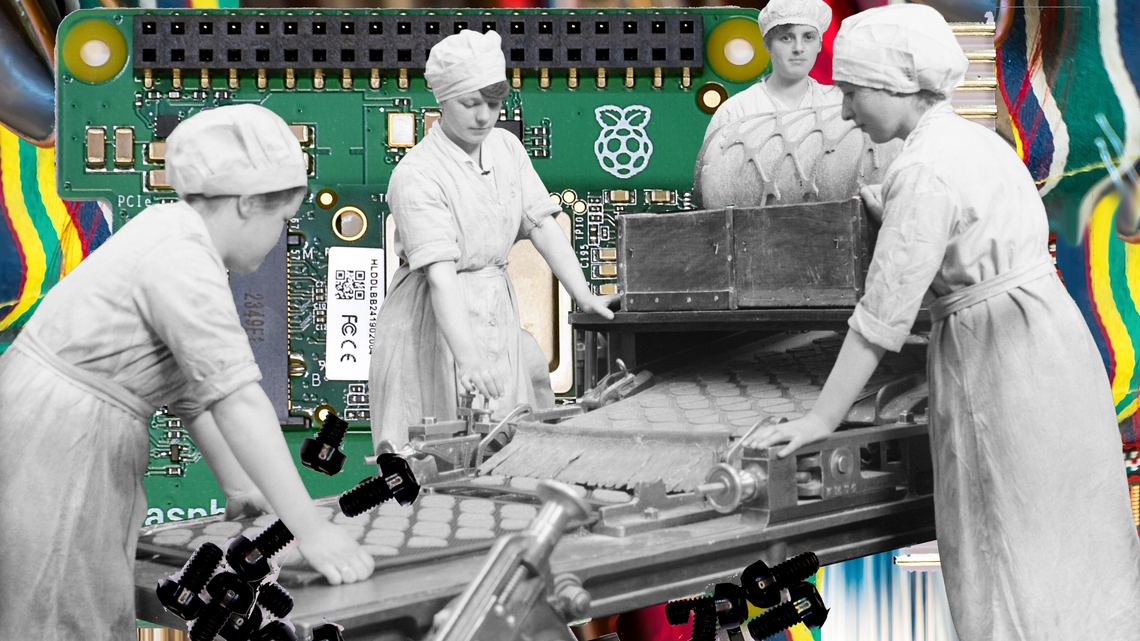
"In such a world solidarity is embedded on the chip that runs your hardware wallet, smart objects, machines and physical AI."
 Rob van Kranenburg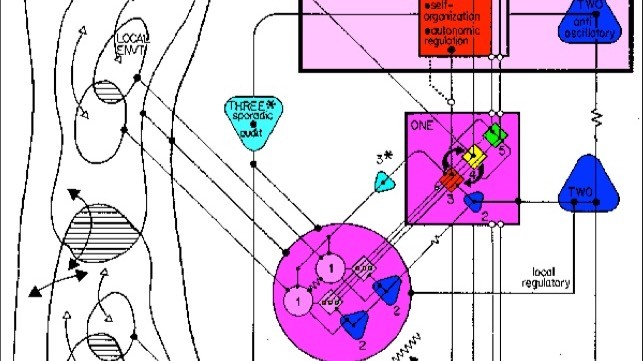
Token diplomacy might become a central topic for 2027.
 J.D. Capelouto
Nimby.
 J.D. Capelouto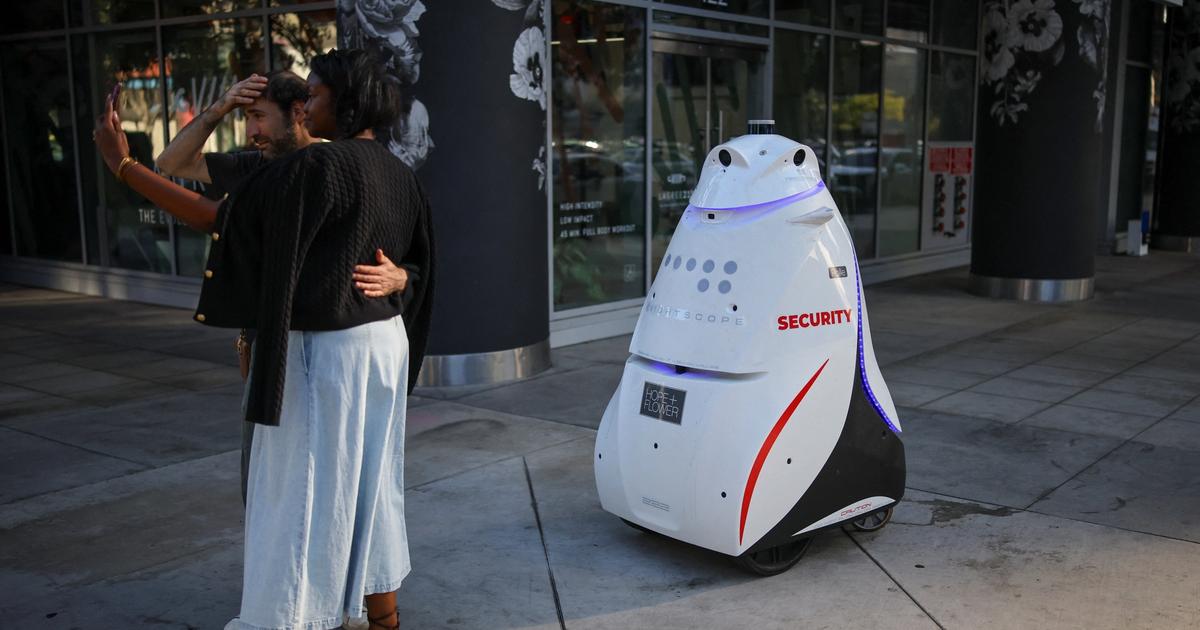
Which visionary says this…
In the next few years, people will be able to use superintelligence beyond human capacity to create and discover extraordinary new things, build new businesses, express our ideas, learn new concepts, and improve our lives, health, relationships and careers.
 Jay Peters
 Matteo Wong
 Derek Thompson
A long read on AI as an enterprise OS. “Dan Guido argues companies must move from using AI as a simple tool to rebuilding workflows so AI is a core teammate.”
 Tim O’Reilly
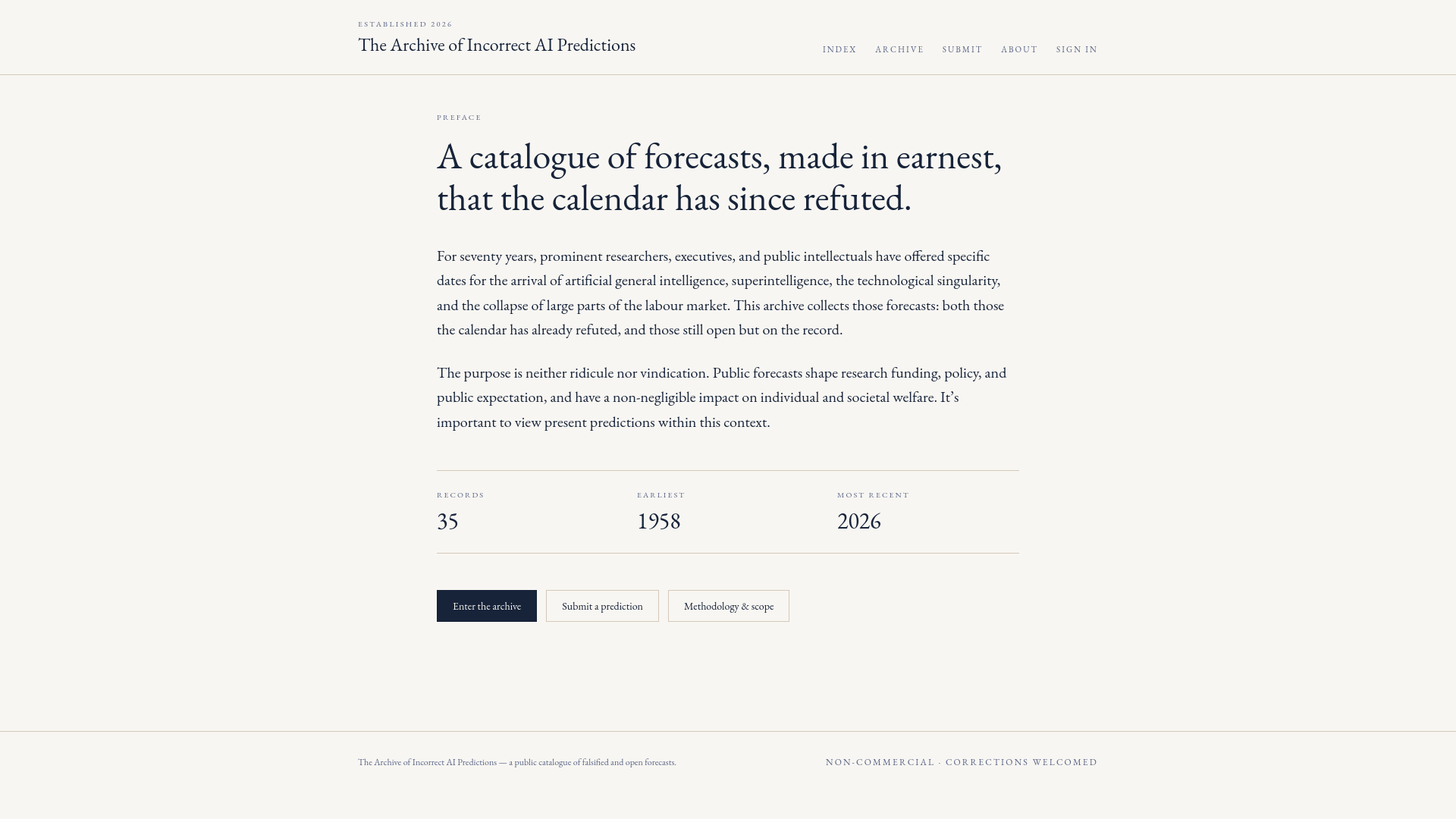
Predicting the future is a valuable exercise that is not a precise science. But still nice to keep track of the progress.

Weekly paper to check
Your Brain on ChatGPT: Accumulation of Cognitive Debt when Using an AI Assistant for Essay Writing Task
This study explores the neural and behavioral consequences of LLM-assisted essay writing. (…) Over four months, LLM users consistently underperformed at neural, linguistic, and behavioral levels. These results raise concerns about the long-term educational implications of LLM reliance and underscore the need for deeper inquiry into AI's role in learning.
Kosmyna, N., Hauptmann, E., Yuan, Y. T., Situ, J., Liao, X. H., Beresnitzky, A. V., ... & Maes, P. (2025). Your brain on ChatGPT: Accumulation of cognitive debt when using an AI assistant for essay writing task. https://doi.org/10.48550/arXiv.2506.08872
What’s up for the coming week?
Some pleasant meetings ahead. Discussing new plans for ThingsCon, and fleshing out existing ones. Among others. Also planning to visit this small exhibition in Eindhoven. And see if I can visit some pride expos.