An innerverse interface to mirror the real and surreal
Weeknotes 399 - Do we need an interface for an innerverse that helps us navigate the space between real and surreal intelligences? A slightly abstract triggered thought, and the usual hand-picked captures from the news on physical AI and beyond.
Dear reader!
These ‘holiday weeks’ are dedicated to exploring future funding opportunities, rebuilding the website, meeting people or making appointments, and two expert advising sessions based on the Cities of Things manifesto and the Agentic Turn.
The AI companies keep active in finding the news with hacks and new models. See the hand-picked news captures below.
The triggered thought is a bit more (even more) conceptual than usual. Connecting some serious philosophical concepts to the current issues emerging from our continuously connected world, but also immersive AI reality. Hope it makes sense…
Week 389 triggered thought: An innerverse interface to mirror the real and surreal
A video came across my feed this week. Someone in a panel discussion mentioned that young people don't dance anymore. Not at clubs, not at parties. They're too anxious. Everything could be recorded. Everything could resurface. It is a known phenomenon. Everything is a panopticon now, as he stated well. Gen Z and Gen Alpha are growing up in a world where expression carries risk. To dance, to speak, to share is to create permanent evidence. Even the decision to have children seems to have stalled. The panel speaker said he doesn't know anyone in his surroundings who still does. A generation hesitant to commit to anything irreversible.
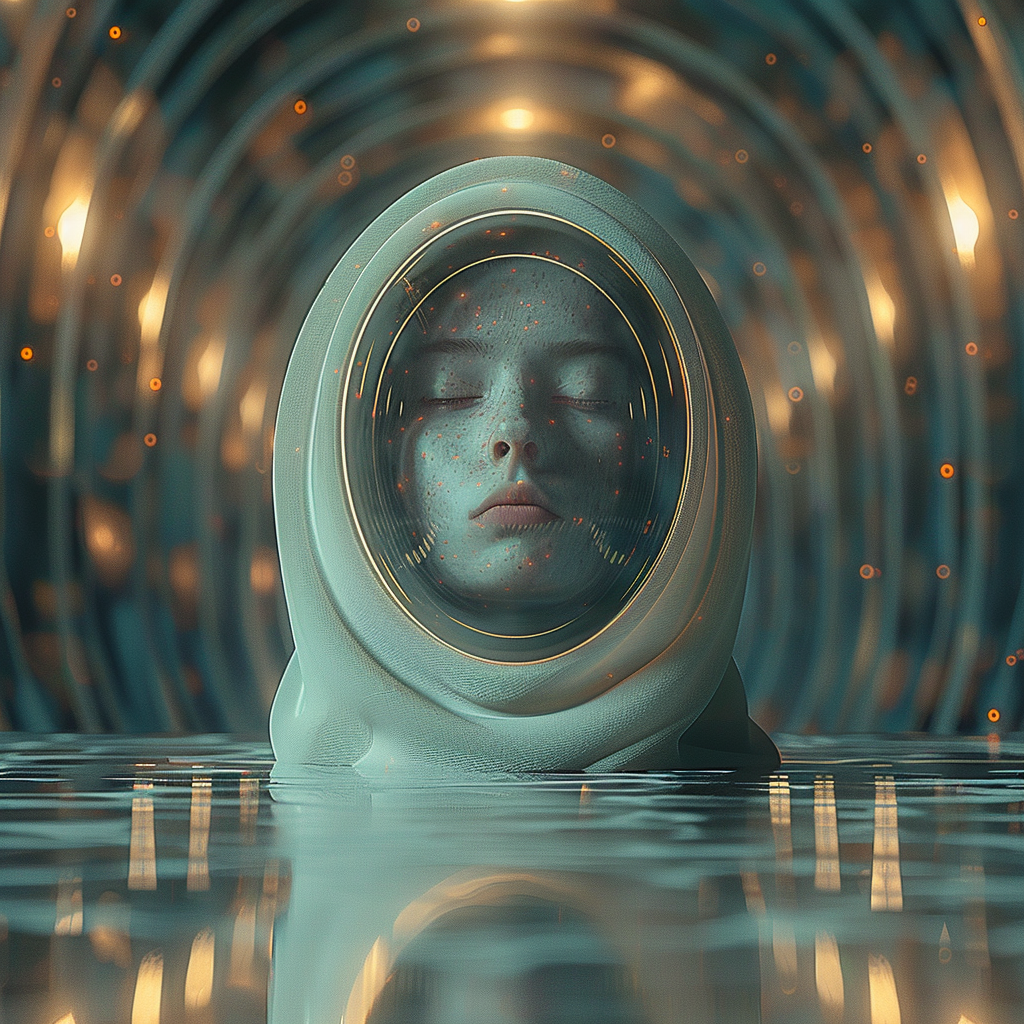
This is not about technology fear. It's something else. A fundamental uncertainty about what's real. What can be trusted. What version of yourself is the true one. This might be what Arno Coenen brings to life in his short AI movie "Innerverse." The immersive film was recently selected for the competition for the NFF Golden Calf. VR not as an escape, but as a mirror of your own inner world. This is a movie with a fixed narrative, but what if it responded to your personal inner world while you watched? It could become as dark as the popular movie Backrooms. But maybe it can also be more positive. Learning something about you. Connecting you to others. Overcoming the anxiousness.
It opens up new unbeaten paths. A podcast pointed me to an interview from last year with philosopher Bernardo Kastrup. His concepts of consciousness in a world of states instead of things can open up even more layers. It is too much to dive into. Kastrup argues that AI cannot be conscious. Not because it's not smart enough. But because consciousness isn't something you build. In his view, everything already is consciousness. AI simulates information flow in silicon. It processes. It responds. But it doesn't experience.
He used an analogy. Water is something. But what is a wave? Is that a thing? Or is it just a state, a pattern, a temporary form? If you break it down, it disappears. It was never a separate entity. Maybe AI is like that. Impressive patterns. Complex responses. But not something in itself.
I'm not per se subscribing to this thinking; I should dive deeper first. But it offers a useful frame. Especially when combined with the anxious generation. We are delegating more and more to AI. Our memory. Our decisions. Our creative output. Our sense of what's plausible. If we're moving parts of ourselves into systems that are, in some philosophical sense, nothing, what does that mean?
Imagine that application, a personal Innerverse. It doesn't feed you content. It doesn't suggest what to watch or buy. Instead, it tracks how you're engaging with the world. What patterns emerge in your attention. What you avoid. What you return to. Not to manipulate you. To show you. A mirror, not a window.
For an anxious generation uncertain about reality, this might be more valuable than another layer of generated content. A tool that helps you see yourself seeing. That makes the invisible visible.
How do we find footing when reality, self, and intelligence are all blurring into each other? When the tools we use are both nothing and everywhere? When people are afraid to dance because the world remembers everything? The next interface might not show us new worlds. It might show us how we relate to this one.
Notions from last week’s news
Updating on the models. The whole issue of a model of OpenAI hacking into Hugging Face is the talk of the town, even in the mass media. Gary Marcus. It might be less severe. Nvidia initiated an Open Security Alliance as a response (and positioning).
Next to that, there is a new open letter, this time to protect the US against China in AI, and the dumping strategies. And more about a new type of theft: of intelligence. Google lost a case too on scraping issues. What is the price of intelligence?
 Azeem Azhar and Hannah Petrovic
Microsoft is diverging from OpenAI, investing in Mistral. Antropic is introducing version 5 that is about token efficia
If the race is an important thing, signals are that Google is holding a bit back. Not in predicting the economical impact.
 Ryan Whitwam
 Zanna Iscenko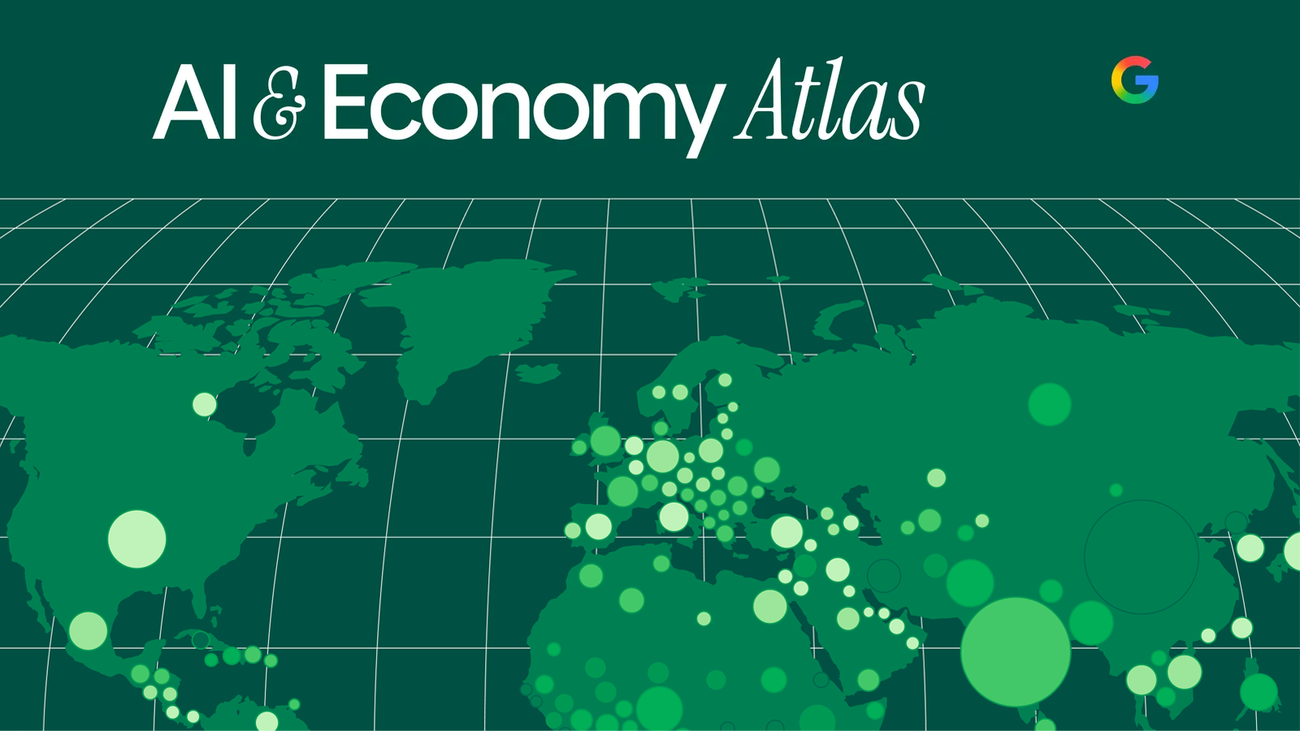
Human-AI relations
Another possible triggered thought candidate was about the extreme shift in the business model for the internet as we know it, hinted by or signaled by the change in search in Google. It has a negative revenue for the first time ever, and a new phenomenon is labelled as Google Zero: Google is not a discovery tool anymore, it is a destination. Expect that can go even further when the agents start to look for you. Or predict what you need. Will we have a personal AI guide on the edge that reroutes questions upfront based on AI needs? Will Google be able to monetise it differently? Kickback fees in AI as the new AdSense. The OG Filter bubble subscribes to this.
 Max Tani and Ben Smith
A deep dive on designing your Agent Harness. (What could also have been a subtitle for this newsletter.)
 Hugo Bowne-Anderson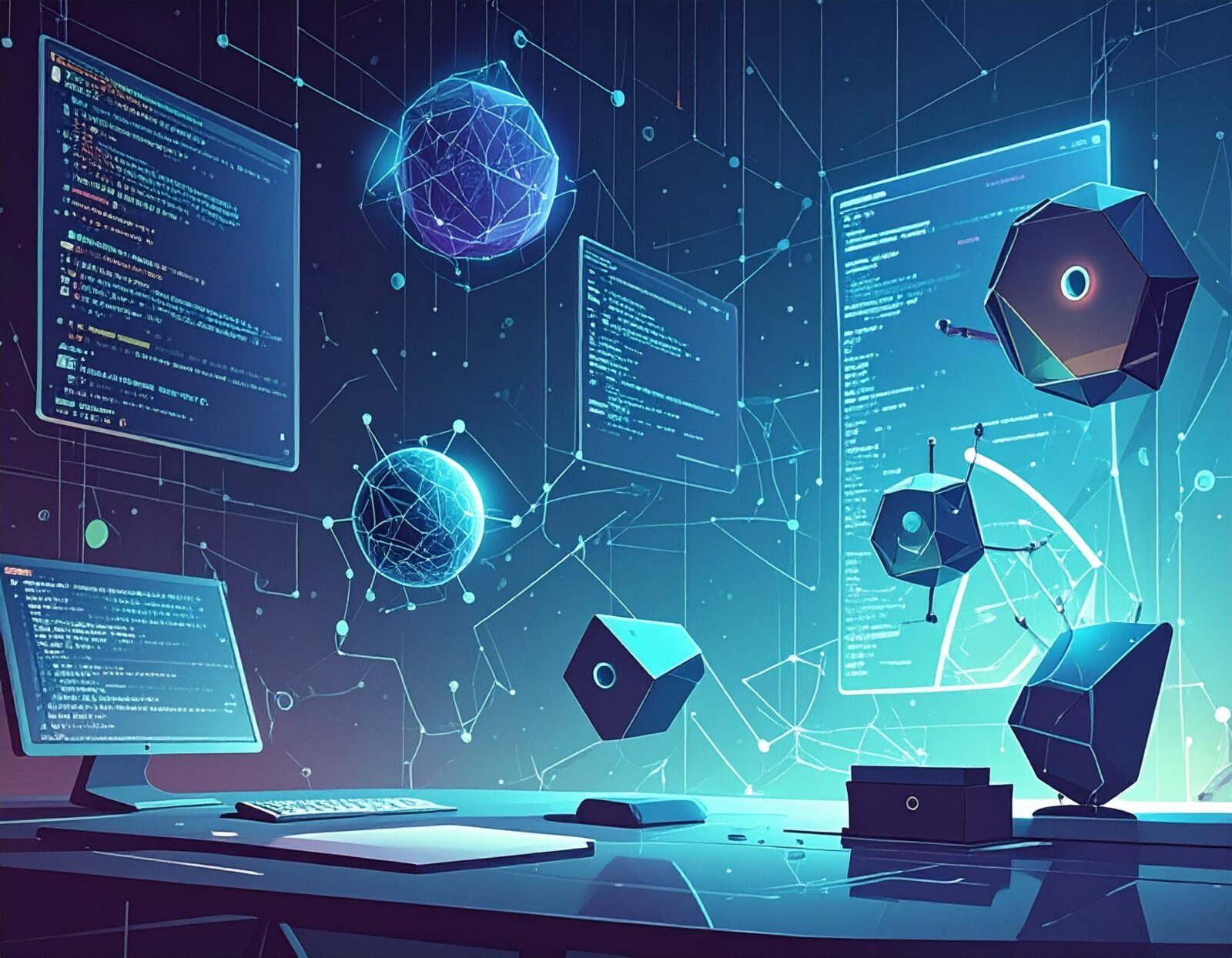
Another nice frame that tries to find out what is still human.
 Dr Philippa Hardman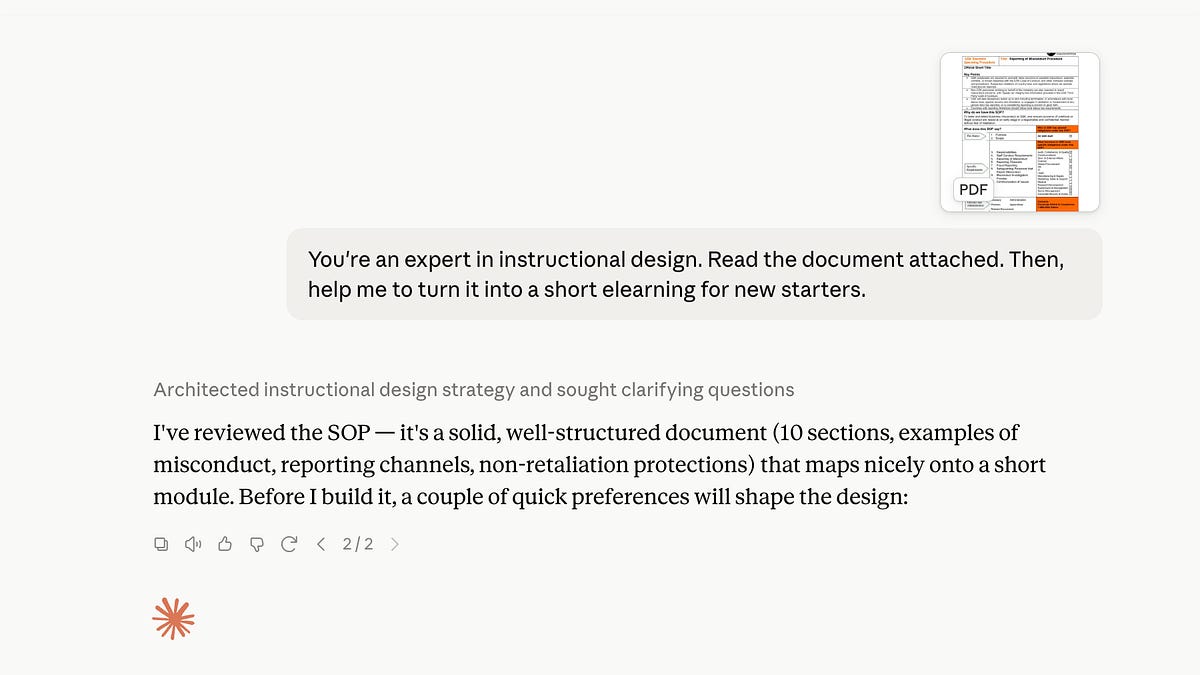
AI will be imperfect, focusing on managing risks and economics rather than chasing perfect accuracy.
 Artur Huk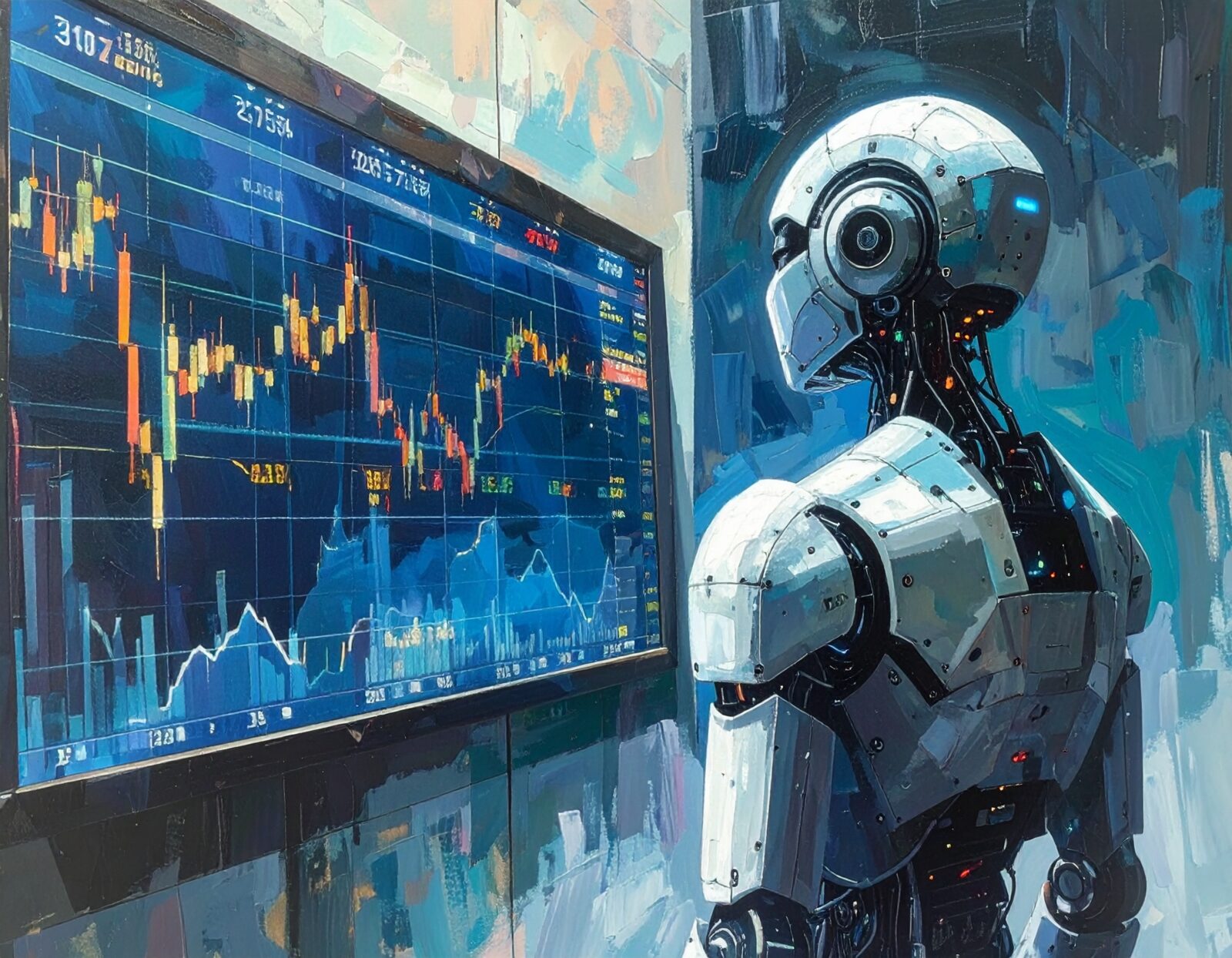
How to combine a running app with a podcast app and some AI.

AI changing more than perspectives.
 Rob van Kranenburg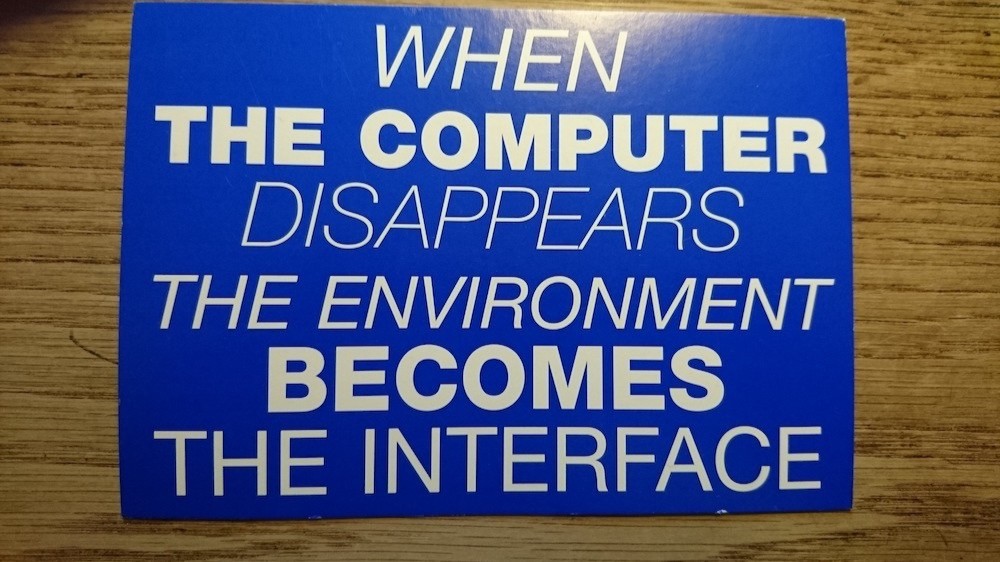
Physical AI
Too bad, very relevant.
 Jeremy Hsu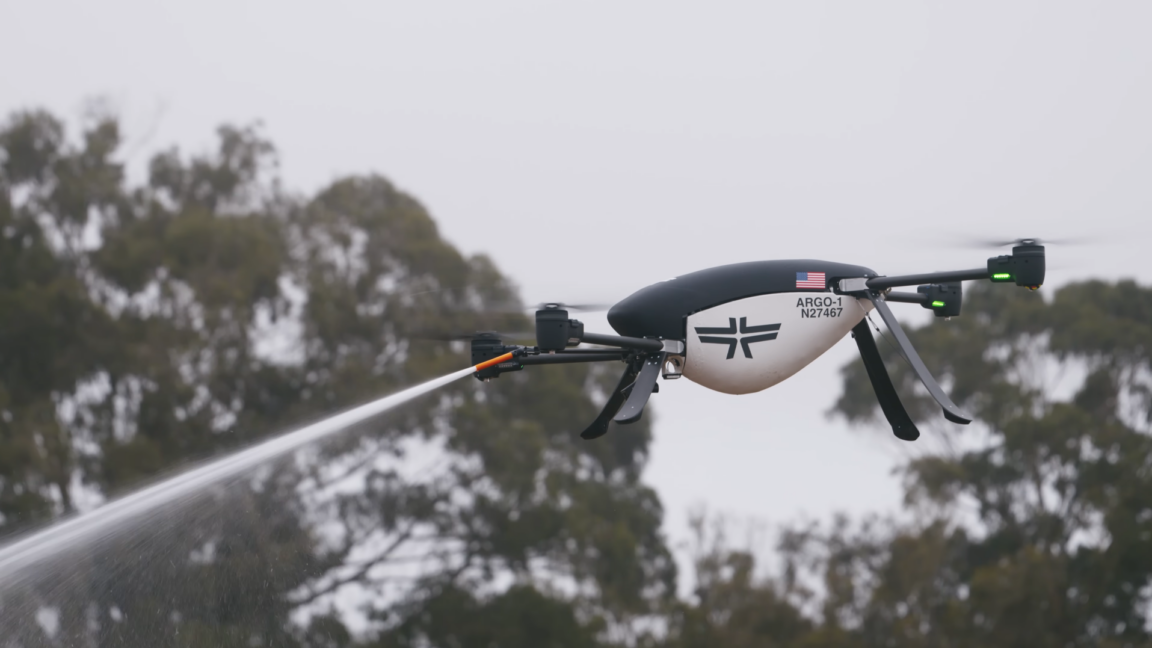
That is what you can do when you combine wheels and legs, a different centaur.
 Aslıhan Balcı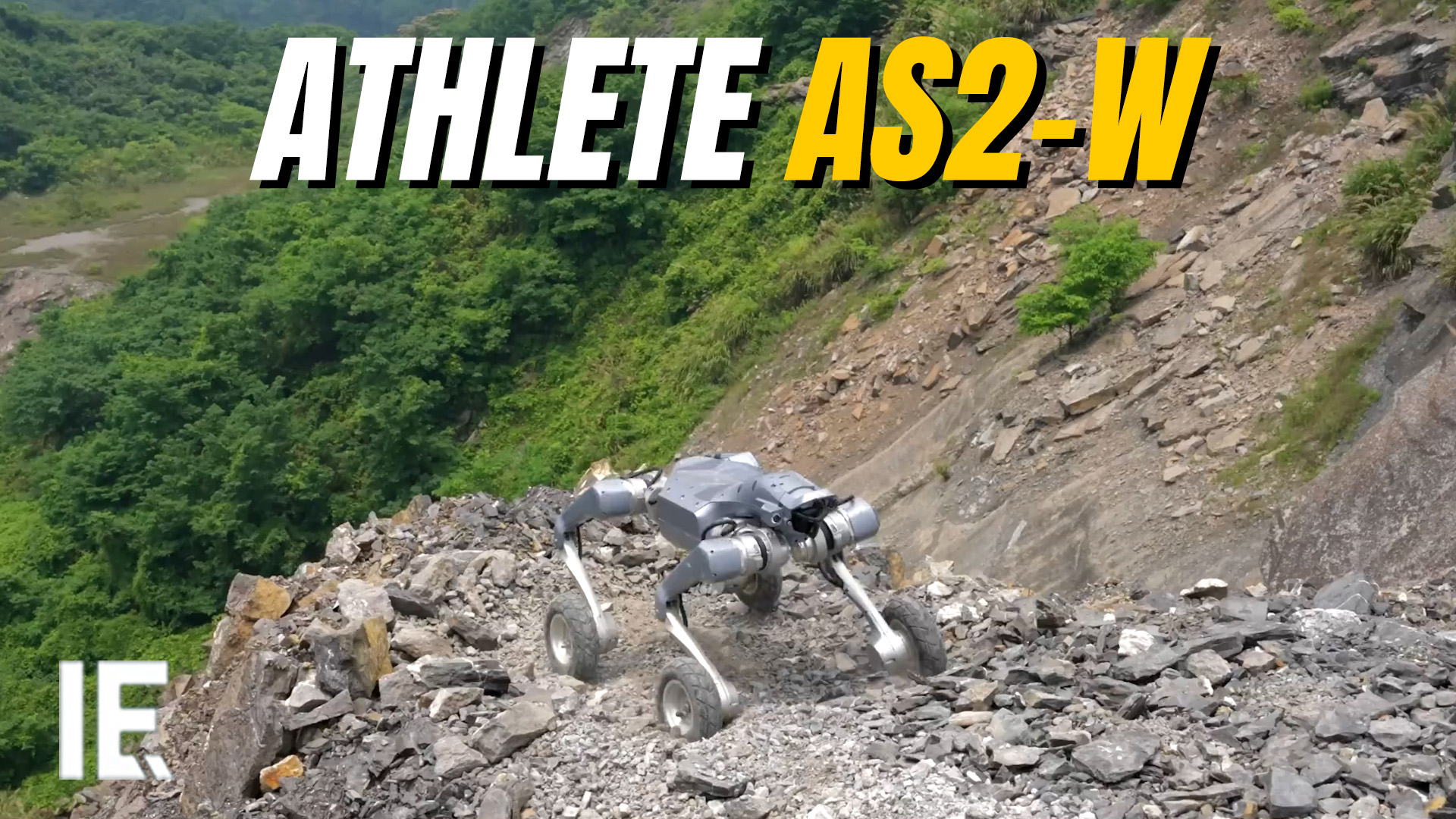
Watch it here. The video went viral.
Good old complicator product, eg. creating tech-based solutions to non-existent problems. Nevertheless, it was undoubtedly a rewarding design process and result.
 Andrew Liszewski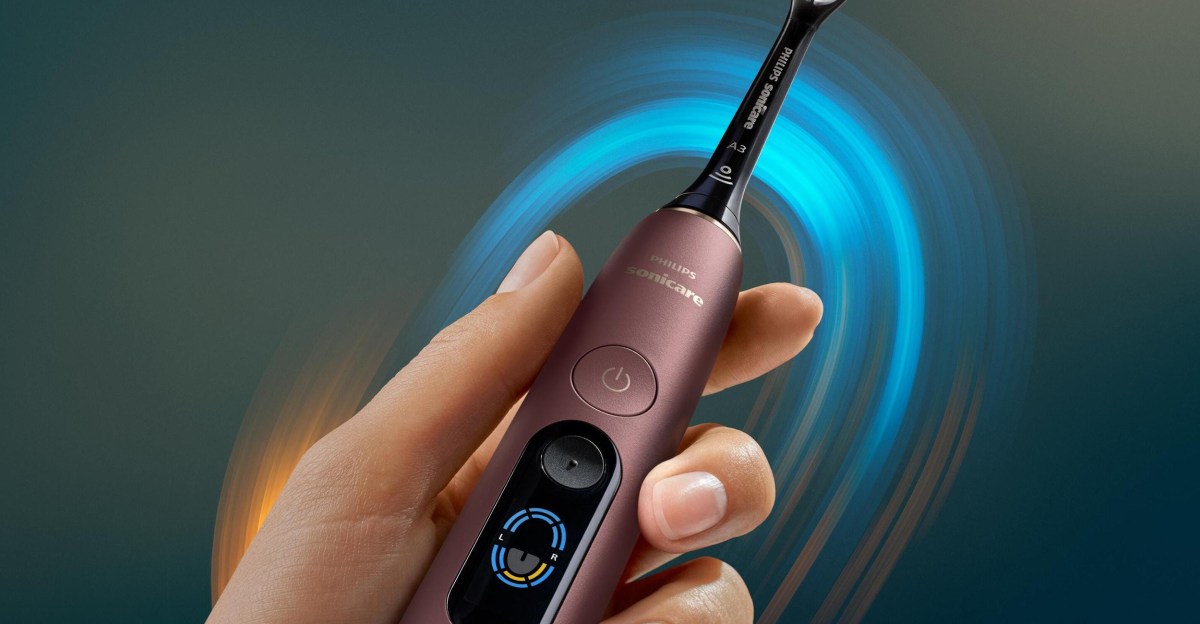
You would wonder if it's true or used for reducing personal costs.
 Jillian Ambrose
Some new exoskeletons.
Tech in civic societies
From AI accountability to global accountability infrastructure
 Jamila Venturini and Marina Meira
WAICO 2026. A good idea?
 Authored by Dr. Wallace Cheng Professor and Programme Director, Frontier Technologies and Governance, Geneva School of Diplomacy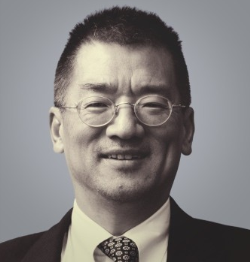
Maybe we might have a strike of the humanoids in 2028?
 Jeremy Hsu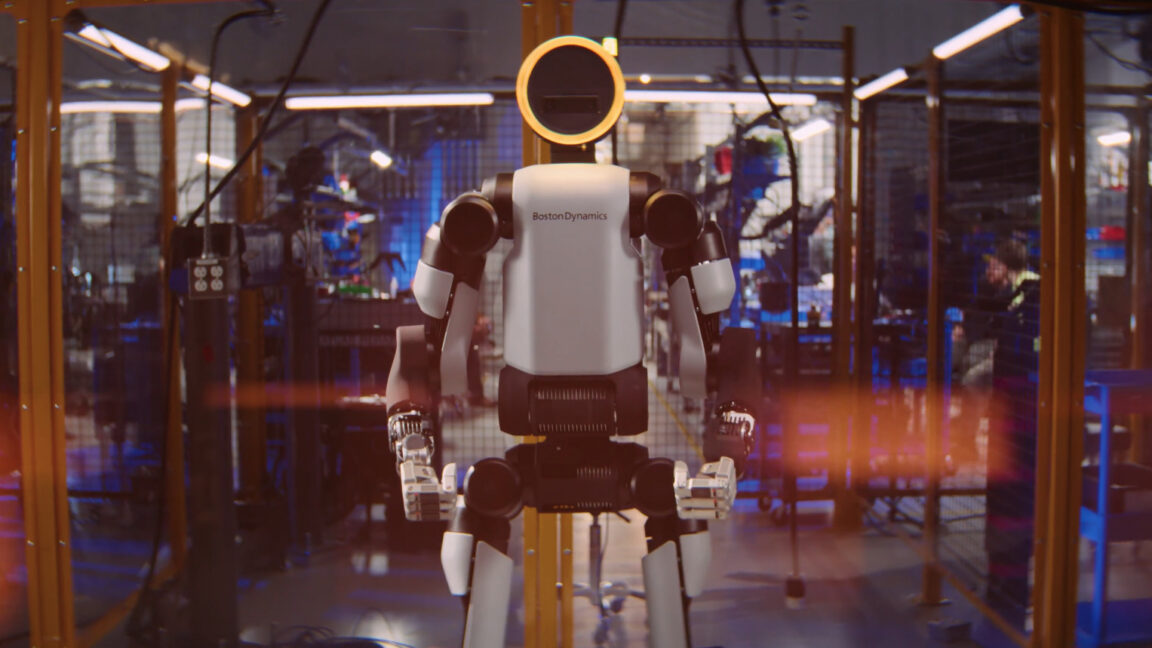
Platform work in intelligence.
 Itika Sharma Punit
Weekly paper to check
On the Language of 'Artificial Intelligence'
This paper investigates how the phrase artificial intelligence shapes public, cultural, and scholarly understandings of contemporary AI systems. We argue that the term artificial—though etymologically value neutral—has, connotations of inauthenticity, deception, and inferiority, colouring perceptions of AI as an imitation of the human rather than a distinct technological form.
Thornton, Morton and Thornton, Sam, On the Language of 'Artificial Intelligence' (June 15, 2026). Available at SSRN: http://dx.doi.org/10.2139/ssrn.6959362
What’s up for the coming week?
Will continue some writing and rebuilding the Cities of Things website supported with the coding tools. And I am happy to be invited to do an inspiring session for a group building on the manifesto and the agentic turn.
Still holiday vibes around with little events, as far as I know. Of course there is Pride in Amsterdam. Long time since I checked Creative Mornings. And I will not resist going to The Odyssey.
NB: looking forward to the (rescheduled) ThingsCon Salon Making the Symbiocene.