The reverse centaur and the home second skin
Weeknotes 398 - At what point do you stop knowing which desires are yours? And which ones you've absorbed from the house that's been quietly shaping you? Triggered thoughts on reversed centaurs and ambient intelligent devices. And captured news on physical AI and beyond.

Dear reader!
It was interesting to visit the art biennale Manifesta16 last week, which is held in the Ruhr district (area) in Germany. I have been there often, visiting old factories, plants and Siedlungs (workers' neighbourhoods). This time I discovered how many churches there are. Neighbourhood churches they call Pantoffelkirche, churches you can easily reach with your slippers on. All built in the 50s/60s/70s, with characteristic architecture. Very suitable for exhibiting art, it turns out. Is art something to worship too?
Week 398 triggered thought: the reverse centaur and the home second skin
What if the rumoured OpenAI device isn't a smart speaker but a smart microphone?
Alexa was built around commands. You speak, it obeys. The relationship is clear: AI as tool, you as operator. But the signals from OpenAI and the design choices in devices like the Codex keyboard suggest something different is coming. Not a device that waits for instructions, but one that listens, learns, and infers. An ambient intelligence that attaches not to you as a wearable exoskeleton, but to your home itself.
A Home Mic for intelligent whispering. Cheap enough to place in every room, like an AirTag for context. It doesn't need good speakers; your existing devices handle output. It connects to your thermostat, your lights, your appliances. It builds a model of you through what it hears. The home becomes an intelligent environment you inhabit rather than a collection of tools you operate.
Is that what Codex Micro keyboard is about? Testing the interaction and interface philosophy. You can adjust the level of intelligence. Like a DJ mixing a track, you decide how much AI to bring into the performance. More intelligence for complex tasks, less when you want direct control.
This hints at what the home interface might become: not a binary on/off, but a dial. How much do you want your home to anticipate? To infer? To act without asking? The interface becomes a negotiation between your agency and the system's capability.
This is the centaur concept. Human and AI as co-performers, each bringing something the other lacks. You provide intention, context, judgment. The home provides memory, pattern recognition, tireless attention. Together, a symbiosis. The home intelligence becomes an extension of how you live. But centaurs learn in both directions. You're not just training the system; it's training you. You adapt to its rhythms. You learn to speak in ways it understands. You begin to anticipate what it will suggest. This is the reverse centaur: the human adjusting to serve the AI so the AI can serve them better.
Cory Doctorow warns that reverse centaurs can become extraction machines: humans doing unpaid labour to fix AI errors for corporate benefit. In the workplace, that looks like workers compensating for algorithmic failures. In the home, it might be subtler: you become QA for OpenAI's ambient intelligence, correcting misreadings of your mood, training the system through your frustration.
And through this training, this ambient intelligence becomes something more permanent. A second skin around your home; an orchestrating layer as fundamental as the walls and wiring. Not a device you can unplug, but an intelligence woven into how the space functions.
What happens when this skin knows you so well it anticipates your needs before you feel them? At what point do you stop knowing which desires are yours? And which ones you've absorbed from the house that's been quietly shaping you? And what will OpenAI, or whoever controls this layer, do with everything your home has learned about you?
Notions from last week’s news
Some say this is new model month. And we have more new models indeed; this time, some Chinese ones claiming to have Fable-level wittiness.
OpenAI as the driver of the bubble. And a device. And is fighting with Apple. Or the other way round. The new apps are not received well by all.
 Ed Zitron
Human-AI relations
The exoskeleton as a skin.
 Jennifer Ouellette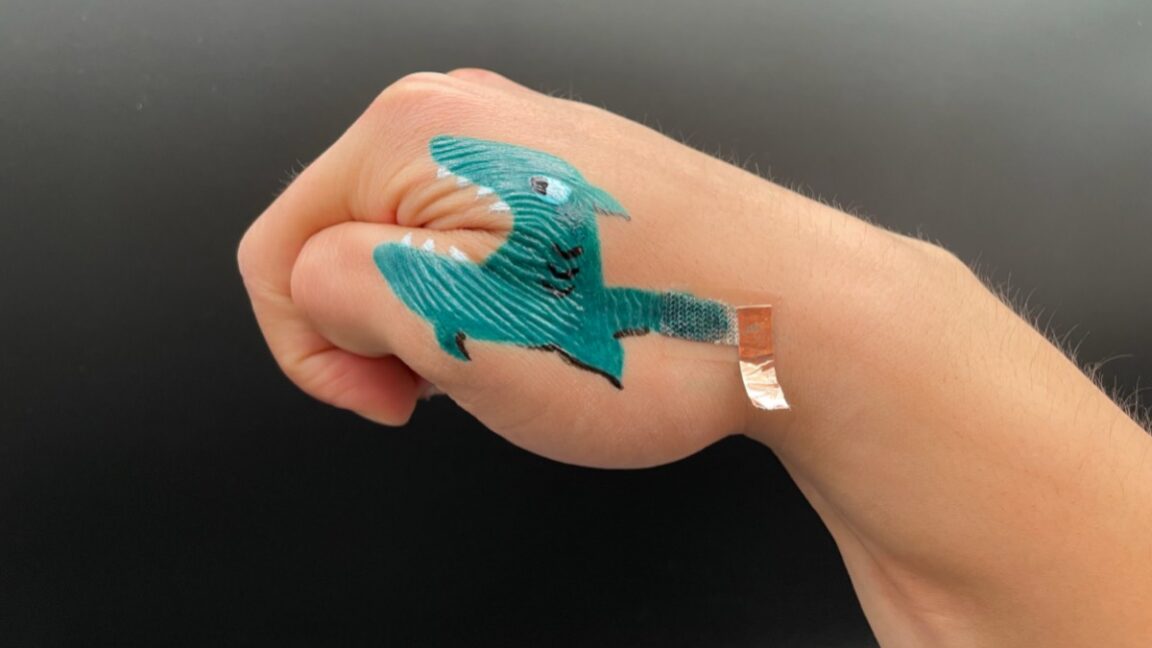
A new open source model by the company of a former openAI cto.
 Thinking Machines Lab
How well will AI help triage?
 Undark Magazine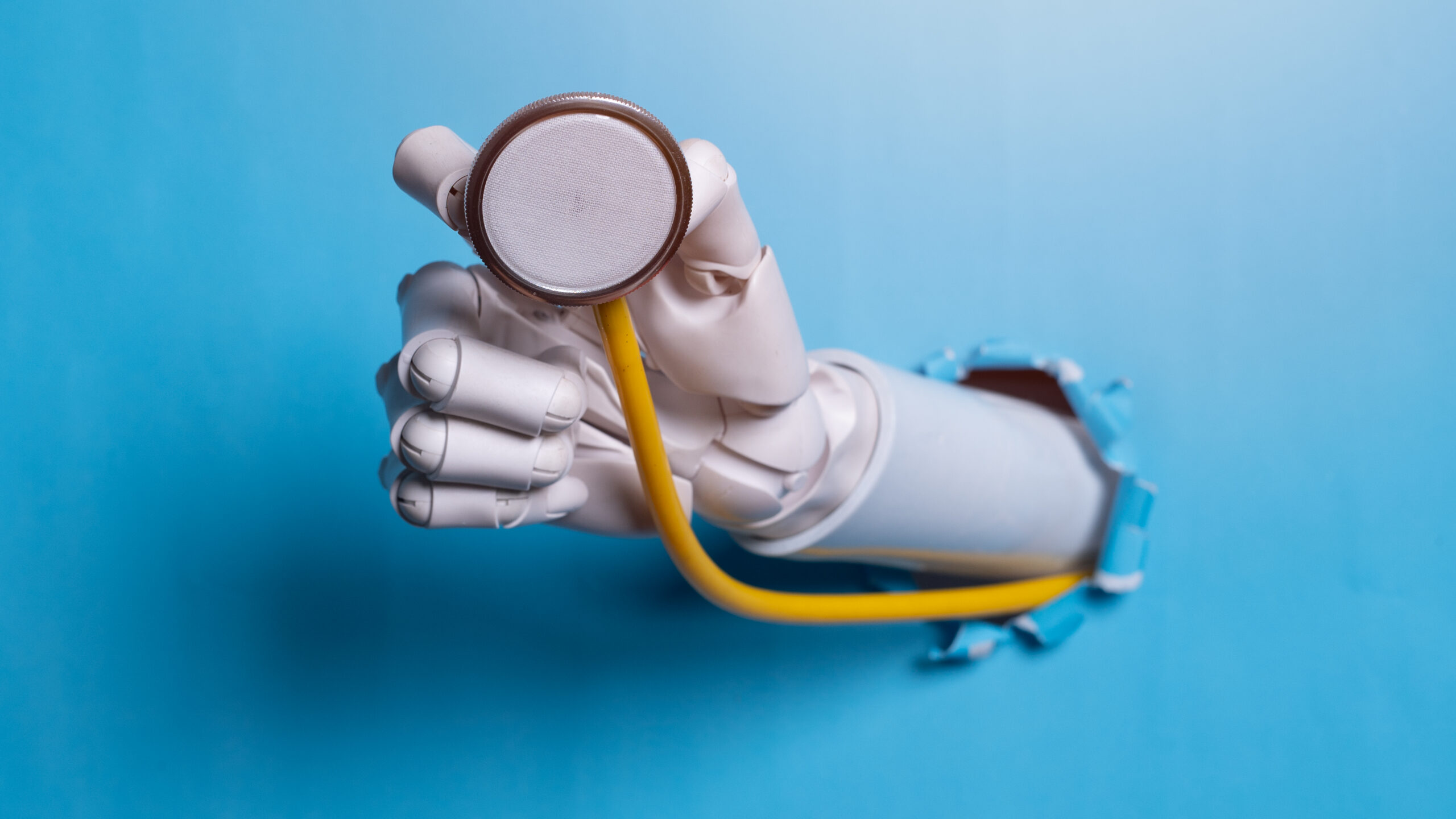
Be prepared for conscious AI (as in prepare yourself).
 William MacAskill
The new job of teleoperation of robotics.
 The Robot Report Staff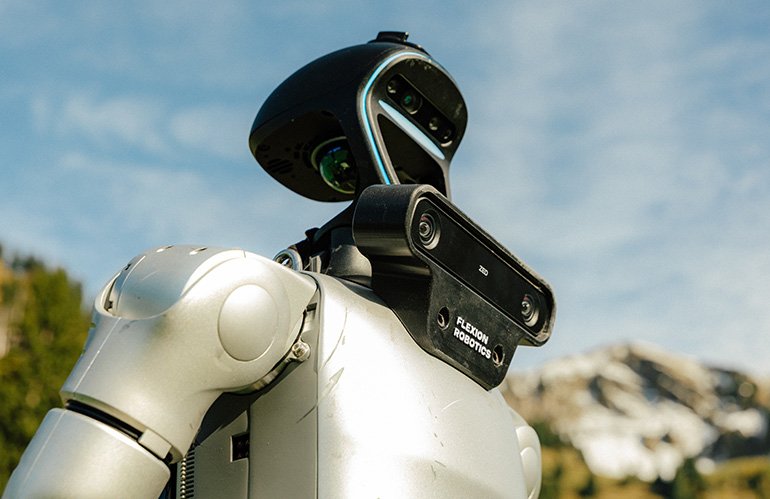
AI agents in the box as the near future of smartphones.
 Sixth Tone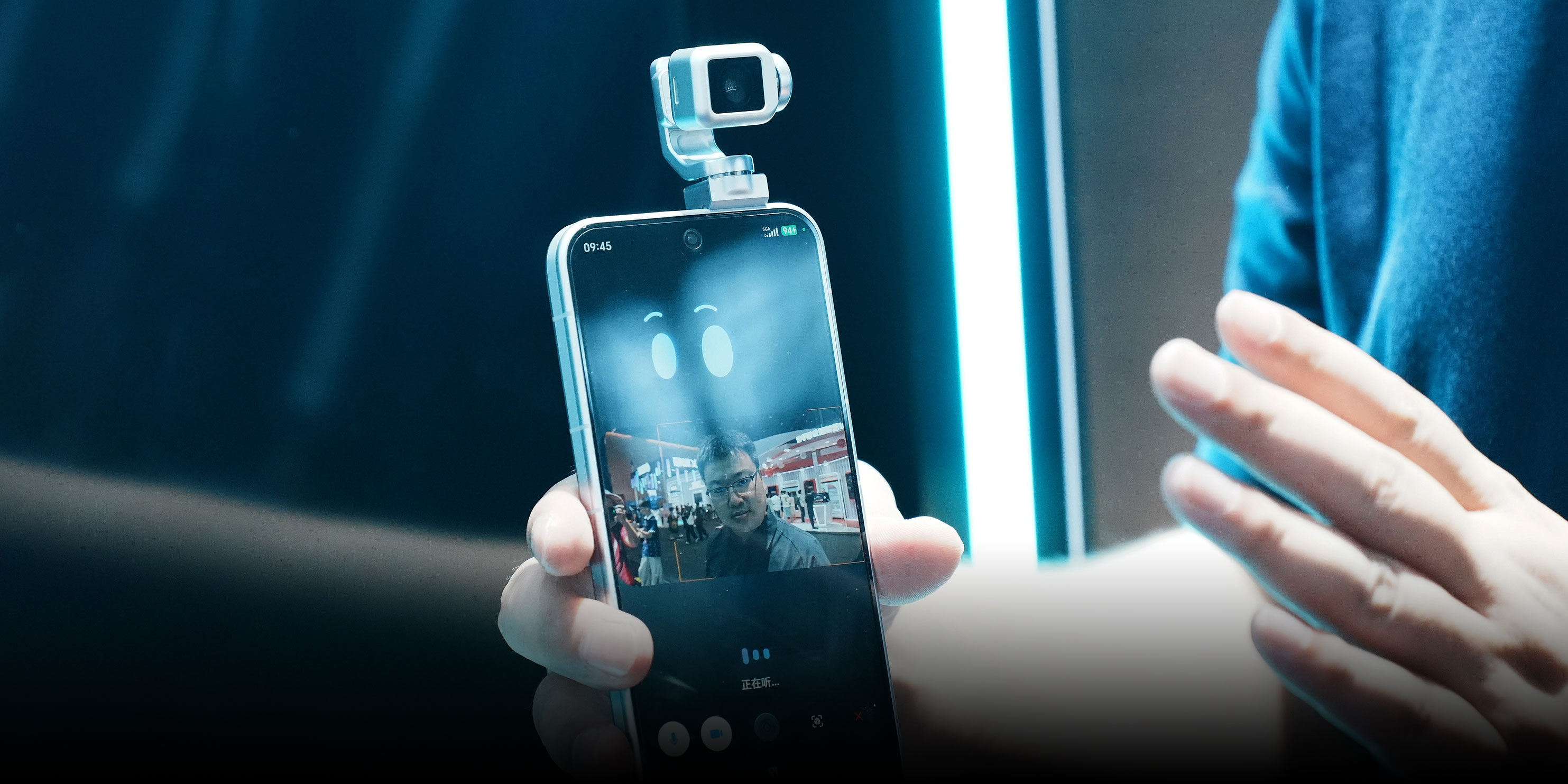
Physical AI
The perfection of the machines we expect.
 Jonathan Slotkin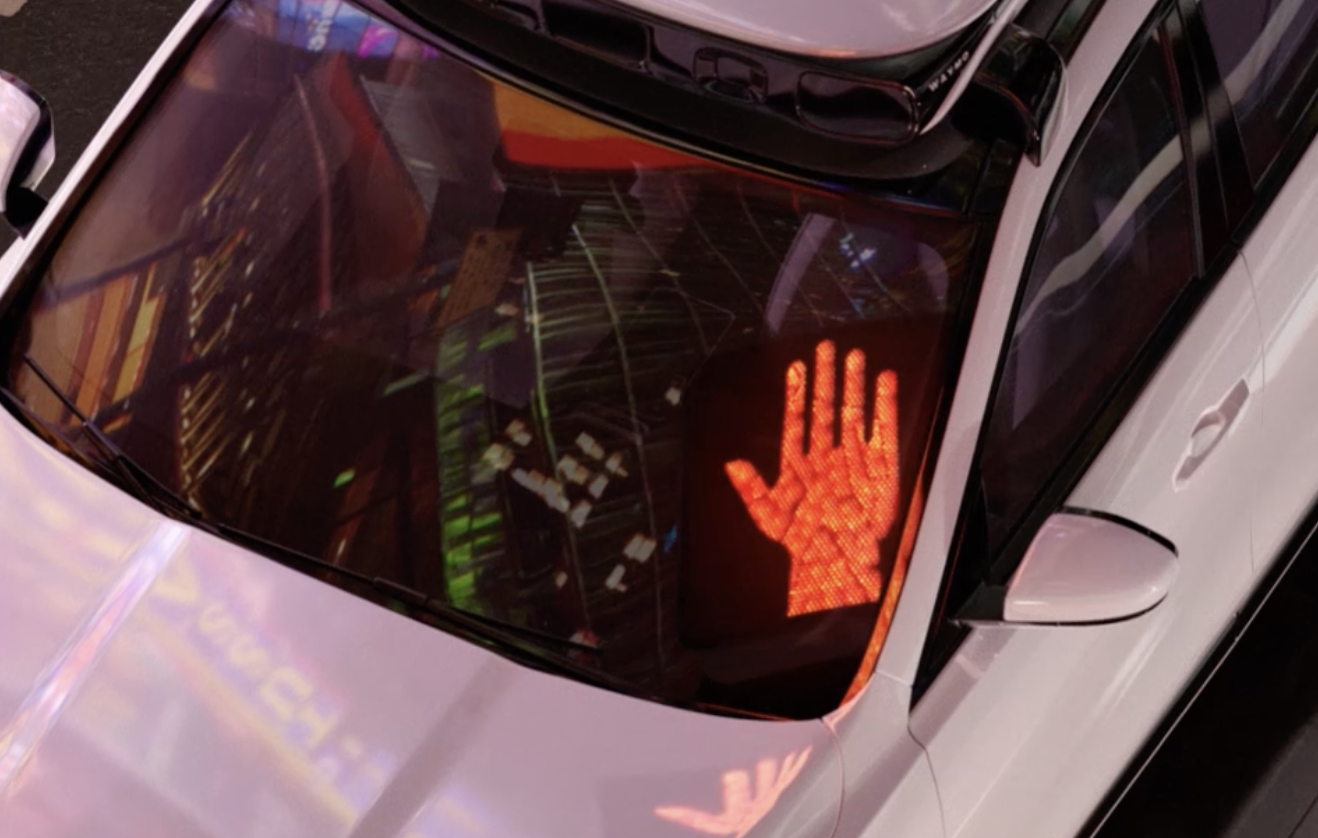
Drones in space
 Brianna Wessling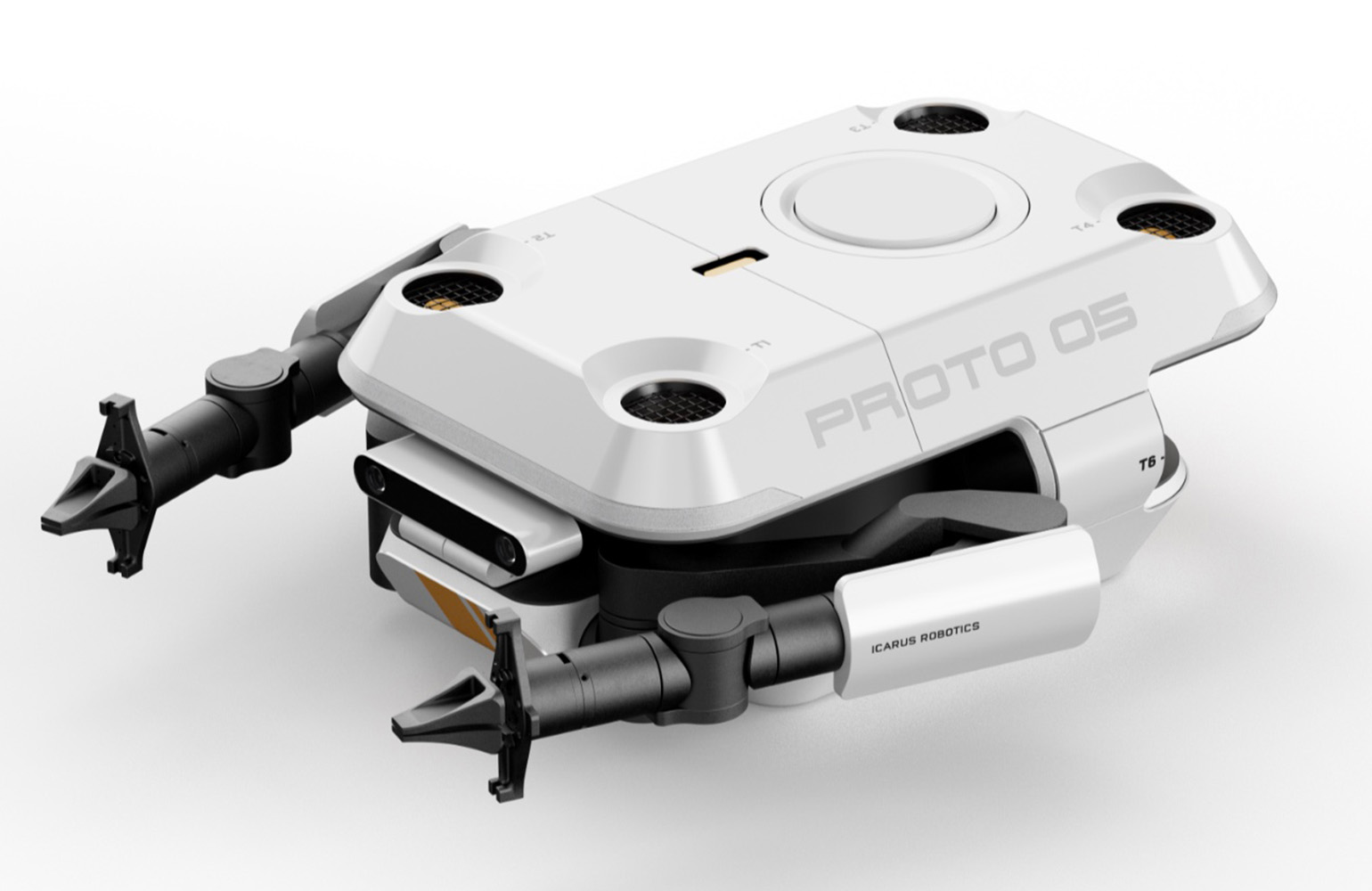
Collabs for market dominance
 Takashi Mochizuki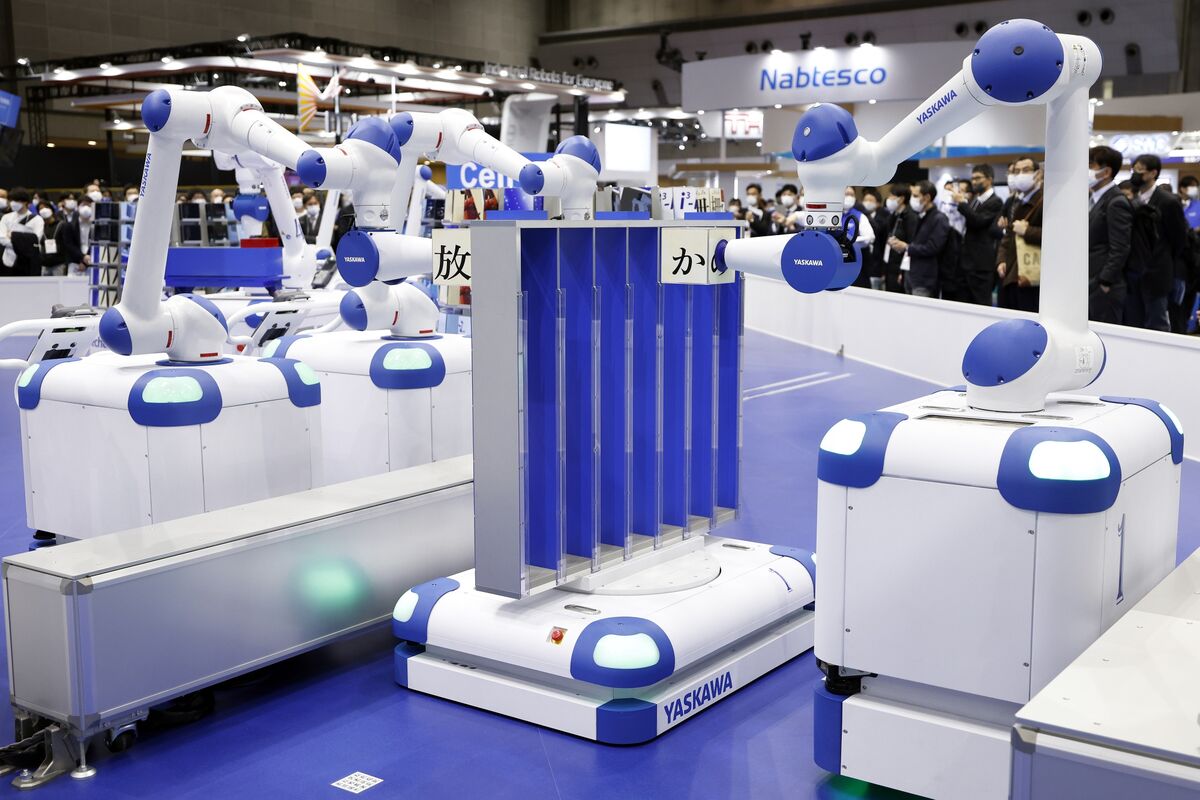
The physical internet in Dutch logistics.
 London Transforms Underused Urban Spaces into Distributed Logistics Micro-Hub Network → Urbanism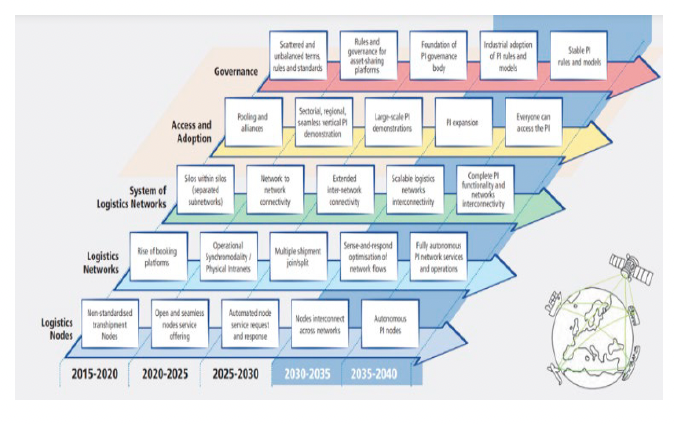
AI in the edge or on the fly.
 Samuel Axon
Peak creepiness
 Will Knight
The dark kitchens and stores are now joined by dark deliveries.
Tech in civic societies
The impact of AI and job losses, and an open letter to pause. And one for gov oversight.
 Casey Newton
 Tom Chivers
Generative AI in the real world
 Ben Lorica, Chelsea Troy
Open source as geopolitics.
AI systems can enable authoritarianism.
 Tim Bernard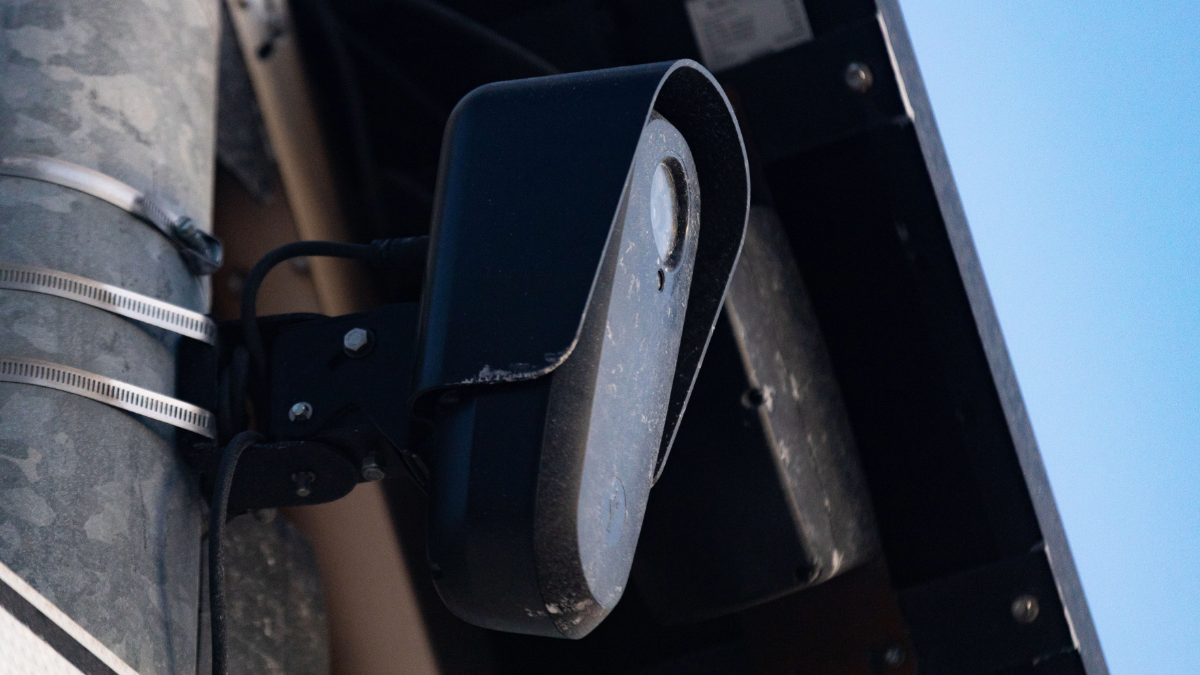
Would it be the first?
 Michelle Smith
The luxury of darkness.
 L. M. Sacasas
What is the inspiration of SciFi about for big tech bros?
Weekly paper to check
Chinese Utopianism: A Historical Overview
While early scholarship often dismissed utopianism as a uniquely Western tradition, subsequent research has demonstrated that discourses related to the creation of an ideal society occupied a central role in Chinese intellectual, religious, and literary history.
Tavor, Ori. 2026. “ Chinese Utopianism: A Historical Overview,” Religion Compass: e70056. https://doi.org/10.1111/rec3.70056.
What’s up for the coming week?
Writing, writing. And some preps for ThingsCon Salon and conference in december.