Think AI differently as a resilience strategy
Weeknotes 397 - Do we aim for a endless catch up in AI frontier, or do we start thinking about what AI is really about to aim for the fittest version? And the latest saga and news captured on physical AI and beyond.

Dear reader!
Another hot week. Living the future now?… Summer is also kicking in, as people are taking holidays or are almost in that mode. For events, that means there is a lot less to do, which opens up time for some extra writing.
Week 397: Think AI differently as a resilience strategy
So last week was dedicated to postponing the finalisation of the new short version of the Cities of Things manifesto and the latest research findings. It is now ready for distribution, and I have started doing so. Let me know if you are curious; of course, I am happy to share.
Also spent some time on an advisory project for smart mobility that I am invited to participate in.
We confirmed the date for the ThingsCon Salon that we needed to reschedule, 21 August in Rotterdam in Sociaal AI Lab. Making the Symbiocene: designing for regenerative AI and celebrating the launch of RIOT2026.
This week’s triggered thought
The scenario has been doing the rounds since early June: a group of people wrote out what Europe's AI position could look like in 2031 if we don't change course. I've been following the discussion since. This week it landed on Nieuwsuur, usually one of our more solid news programmes, and that's what triggered me. Not the scenario itself, but the way it was presented there. The message was blunt: we're too slow, and if we don't catch up we risk losing not just the race but our economies and labour markets along with it.
What struck me wasn't the warning. It was the absence of any other view. There's a group of researchers quite critical of that framing, and Bert Hubert got barely a moment to say so. It felt like a reminder that we need another narrative too, not just a faster version of the one we have: catch up to what, exactly, and on whose terms?
I'm not sceptical of AI's impact. I just wonder whether copying the US playbook — endless capital into data centres, the race for the fastest model — is the only serious answer, or just the easiest one to defend in a soundbite. I understand why we reach for it; it fits the system we already live in. But there might be other ways to build a position, ones that start from what we actually need AI to do rather than how fast it should do it.
The usual counter is that the rat race is depleting the planet. True, but too simple. The cost isn't only environmental. It's what it does to our relationships, our collective intelligence, our resilience when something unexpected happens. A faster model doesn't make a community more resilient.
That's the question I've been circling in my mind too. In my RIOT 2026 article I sketched The Grid: a building where residents' devices reason locally and negotiate with the block's energy network over a mesh, no data centre required. A fridge that knows its own household instead of phoning a server to ask. An irrigation system that develops a position through years of conversation with the systems next door, rather than arriving pre-loaded with someone else's optimum. Not smaller AI as a compromise, but as the actual design target. Intelligence that fits its context, instead of one that tries to know everything, everywhere.
Which makes this week's flurry of frontier model launches an odd backdrop. Every lab racing to claim the smartest model, while it's getting clearer that "smartest" isn't the metric deciding who wins. Model choice is turning out to be political as much as technical — and we tend to welcome that shift toward the societal, until the politics behind it is autocratic rather than democratic.
Still, there's a useful idea buried in the launch noise: the smartest model is not the fittest one. Fit depends on the goal and the context, not the benchmark.
Maybe that's Europe's actual opening. Not to out-race anyone, but to get serious about what "fit" means here: which values, which relationships, which long-term bets we're willing to make instead of the fast ones. I don't know yet what that looks like at the scale of a continent. But I'd rather sit with that question than help lose a race we never needed to run in the first place.
Notions from last week’s news
The week was dedicated to the launch of new models and functions by all major frontier players and the would-be ones. Claude Fable is still around, and the new Sonnet 5 is not reviewed positively by all. OpenAI launches 5.6 (Sol, Terra, etc) and messes up with the app, and kills its browser. Grok 4.5, and Meta tries to mingle in. And out again. Apple and OpenAI are no friends anymore.
Human-AI relations
Thinking with LLMs, re
 Indy Johar
Next to a new model, the harness is probably more impactful.
 Emma Roth
When AI is a member of the family
 Jessica Contrera
Physical AI
“And while a voice UI is great within a domain, do you really want to be gossiping about movies or having a psychotherapy session with your fridge?”


The physical and the touchable will change too.
 claire brodka I designboom
Better than angry looking friendly waving humanoids are these kind of fluffy objects. imho.
 Jesse Orrall
Making chips could be a cash cow.
 Tasneem Nashrulla
Experience wearable AI with the WatchOS 27 release
 Victoria Song
Floating AI
 Rachel Gordon | MIT CSAIL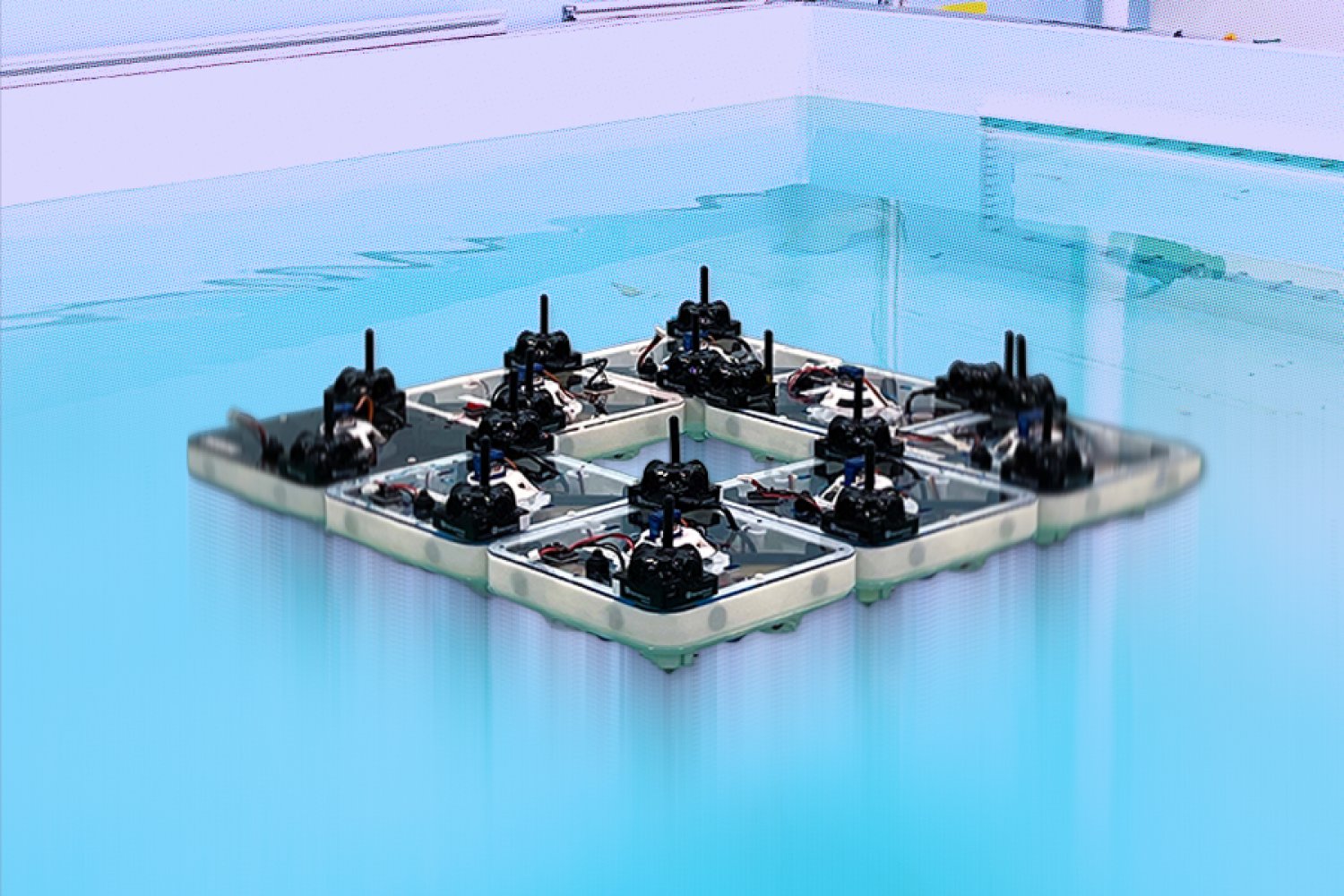
Europe is overtaken, but so is Japan, with physical AI.
The counter to physical AI: agents coding forget accessibility requirements, as they apparently cannot imagine them.
 Niharika P. Pujari
Tech in civic societies
Via Near Future Laboratory: near-future news today. With our future quantified self device.

Benedict Evans is a solid source of the news captured here. And sometimes he publishes an open more indepth reflection. Like
 Benedict Evans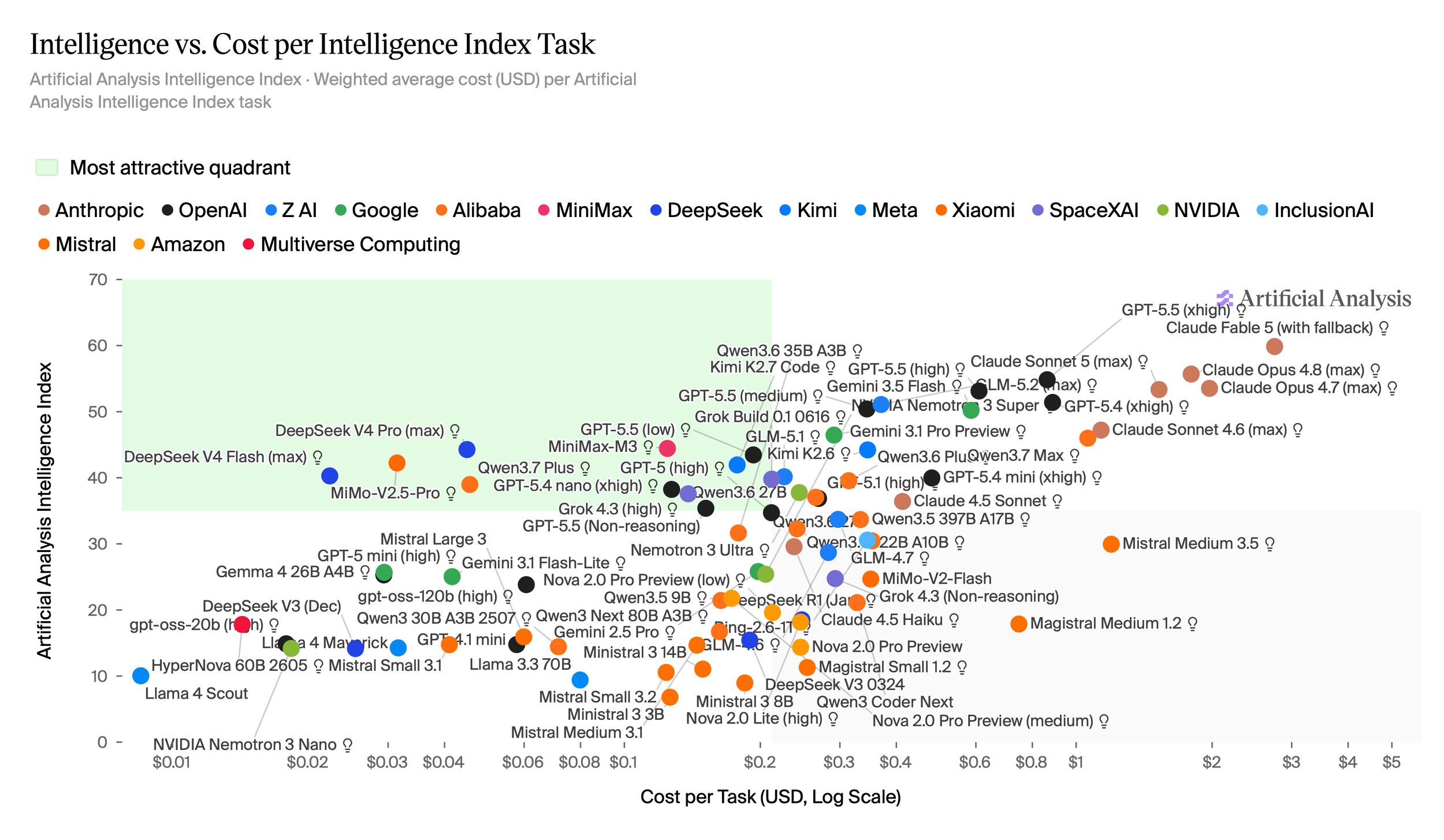
The importance and impact of regulations.
 Rani Molla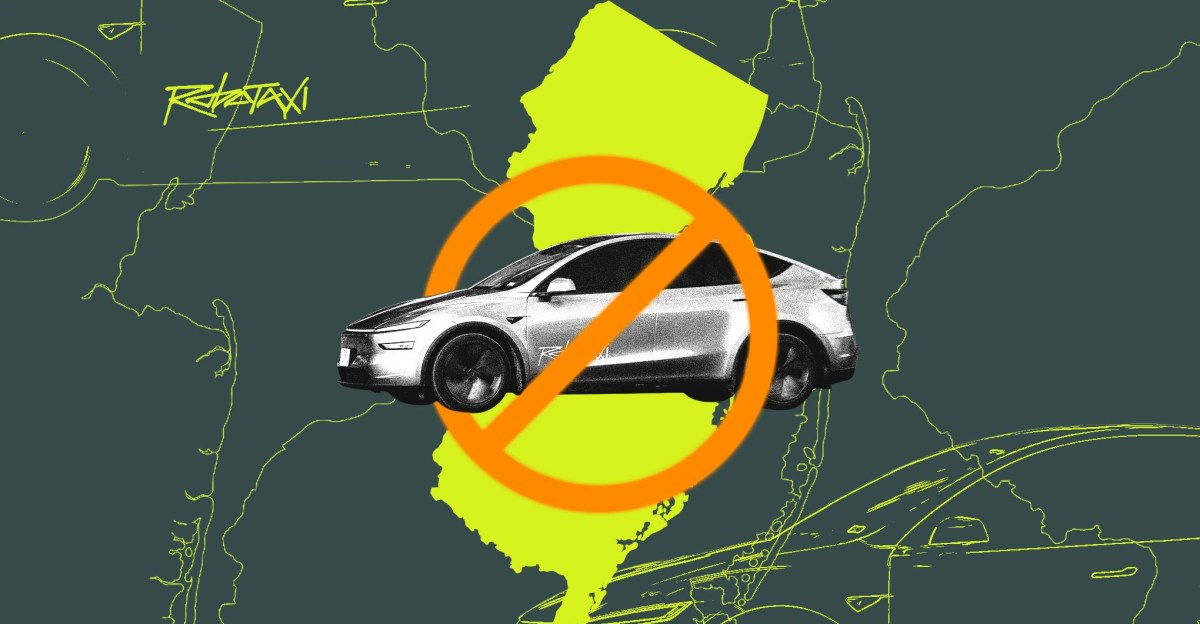
Struggling with AI strategies and education.
 Steven Sinofsky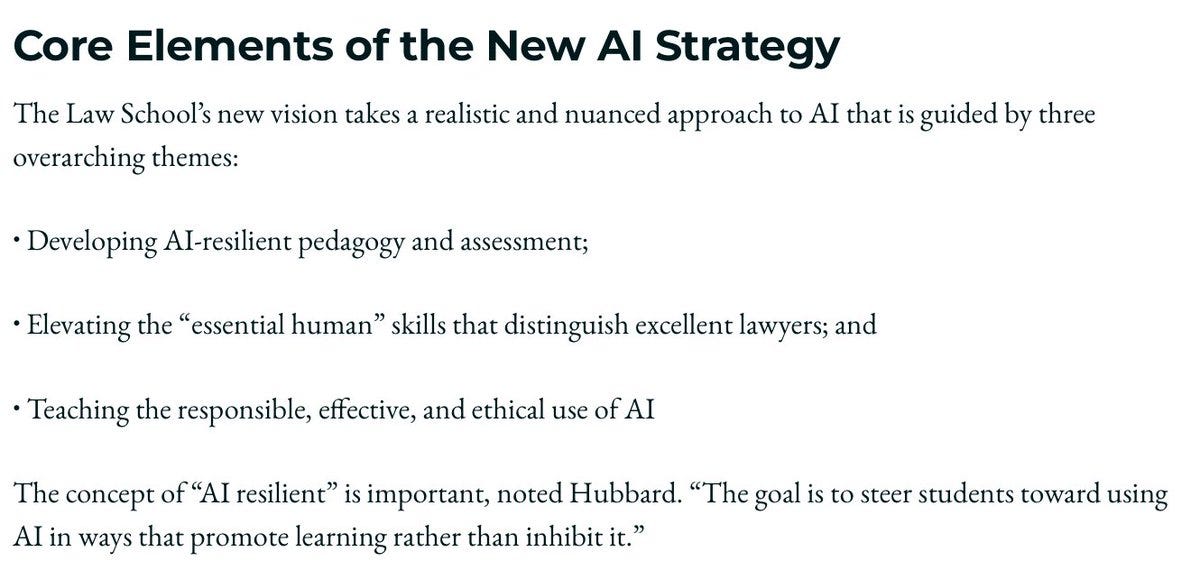
The crash as a remedy.
 Ed Zitron
AI’s impact on the economy.
 Morgan Chalfant
15 minute logistics.
London Transforms Underused Urban Spaces into Distributed Logistics Micro-Hub Network → Urbanism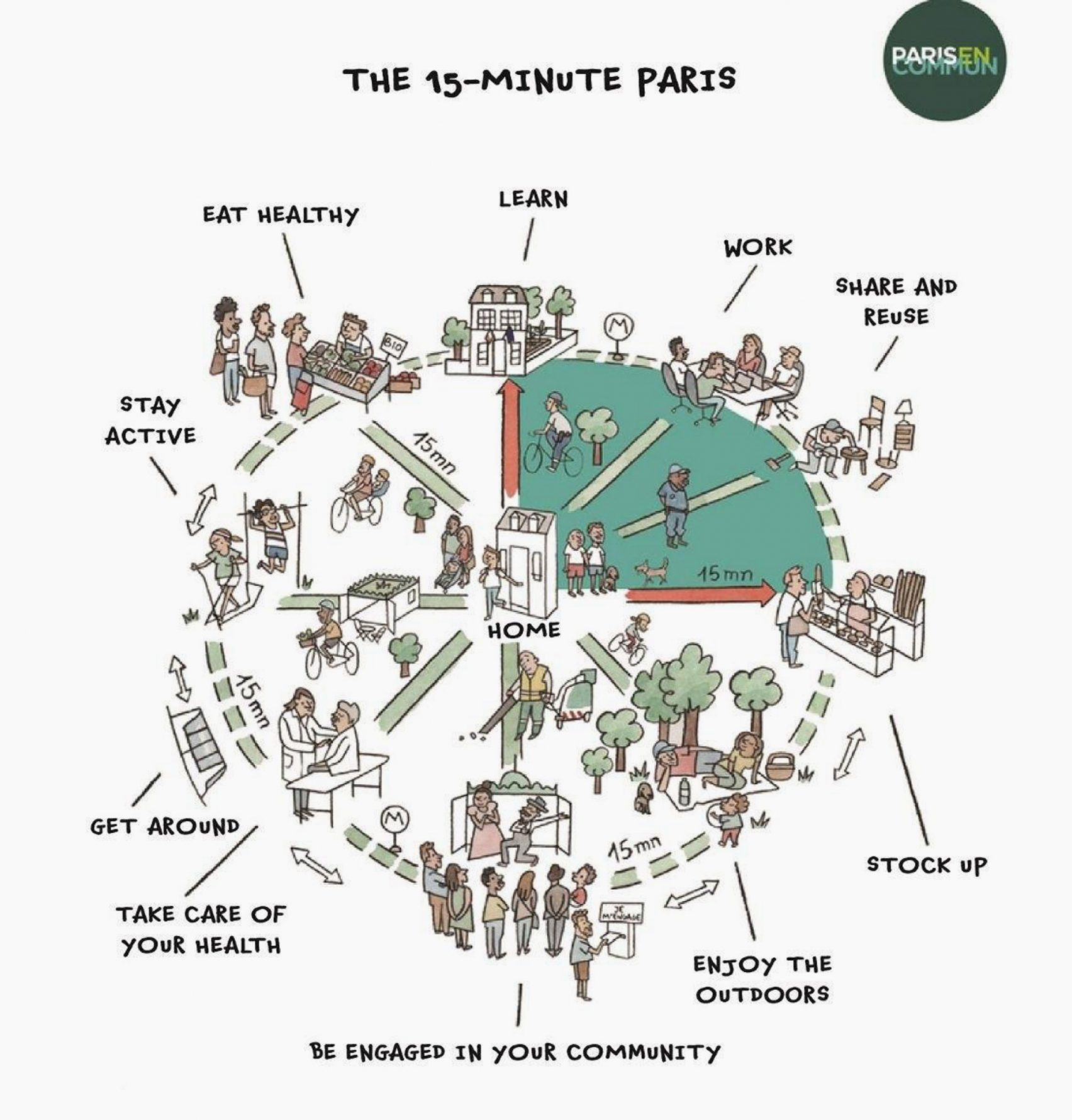
Researchers identify the 'hidden energy cost' of AI agents for the first time
 The Korea Advanced Institute of Science and Technology (KAIST)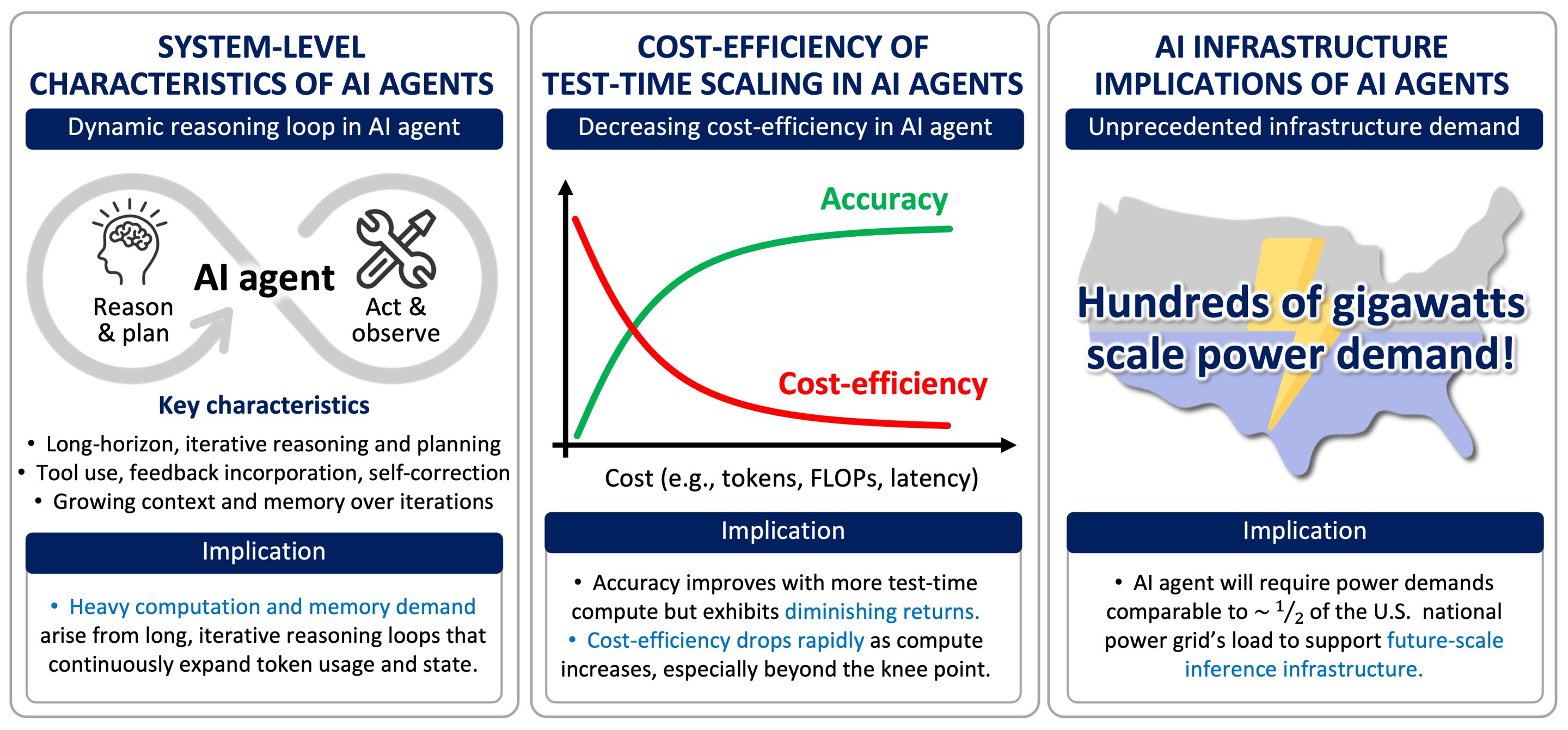
Multiple races on multiple levels.

Weekly paper to check
Reckoning with the Political Economy of AI: Avoiding Decoys in Pursuit of Accountability
Drawing on literature at the intersection of communication, science and technology studies, and economic sociology, we examine how the Project of AI is constructed. We then explore five decoys that seemingly critique—but in actuality co-constitute—AI's emergent power relations and material political economy.
Janet Vertesi, danah boyd, Alex S Taylor, and Benjamin Shestakofsky. 2026. Reckoning with the Political Economy of AI: Avoiding Decoys in Pursuit of Accountability. In Proceedings of the 2026 ACM Conference on Fairness, Accountability, and Transparency (FAccT '26). Association for Computing Machinery, New York, NY, USA, 2186–2205. https://doi.org/10.1145/3805689.3806739
What’s up for the coming week?
Quiet with events. But you can check IoT London. ThingsCon Salon moved to 21 August. Info and RSVP.
I will be visiting Manifesta16 this weekend. This is not really related to the usual topic of this newsletter. However, there is one workshop on “the digital potential for local communities”.