The rise of ChoreOS to leverage supermodels
Weeknotes 396 - The model makers want to be super apps, but the future belongs to the super-model. A layer above that simply gets your chores done. And more human-picked news from last week.
Dear reader!
Welcome to July. You might be heading towards your holiday mode. For me, I will continue. Curious to note if there will be less news to capture. We’ll see…
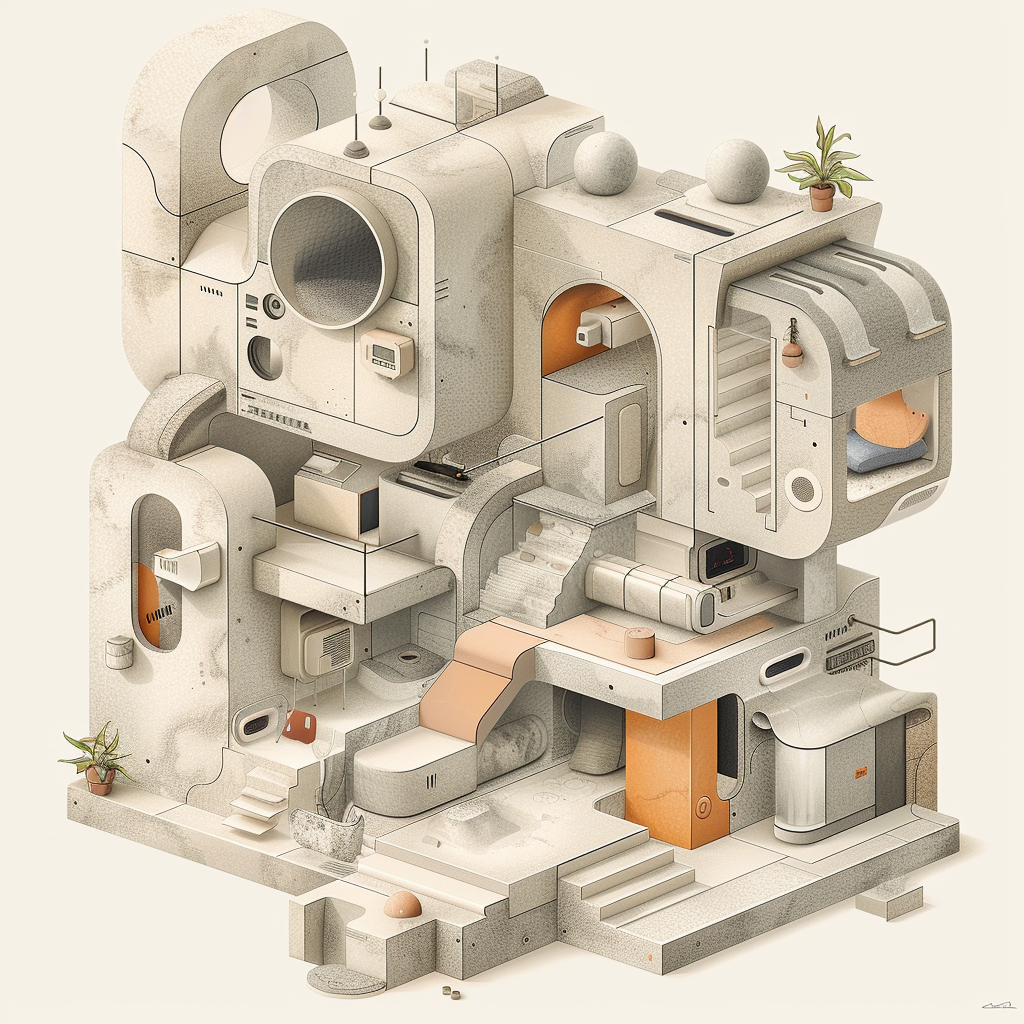
My first try creating the opening image is to just prompt the title. You understand that, this title is not an easy one. I was happy not all supermodels were female for a start.
Week 396: The rise of ChoreOS to leverage supermodels
I had nice conversations, making new plans. And visited a couple of things. Like the graduation show (Now Show) of Avans UAS in Breda. Specifically the master Health by Design, as I gave a guest lecture/workshop on physical and embodied AI last March (titled “Explorations in human-AI-thing interactions that make sense”, to be precise). Nice works.
Just before I paid a short visit to the newly opened Humanoid Application Center in Schiedam. Lots of Unitrees and other usual suspects. Most interesting to see how popular this is as education and development. It would be interesting if they would create a humanoid factory simulation like this one in Austin.
One day earlier, I attended a session on the resilience of AI infrastructures by Awti. “Naar een innovatieagenda voor een weerbare AI-infrastructuur”. Marleen Stikker and Bert Hubert did a good job kicking off the thinking. And making clear again that Resilience is a hot concept. The four dimensions of resilience are ecologicall, economic, societal and technological. And we should stop to try to mimic the US and China AI: we should borrow ‘Think Different”, models that are less depending the pure computing power, much more on rethinking how to do a European valueset.
This week’s triggered thought
The frontier model race is cooling. Not because the models are getting worse, but because they're becoming interchangeable. GPT, Claude, Gemini: one edges ahead this month, another next month. The differences matter less than they used to. What matters now is the harness.
The harness is the scaffolding around the model: the interface, the integrations, the way it connects to your files, your calendar, your tasks. OpenAI's Codex, Anthropic's Co-Work, these are attempts to make the model sticky. Not through the model itself, but through the ecosystem wrapped around it.
This is a defensive move, though. The model makers know their core product is commoditizing, so they're scrambling to become something else: the Adobe of intelligence, the WeChat of the West. Lock users into a suite. Make switching painful. The Chinese super app strategy, applied to AI.
But what is missing: the real shift isn't about who builds the best harness. It's about what sits above the harness entirely.
After the Fable and Sol outages last month due to government decisions, something became clear and out in the open: dependency on any single model is a liability. The smart systems now are model-agnostic. They orchestrate. They pick the right model for the right task, swap providers when one goes down, run certain repeating jobs on local open models at the edge. The model becomes the engine, not the product.
This orchestration layer, call it a meta-layer, call it a new kind of operating system, doesn't care about frontier benchmarks. It cares about task completion. And the most mundane tasks, it turns out, are the most interesting test case.
Chores.
I watched a video this week again of a soft robot folding laundry. Not a fully humanoid (halfway), more a purpose-built machine, optimised for the single task of handling fabric. It looked nothing like a human. It didn't need to.
This connects to something the circus artist and roboticist Daniel Simu said in a recent podcast: why do we want humanoid robots at all? His own creation: a robotic acrobat he performs with, is deliberately centaur-like: human where it needs to touch human hands, machine everywhere else. The human parts exist for interaction, not imitation.
Simu's provocation goes further: the desire for humanoid servants to do our household tasks has something uncomfortable about it. A machine that looks human, doing menial labour, controlled entirely by us. What does that say about what we actually want? A purpose-built folding machine is honest about what it is. A humanoid butler is something else.
I think this matters for how we design the systems that will run our domestic lives. Not humanoids pretending to be servants, but task-specific machines coordinated by an intelligent layer above them. An operating system for chores. ChoreOS.
This is where the physical and the digital converge. The same logic that makes model-agnostic orchestration valuable in software. Pick the right tool for the job, don't get locked in, optimise for the task- it applies to embodied AI. You don't need one humanoid that does everything poorly. You need an ecosystem of specialised machines, coordinated intelligently.
The model makers want to be super apps. But maybe the future belongs to the super-model instead. Supra, overarching, a layer that sits above any single model or machine and simply gets things done.
The question is who builds it. And whether, in delegating all our chores to orchestrated systems, we notice what we're giving up along the way.
Notions from last week’s news
The saga of the banned models continues. As they are released, conditionally, with questions about the relation and trust. How is open source AI doing? Anthropic launching a science harness.
China leading the humanoids, while it seems peak marketing.
Human-AI relations
What will prompt injection be alike in times of AI? And beyond.
 Shania Rasheed Nalagath
What will AI do to art? Can AI be an artist? It at least sharpens the discussion of what art is. Not meaning what an artist will be with AI.
 Spencer Kornhaber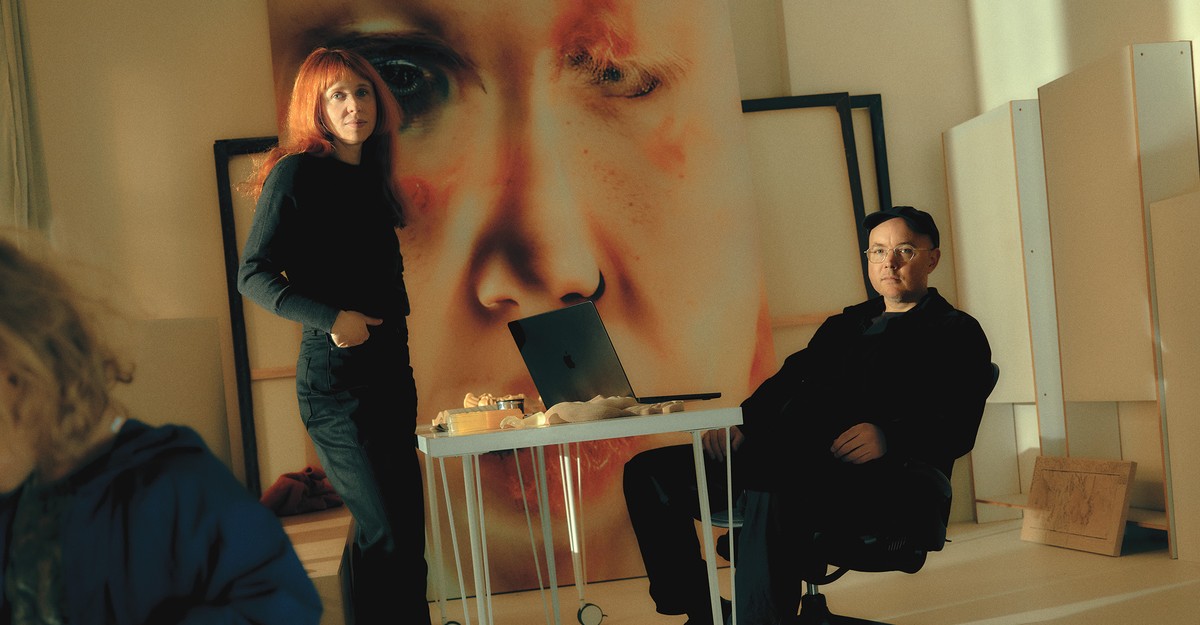
It can do tiktok. Next that novel.
 Emma Roth
 David Shariatmadari
Meta is creating a new app for AI tinkering; it seems, trying to popularise vibe-coding feels?
 Jay Peters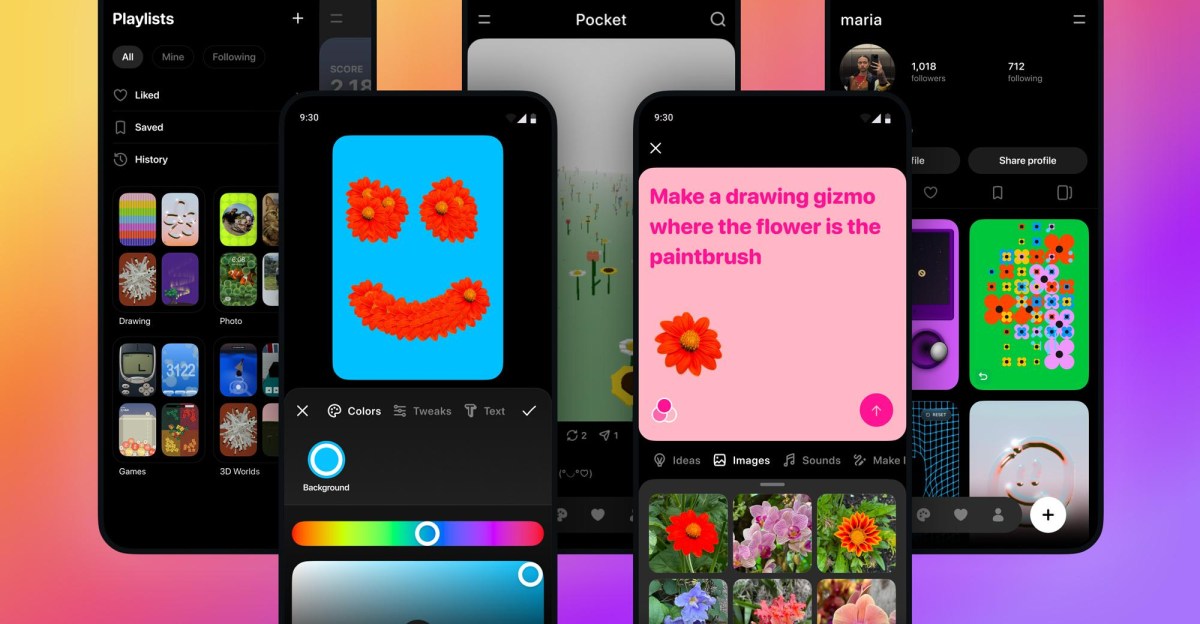
Writing remains at the forefront of our new relation with AI as creative counterpart.
 Will Oremus
But is it really new?
 Will Douglas Heaven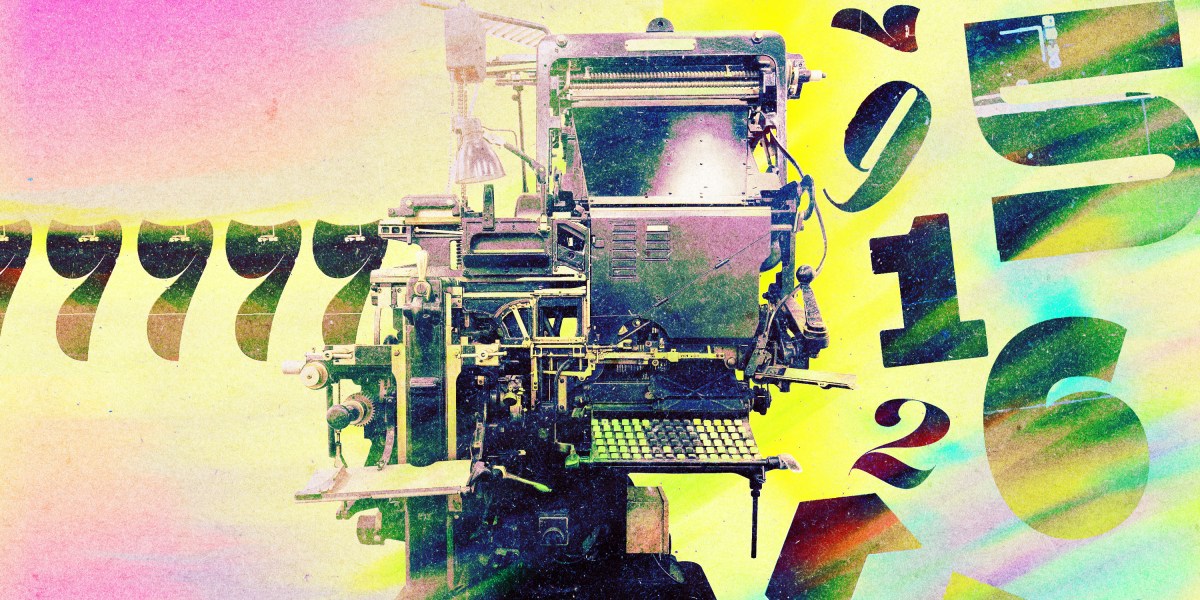
We should not judge AI by its opinions or its ability to reason, but by its cognitive capabilities. As long as we are not able to know how it thinks.
 Grigori Guitchounts
Is the end of the human-centred era driving changing world orders?
 Noah Smith
Physical AI
Following the humanoid for chores…
 The Robot Report Staff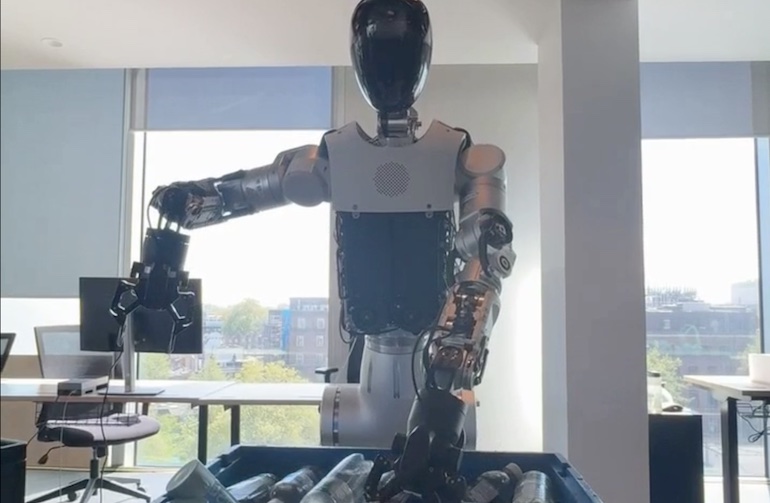
AI in a box. Or speaker. Apparently harder than you would expect.
 Jennifer Pattison Tuohy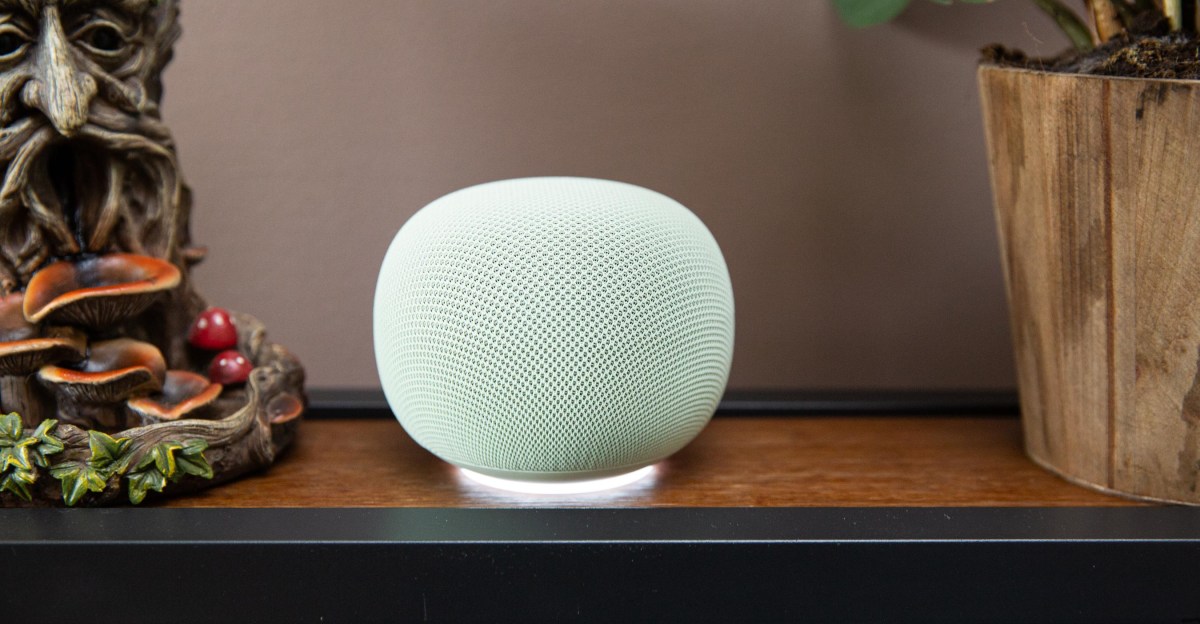
Wonder how much the ruggedisation is also in their behaviour and dealing with the angry world.
 Sponsored Content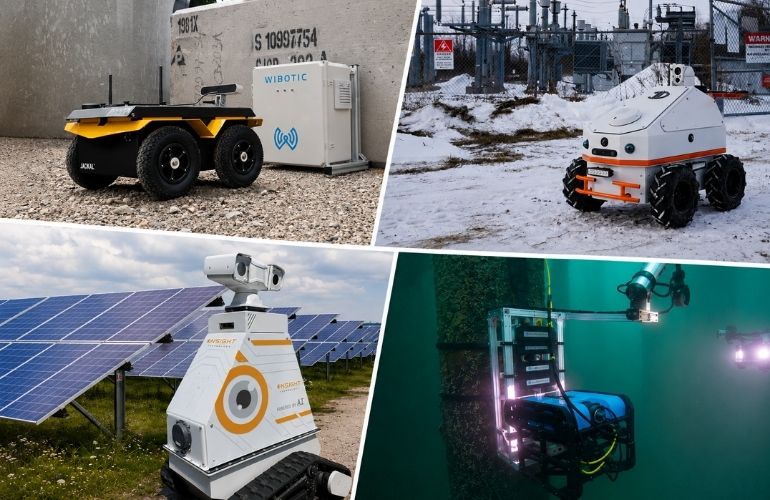
Will we get more efficient, quieter drones by learning from birds?
 1stClassOPP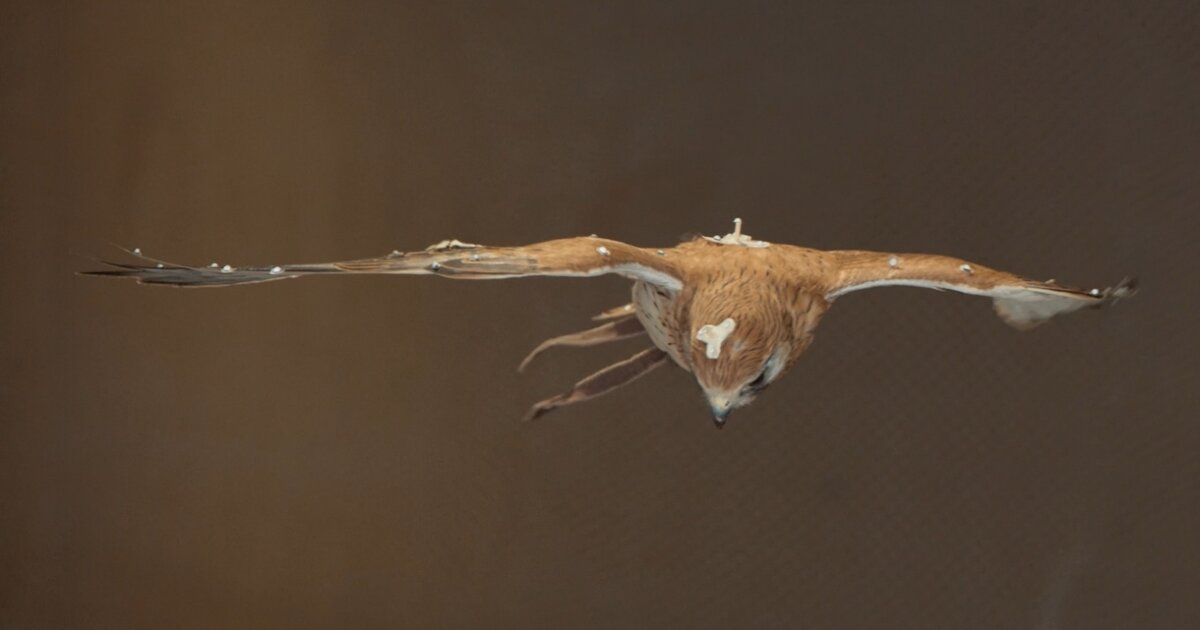
Physical AI is context for embodied AI.
 The Robot Report Staff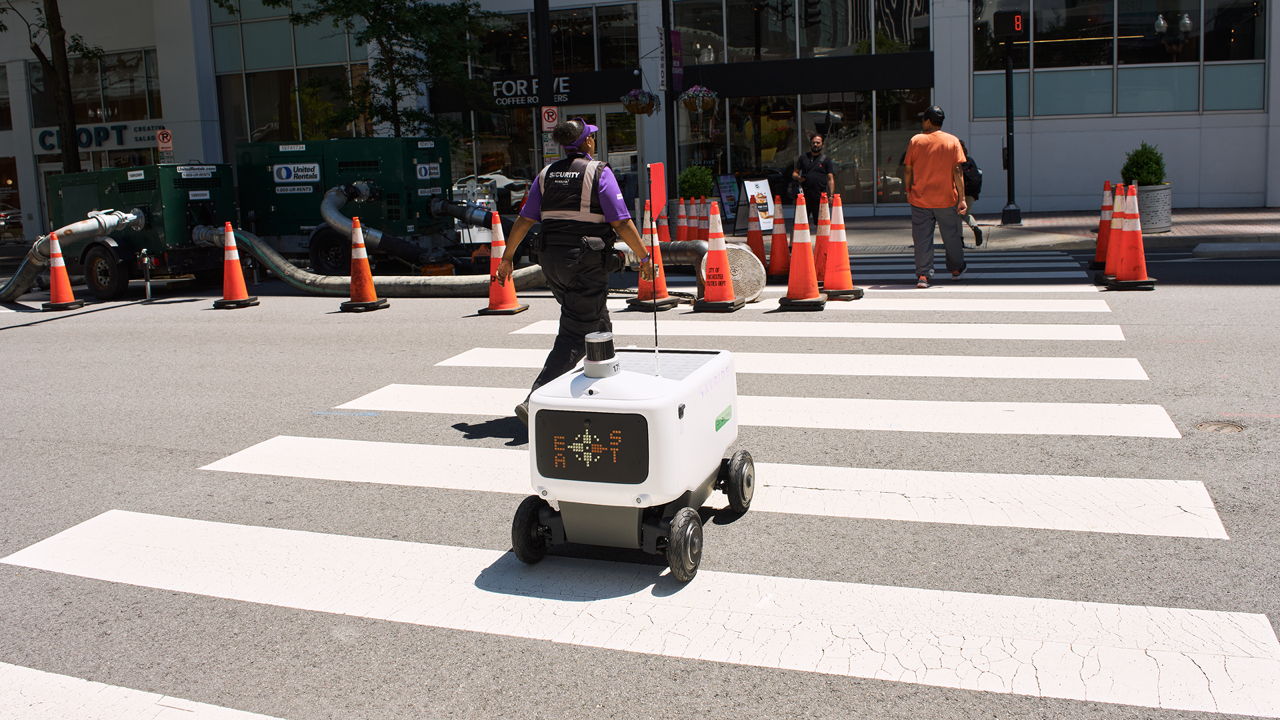
Tech in civic societies
Will bodies as UN be able to take their necessary role indeed?
 Rebecca Finlay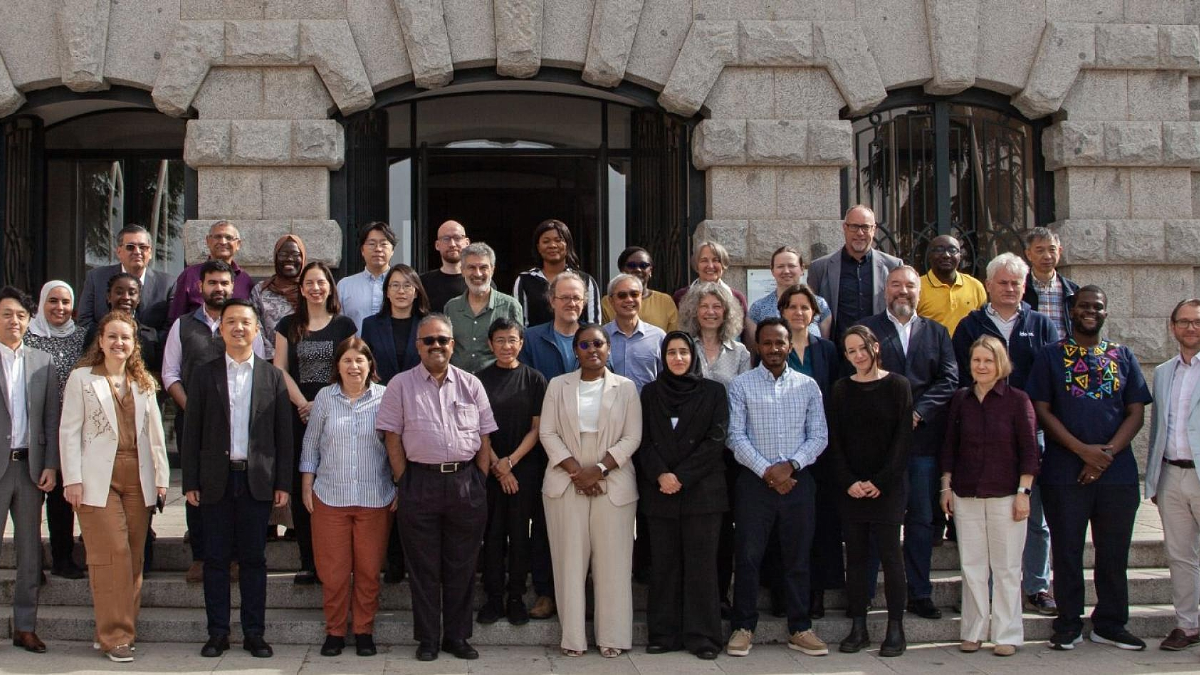
The systems behind the AI economy are about new values and, definitely, about energy infrastructure. Energy and matter.
 Deb Chachra
Deserves deeper exploration; will there be AI intent that connects to personal data?
 Josh Taylor
There is a dream that one day we only repurpose existing materials to build new stuff.
 yu
yu
New stories are made, new applications are created.
 Itika Sharma Punit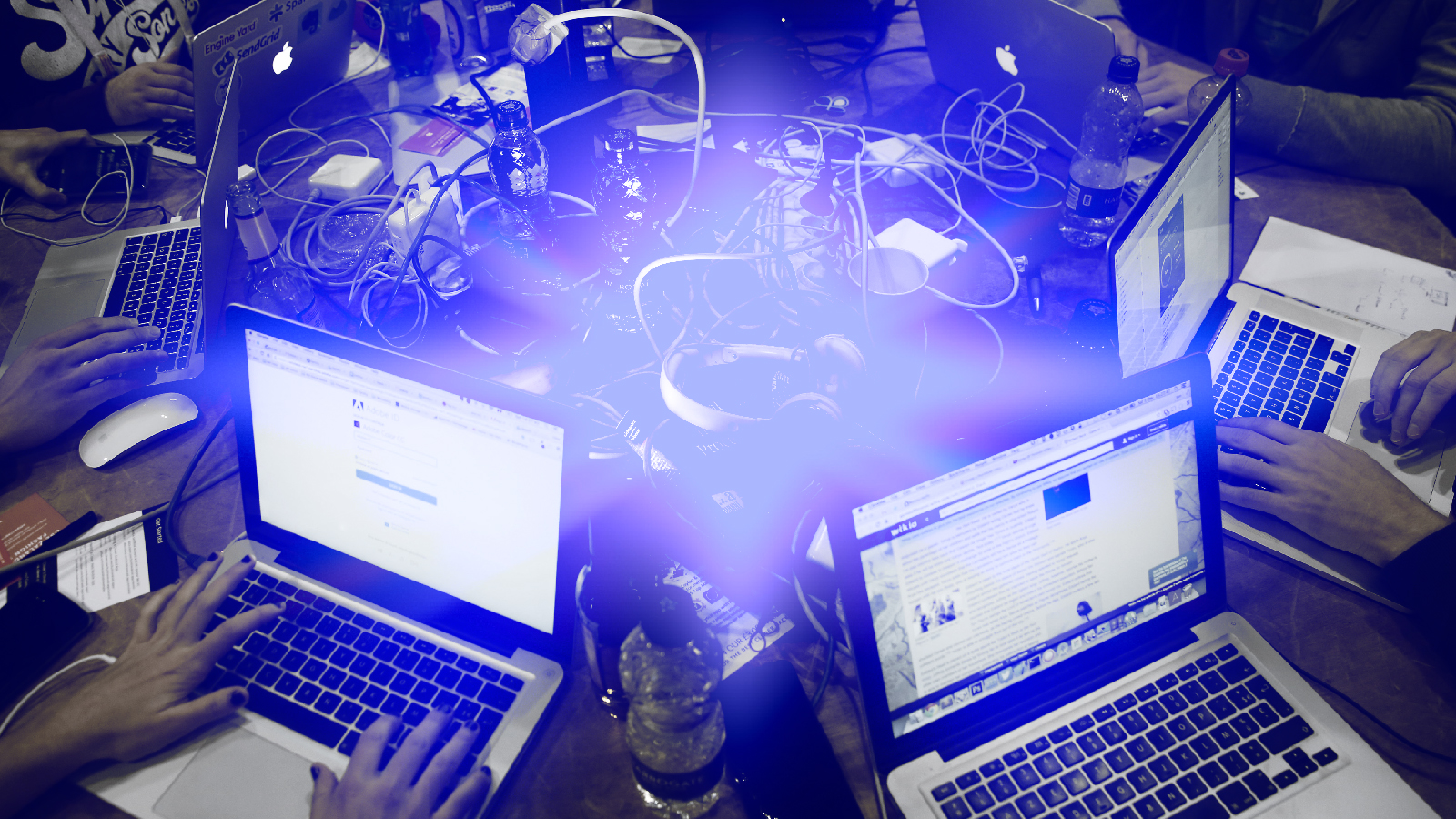
Are AI’s externalities growing faster than we can address them?
 Casey Newton
The counter movement.
 WIRED
WIRED
Weekly paper to check
The uncontroversial ‘thingness’ of AI
Addressing this question takes us to knowledge practices that philosopher of science Helen Verran has named a ‘hardening of the categories’, processes that not only characterise the onto-epistemology of AI but also are central to its constituent techniques and technologies.
Suchman, L. (2023). The uncontroversial ‘thingness’ of AI. Big Data & Society, 10(2), 20539517231206794. Link.
What’s up for the coming week?
The event season is having a summer break, at least the ones that reach me. So more time for new writing and other backlogs. Or visiting some art exhibitions would be nice.