Do you control the context in the self-service economy?
Weeknotes 395 - If we're all becoming our own advisors with AI, the real question isn't who has the smartest model. It's whose context you're working in. And the latest hand-picked notions from the news on physical AI.

Dear reader!
You feel peak WK here. Literally, this very moment, 'the game' has started, and I can follow the energy from the yelling (or not) people at the terrace of De Gele Kanarie. I do not know the outcomes when scheduling this edition. I am not a real follower, tbh; I did not see a single match start to finish, but who knows tonight…
Related, I saw this: what if football were not the dominating capacity? Oh, and of course robots can do penalty kicks too. Enough about this; let’s check this week’s news and reflections on physical AI and beyond.
Week 395: Do you control the context in the self-service economy?
We had some heated days. So much that we needed to cancel the ThingsCon Salon on Friday due to the code red. We rescheduled it to 21 August. I will remind you later!
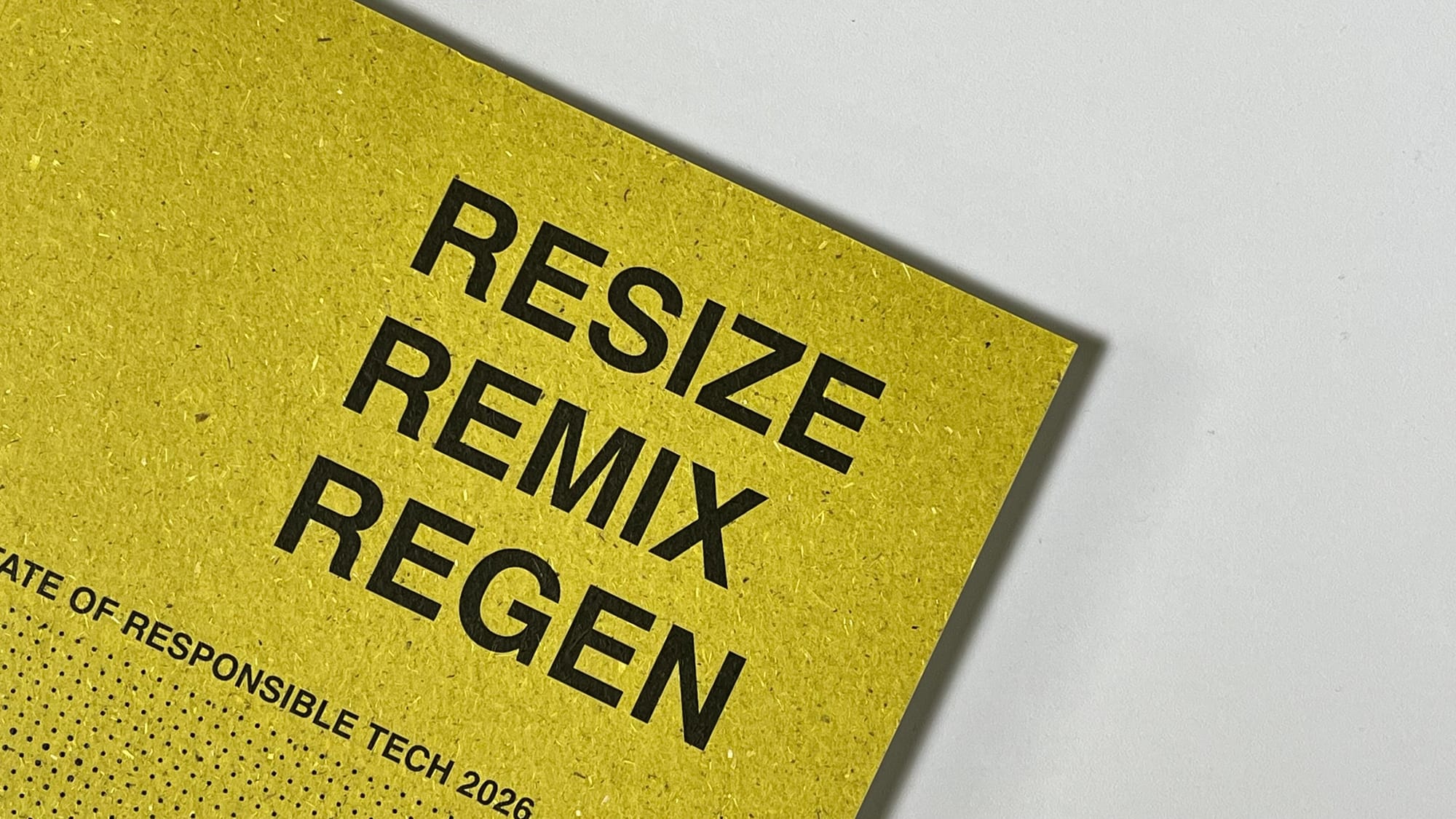
Besides this, we published the online version of the ThingsCon report, State of Responsible Technology RIOT 2026. Find the publication here and download.
Just before the real heatwave started, I visited the closing event of the four-year research program on Human Values for Smarter Cities. With Cities of Things we became a partner, and that turned into more focus on ThingsCon, for organising three Salons in the course of the research (each in one of the participating cities: Amsterdam, Rotterdam, and The Hague (Scheveningen), and also providing space for three workshops at the December conference. Mike and Tessa were the lead researchers and did these workshops too, and created some nice interventions. The research focused on the scancar and later scanbike as research prop, with the relation of citizens with these intelligent moving objects as the key point of research.
The end result is really nice. The project produced a book that serves as a manual (handboek) for civil servants and others involved in designing these new technologies, enabling them to discuss values with citizens. Find the book here https://bewonersintheloop.nl/.
In the event, Marco Steen shared some views on values from his practice at TNO. Deugden. And Mike and Tessa presented the handbook setup. In three small panels, different aspects were discussed. I did not make a full report (check the video here), but I did write down a few thoughts. One was about the framing ‘bewoners-in-the-loop’. This is probably a reference to human-in-the-loop, a concept used in AI discourse to refer to systems that take humans into account. I was wondering if the ‘bewoner’ (resident) here was leading or a reviewer. That is a thin line. And that was also addressed later, as you shift the perspective. If you aim for a resident-in-the-loop as part of the AI system, it feels more like a reviewer, hopefully with agency to act. But if you take the perspective of the designer, or even better, the civil servant as a policymaker, then putting the resident in the loop can become a goal that makes them really curious about the resident drivers.
Ok, let’s keep it to this. Of course, I was wondering if it would be interesting to extend the definition of resident to more-than-human actors. But that is for another time.
I also watched the PhD Defense of Grace Turtle, maybe I come back to that another time.
This week’s triggered thought
The self-service economy is rising. I think Carl Benedikt Frey made a good observation last month in the New York Times: AI tools are getting good enough at offering practical guidance that tasks once handled by professionals are shifting onto consumers. We are becoming our own advisors, researchers, and problem-solvers.
But self-service requires context. It is not something Frey addresses per se: when we do these tasks ourselves, whose context are we working in? I had to think about this while listening to a reflection by Nate B. Jones on how we move from an intelligence war to a context war.
Nate connects this to the latest wave of AI announcements. As he observes, the new releases share a common theme: trust through context. Apple's new Siri AI focuses on personal context, building trust by keeping everything on device. Anthropic introduces Claude Tag for Slack, designed for professional context with workplace controls. OpenAI launches Codex 5.6, competing for the same territory.
Jones frames this as a context war between three kinds of intelligence providers: the personal focus of Apple, the professional focus of frontier labs, and the cost focus of open source. Nate is stating that this context war will be more severe when the frontier models are slowed down by regulation, technically, so they compete instead on context integration, on being indispensable by knowing your situation.
What I think even more interesting to notice, is how this strongly relates to the consumers doing more tasks themselves. The context provider becomes the gatekeeper of that self-service economy, the new harness is in providing the best support for this new reality. The question is no longer "who has the smartest model?" but "who controls the environment in which you work?". And what is the fittest harness for my job?
This creates a new dynamic. The self-service space will need contexts that are both contained and open, secure enough to trust, connected enough to be useful. We will need virtual gatekeepers that manage what flows in and out. The old distinction between personal and professional may blur into something more fluid: shared service spaces where co-making happens across boundaries.
Nate makes the case as Apple proves it can outperform without having the most intelligent model. Even more so, it can offer the most fitted context, and that may matter even more.
Yes indeed, intelligence wars have become context wars. Especially if the self-service economy becomes true. The question to ask: whose context do you trust to work in?
Notions from last week’s news
The bigger story about banning models by the US gov remains a topic. Especially now it seems to release the Mythos blockade while pushing back to GPT 5.6; the central vibe is one of distrust and unbelief. The impact of using AI as a framework for innovation and new services is the biggest worry. Open-source models from China might flourish, and intermediate model brokers like Fugu might benefit.
Human-AI relations
If intelligence becomes cheap, always available, and economically fluent, we need to focus on presence. And on becoming.
 Houda Nait El Barj
 Hannah Kim
Is it a steering layer or an agentic orchestrator?
 Luke Wroblewski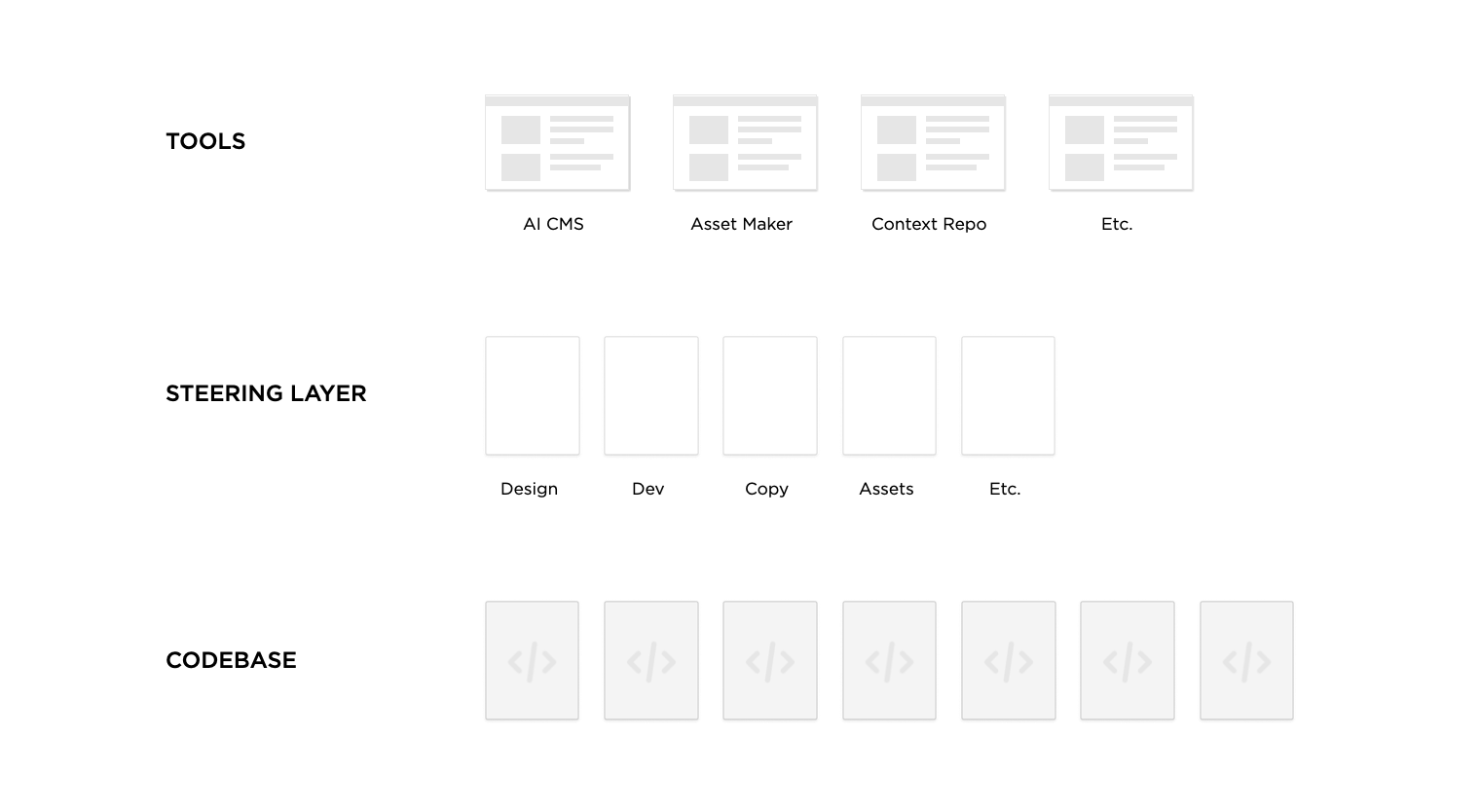
Still on the tool level. When would it become a junior designer?
 Jess Weatherbed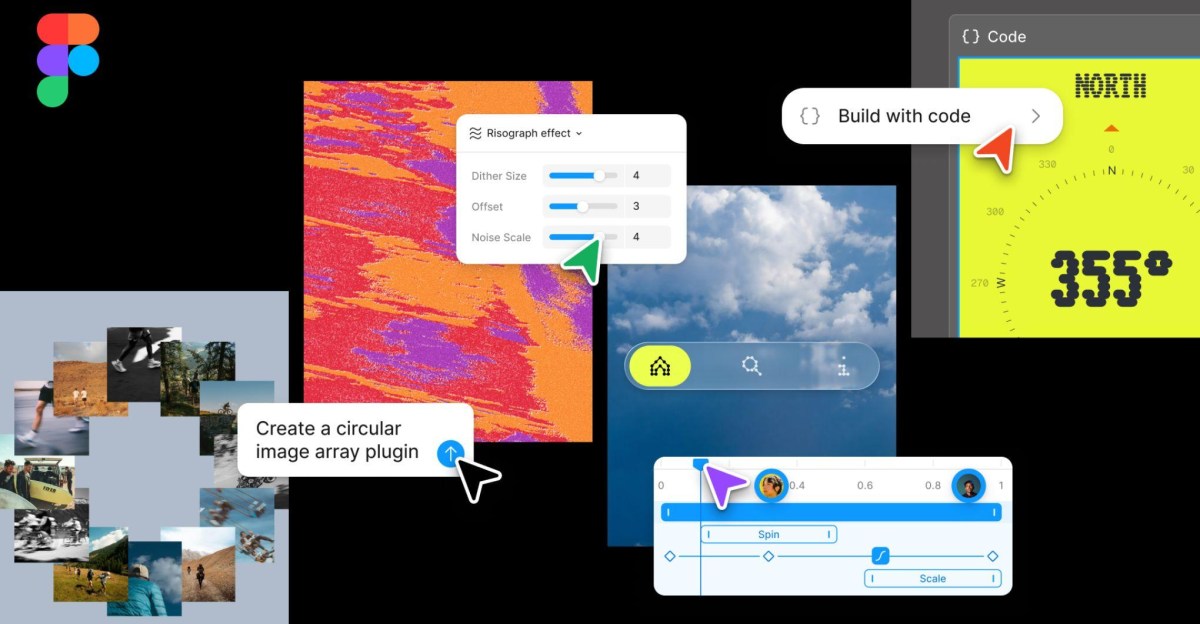
In science, a bit more is needed.
 Reed Albergotti
AI is learning though.
 Katie Parrott
Agent memory as a mechanism.
 Angie Jones
Physical AI
This example of a teaching humanoid makes the point more clearly that humanoids are not the way to go. I am also not yet convinced by that Figure.
 Jijo Malayil
 The Robot Report Staff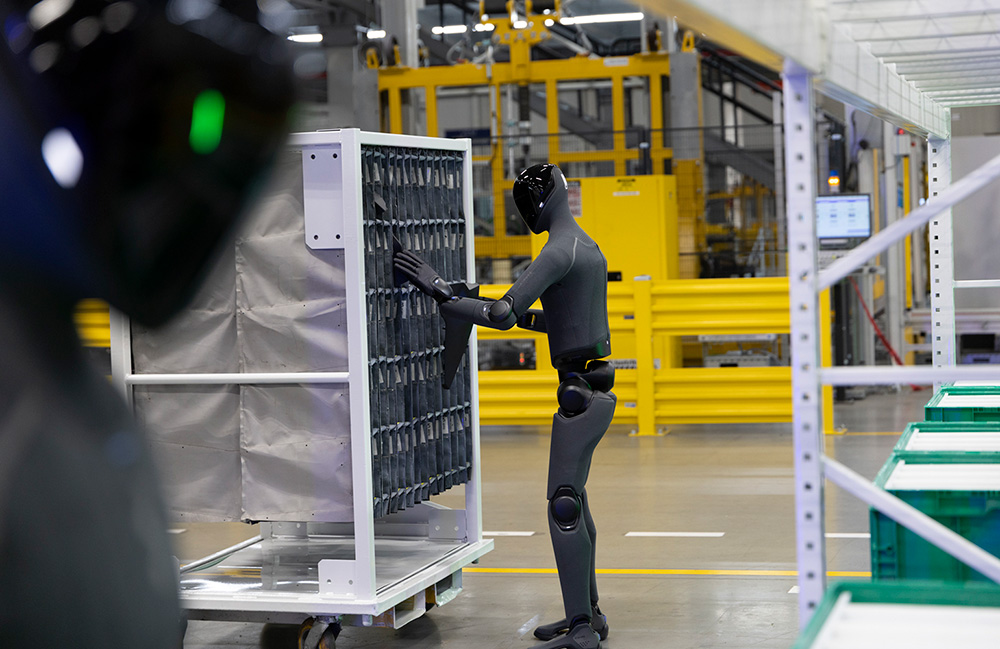
What is this hinting at? Is coding like composing with Codex?
 Emma Roth
It is a strange phenomenon that smart home is not that smart yet
 Stevie Bonifield
A new form of space, a digital likeness, emerge from future AI wearables. Who controls?
 Jannet Riveros Gomez and Samantha Nicole Spector
Physical AI is hot. World model makers.
 Matt O’Brien
Nice story to go back in time when Intelligent things were the future promise.
 David Pierce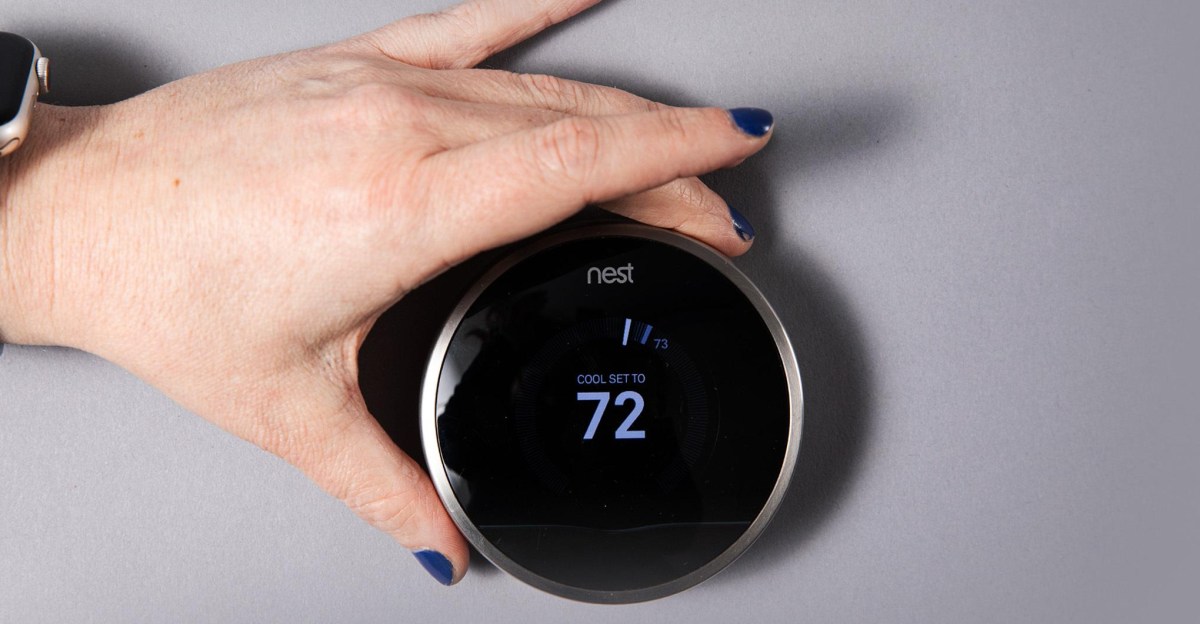
There are more senses than video and audio.
 Brandon Sánchez-Mejia/UC Berkeley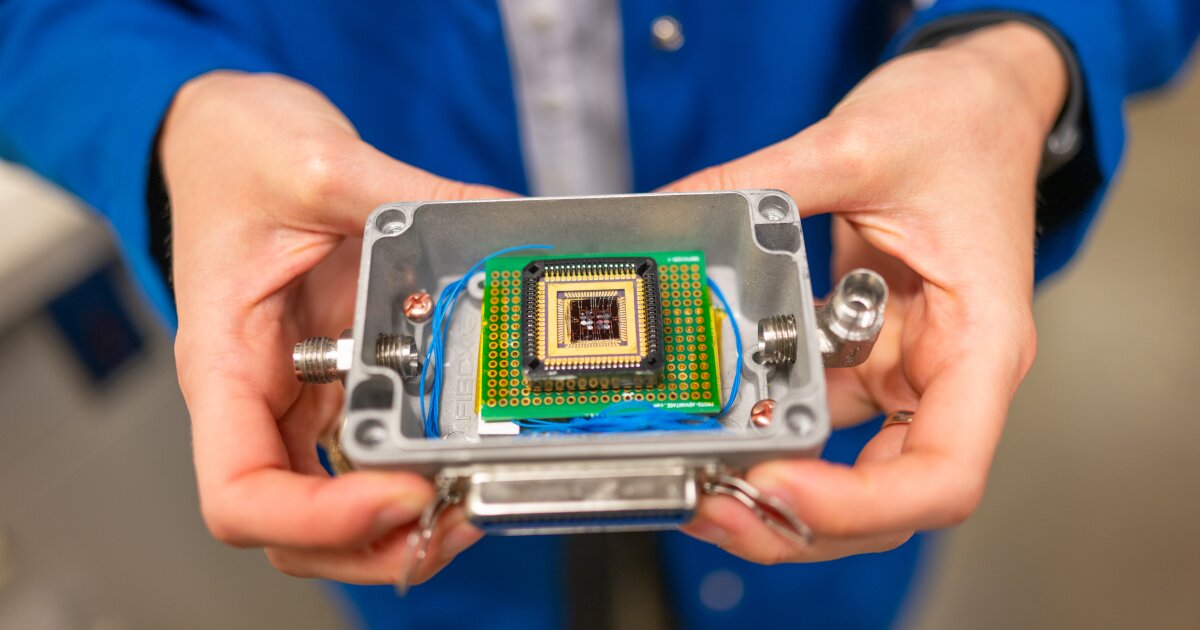
Another poetic embodied AI thing.


And less poetic. But embodied.
Tech in societies
How to deal with inflated expectations according to Doctorow?
 Jennifer Ouellette
Is it a cargo culture?
 Ed Zitron
The politics of the models
 Trakkr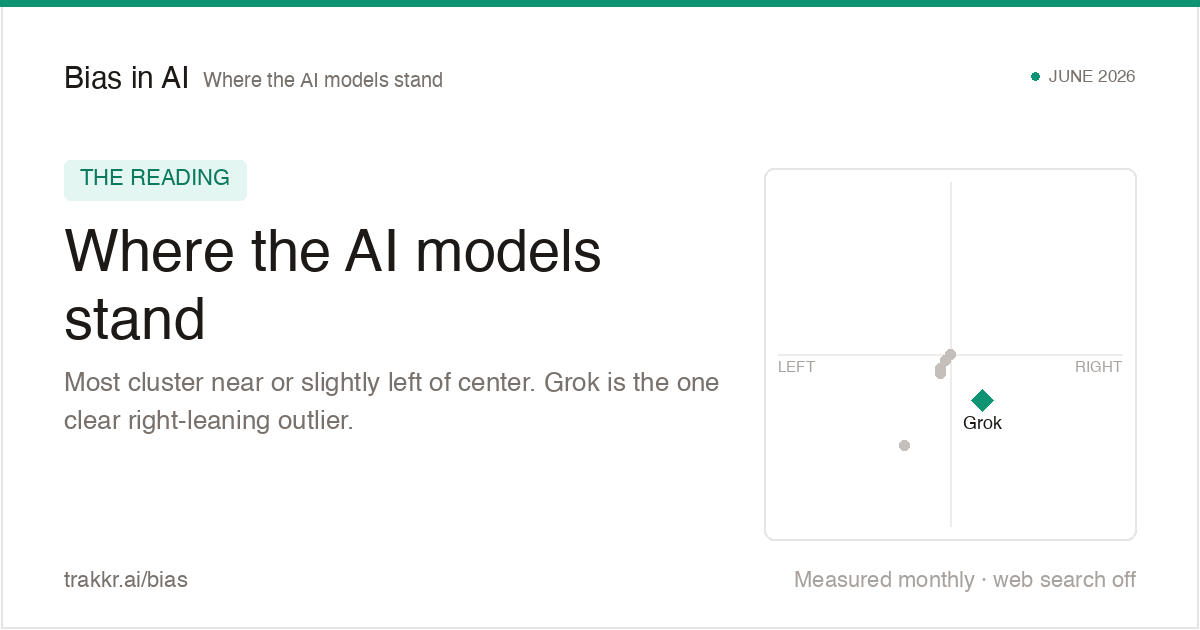
Evil founds evil. The ultimate addiction machine in the hands of the addiction dealer.
 Brendan Ruberry
Fight the platform wars
 Anil Dash
Who controls the agent loops?
 Michelle Smith
What is the state of the AI economy?
 Azeem Azhar and William Gildea and Nathan Warren and Hannah Petrovic and Marija Gavrilov
And how about European tech sovereignty?
 Cecilia Rikap and Vali Stan
Weekly paper to check
This is near to my heart on multiple levels, from critical making to community infrastructure.
Collective machine teaching: rehearsing non-extractivist situated approaches to AI
This paper describes a participatory experimental design project that adopts a critical making approach to rehearse collective machine teaching to distribute rescued food. It argues that collective training data generation is key to translating the affective and convivial aspects of the community’s deliberations into the algorithmic c of the distribution infrastructure.
Bedö, V., & Güngör, O. (2026). Collective machine teaching: rehearsing non-extractivist situated approaches to AI. CoDesign, 1–16. https://doi.org/10.1080/15710882.2026.2685868
What’s up for the coming week?
In the coming week, I will attend a session on an innovation agenda for resilient AI infrastructure, attend the opening of the humanoid application centre in Schiedam, and, if possible, visit the master graduation show at Avans, where I gave a guest lecture earlier this year.