The pun of moving from AI to AIR
Weeknotes 394 - Snap's new Specs isn't the future of AI in reality—it's a geiger counter that gives us a first taste of AIR, the shift from augmented reality to a world where intelligence is woven into things, spaces, and infrastructure.
Dear reader!
Writing this while it is finally below 20 degrees. The overton window for temperature is also on the move… Looking forward to coming this Friday to present the latest ThingsCon RIOT report. It is nice to have a stack of paper versions here in the room waiting to be distributed :)
You can still drop by and learn next to the RIOT, also about how algae can help us understand regenerative design for AI. Find out more here at the event page.
Week 394: The pun of moving from AI to AIR
Last week, I had a very rich session with Guido, diving deeper into the relationship we might build with AI to explore fifth-order design and distributed cognition. And dived further into the current state of smart mobility for a specific research exploration.
This week’s triggered thought
Snap just released its fifth-generation Spectacles, now called Specs, at $2,200—placing it alongside Vision Pro and the rumored Samsung Galaxy XR. Evan Spiegel positioned it with a 2x2 matrix: wearable vs. not wearable, capable vs. not capable. Specs, he claims, sit in the sweet spot: very wearable, very capable, ready for all-day use.
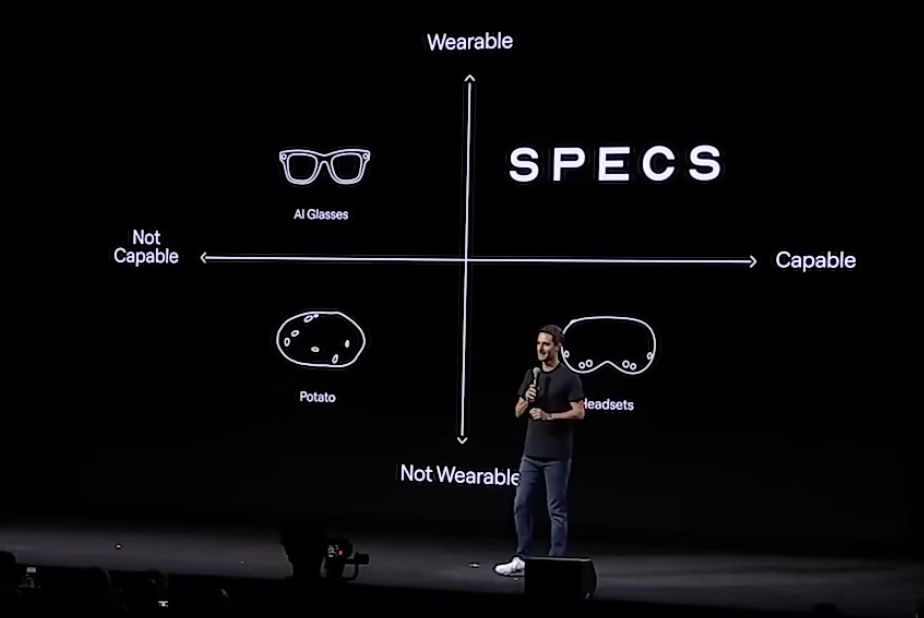
I'm skeptical about the product claim, it still looks bulky. But the framework itself is interesting. It reveals how these companies think about the space. And I find myself translating Spiegel's axes into something more conceptual.
On one axis: applied vs. immersive. Applied AI stays utilitarian, task-bound. It does things for you. Immersive AI is something you inhabit, or that inhabits your environment. On the other axis: augmented reality vs. AI reality. AR overlays information on the world. AIR as in AI Reality, weaves intelligence into the world. A world where your refrigerator talks to your composting system. Where neighbourhood irrigation negotiates with the local energy cooperative. Not smart devices reporting to a central cloud, but things that reason where they are and coordinate as assemblages, no single product team designed.
The intended trajectory is clear: these devices want to move from not-capable to capable, from applied to immersive, from AR to AIR. But the current devices, like Specs, are not clarifiers of this space. They are complicators. Explorers that show us the terrain exists without yet revealing what it means. Think of Specs as a Geiger counter for AI in reality. A first taste of AIR. It is not the final form factor I think. The real execution will likely land in more mundane combinations of phone and headset, with voice and audio leading the way, with vision as an on-top development. Yes, we end up in ‘Her-territory’.
Specs might be best as a sensing device; it makes the new interaction space visible and legible. Not as finished products, but as development kits in the wild. They let us feel, quite literally, what immersive AI might afford. How might the immediacy of our interactions become long-term relational concepts? And hopefully help to discover what services and experiences will actually make sense to build. And discover if AIR is indeed the right frame for our immersive AI future.
Notions from last week’s news
No big new drops or alike. Still discussing the Fable aftermath here and there.
Except Specs, as mentioned above, with reservations.
And Midjourney, my go-to image generator, is doing an interesting pivot in health care imaging
 Mariella Moon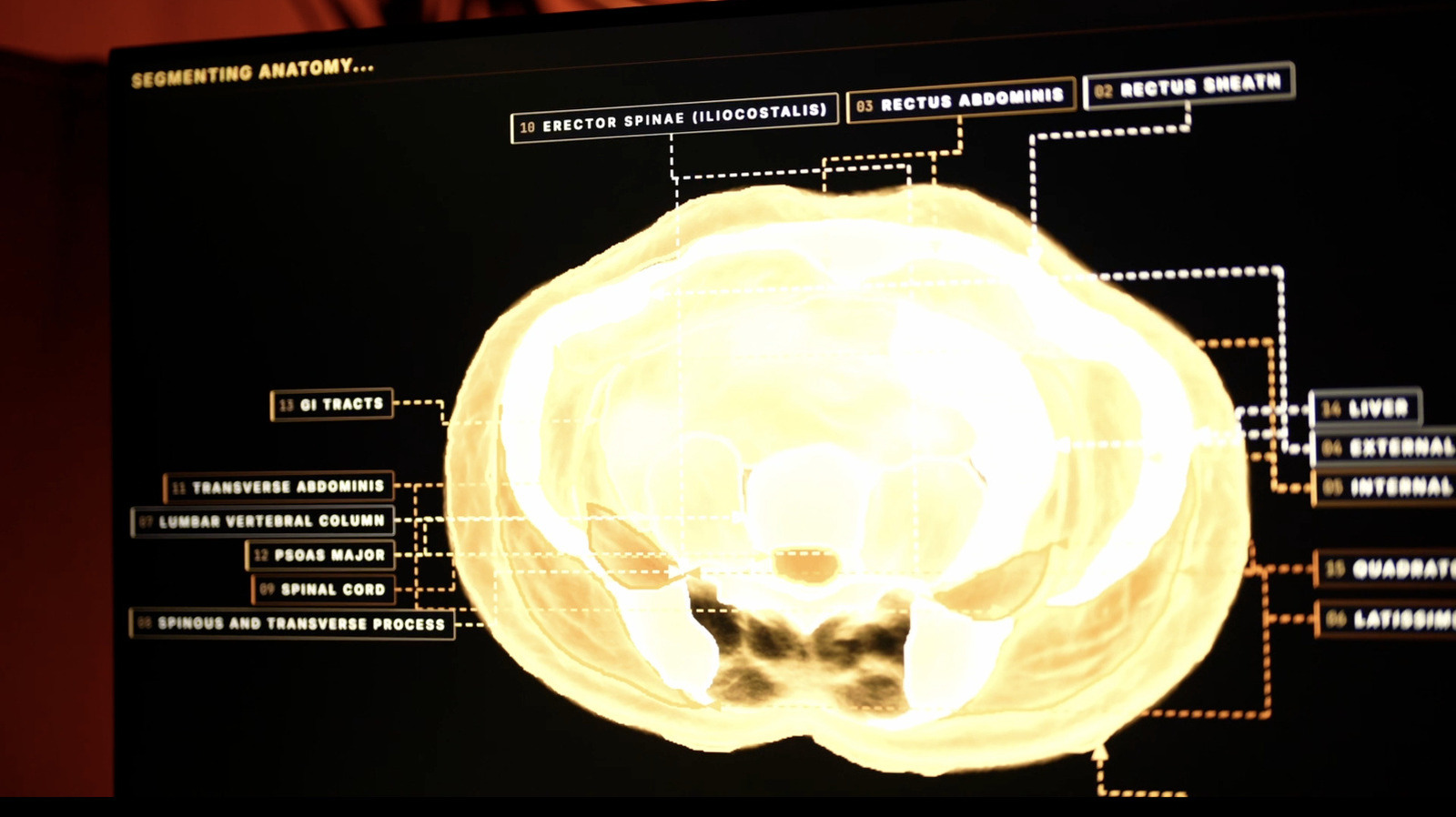
Human-AI relations
New forms of identity appear. In the weights.
 Jason Kottke
The tools shape us.
 Jess Weatherbed
 L. M. Sacasas
The path towards full delegation might be bumpy. And unhealthy.
 Benjamin Mazer
Design and AI, a reflection by future designer
 Zach Deocadiz
Physical AI
Enpire by Nvidia might have been here before, but not sure about this pictorial.
 Jeremy Hsu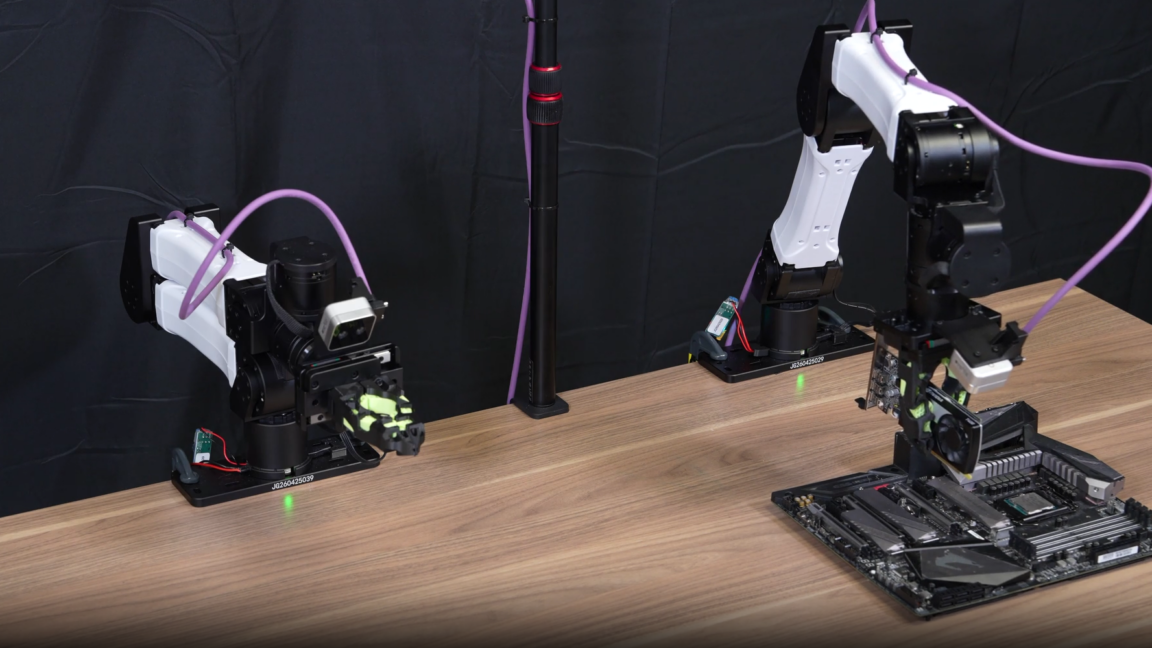
The exoskeleton for good.

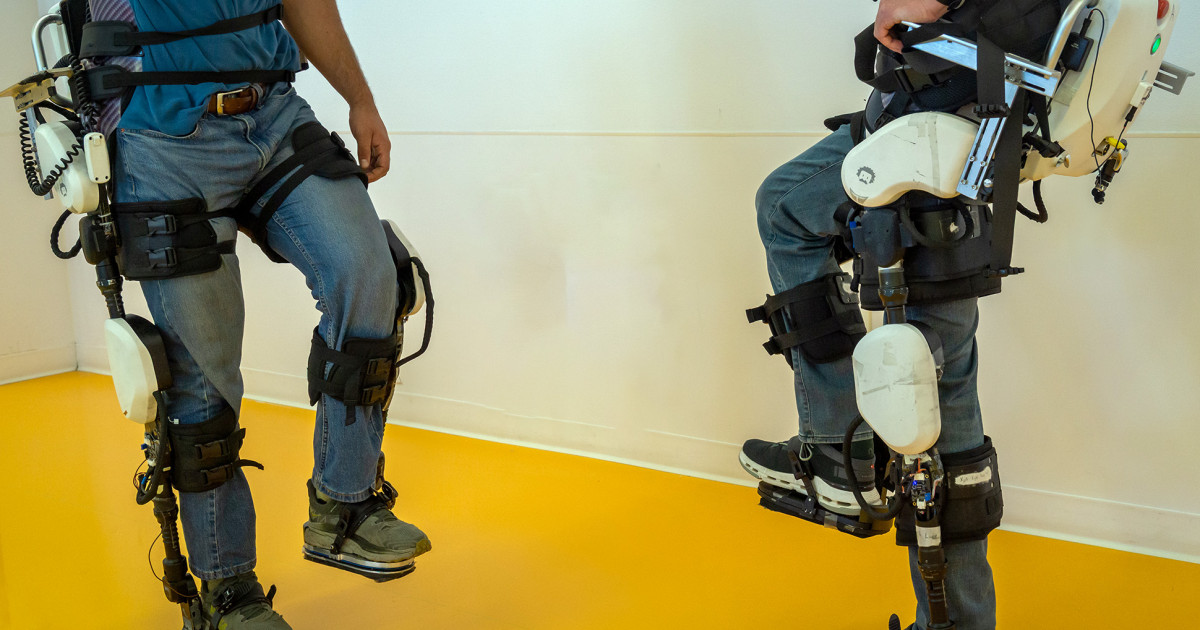
Biomimicry for efficiency
 Etiido Uko
Safety as a feature for robotic AI platforms. Halos.
 The Robot Report Staff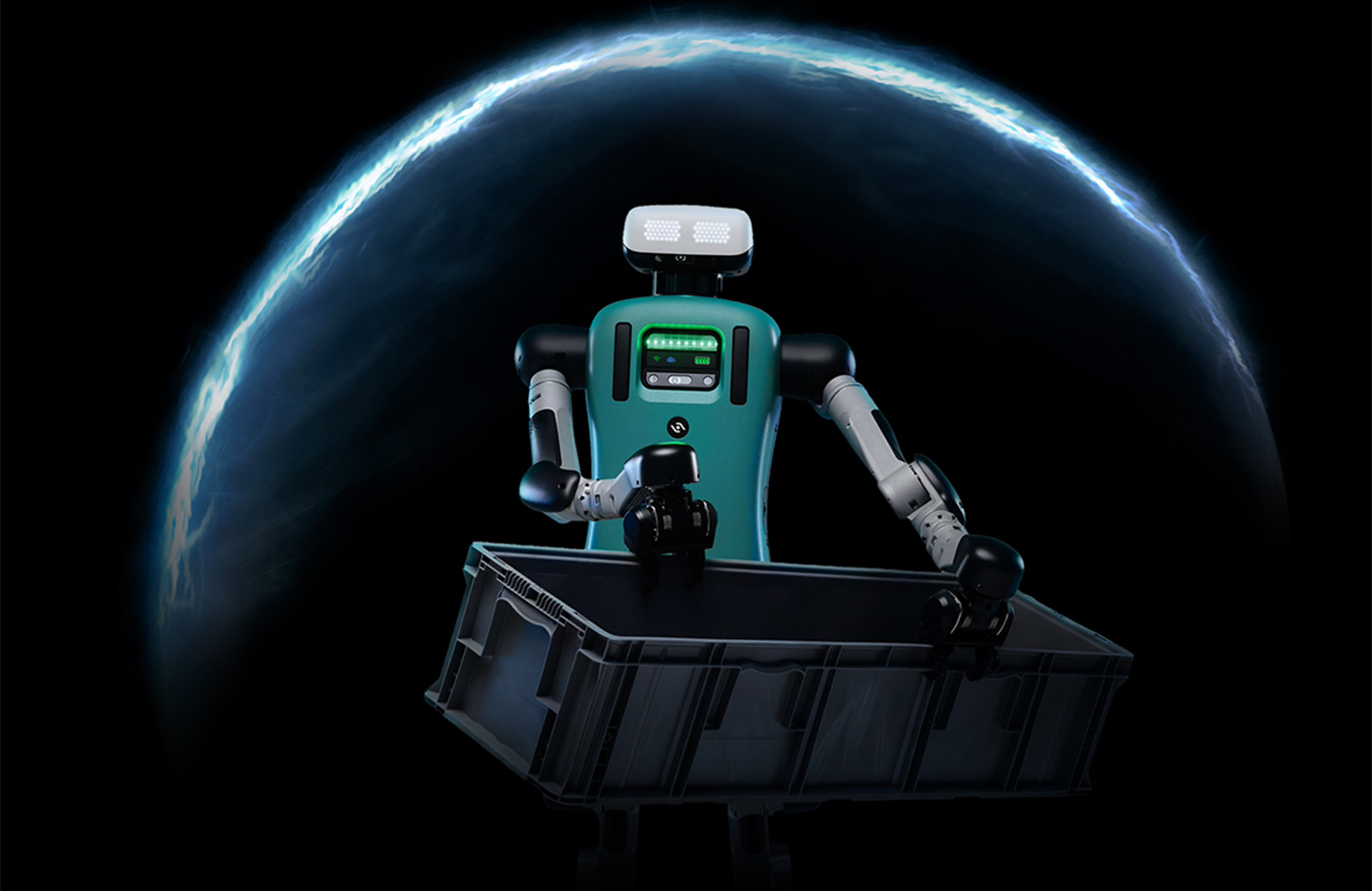
Finally, this was clear all the time
 Robert Hart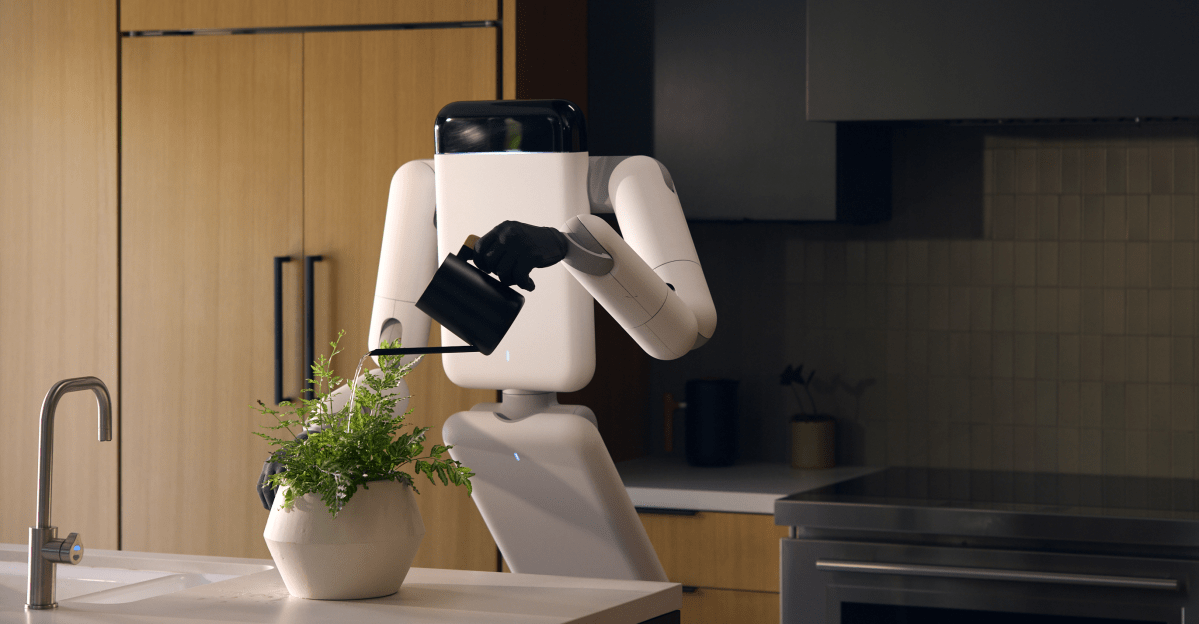
 Steve Crowe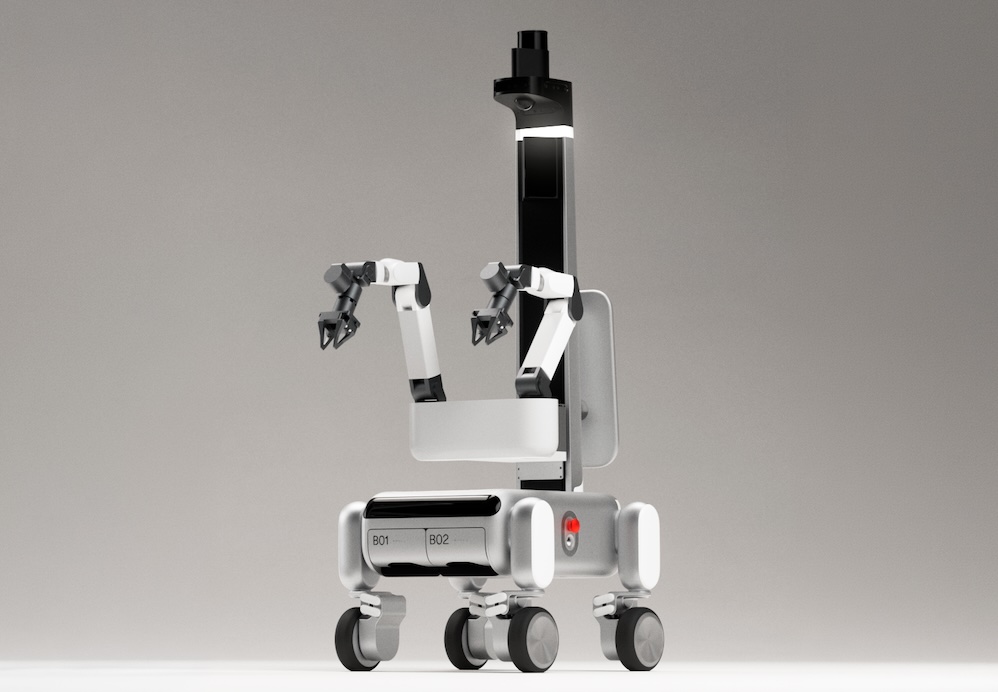
I listened to this podcast, a nice history lesson on a household robot that would once be a mechanical wiper.
 David Pierce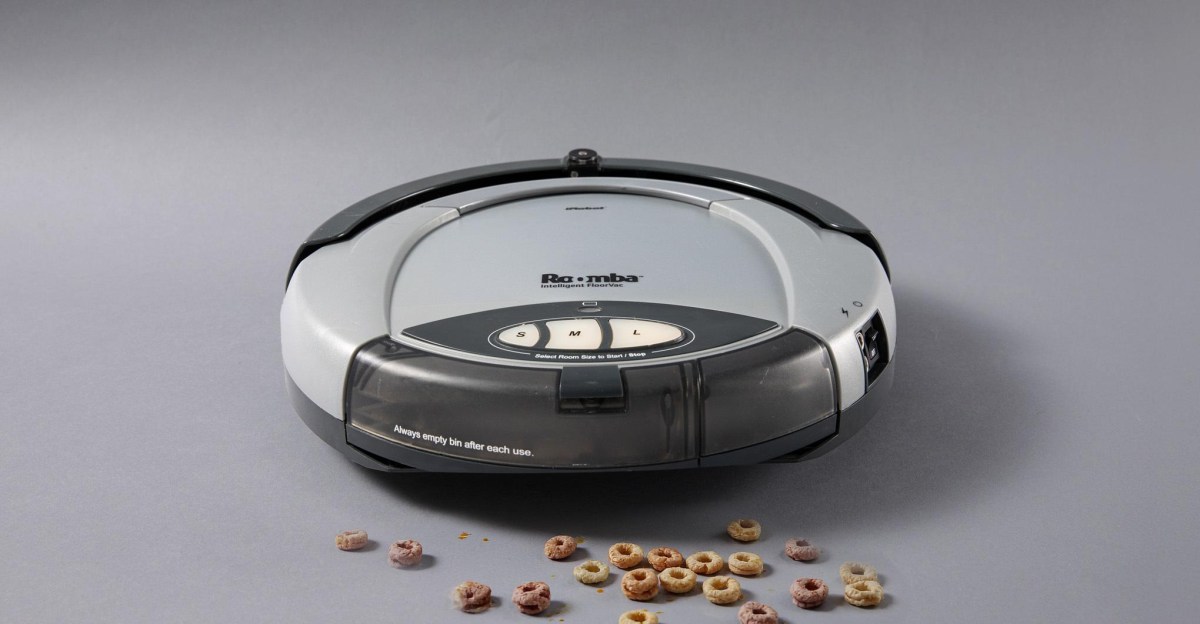
More efficient models are always good to follow
 Will Douglas Heaven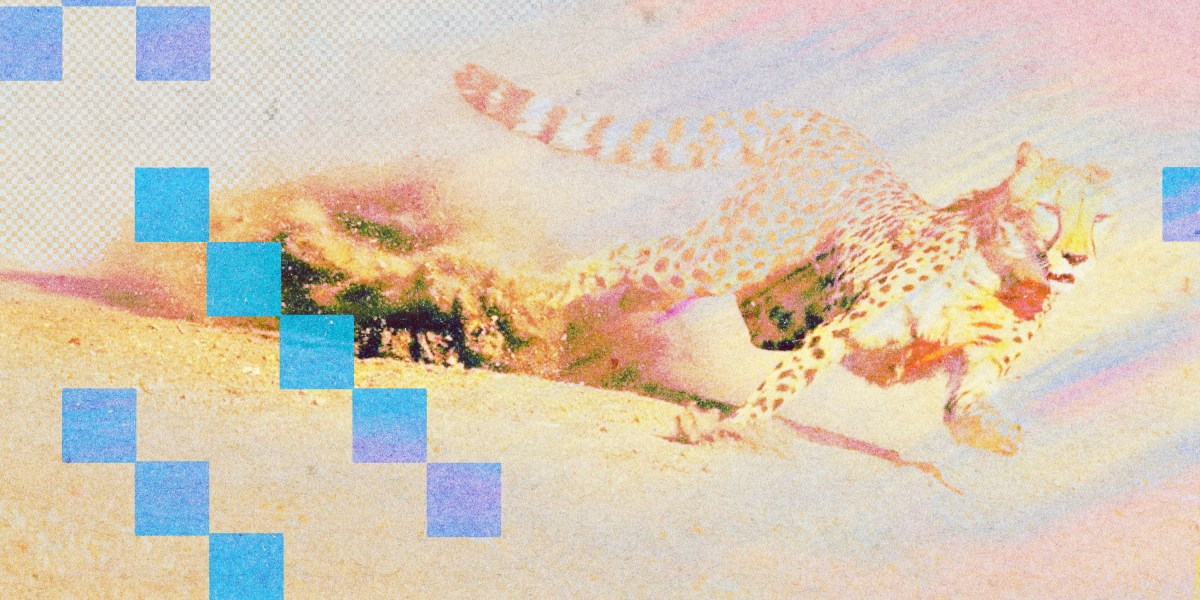
Photography in latent space. With agents.
 Venkatesh Rao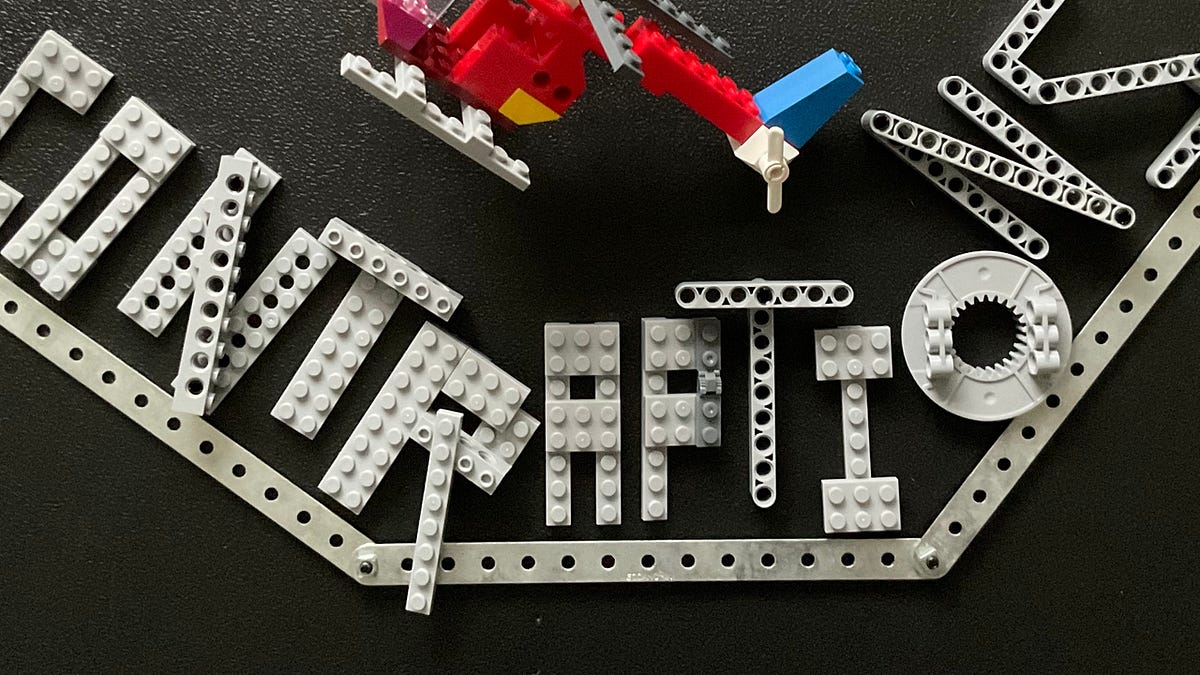
Not sure if I can classify this as embodied AI or just another crazy IoT gadget from the OGs.


Tech in civic societies
The day that you would expect to come. AI citizenship execution.
 Jose Antonio Lanz
This feels like a strategy for more problems.
 Jordyn Abrams
Don’t forget to create strategies to prevent the AI get extinct.
 Damian Carrington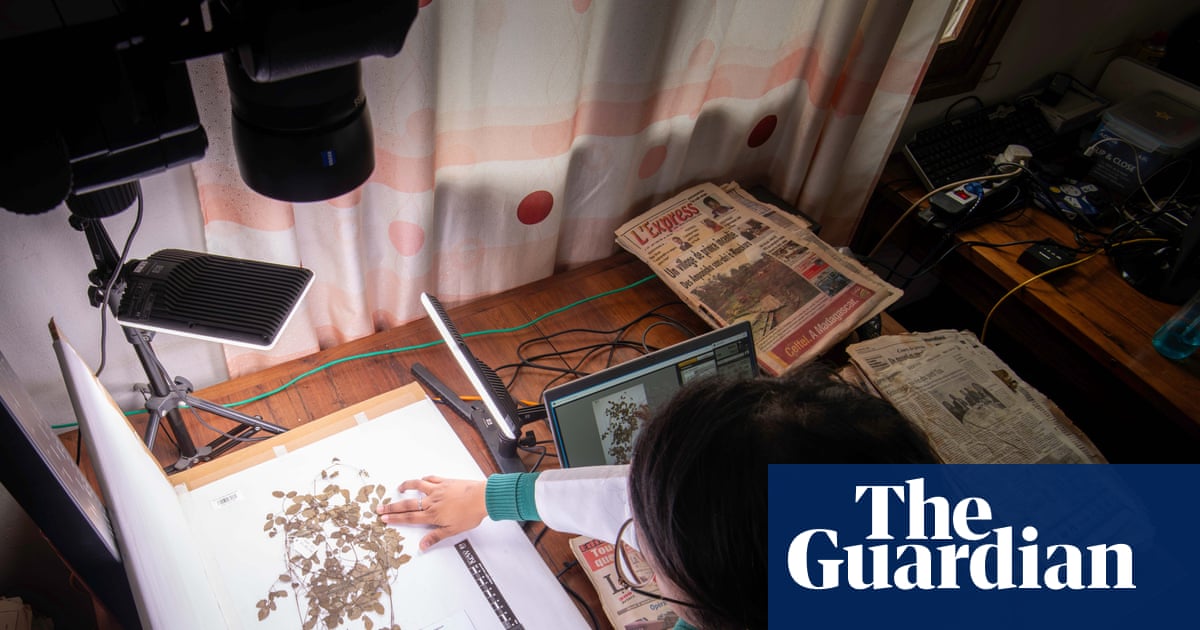
A new form of space race.
 Stephen Clark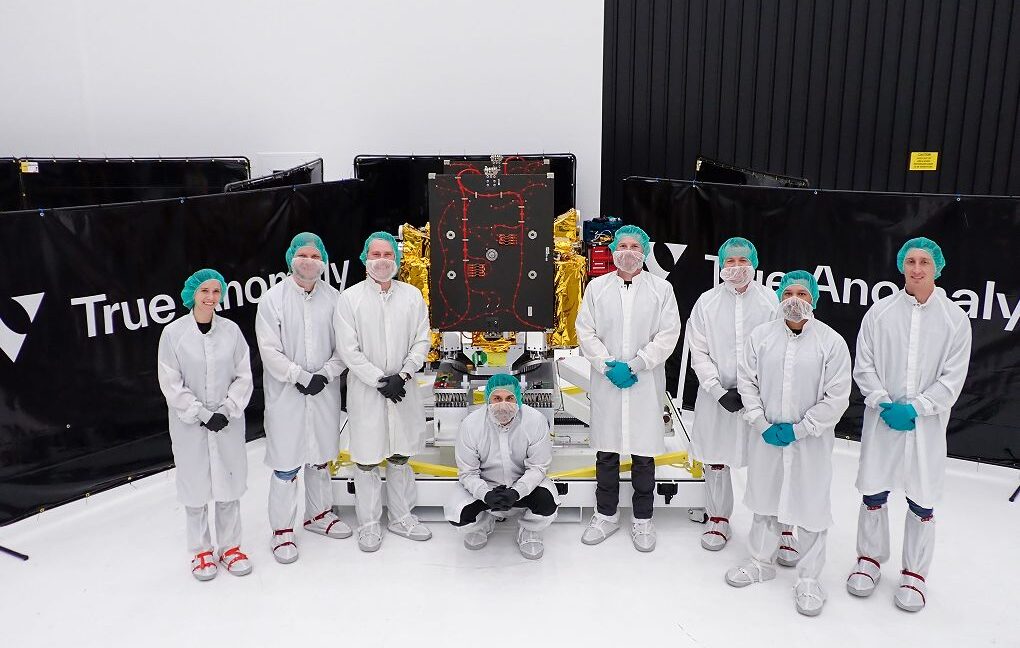
Tech Solidarity became Tech Workers Coalition and now more localized.
 Varsha Bansal
Understanding Luddites.
 Brian Merchant
Sign of the times. Slopfluences
 Sarah Marsh
Weekly paper to check
Small AI: A degrowth imaginary for designing with/for artificial intelligence
We explore different types of Small AI: initially in relation to the size of models, as smaller models require less computational resources for both training and inference, thus implying a smaller ecological footprint. However, we extend the meaning of smallness to apply to political, epistemic and cultural domains as well.
Bendor, R., Murray-Rust, D., and Rehak, R. (2026) Small AI: A degrowth imaginary for designing with/for artificial intelligence, in Simeone, L., Gray, C. M., Verhoeven, A., de Götzen, A., Bakırlıoğlu, Y., Zohar, H., Stead, M., and Buwert, P. (eds.), DRS2026: Edinburgh, 8–12 June, Edinburgh, United Kingdom. https://doi.org/10.21606/drs.2026.1193
What’s up for the coming week?
See you this Friday in Rotterdam for Making the Symbiocene and RIOT2026. And/or this evening for the closing of research on Human Values for Smarter Cities. I will be checking out this PhD defence on Queering AI. Not sure what to expect, but might check this live stream.
Have a great week!
And finally...
Are you interested in diving deeper, more specifically, into a question you or your organisation has? I am available for short or long reflections, in-depth research, inspiration sessions, guest lectures, or workshops. Or organising this as an (internal) event.
The new manifesto for The Agentic Turn in Immersive AI and the sourcing research is a foundation. Let me know, and we'll check what is possible. Or check Cities of Things, ThingsCon, Civic Protocol Economies as examples of my latest work.