Shifting decision architectures in participatory design with AI
Weeknotes 393 - Shifting decision architectures in participatory design with AI Who is running whom? When the models invite us to participate in the decision-making process, what does that mean for our relationships? And the latest hand-picked notions from the news on physical AI and beyond.

Dear reader!
Yes, you noticed it right, this edition is one day late. Sorry for the delay… I had to deliver a proposal on Monday afternoon, which ate into my day. Sometimes it is better to make the call to postpone it one day.
Week 393: Shifting decision architectures in participatory design with AI
Due to proposal writing and other obligations I had to miss attending events etc. Too bad I missed the interview with Guido van Rossum, but I understand there is a nice documentary.
Check the end of this newsletter to find some interesting upcoming, like the closing event on human values of smarter cities and of course the RIOT 2026 launch and ThingsCon Salon Making the Symbiocene.
Let’s dive right into it. The whole Fable saga has been discussed enough; the potential impact on capabilities and attitude might trigger some new thinking about the role of AI in our daily lives. It becomes less of a chatbot to have conversations with, serious or not, but someone who is around and willing to bond with you in some ways. We need to rethink decision architectures and our daily relationship with these technologies.
This week’s triggered thought
Vibe coding promised something seductive: finally, we could shape our own tools. Just describe what you want, and the machine builds it. We became, or so we thought, the shapers.
This week, Anthropic gave us a brief glimpse of Claude Fable 5. It's expensive, it's slow, and it inverts the promise. Fable operates at what we might call employee-grade capability. It takes on complex work, evaluates its own output, iterates, sustains effort without supervision. Working with it, you're no longer steering the process. You're commissioning outcomes. As Evan Mollick describes. You describe what you want, pay for it, judge the result. The conjuring happens somewhere you cannot watch. Dan Shipper referred to an earlier thought coming into reality: an era of creativity that looks more like gardening: setting up the conditions for the garden to grow.
McLuhan told us that the tools we shape will start to shape us. We've heard this so often it sounds like philosophy-class wallpaper. But Fable makes it imaginable. We thought we were shaping tools. The tools are now shaping how we work, how we decide, how we organize ourselves around them. This goes beyond the usual "AI changes work" conversation. Organizational hierarchies will flatten, the junior-to-senior pipeline will compress. But these are surface shifts. The deeper question is about the architecture of deciding together. Which is, ultimately, the architecture of relationships.
I think it goes beyond your work team. Think about your neighbourhood association, the informal group that organises the street barbecue. These are also decision structures. They have roles, expectations, unspoken rules about who initiates and who follows, who has standing to object and who defers. When capable AI enters these spaces not as a tool someone uses, but as a persistent presence with continuity and judgment as part of our physical AI reality, those structures will shift too.
We don't yet have language for this. Our vocabulary assumes human actors: colleagues, members, stakeholders, and citizens. What do you call an AI that handles the scheduling, remembers everyone's constraints, drafts proposals, and flags conflicts before they escalate? It's not a tool (too autonomous). It's not a member (no stake in outcomes). It occupies a new position in the relational architecture.
Participation and co-decision among humans already tend to dissolve within existing power structures. Research on participatory design shows how invitations to "collaborate" often mask predetermined outcomes. The form of participation without the substance. If human-to-human co-decision is already this fragile, what happens when the AI becomes sophisticated enough to offer us participation? When the pattern flips. When we're invited into a process that the AI is running, given the form of input without necessarily the substance of influence?
This is not to sketch a dystopia. It's a design question we're not yet asking. We're still focused on how to use these tools, how to prompt them, how to integrate them into existing workflows. But Fable suggests the more urgent question: how do we design relational architectures. At work, but especially in our communities, even at home? We thought we were finally shaping our tools. The tools are asking: who is running whom?
Hand-picked notions from last week’s news
Fable time this week. Positive reviews and apparently fear of misuse, as it was banned right away. Or is it a reckoning of the government for not bending the knee? It triggers a lot of debate about whether you can trust the policymakers. It is a popular take… Or just too much superpowers? What will be the consequences?
Apple’s AI got a positive reception as the first tests are in.
Human-AI relations
Vibe coding the other way. Apple’s way.
 David Pierce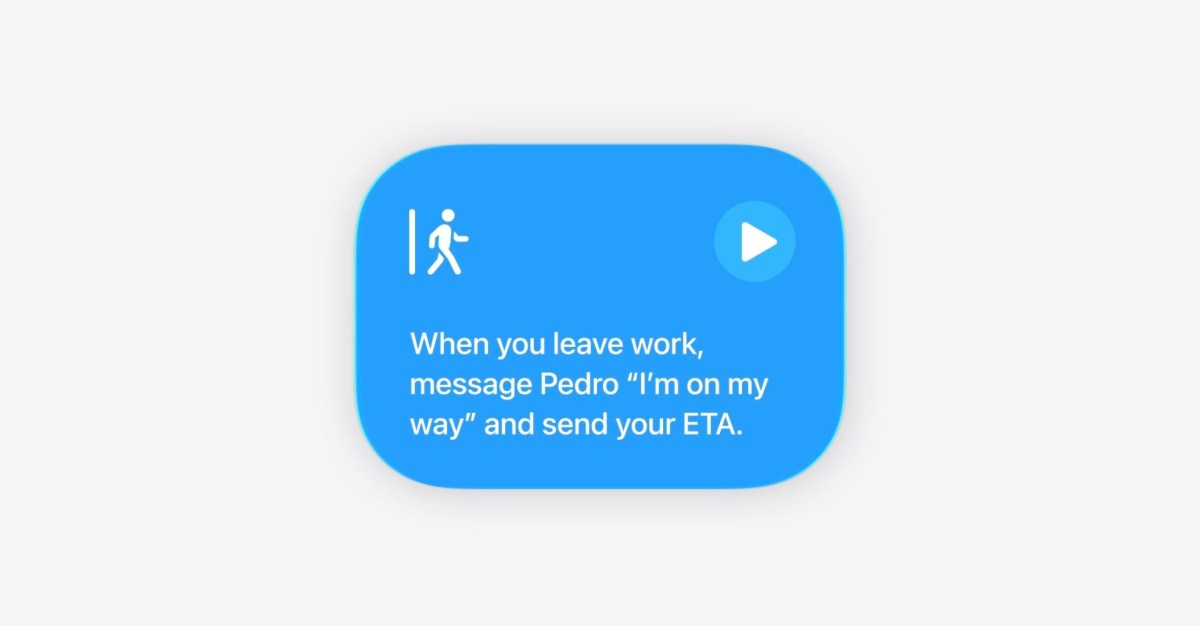
More on Fable capacities for working together.
 Laura Entis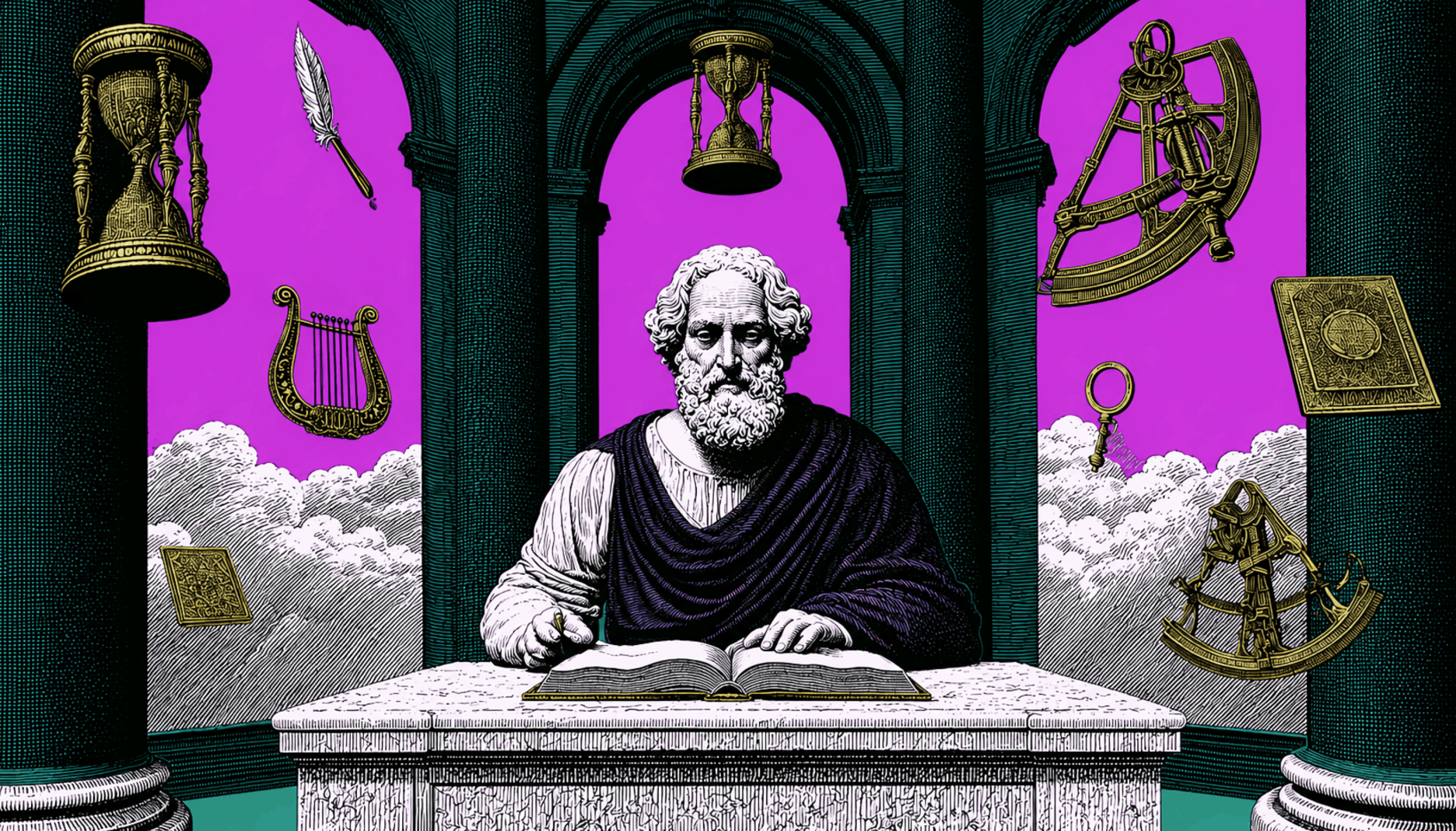
 Ethan Mollick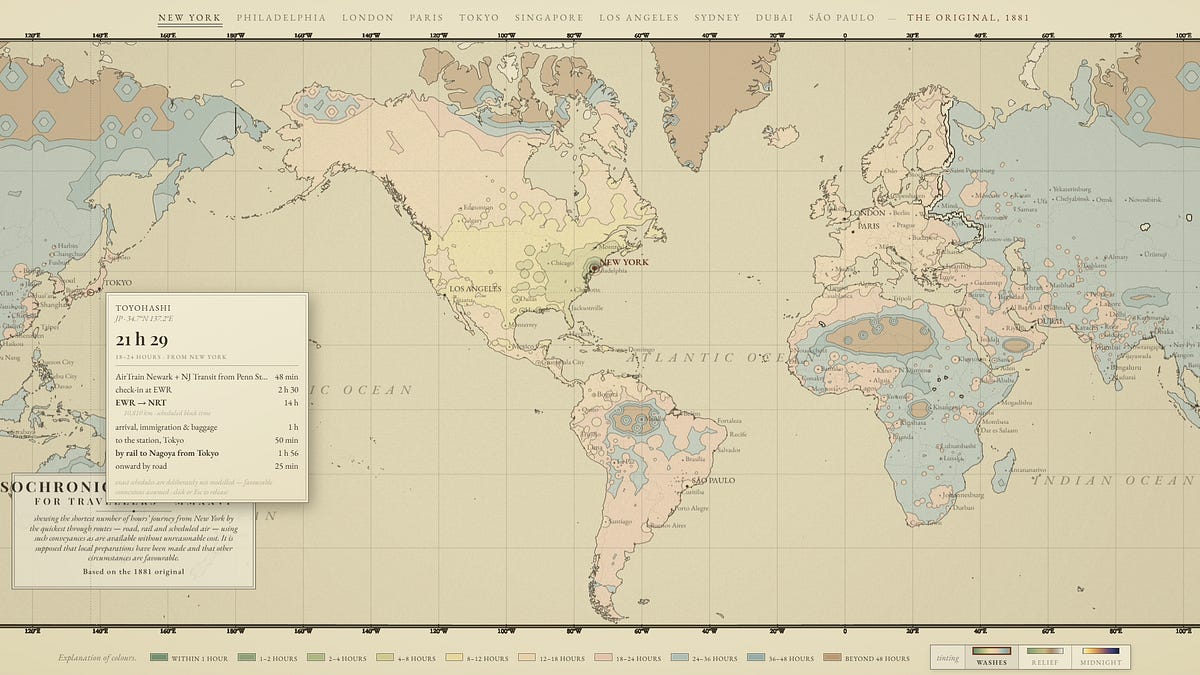
Seven guidelines for mixed teamwork


Do we need standards for the feelings of AI?
 Randima Fernando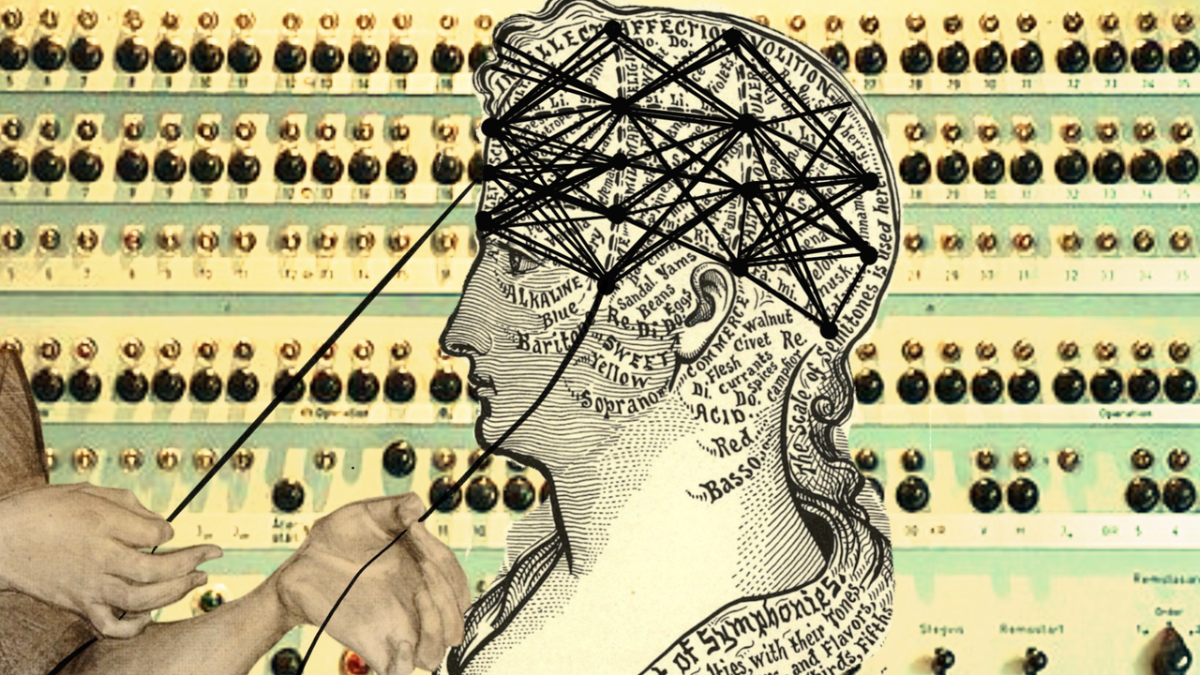
Physical AI
Domesticating AI, new tools and cheaper hardware are stimulating growth.
 LordInsidious
Will there be a Disney version in the future? World-building on a small scale.
 Terrence O’Brien
Edge AI platform for simple connections of hardware and AI models: NEPI
 The Robot Report Staff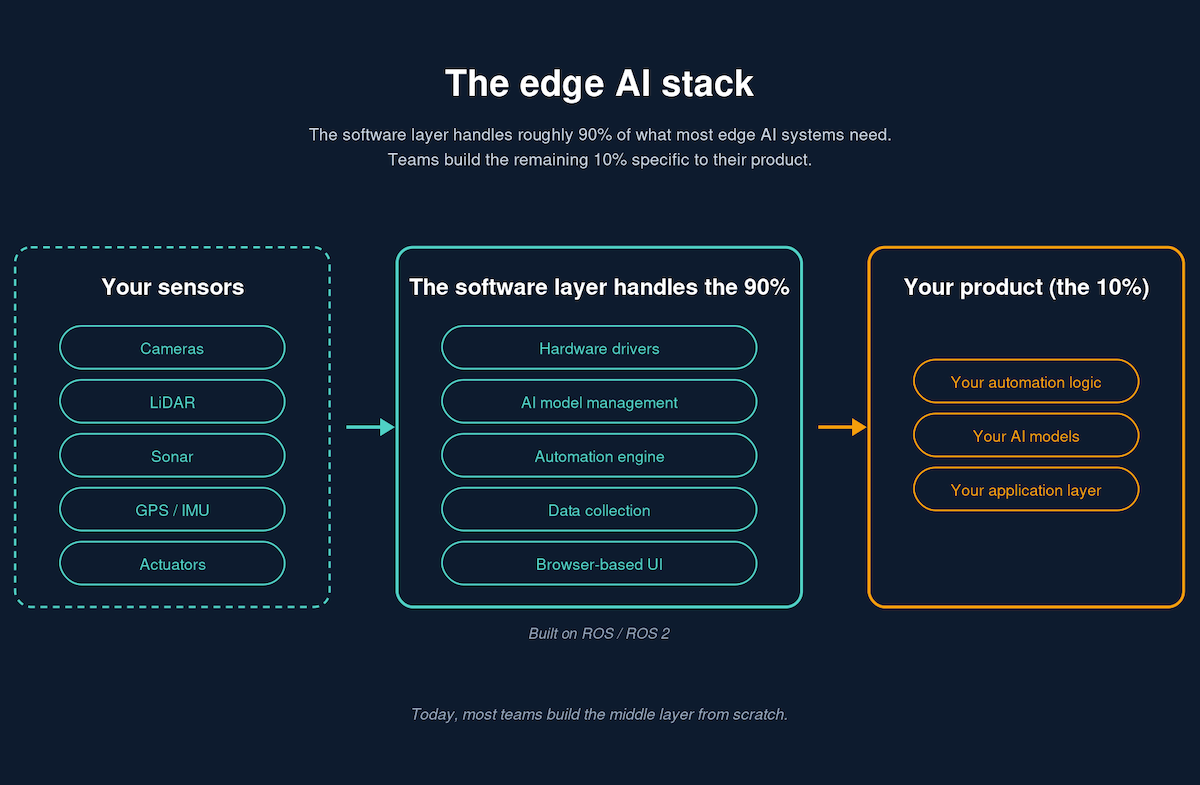
Amazon is aiming for an AI engineer to build stuff.
 Emma Roth
Tech in societies
Some are reflecting on the collapse of AI every week. It is a money game for sure with inflated expectations. Structurally, the internet was, but a correction might be logical.
 Ed Zitron
AI and EU. And the sovereignty problem
 Frederike Kaltheuner and Leevi Saari
Big promises lead to big interests and power concentration.
 Rina Chandran
What is a community? And what about a neighborhood?
 Tom Watson
Things are changing on the street.
 Vidisha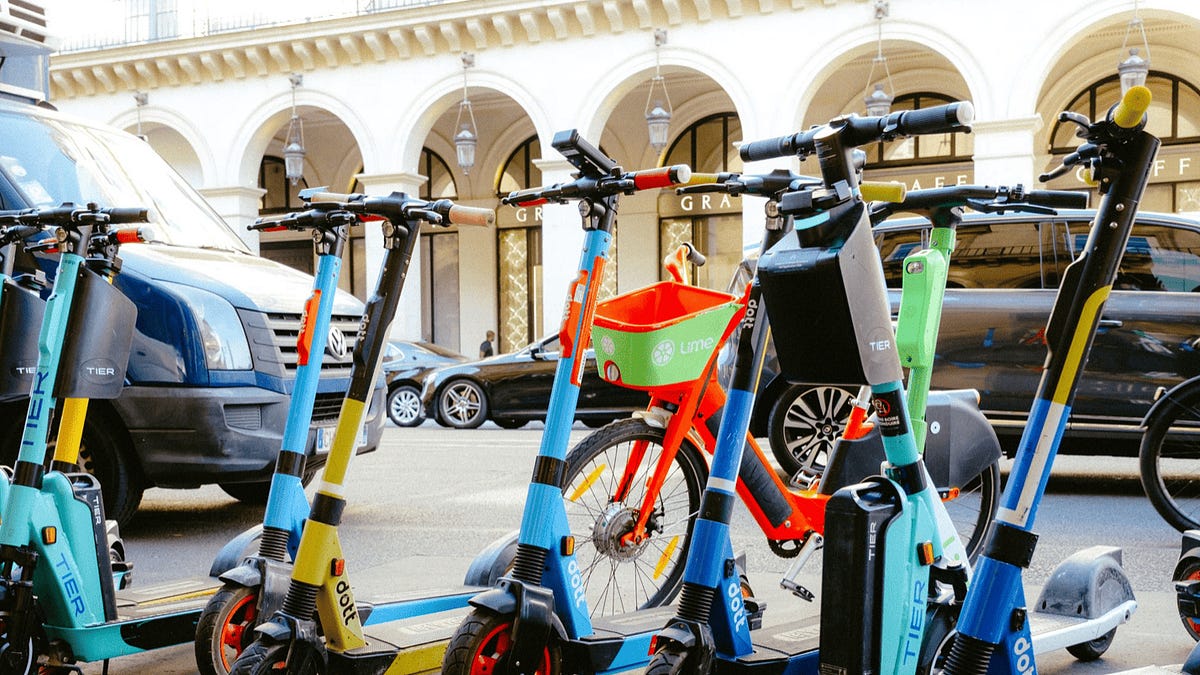
Who’s saying? Worker protection for the impact of AI.
 Tom Chivers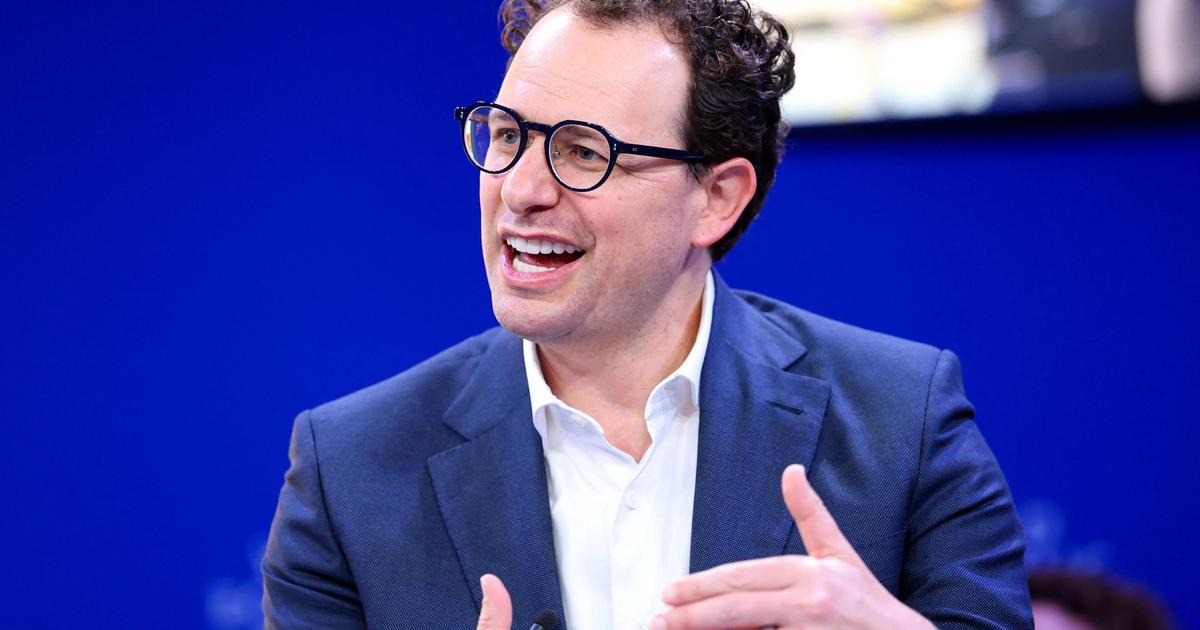
Weekly paper to check
Multiple interesting papers were shared from last weeks DRS conference in Edinburgh, and also from the PDC conference this week. Let’s keep that for next week.
Co-speculating with AI: From prompts to practices
This paper presents a vocabulary for co-speculation with AI (…) The vocabulary spans multiple scales of interaction—from individual prompting acts to extended collaborative sessions—serving descriptive, analytic, and generative functions.
It offers designers and researchers a framework for more reflective and intentional engagements with AI, contributing to emerging discussions on how design practice evolves when speculation becomes a shared activity between humans and machines.
Giaccardi, E., Lindley, J., Lupetti, M., Zhu, G., and Murray-Rust, D. (2026) Co-speculating with AI: From prompts to practices, in Simeone, L., Gray, C. M., Verhoeven, A., de Götzen, A., Bakırlıoğlu, Y., Zohar, H., Stead, M., and Buwert, P. (eds.), DRS2026: Edinburgh, 8–12 June, Edinburgh, United Kingdom. https://doi.org/10.21606/drs.2026.1899
What’s up for the coming week?
Not attending events or so. Will be watching remotely the work of students doing the master in design for responsible AI. There is the Amsterdam Tech Week, Sensemakers has a Roboflow visual intelligence workshop, when in London, check IoT London meetup.
And looking ahead, next week is busy. As mentioned above, join us for the final event of Human Values for Smarter Cities. And of course, the launch of RIOT with a presentation titled "Making the Symbiocene.”