Rehearsed worlds, lived worlds
Weeknotes 411 - Google Deepmind new simulation mirror world, what does that mean for a phyisical-pilled AI world.

Dear reader!
On the verge of a possible change in the US with potential consequences for the rest of the world. However hard to predict: will it be more TACO or more ICE… When we created the manifesto for designing with immersive AI earlier this year, we focused on the design considerations for better immersive experiences for physical and embodied AI. Now we see more and more how basic security is challenged in a combination of connected environments and AI capabilities. Hopefully, we can focus on other aspects. Refocusing on local networks, slow AI, and edgy things communities might work…
That said, let’s dive into the news and triggered thoughts from last week.
Week 411: Rehearsed worlds, lived worlds
Last Tuesday I joined a panel at Pakhuis de Zwijger, in the Designing Technology for All series, on what we leave behind online. I was invited by Muskan Jain, whom I know from her graduation project for the Master Digital Design at the HvA: the Memory Ball, an object that unlocks memories tied to the place in the city where you find it. We had many conversations back then about what the physicality of the ball should do and how much it should reveal. She is still developing it, and I’m curious where it will go. This time the starting point was another project she co-created with Victor Jimoh and fellow students: Conversations That Matter, a card-based toolkit with a companion website that helps people talk about their digital legacy at the end of life. I liked that it is a card deck without gameplay. It is a way to structure your life around moments and things that can trigger these conversations, a physical tool for a digital question.
Victor moderated. Kanika Makhija of Het Nieuwe Instituut brought a broader perspective on legacy, from how collections are described and kept findable. Samia Shafique of Digital Life Legacy brought the practical side: what next of kin need to arrange, from passwords to accounts. That left me room to zoom in on a different layer. A digital legacy is more than access to your photos and finances. What do you want to be remembered as? What did you leave in all those platforms, and is that your digital identity? Do you want to live on in some digital afterlife, as an archive, or even as your own GPT, or should it end when you do? These are questions that move quickly from the practical to the philosophical. Thanks to Muskan and Victor for inviting me.
The rest of the week was dedicated to the new project for the municipality of Rotterdam, helping to shape a community of practice, and setting up a short program of sessions on the role of AI to facilitate social structures in local communities in Rotterdam South.
This week’s triggered thought
Last week Google DeepMind opened a research preview of Genie 4, its latest world model. A world model generates an environment you can move through and change while it runs. You can add rain, shift the camera, or place a person on the corner. What is interesting, is how Genie 4 leans on other Gemini models. One grounds the simulation in how things look and behave in the real world. Another does the fast reasoning that keeps the scene coherent and breaks a goal into steps. Google’s stated aim is to test agents and robots in these simulated spaces before they meet the physical one.
There is something recognisable in that. We rehearse too. We picture a difficult conversation before we have it, or walk a route in our heads before we take it. It is also a kind of admission. A company with access to more text and images than almost anyone still needs a separate layer to make sense of the physical world. Language alone apparently does not get you there.
A simulation is an interpretation of the world, though, and in this setup it starts to work as the reference. The machine learns what a street is from the rehearsed street. Google notes that details and objects drift the longer a simulation runs. That is a technical limitation, but I can’t help reading it as a metaphor as well. Which parts of the world can be rehearsed this way? A warehouse, a crossing, a kitchen, probably. The way neighbours keep an eye on each other’s houses, or the unwritten agreement about who sits on the bench in the afternoon, is much harder to render.
With Cities of Things we have been exploring the idea of edgy things communities. What if the understanding of the world does not sit in a separate model, but in the things we live with? Things that sense, that are part of daily routines, that interact with us and with each other. Real-world intelligence would then be distributed over the objects in a neighbourhood, making sense of the world together with the people using them. The understanding is built up in the encounter itself, instead of in a rehearsal before it.
That sounds more grounded, and in some ways I think it is. It is not innocent either. Things that co-sense also co-interpret. The reality they help construct is still a reading of reality, shaped by what they are designed to notice and what they leave out. Moving the model from a data centre into a lamppost does not make the question of interpretation go away. It does make it closer, and perhaps more negotiable, because the people living with these things can see them, question them, and maybe adjust them.
The hope behind is that designing for these communities of humans and things can support a more social way of living. More based on relations and shared resources, less on transactions, and hopefully a little less polarising. AI might contribute to that if we design it well. The concern I want to keep in view sits on the other side. The more our world reaches us through models, whether rehearsed in a simulation or lived with in our streets, the more those models shape our sense of what is real. The friction of actually being somewhere, of bumping into things and people, is part of how we build agency over our own lives. When machines rehearse the world on our behalf, how do we make sure we keep practising it ourselves?
Notions from last week’s news
A different type op election; the value of an IPO. Apple is entering co-working suite. AI is entering the home, also for Amazon. Google introducing Genie 4 and Gemini 4 carbon. Or not introducing, announcing.
Human-AI relations
Vibe game development with limited human input.
 Simon Willison
The holy agentic loop
 Addy Osmani
The four things in AI in education.
http://www.downes.ca/post/79983/rd
Ghost hunting with AI. Or is AI a ghost on its own?
 Guardian staff reporter

The concept of alienation while working with AI
 Loren Stewart
Everyone their own tool
 none

 George Francis Lee and Dan Milmo
Physical AI
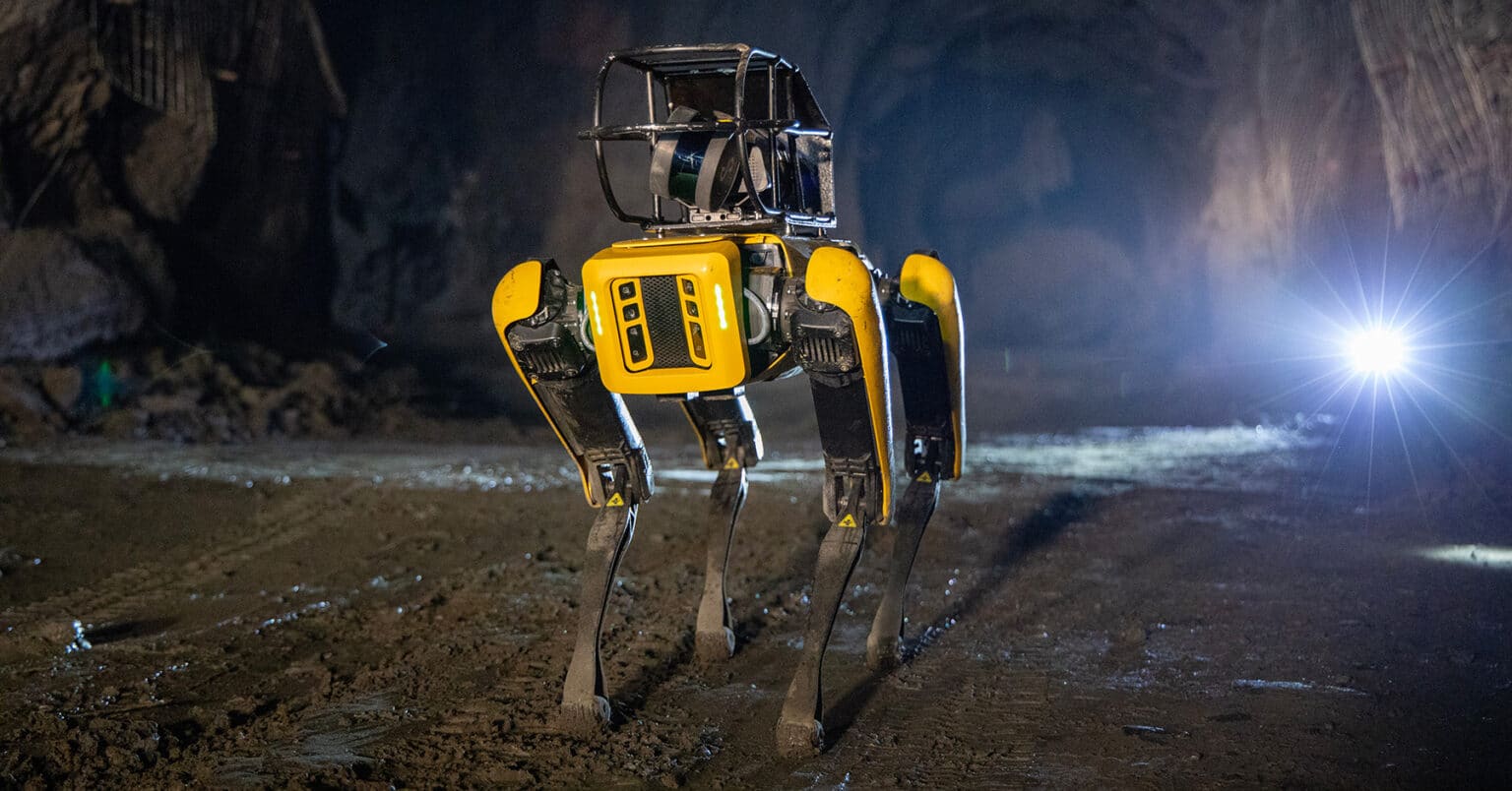
New rumors that might take some time to come true, but interesting to check in what the take of Apple is on a home robot.
Catching up with the real world for the robots and AI is the most important thing at the moment it seems.
 The Robot Report Staff
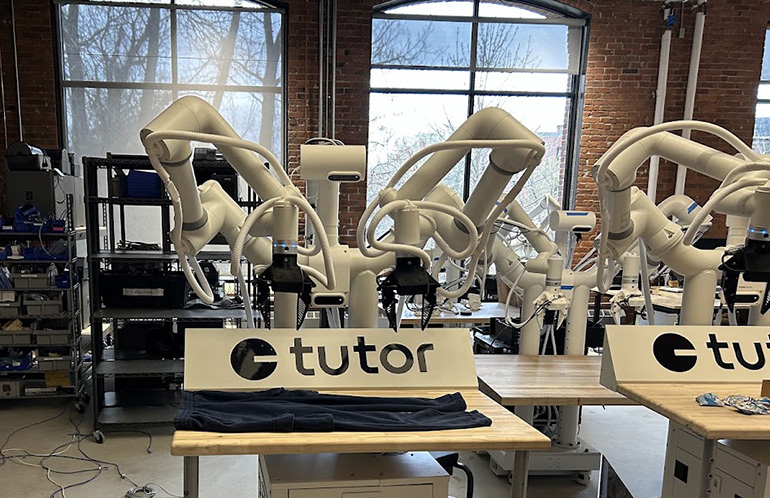
Living computers.
 vince
Smell the internet. Why not.
 Chase

I used to call these type of products “complicators”. Speaks for itself
 Andrew Liszewski

Not sure. It is the most omnipresent humanoid that’s for sure.
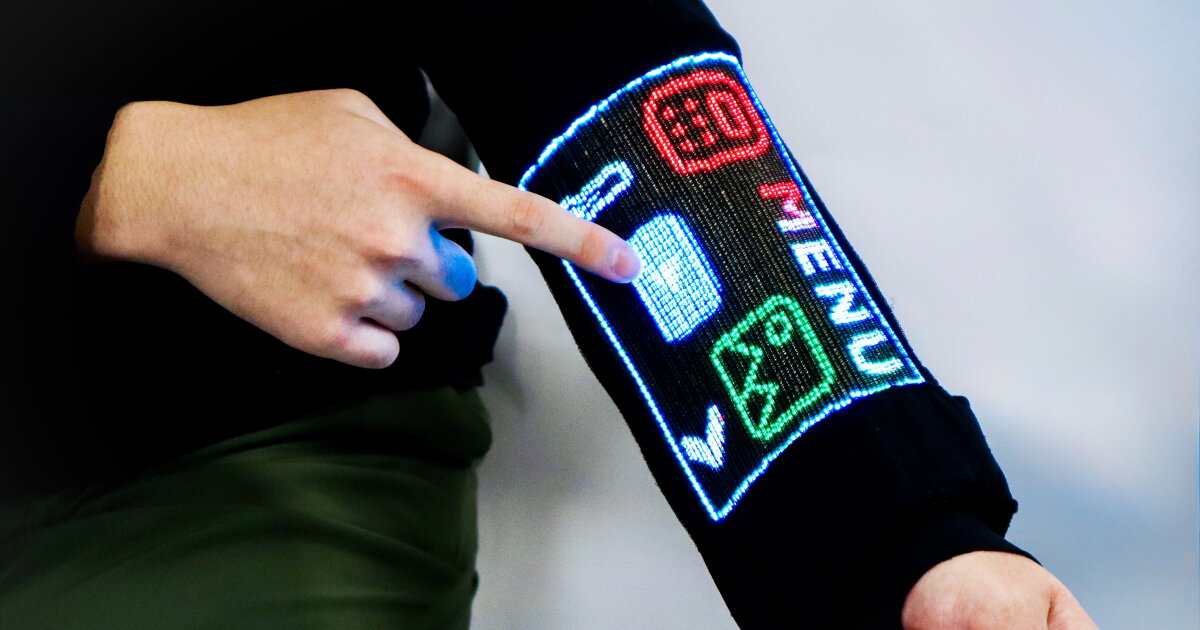
It is not new and it is not beautiful but a sign of the times of merging with technology
 Trylon
Tech in civic societies
We live in a time of recklessness.
 Guardian staff reporter
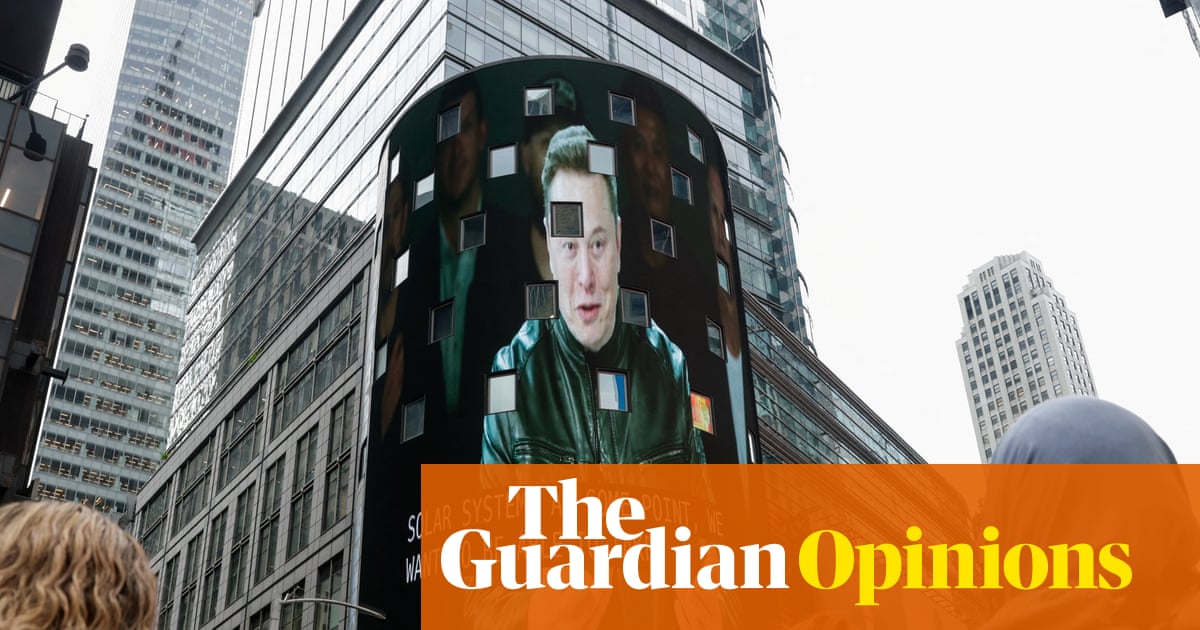
HUMAIN invested in by gov seems like not so surprising.
 Matthew Martin

Fixing the alignment?
 Vasant Dhar and João Sedoc
Is AI accelerating science after all?
 Noah Smith

Protect the commons through fair pricing.
 Lisa Macpherson and Anna Tumadóttir
After the Google walkout in times of social media, now there even more terrible things happening
 Omar Gallaga
The great AI-hedge. Uncertainty strategies.
https://www.theatlantic.com/technology/2026/10/ai-hedge-financial-tips/689187/
Governance of agents
 Tim O'Brien
Collective action: against AI scraping.
 Emma Roth
Weekly paper to check
“Inspired by Freud and Lacan, we theorize macroeconomic narratives as symbolic structures that repress structural contradictions, which periodically return as crises.”
“This approach moves beyond behavioural economics’ cognitive biases to examine the libidinal economy underlying aggregate dynamics.”
Ceyhun Elgin, The economic unconscious: Towards a psychoanalytic macroeconomics, Cambridge Journal of Economics, 2026; beag032, https://doi.org/10.1093/cje/beag032
What’s up for the coming week?
Today and tomorrow I will be checking out Society 5.0. I used to visit Eday. Long time ago. There are always a few good speakers. And Friday and Saturday there is RobotExotica in Delft. Sounds interesting. Can’t make it, too bad.
Muskan is running a hands-on Memory Ball workshop at Pakhuis de Zwijger on Tuesday 10 November.
And looking forward to kicking off the November sessions in Social AI.