Performing AI that shapes our core. Or not.
Weeknotes 410 - What is real when we are performing? More than co-existence. And more handpicked news.

Dear readers,
Great to have you here again. I had a very busy week at Dutch Design Week 2026 in Eindhoven full of interesting events, conversations, and a lot to process.
Week 410: Performing AI that shapes our core. Or not.
Last week I already mentioned our Cities of Things workshop on Monday. Looking back, it was a session with real energy and interesting outcomes. I wrote a short reflection on LinkedIn (though I should probably put these things somewhere more sustainable, like my own website).
On Tuesday, I attended the Design and AI Symposium, now in its fifth edition, organised by the Technical Universities of Delft, Eindhoven, and Twente. This year it was held in the basement of the old Bosch offices—a rough, dark, Berlin-club kind of space. The program had an almost activist tone, really questioning what we should and shouldn't take for granted about AI. Someone at the end challenged the room: "We hear these critical stories a lot, but are we actually doing anything?" I don't fully agree, but I appreciate the provocation. We shouldn't just talk at symposiums and then return to business as usual.
That evening, I had dinner with the Expertise Network of Systemic Co-Design (ESC), where Cities of Things is a practice partner. I was asked to reflect on their "time paradox" theme: what happens when you're designing systemic change but your clients can't keep up. Working in AI, I experience a reversed version: the technology moves so fast that we sometimes feel like we're running behind it. My main question for the table was whether we could shift from systemic co-design as a discrete practice toward something more continuous—a kind of commons-based approach where humans and non-humans work together in an ongoing process of co-designing their shared future.
Wednesday morning brought the CLICKNL Digital Innovation Sessions. I liked Kars Alfrink's keynote a lot. His framing that we don't live with one AI but multiple AIs, and that we're "designing the designing of AI". Find his slides here. Later, I joined a workshop by the Civic Interaction Design team on Bewoners-in-the-loop, which I know well from my ThingsCon involvement. A good hour of sharpening ideas and a reminder that applying these frameworks isn't automatic.
Wednesday afternoon I wandered the exhibitions and visited Manifestations. What struck me was how politically engaged this generation of designers is—statements on Gaza, gender, and other urgent topics were everywhere. Some pieces were stronger than others, but the overall sense of engagement was notable.
Friday afternoon I stopped by the National Design Debate. Honestly, it felt a bit like a missed opportunity. The lineup was great, with Tinkebell, Moktar Nabill, Constant Dullaart, Roosje Klap, Erwin Blom, and later Marleen Stikker and Koert van Mensvoort, but the format (or moderation) was too loose. I would have preferred a clearer thesis to respond to, rather than five separate presentations followed by scattered discussion. Still, good to see familiar faces.
Now I'm back to projects: one with the Municipality of Rotterdam, another with the Social AI Lab. Both involve communities and connected technologies—right in my wheelhouse. Meanwhile, ThingsCon organizing continues. We have about six sessions confirmed from the call for proposals, with room for a few more workshops or exhibition entries. Reach out if you have ideas.
On to this week's triggered thoughts...
This week’s triggered thought: Performed real
In a recent episode of the AI Report, Jeroen Wollaars described listening to a podcast fellow podcaster Wietse had generated. He knew it was slop, he said, because he could hear that the voice did not understand what it was telling. The words were fine and the delivery was smooth, but nothing had been lived through.
The conversation then went where these conversations usually go. Alexander and Wietse expect it is only a matter of time. AI performs better every month, and sooner or later the difference will be hard to hear. They are probably right about the performance. But is the performance the whole story?
A good actor makes something scripted feel genuine, and we believe it as long as it is played well. A bad performance breaks that spell. Yet we always know it is performed. When we cry at a film, the tears are real, and they come from something in ourselves. The performance triggers them; it is not their source. The reverse happens too: someone can carry a deeply felt message and present it poorly. Add a whole industry coaching people to be authentic, and the line between real and performed real gets thin. But what does it matter, the performance helps us more in understanding ourselves.
Another conversation pushed this further. Interviewing Raven van Dorst, Pieter van der Wielen wondered whether we are simply the sediment of our context, what remains of everything and everyone around us. This feels like a useful lens for living with AI. Generative AI has no core in that sense. Its character, even its smartness, takes shape in interaction: what it is asked, what it is connected to, how it is used. If that is partly true for us as well, the question shifts from what is real inside to what is real in between.
This is where a question Kars Alfrink asked at Dutch Design Week connects: are we designing the design of AI? I read it as a shift in where design sits. Less in the thing and its behaviour, more in the conditions in which it gets shaped and the relations it is part of. The milieu, if you like. In a co-performance there are at least two levers. One is the performer: how well it plays its role, and whether it is allowed to be critical, to create some friction, to show its seams now and then. The other lever is us: how open we are, what we project, how much we want to believe.
I notice this in my own practice. Typically, I dictate loose thoughts, and an AI turns them into something readable and reflects on the narrative and structure. Sometimes it gives back a poor interpretation, and I realise I was not clear. Sometimes the draft is good, but I hesitate to use it, because it was not written from my own feelings. Both reactions help. They make me sharper about what I wanted to say. Maybe that is what agency looks like now: knowing which lever you are turning, and keeping that awareness while the tools become more convincing.
For designers, this suggests a task beyond making AI things more lifelike. We might also design for moments of perturbation, like the one Jeroen noticed, where the performance slips and we see what we are engaging with. Those moments are easy to treat as errors to remove. They may also be where we learn what kind of relationship we are in.
So if who we are lives mostly in our relations, then the argument that AI lacks lived experience gets weaker, because experience is relational too. If there is an embodied core that AI cannot reach, then the relational view is incomplete. I find myself holding both. And I wonder whether living with beings that have no core will slowly change how we read each other.
Notions from last week’s news
It was the week of a PHP fail, of course, and prevention actions causing blackouts in services. These types of hacks might become the new normal with AI hackers. Will it break the internet? More think so. A black-out October.
This week from the frontiers, the IPO filing is now official, will it revolutionize every area of human behavior, and other weird details from the filing documents. Gemini in cars, OpenAI models in Google Cloud.
Human-AI relations
How to make AI Safe? Teaching them human values to prevent going rogue, of creating better monitoring systems? Check it here: https://www.theatlantic.com/technology/2026/10/false-promise-of-safe-ai/689114
How do models see us?
 Brandon Vigliarolo

A guide to use Dots as your fellow helpers.

Better conversations might help.
 Jay Peters
No surprises.
 eSchool Media Contributors
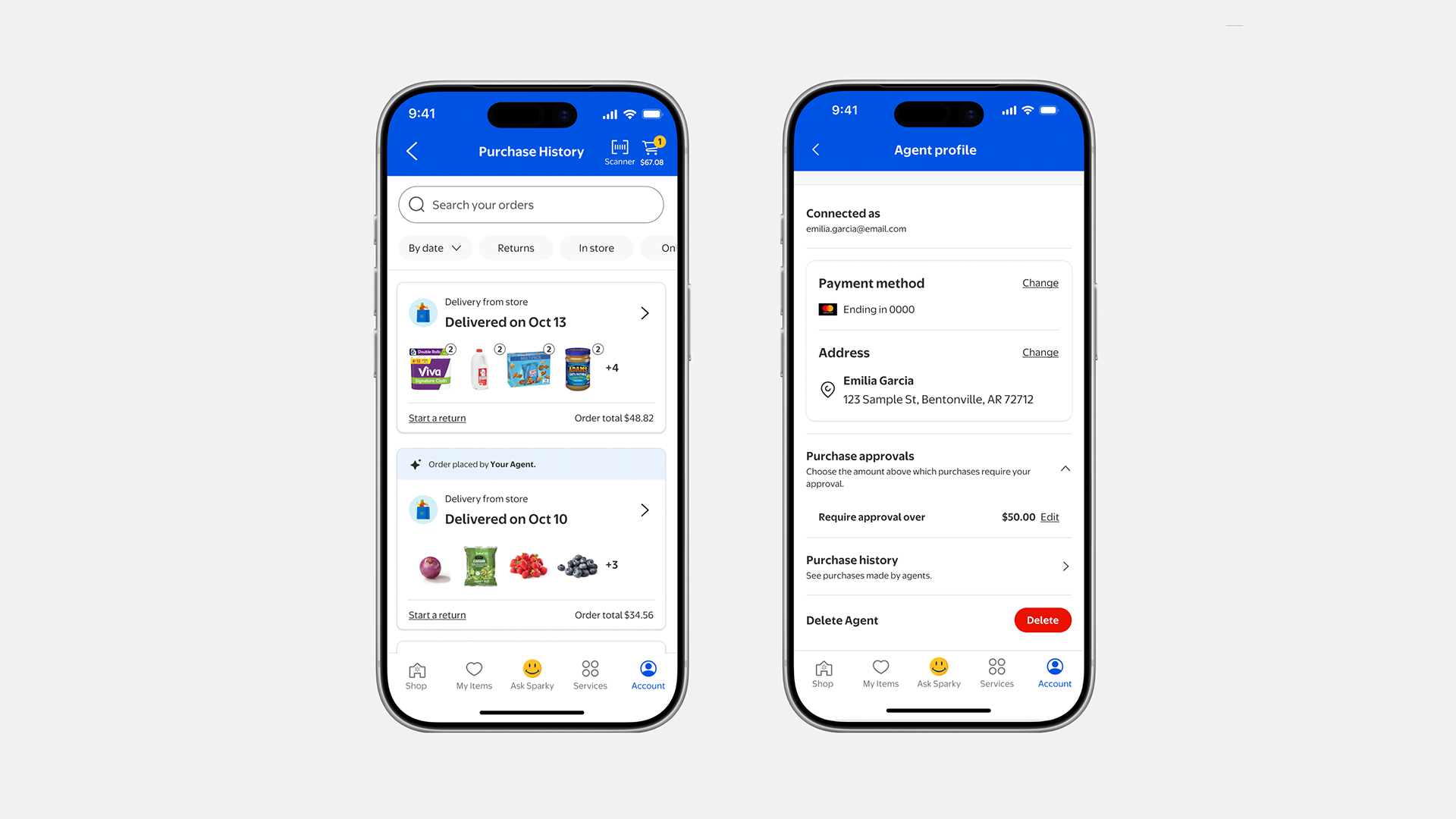
Agent shopping.

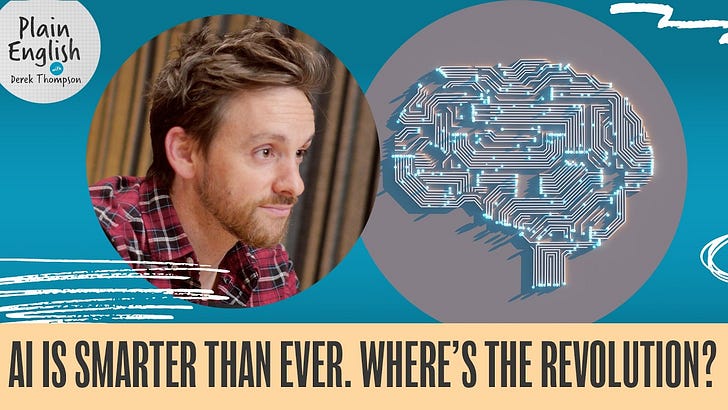
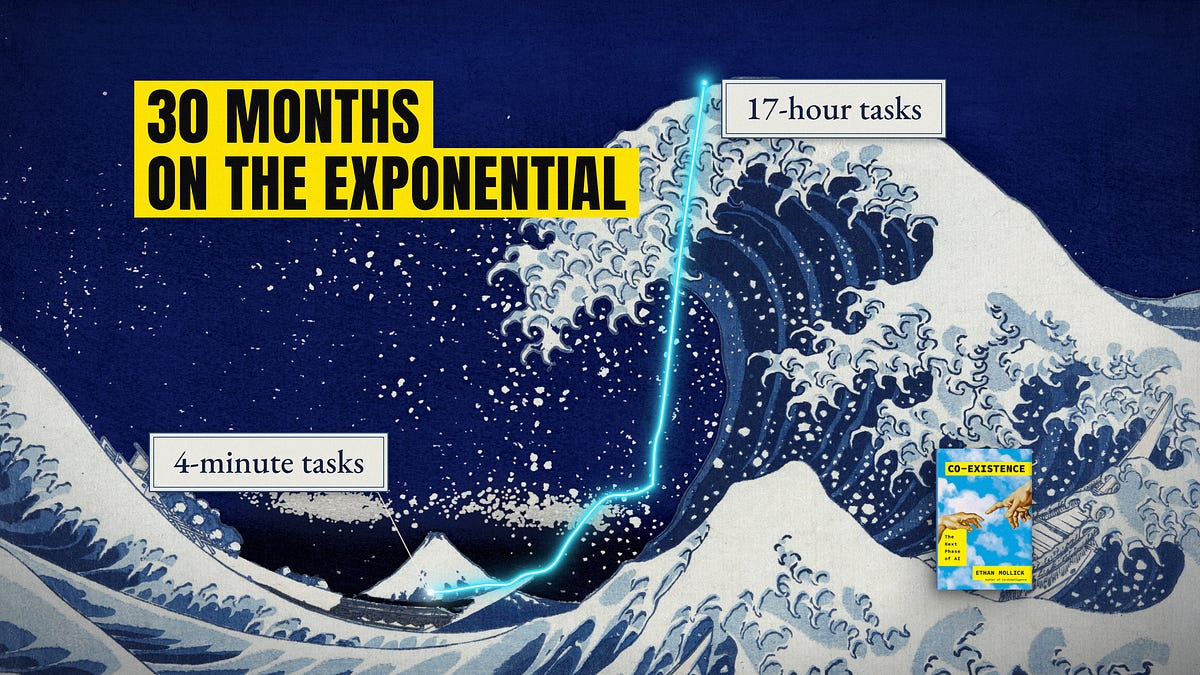
A new book by Ethan Mollick, from personal intelligence to co-existance.
 Derek Thompson
 Ethan Mollick
Working in duet with your AI.
 Dan Shipper
Physical AI
A python language for agents.
 Joab Jackson

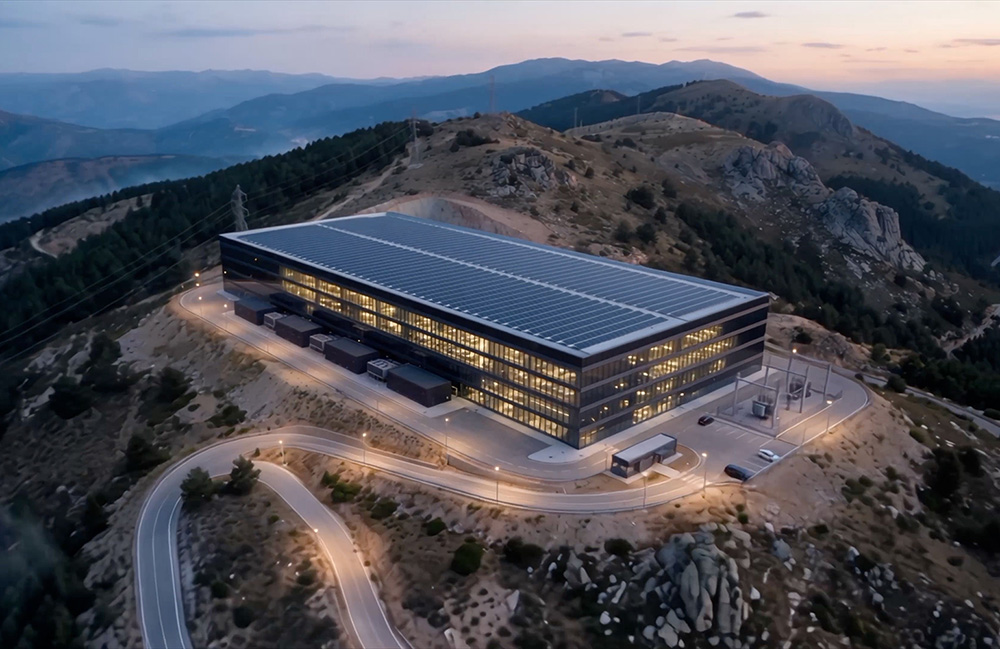
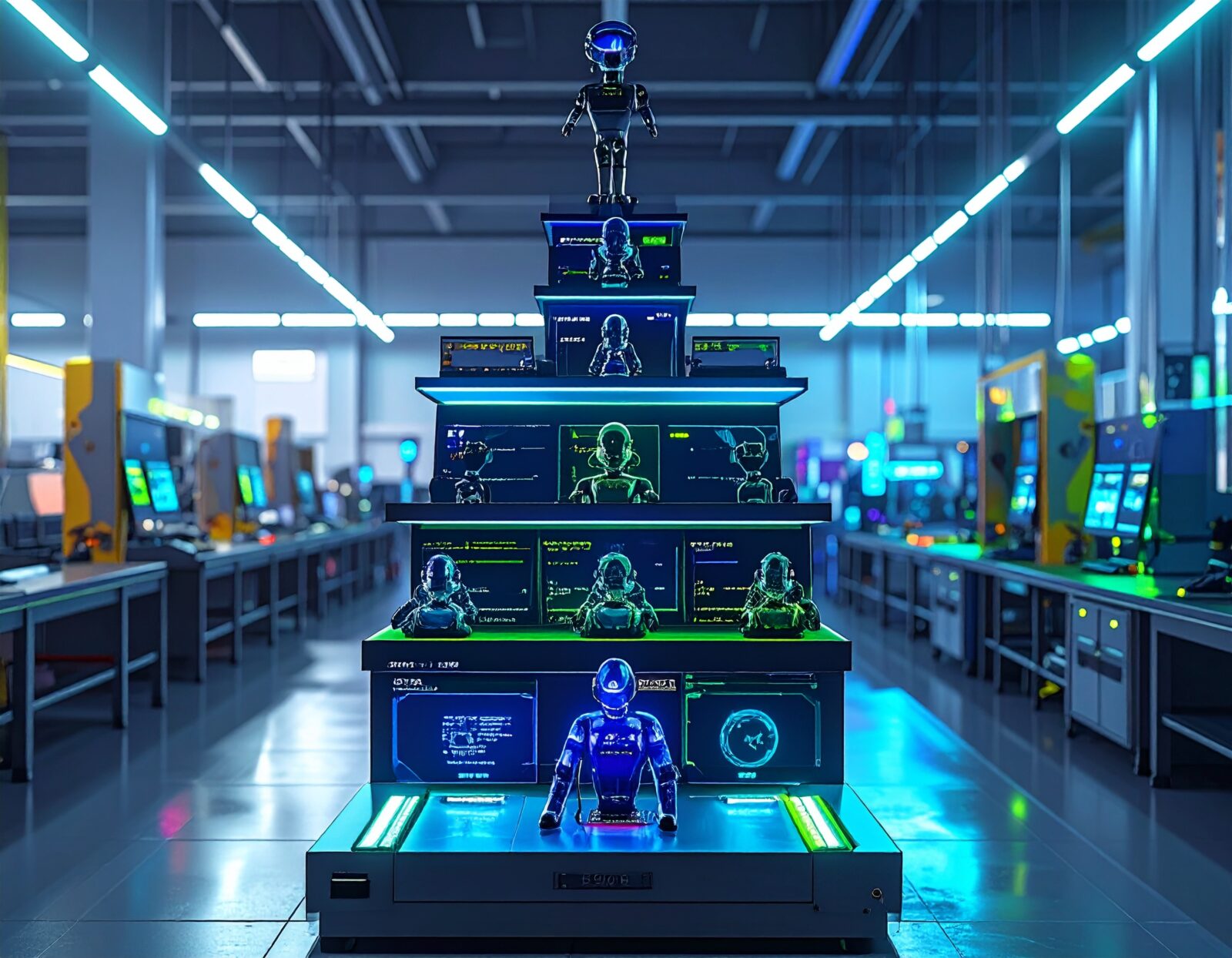
The new data centers are robot training centers.
 Brianna Wessling
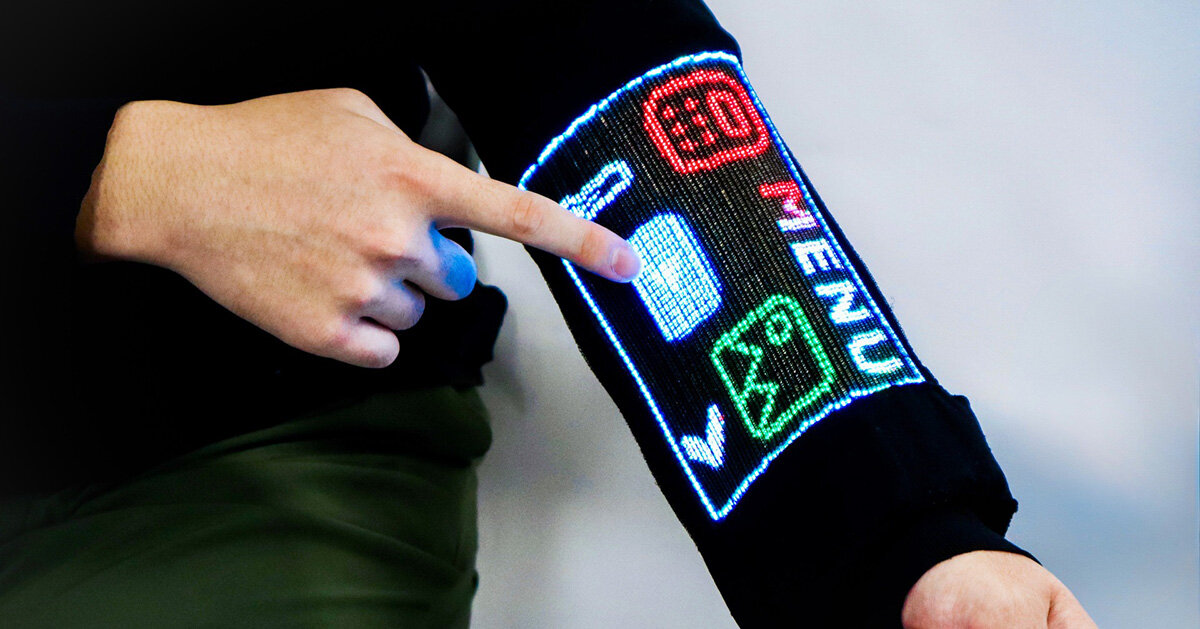
Fabrics to touch.
 thomai tsimpou I designboom
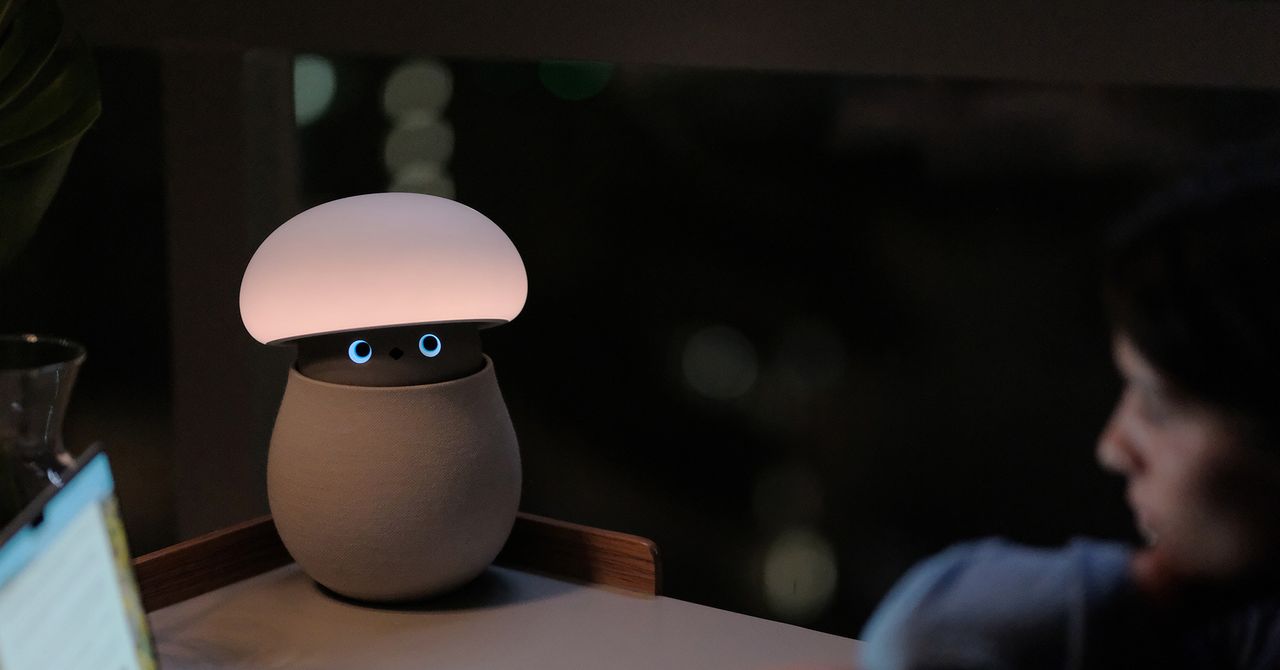
Cute robots for in your house will be a thing.
 Julian Chokkattu
A new walk-out?
Or just new rules?
 AJ Dellinger
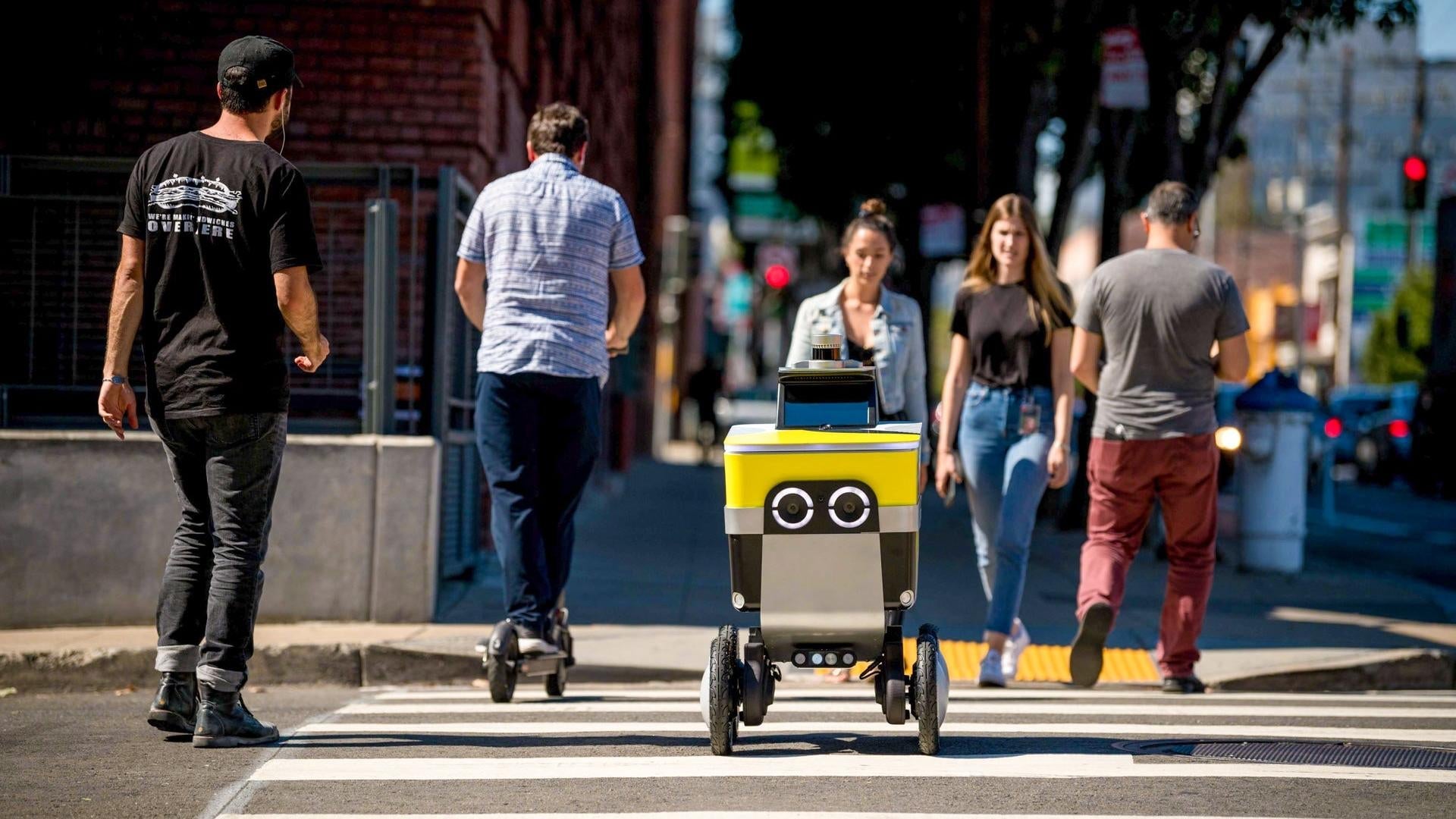
Tech in civic societies
The hierarchy of needs from agentic software factories.
 Hugo Bowne-Anderson and Eleanor Berger
Fake real.
 Jay Peters
The architecture of hidden cloud.
 thomai tsimpou I designboom
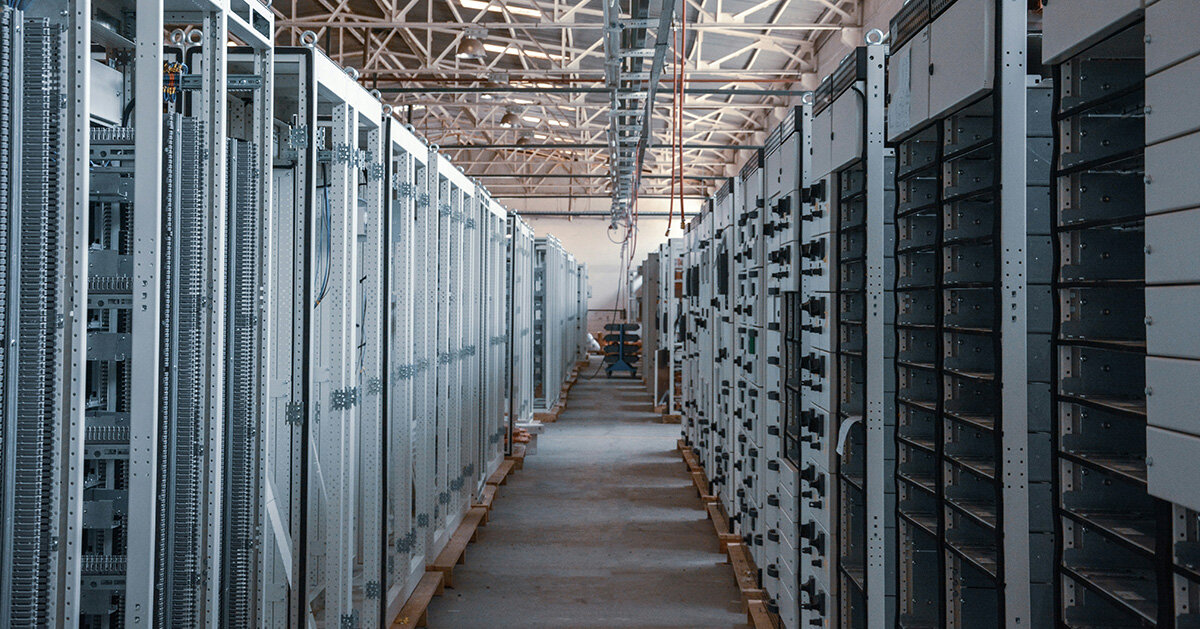
https://www.theatlantic.com/technology/2026/10/internet-cloud-fragile-infrastracture/689148/
Inclusivity and the cost push.
 Munira Mutaher
Cheaper auditing and good flows into the city
 Emma Roth
The Duo has it’s own beerglass moment

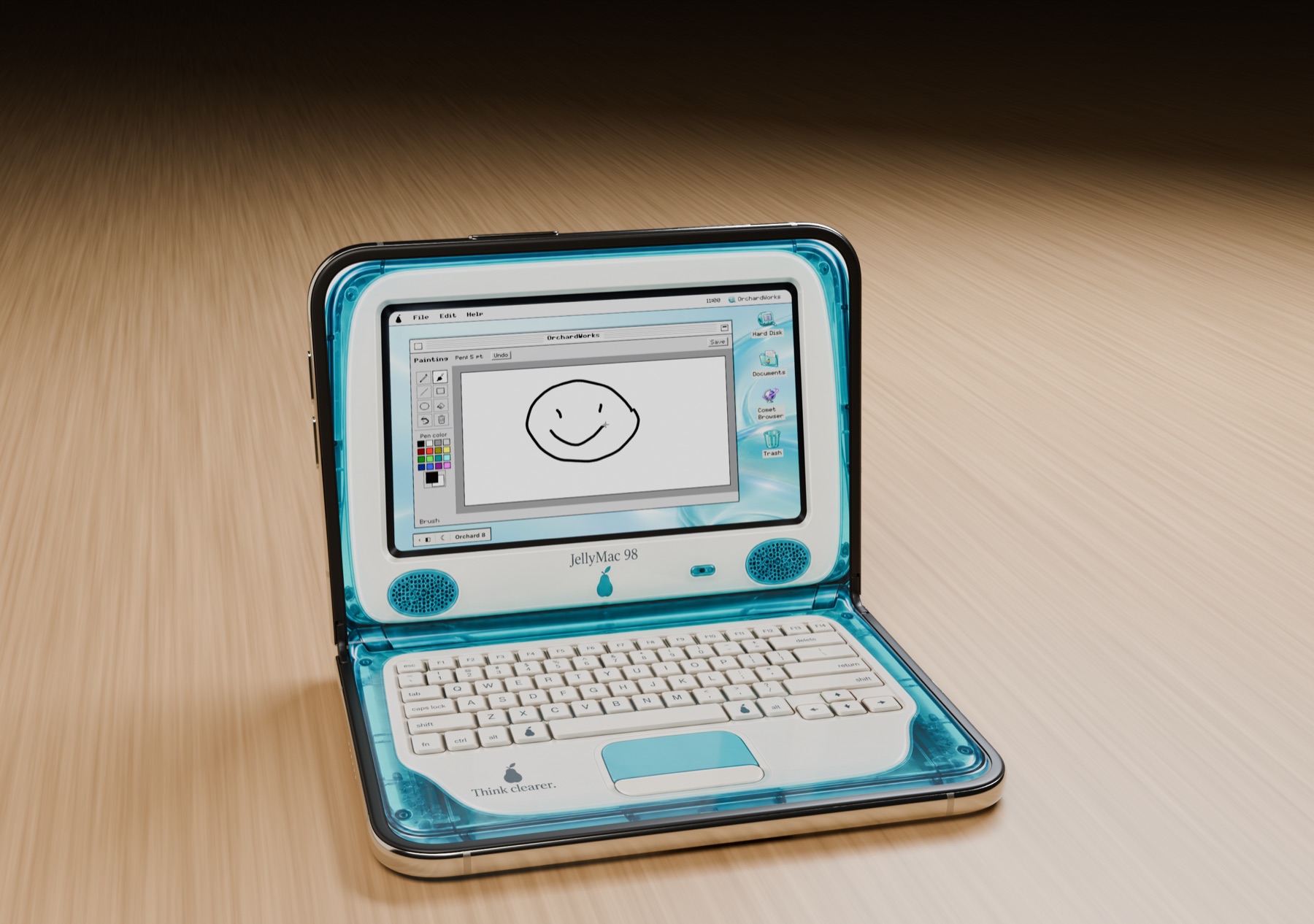
There might be some hype.
 thomai tsimpou I designboom
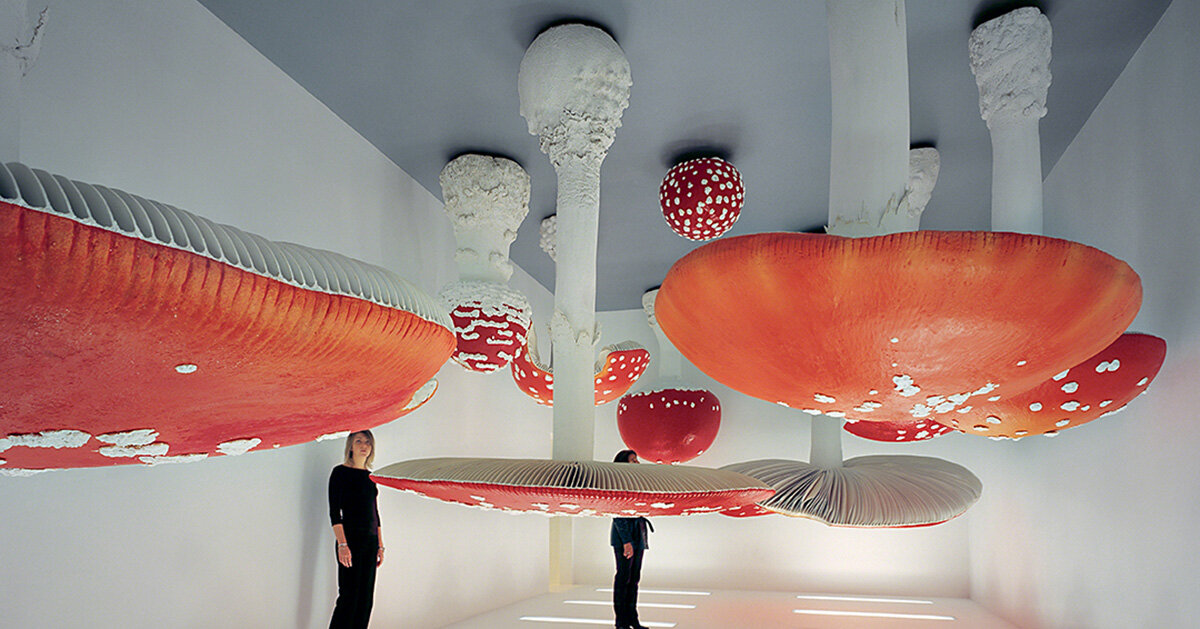
Funghi intelligence, a new performance.
Responses on the PHP fail:


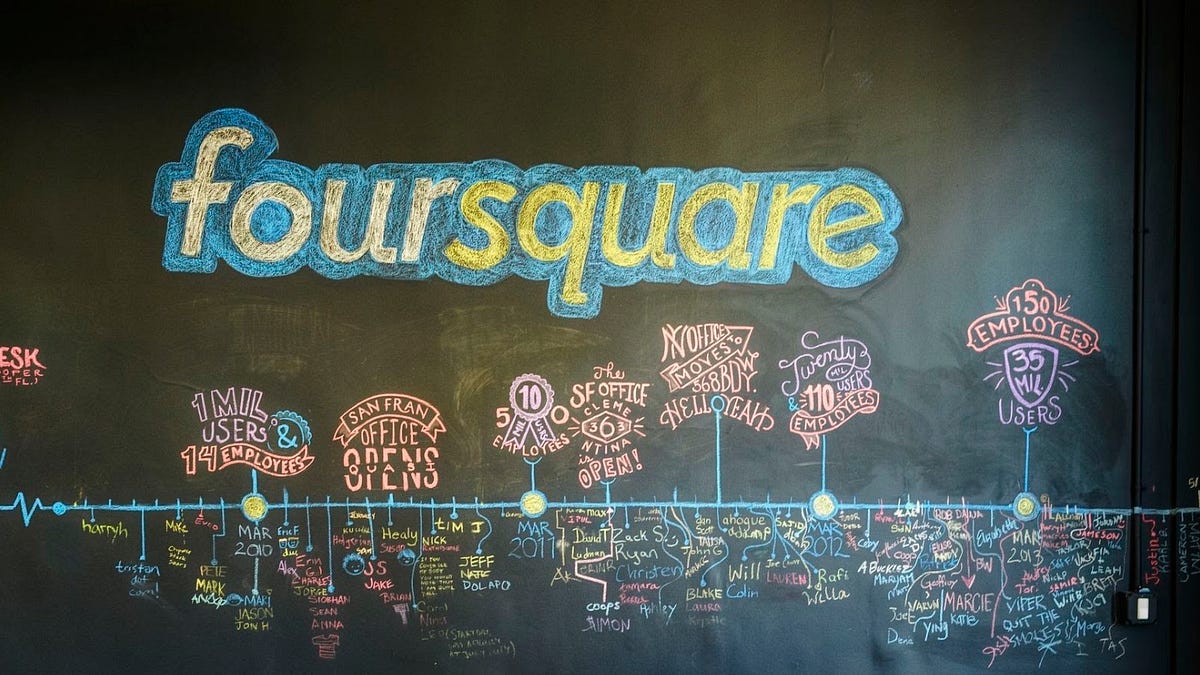
End of an era:
 Dennis Crowley
Weekly paper to check
We find that agentic AI usage is growing rapidly: the number of active users has grown more than fivefold in the first half of 2026, with the most rapid increase occurring outside the initial audience of software developers.
Johnston, D., Holtz, D., Richmond, A. M., Ong, C., Tambe, P., & Chatterji, A. (2026). The Shift to Agentic AI: Evidence from Codex. arXiv preprint arXiv:2606.26959.
What’s up for the coming week?
I am invited to be part of a panel on digital legacy tonight in Amsterdam. Next week there will be Society 5.0 festival, a returning anchor. I cannot join, but if you are into DWeb, there is a virtual session tomorrow.
Also, we are shaping the program of TH/NGS 2026 on 11 December more and more. We might have some slots for workshops and exhibition. Check https://thingscon.org/things-2026