Meshing up the new future of Apple
Weeknotes 386 - Triggered thought this week by the potential consequence of new leadership at Apple, combined with immersive AI affordances. And lots of other captures from the news.
Dear reader!
Due to the public holiday on Monday (Kingsday), the newsletter arrived in your inbox one day later (and online if you found it yourself).
It was an inspiring week, having the event on the State of Cities of Things last Friday, and completing the first draft of a new manifesto to discuss with the panel and other participants. I published my first report on that event via LinkedIn and Substack.
Week 386: Meshing up the future of Apple
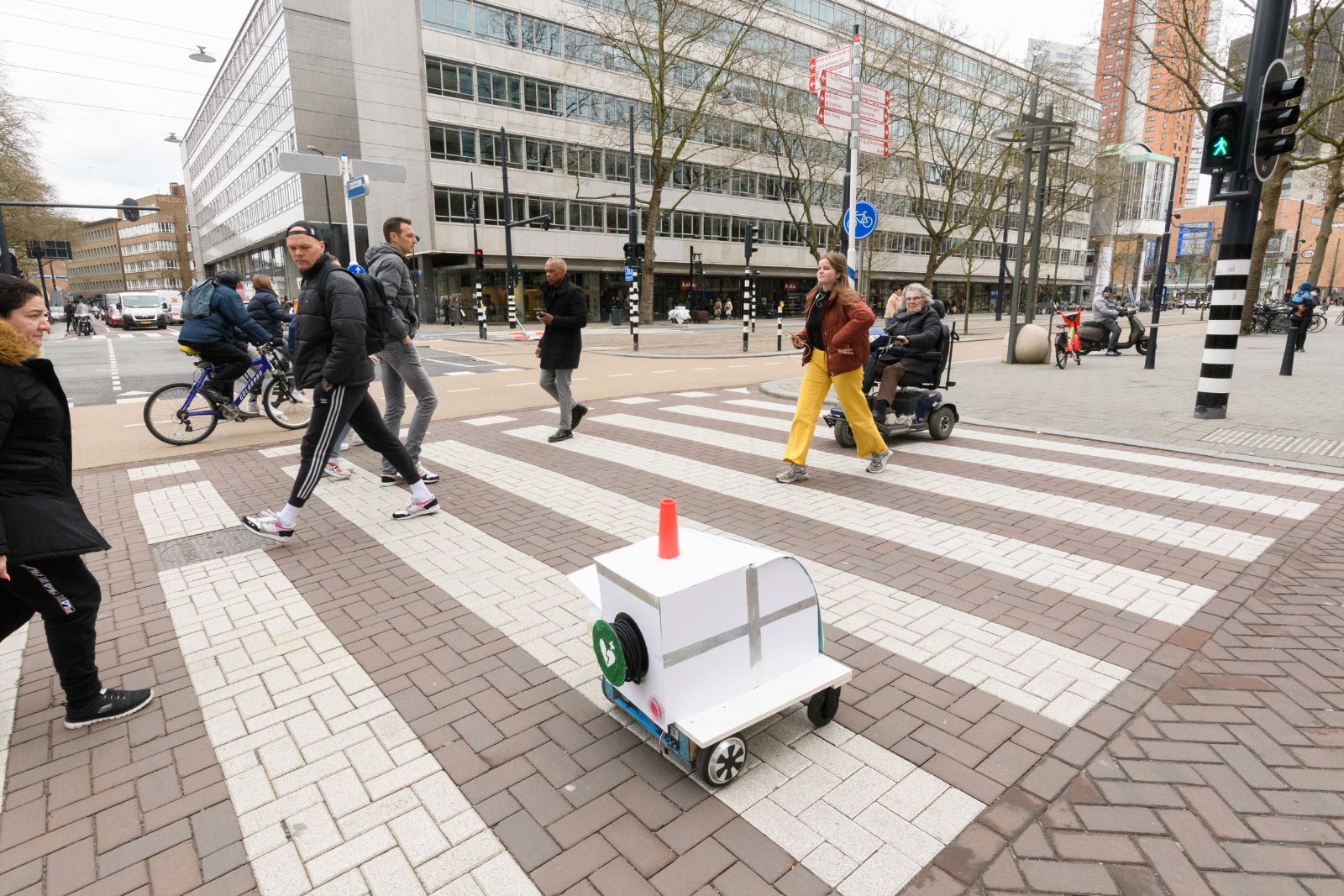
Last week was fully taken by the preparations of the event, both in production and finishing the first draft of the manifesto. Nevertheless, I was able to join the yearly Smart & Social Fest organized by Rotterdam University of Applied Sciences, specifically Creating010. I never miss this event, which started as IoT Rotterdam, and I even helped Peter van Waart organize the hackathon. Last year, Tomasz and I ran a workshop on Wijkbot. Tomasz delivered a lovely keynote this year on civic prototyping and was also on the panel at the Cities of Things event.
Great to see how many people are attending this year, and my impression is that there was also a wider range of attendees from the university and beyond. The students of the Citiverse program, where Cities of Things is a partner in the Smart & Social Objects track, presented their midterm results.
The morning keynotes by lectors of Creating010 explored nicely different aspects of a responsible future with AI, the theme of this year. Maaike Harbers (four types of AI approaches: Doomers, Boomers, Critics, and Enthusiasts), Peter Troxler (navigating as pelgrim or surfer), Lotte Willemsen (not only AI is a blackbox, so is our brain, understanding both is needed), and Tomasz (AI as design facilitator in civic prototyping practices).
Next to the student presentations, I visited a breakout session by Anja Overdiek and Tiwánee van der Horst on designing with nature. Check out the project of Tiwanee organizing workshops in Nieuwe Instituut, and presenting the result at a ThingsCon Salon in June.
The triggered thought of this week is linked to the news of Tim Cook leaving Apple as CEO and especially the analysis on the choice of his successor. It also made me think of a speculative story I developed as part of my state-of-the-cities-of-things research, which you can find here.
This week’s triggered thought
Last week, Apple announced Tim Cook's departure. The analysis that followed on his successor John Ternus—particularly from Nate Johnson and ColdFusion—triggered some thoughts, not (only) because of what it said about Apple, but because of what it suggests about where AI might actually live.
The new CEO isn't a software person. He's the hardware guy behind Apple's biggest physical successes of the past decade. This choice is a signal. The argument goes: competing on foundational models is a losing game. OpenAI, Anthropic, Gemini—they're already converging toward commodity. The real bottlenecks in AI aren't the models themselves but energy and hardware. OpenAI hints at building their own devices. NVIDIA pushes into robotics. The ground is shifting.
What if Apple's move is to become not the smartest AI company, but the most efficient substrate for AI to run on?
This connects to something I've been thinking about for my Cities of Things work about the affordances of an immersive AI. When we talk about "physical AI" or "embodied AI," we usually imagine big systems—digital twins, centralized platforms, cloud-connected devices reporting to distant servers. But there's another path. A bottom-up path.
Consider the iPhone Air. The interesting thing about it isn't the thinness—it's the architecture. All the intelligence, the processing, the "brain," sits in that small elevated puck where the camera lives. The rest is just screen and battery. What if you didn't need the screen? What if that puck, that dense little node of local processing, could exist on its own, connecting to things around it?
Connect this to the new wave of mesh networks. Not the old LoRa networks that still needed centralized antennas, but true peer-to-peer meshes (like this one in Amsterdam). Low-power protocols designed for sharing states, not streaming video. Perfect for the kind of communication that physical AI actually needs: presence, position, status, simple coordination.
Combine these two. An edge device, something like a next-generation AirTag with a local LLM inside, that participates in a mesh network. It doesn't need the cloud to make sense of what's happening around it. It processes locally. The mesh provides context; the edge provides intelligence.
This is the speculative scenario I've been developing. I ended up writing it around Fairphone rather than Apple, partly for the European angle, and partly because I wanted to explore what this would look like as a bottom-up initiative rather than another platform play. A "fair mesh." But the underlying architecture could come from anywhere.
It isn't just the technical possibility. It's the governance question.
Most mesh network initiatives today are technically driven, or at best, resilience driven, building communication infrastructure independent from big telecom. That's valuable. But what if the mesh becomes the substrate for something more? What if it enables communities, actual neighborhoods, buildings, collectives, to organize around shared resources and shared rules? Human and non-human actors, coordinated through protocols they actually control?
Apple talks about privacy as a core value. Could they extend that to community privacy, community agency? Or does the business model inevitably pull toward extraction? Fairphone's ethos suggests another way, but they lack the scale. So I don't know who will build this. Maybe no single company will. Maybe it emerges from the edges, literally and figuratively.
And if someone does build it, what's the next App Store? Not a marketplace for apps, but perhaps an infrastructure for templating your own mesh. Tools for communities to configure their own networks, their own rules, their own coordination logic. A kind of vibe coding in the meshpit. Less downloading, more assembling. Less consuming, more governing.
So if the future of AI isn't in the cloud but in the edge, will it also be in the mesh? Not in the model, but in the puck. Not in the platform, but in the neighborhood.
Notions from last week’s news
Next to the news on Tim Cook and John Ternus, the new big players introduced iterations on their core models. Like OpenAI GPT 5.5. Including a new image generator. And a first OpenClaw-like task-automator. Microsoft is following Claude in offering real support in their office suite with Agent Mode. OpenAI and Microsoft are ending exclusive partnership. While Google is investing in Anthropic. DeepSeek also has a new model as part of the continuing race. Why it matters. Elon is looking at Cursor and Mistral.
Human-AI relations
Become aware not to trust AI Autopilot to ruin your own cognitive agency.
 Katie Parrott
Meta generated discussions about their tracking employees’ plans. Is this management input or a way to build a simulation for virtual worlds?
Kyle Orland Casey Newton
How much control do developers have in coding the applications? What the best balance?
Sruly Rosenblat
Be open about your use of AI.
Kord Davis and Claude
And what about your software brain?
Nilay Patel
A ramble around plural knowledges, data and AI
 Just enough Internet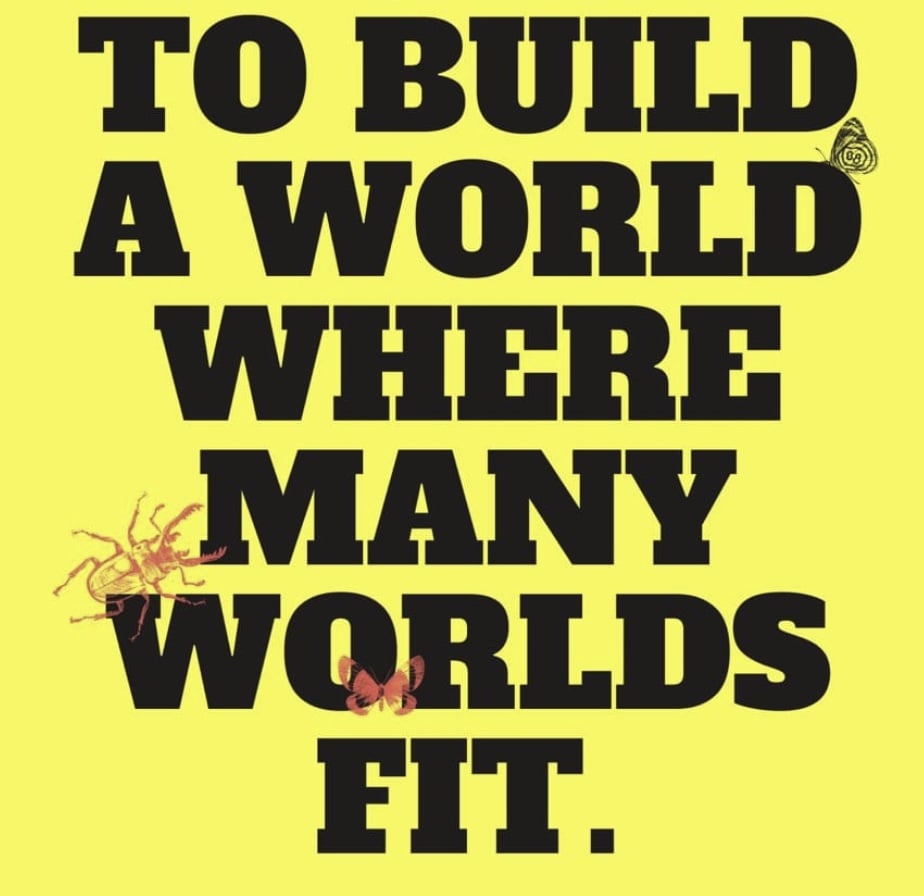
What will happen when the knowledge of the 1930s is the start for an AI model to start inventing?
 Nick Levine, David Duvenaud, Alec Radford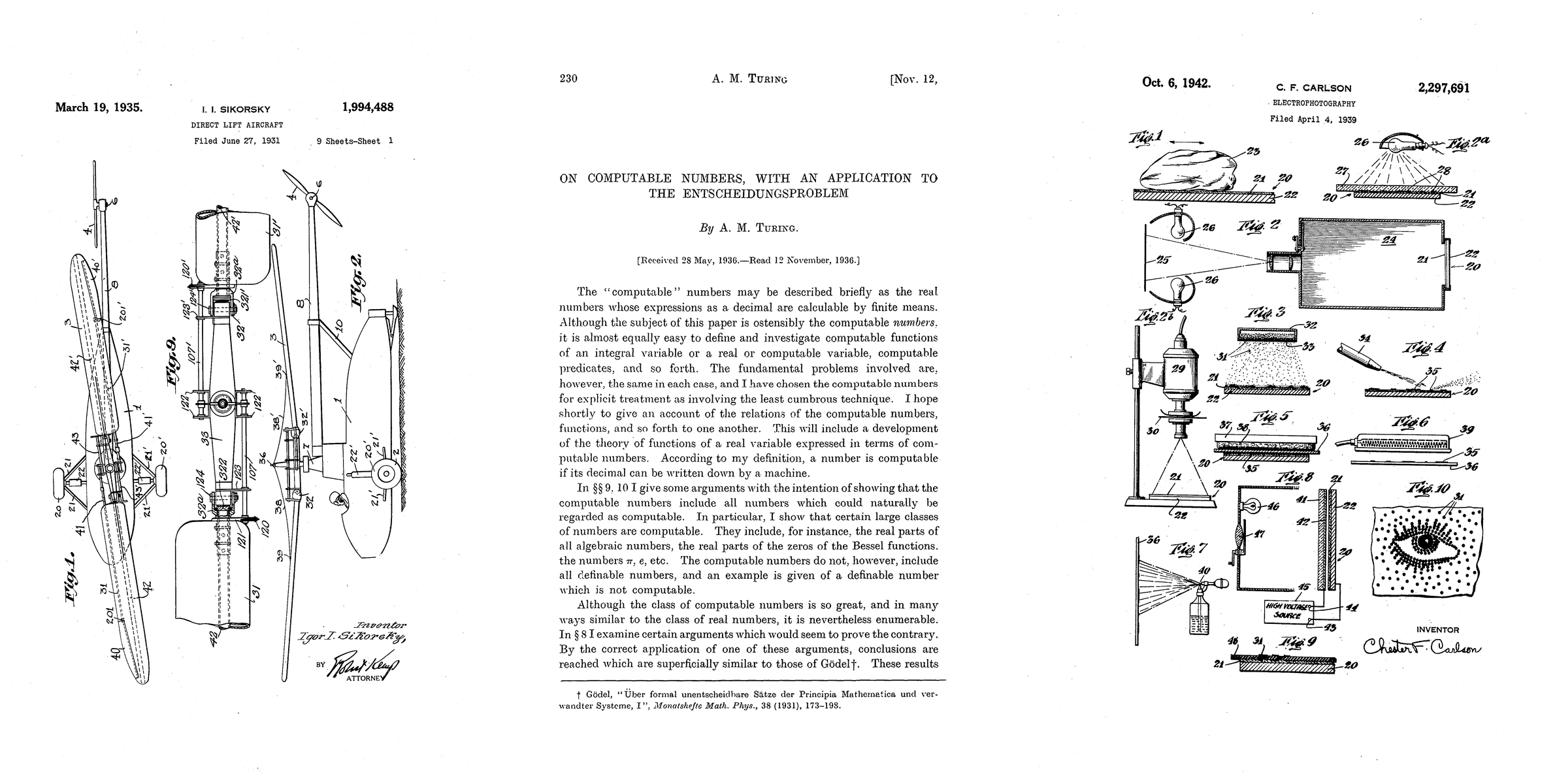
Physical AI
Important smart home players are promising to make matter standard work.
Thomas Ricker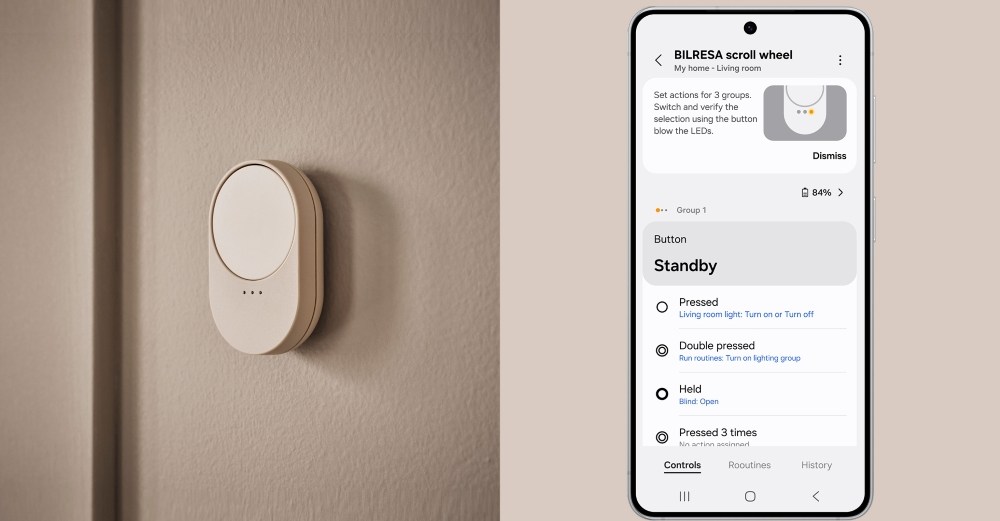
I was wondering if AI was a thing at the design week of Milan. AI-generated art-works,
AI Robotics is a theme for robotics now for sure. So is physical AI.
The Robot Report Staff
Vibe tinkering is that next thing. As in tinkering of physical stuff.
Rima Sabina Aouf
AI is fixing tensions in urban logistics. Possibly. An in-depth research.
The Sustainable Consumer’s Guide to Amazon Shopping
It is a returning ritual; after folding phones, Samsung might be opening the race for smart glasses by phone companies.
Stevie Bonifield
Last week, we had an artificial runner (ok, humanoid) that almost beat a human in a half-marathon, not to mention a ping-pong robot. That feels like Pong in a new iteration… By the way, I liked the comment from someone on a (no-tech) podcast who wasn't so shocked that robots outperform humans in speed. We have already had cars for years, being able to.
Andrew Liszewski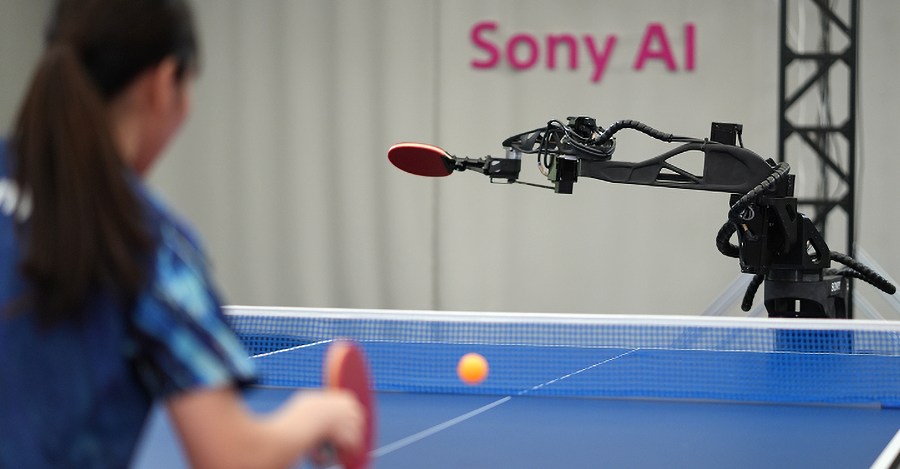
Other robot applications: in-airport shuttles, body scans.
Tech in society
Great speculative story to explore made by Julian.
Julian Bleecker, Ph.D.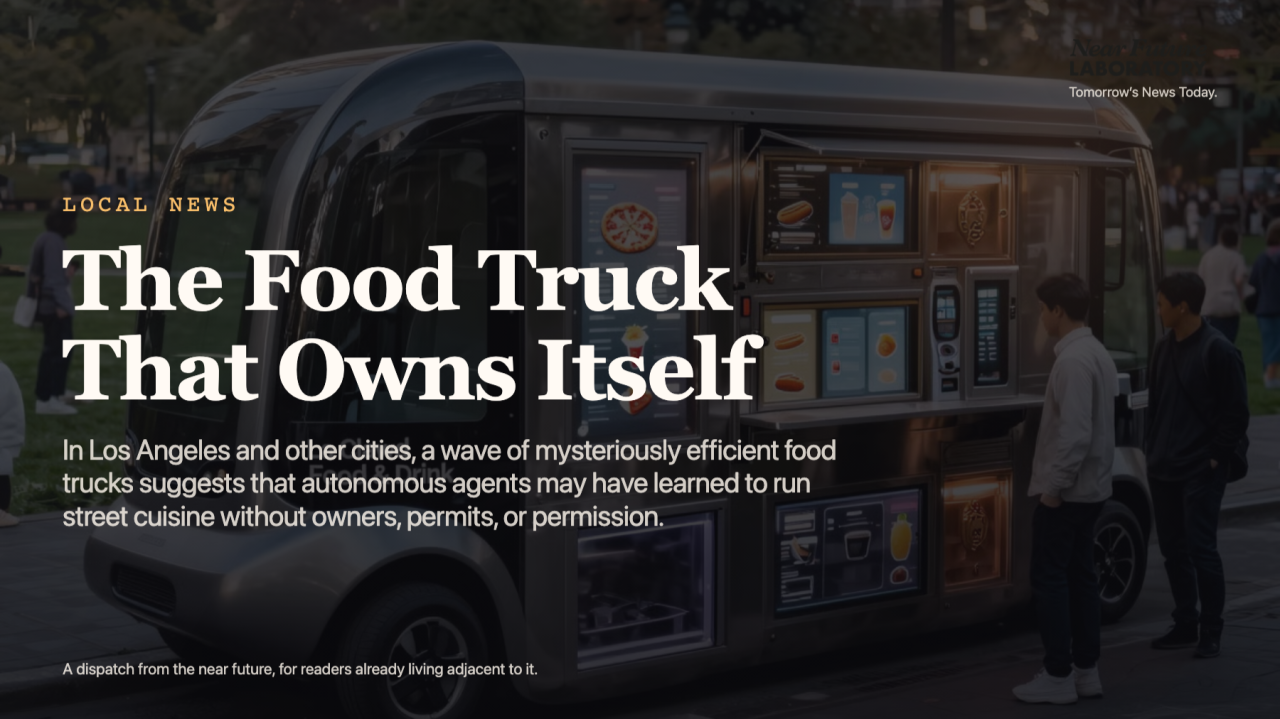
AI can solve social problems, it is claimed, but only with the right institutional support in place.
Rina Chandran
Risky business.
Ed Zitron
The growth of the presence of robotaxis in China is insightful to watch. Also the growing protests.
Jeronimo Gonzalez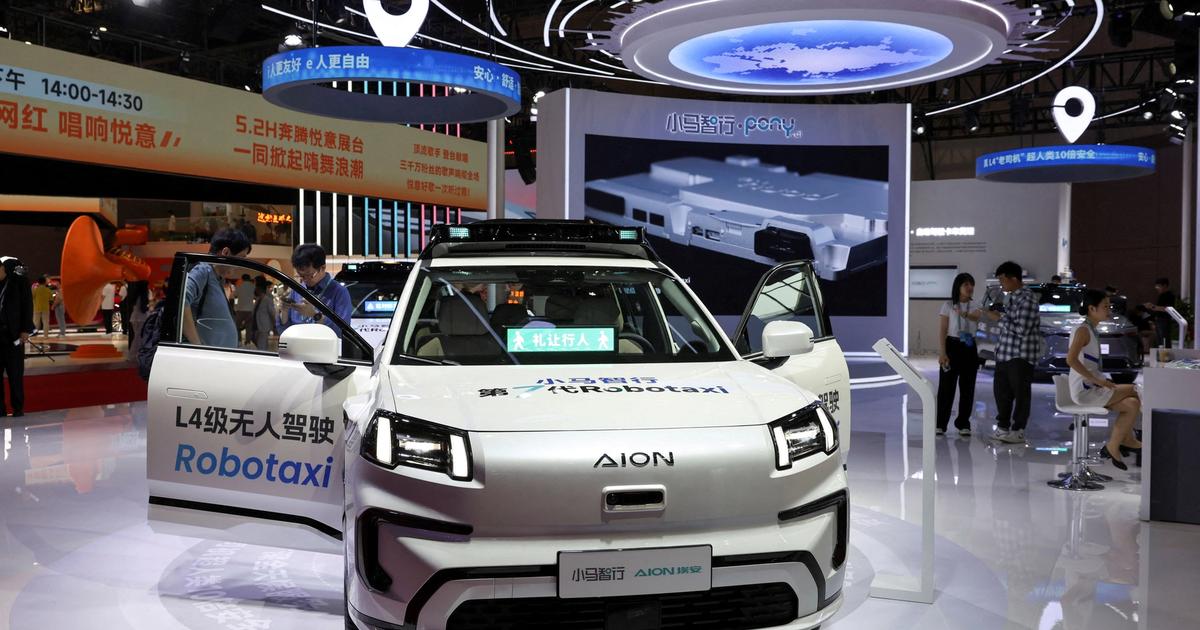
AI centralizes control and predictability, reversing the internet’s open, democratic architecture.
Konstantinos Komaitis
How to manipulate prediction markets with sensors?
Drew Austin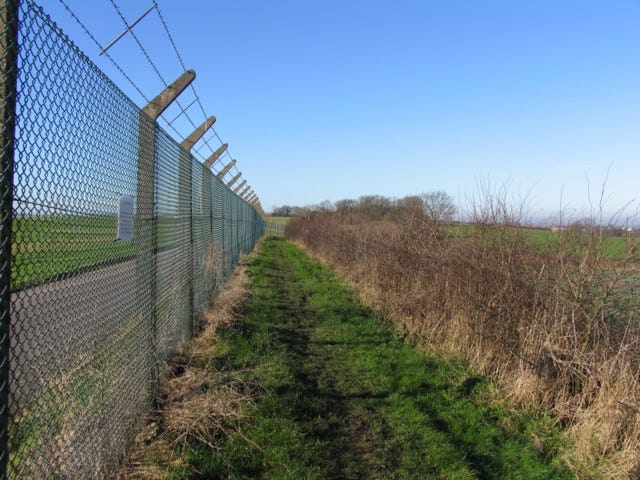
The impact of uncertain uncertainties in tech.
Kevin Kelly
More data on the costs of AI and the impact of replacing human workers. Will we end up with inverted automation, with humans doing the low-paid work? For now the trend is still the other direction.
Reed Albergotti J.D. Capelouto
 Mike Taylor
How to build strategic autonomy or digital autonomy through practical wisdom.
Rob van Kranenburg
This feels like a very likely scenario, at least one that will be tried. The blocking of acquiring Manus might be a trigger.
Matteo Wong and Lila Shroff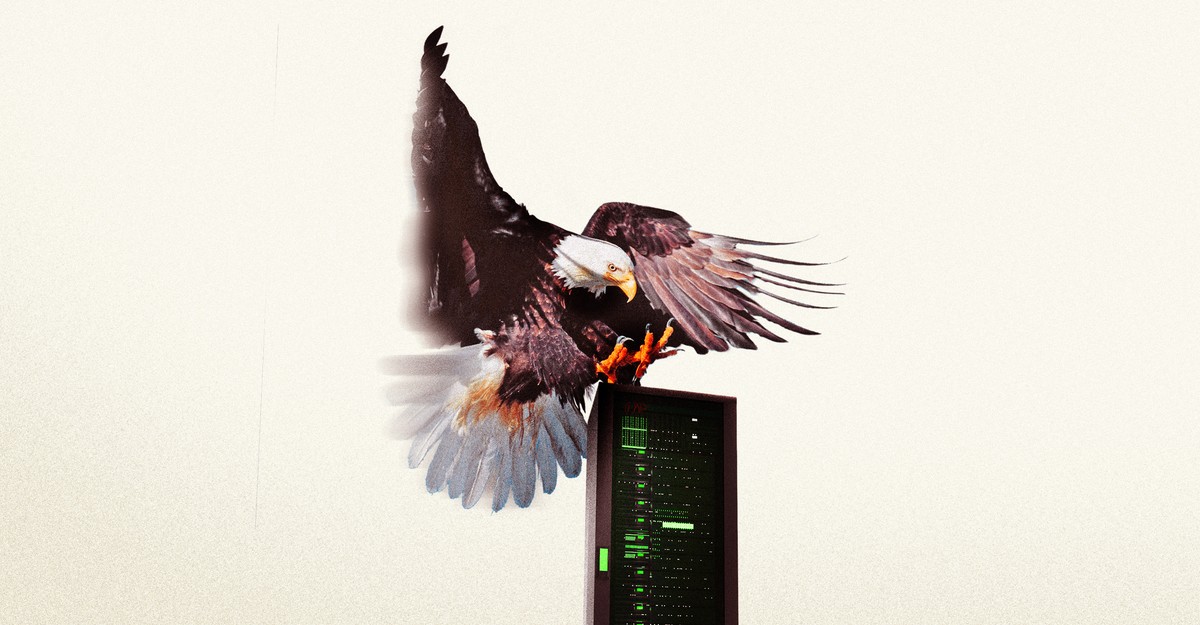 Jeremy Hsu
Misc
Great way to explore and lose yourself in zooming in.
True. I think.
 Craig Mod
Weekly paper to check
Scaffolding Human-AI Collaboration: A Field Experiment on Behavioral Protocols and Cognitive Reframing
A cognitive scaffolding intervention (partnership training that reframed AI as a thought partner) was associated with higher individual document quality at the top of the distribution. Treatment participants also showed greater positive belief change across the session, though sensitivity analyses suggest this likely reflects recovery from carry-over effects rather than genuine training-induced shifts.
Farach, A., Cambon, A., Tankelevitch, L., Hsueh, C., & Janssen, R. (2026). Scaffolding Human-AI Collaboration: A Field Experiment on Behavioral Protocols and Cognitive Reframing. arXiv preprint arXiv:2604.08678.
What’s up for the coming week?
Nothing specific on my calendar yet, but a quick glance:
- Africa, data and Internet of Things (IoT Ghent, online
- The evolving role of Product Management in the age of AI
Have a great week!
About me
I'm an independent researcher through co-design, curator, and “critical creative”, working on human-AI-things relationships exploring immersive AI as the new space between embodied and physical AI. You can contact me if you'd like to unravel the impact and opportunities through research, co-design, speculative workshops, curate communities, and more.
Currently working on: Cities of Things, ThingsCon, Civic Protocol Economies.