Full self-drive in an era of immersive AI
Weeknotes 385 - Sketching physical AI vs embodied AI vs immersive AI with the current case of FSD. And more captures from the news.
Dear reader!
On the verge of writing this newsletter, Tim Cook announced to step down (or sideways) as CEO of Apple. What will the new guy, John Ternus (yes, a guy again), bring? It is a real hardware person, with a long career at Apple so that can be reassuring, maybe? They need to reinvent what hardware means though, as hardware is also embodied AI. How will that play out?
Maybe like I speculated for my report on the state of cities of things, where I envisioned a possible deconstruction of the traditional phone in components like a connector that is a kind of an edge device that combines mesh peer-to-peer communication and AI for making sense of the messages in specific contexts. An answer to a (potential) escalating crisis. I started thinking about an extended camera island of an iPhone Air meets AirTag, but did frame it as FairMesh by FairPhone.
Week 385: Full self-drive in an era of immersive AI
Looking at the videos of the new allowed FSD (Full Self Driving), now live in the Netherlands, it looks more promising than expected, handling a city full of bikes and people. Not the typical US situation. It is a nice case to dive a bit deeper in the concept of physical AI, embodied AI, and immersive AI, combined with predictive relations. See below.
It is especially interesting, as this is the week I will present a first version of a manifesto for Cities of Things, 7 years later. In the event on Friday in Amsterdam, a panel of four will reflect from their perspective.
We are entering an era in which artificial intelligence leaves the screen and enters the room. It inhabits buildings, infrastructure, public spaces, and the objects we live with. Unlike digital AI — which we visit — physical AI is something we live inside. Unlike embodied AI — which occupies a body — physical AI can be distributed across entire environments: a building that breathes, a street that anticipates, a network of things that coordinate around us.
When this AI becomes agentic — pursuing goals, drawing on predictive knowledge from beyond the immediate context, acting without being asked — the nature of human experience changes. The interplay between human and thing, which has always shaped how we inhabit the world, is fundamentally altered.
Check more on the event here: https://luma.com/hmmj063v
And expect more details later.
This week’s triggered thought
Last week, a Tesla on Full Self-Driving mode drove onto a bike-only path near Dam Square in Amsterdam. The driver got a fine.
This small incident—captured in one of many test videos circulating since FSD became legal in the Netherlands—raises questions that go well beyond a traffic violation. It offers a lens into what I've been calling the interplay between embodied AI, physical AI, and immersive AI. First, some context. FSD now works remarkably well in Dutch cities. Reviewers note that it handles complex urban environments—cyclists, pedestrians, narrow streets—with surprising fluency. It drives defensively but not timidly; it takes its space. And yet, every test video I've watched includes at least one mistake. A wrong turn here. Stopping for an inactive traffic light there. And in this case: driving where only bikes are allowed.
The road in question used to permit cars. The change was recent enough that even the supervising driver—who remains legally responsible—didn't catch it. The car's cameras apparently missed the sign. So who failed? The driver, for not supervising closely enough? Tesla, for outdated maps? The AI, for not reading the sign?
These are familiar liability questions. What interests me more is a different question: what if the system had known this was a common mistake?
Imagine a layer of predictive knowledge. Not just mapping the road, but mapping where errors tend to happen—where recent changes confuse drivers, where signage is ambiguous, where the gap between the digital model and physical reality is largest. If the car knew that this particular turn was a frequent error site, it could do two things: heighten its own alertness (scan harder for signs), and alert the human supervisor (this is a spot where people get it wrong—double-check). This is where embodied AI—intelligence inside the vehicle—starts reaching outward. It's no longer just sensing and responding. It's drawing on collective knowledge, anticipating failure modes, and communicating with the human in the loop.
Now extend this further. What if the bike path sign itself were intelligent? What if it could detect an approaching car and broadcast a warning? What if the road surface had sensors, and traffic lights nearby could coordinate a response? You'd have a multi-agent system—cars, signs, roads, lights—all communicating, all adapting.
This is what I mean by physical AI or immersive AI: not a single smart object, but an environment of intelligence. The human doesn't disappear from this picture, but their role shifts. In FSD's current supervised mode, you're still the decision-maker. In a fully immersive system, you might become something closer to a subject—someone the system routes around, protects, optimizes for.
That shift raises uncomfortable questions about delegation. How much agency do we want to hand over? And what happens to our capacity for judgment when we stop exercising it? I don't have answers. But this small incident—a car on a bike path, a fine in the mail—seems like a useful place to ask them. It sits right at the edge: between embodied and environmental AI, between human oversight and system autonomy, between the city we have and the one we're building.
Notions from last week’s news
Claude did introduce Opus 4.7. And can now do design for you too. Not only for assets.
Kimi open source model is catching up to Open 4.6 level.
Google offers a tool for vibeflowing music.
Human-AI relations
But are the humans the subject?
 Tom Chivers
Self improving AI do not need humans at all.
Alan
AI characters in games create more immersive lifeworlds from these gameworlds, even.
Jay Peters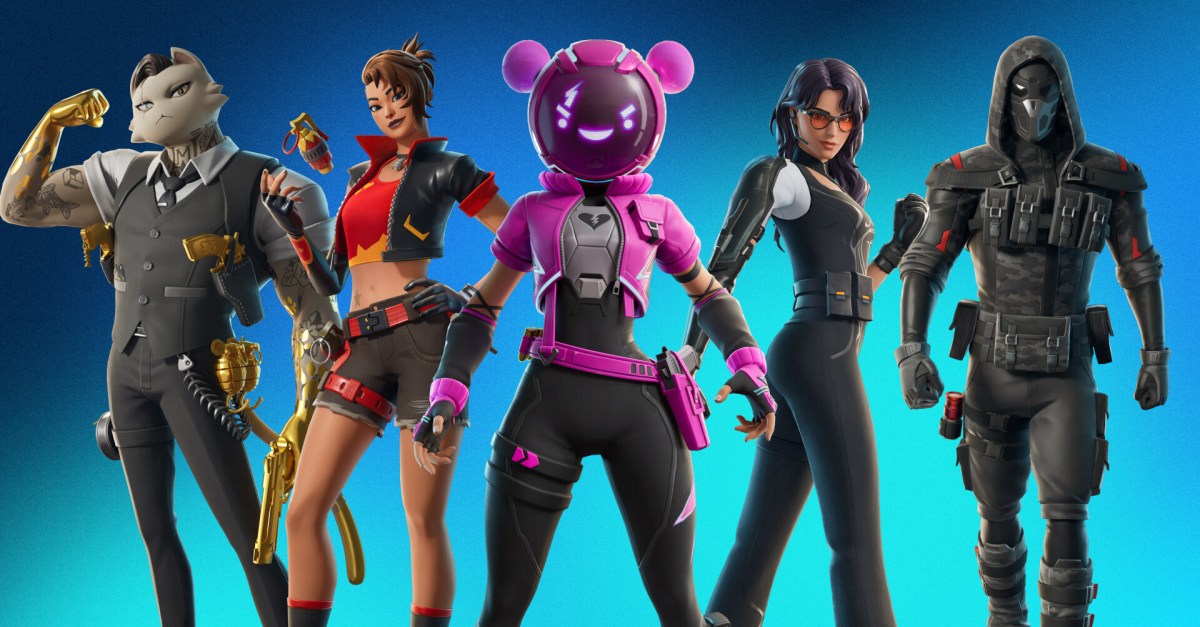
Description of agents as actors, managing their own state.
Gordon Brander
On our way to a way to the internet of agents, reporting an interesting session.
Rob van Kranenburg
A social contract for intelligent age proposed by OpenAI
Nathan Gardels
An AI doing a TED Talk, what do you expect?
Matt is exploring a future with all headless services, with no visual interfaces, when personal AIs are communicating with each other continuously.

Physical AI
So did this humanoid perform quite well, beating humans at the half-marathon. Some failed, though.
J.D. Capelouto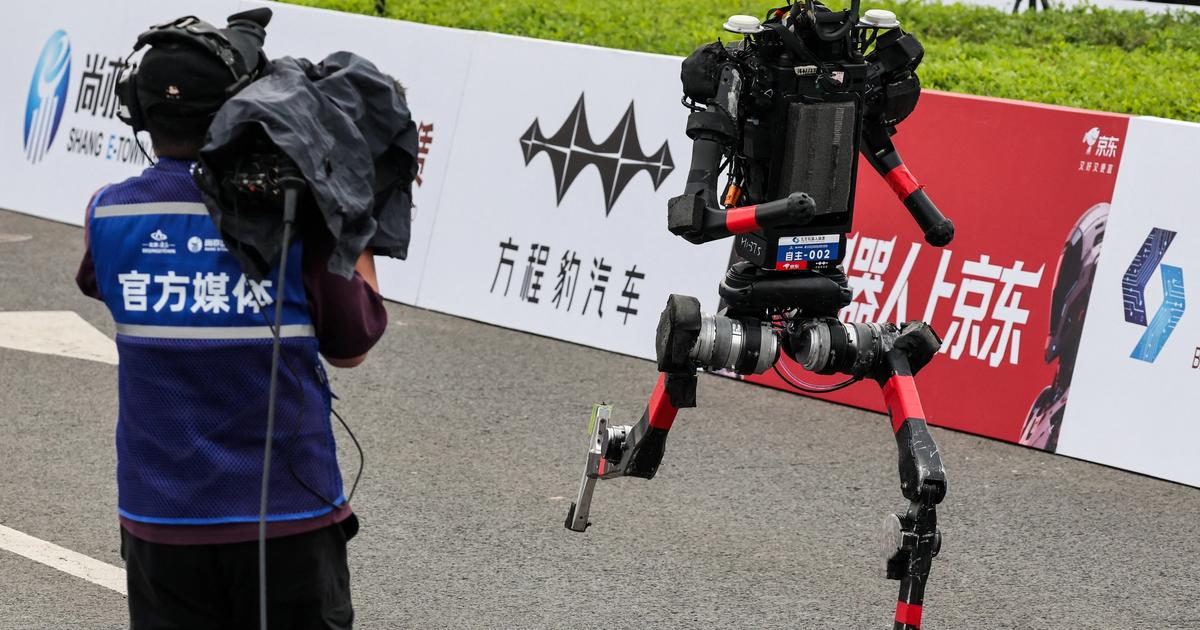
Kevin Kelly makes a FAQ for embodied AI to answer what it is about. The meaning of robotic being.
Kevin Kelly
This is not really physical AI, however, it is physical and does do something with AI. Mundane AI more.
Allison Johnson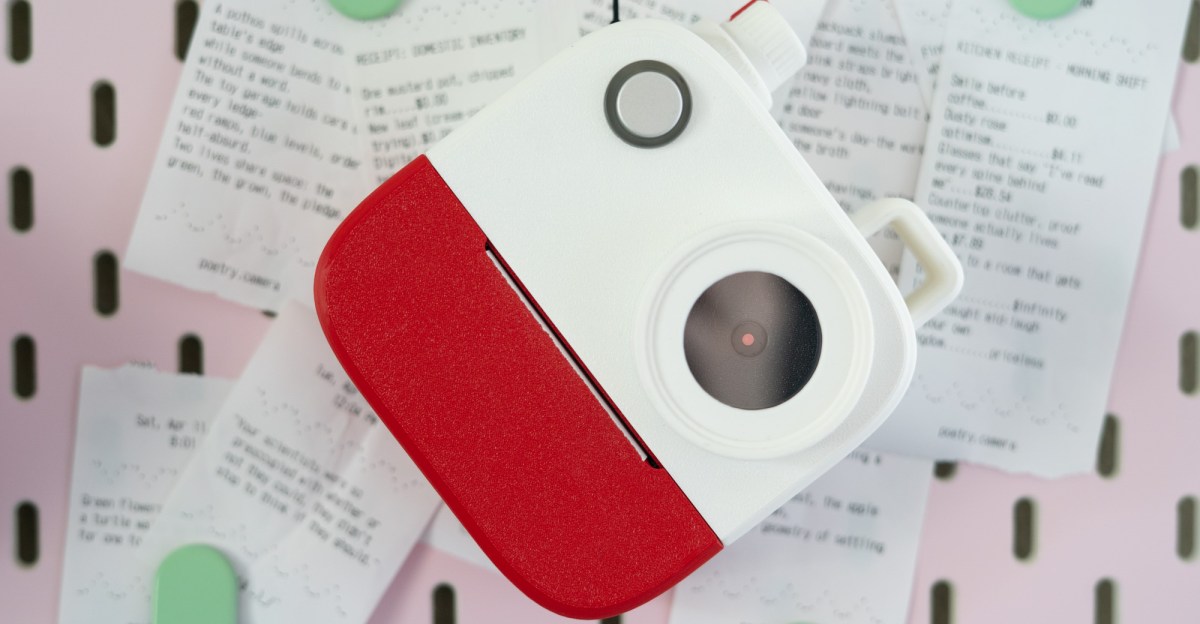
How robots learn: a brief history
James O’Donnell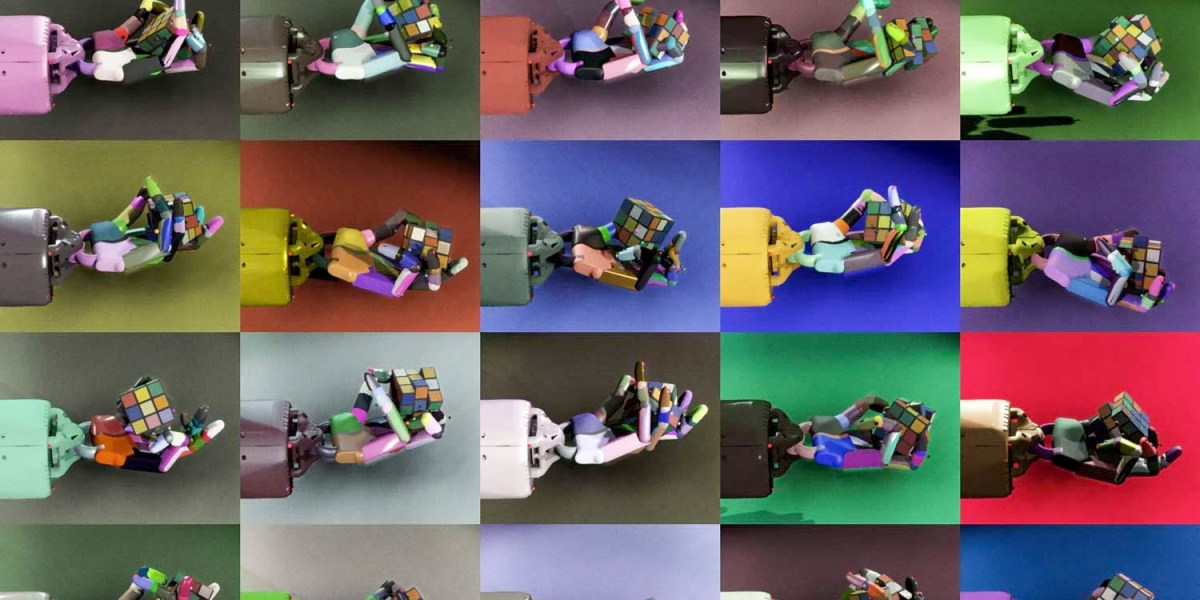
On the watchlist, discussing Physical Intelligence new model
Tech in civic societies
Did not hear that much about the Orb, that other project of Sam Altman.
Stevie Bonifield
AI songs now have more uploads on Deezer.
Emma Roth
Be aware of the impact of a concept of ImmigrationOS on democracy and rule of law.
Justin Hendrix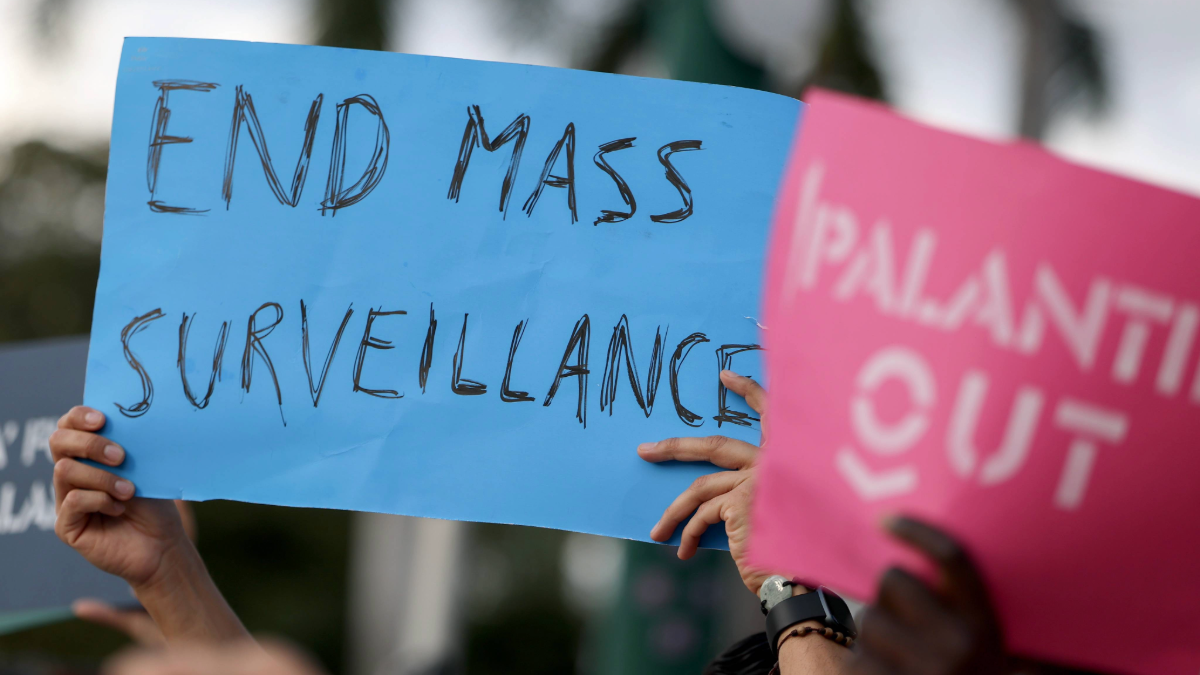
The Social Credit system in China in the workplace?
Caiwei Chen
Weekly paper to check
A week ago, I attended a talk by Fieke Jansen on the state of the internet and critical infrastructures. The methods of the lab are reflected upon in this paper.
Drawing on experiments from the critical infrastructure lab, we reflect on four methods: infrastructure walks, transgressive infrastructuring, defamiliarisation, and utopian engineering. In these methods, we swap the pairs of infrastructure/governance, discourse/materiality, and values/objects in order to cultivate alternative technological trajectories, thereby unsettling assumptions that current technological developments are inevitable.
Jansen, F., Maxigas, & ten Oever, N. (2025). From critique to hope: Infrawalking, defamiliarisation, transgressive infrastructuring and utopian engineering. Convergence, https://doi.org/10.1177/13548565261441756
What’s up for the coming week?
Next to the Cities of Things on Friday, I will attend Smart & Social Fest in Rotterdam as every year. There is another AI House event too.