AI agents as the new punkers
AI agents as the new punkers; Weeknotes 414 - Triggered by a vision on the future of our OS in times of agents, wondering about different impacts that it has in our relation towards computing in real life.
Dear reader!
An interesting week with the confirmation of the shift from classical media like TV to gaming? I was even watching some people playing GTA in a livestream. I can imagine that this is a form of media that will be even more part of the mainstream as it mixes with synthetic media. Not as a replacement, but as a context for traditional media experiences. See what happens with music played within the game, and shopping for clothes. Why not mix these virtual worlds with a live stream experience, watching F1 or another sports event? Or news or talk shows. The main difference: instead of watching something on a screen in a studio setting as a layer between you and the real experience, you can become part of the experience much more closely. Almost first-person. It makes immersive experiences become more and more realistic, which we will consume via smart glasses. The immersiveness is not so much in the visual domain as in the relations and interactions. Chats combined with news flashes, maps with 1-person views; it all combines to an experience like reality.
There was an artist, James Bridle, who coined the term "New Aesthetic”, aiming at an earlier wave of digitalisation of media. We are now into the “New Realities” that become a new form of interaction, of experience, our live environment, etc.
We’ll see, something to dive in some other time.
Week 414: AI agents as the new punkers
I think my associative mind is a sign of being human. That helps. But sometimes I do not know where it comes from. I am thinking that the way we make strange connections is still quite different from what AI would do (What Would AI Do?). I can connect this to a workshop at a symposium on Design Doing Last Friday. The researcher promoted a tool she made to dive deeper into how AI could help with creativity and the other way around: can we understand the black box of AI by making small variations in the prompt we make. I think it is an intriguing and potentially important topic to dive into. The detailing was a bit chaotic for a small workshop. Could not really grasp the intentions of the tooling and, with that, the exercise. But in retrospect, I think that it is an important question to discover, and to discover what humans can contribute.
That was one activity of last week. The new book by Guido Stompff on Design Doing (vs Design Thinking) seems solid, the output of 5 years of doing. The other workshop I followed introduced a co-working/designing exercise that considers more-than-human (or non-human) ecosystems and the relationship we have with them as we design. I can fully imagine this works very well, as it did in this short workshop; it deserves more time to explore the interactions and relations more deeply. Now it often ends up with workshops dominated by the most enjoyable idea.
It was a good week for the two projects. I came up with seven principles for the community of practice I am shaping, and had interesting extra insights from interviews. In a workshop on meshcore, I learnt that dogmatic promoters don't like the idea of connecting it to IoT. For the wrong reasons, as I presented. I didn't intend a big data flow from the sensors to the cloud or other users via the mesh; I see non-human nodes as having the same communication needs as humans who want to use mesh for communication. For fail-safe systems.
Maybe, I am thinking now, we need not only a view on the edge from Edge computing and now Edge AI, but also as foundational Edge Data. Leave the data and intelligence in the edge, define the edge (pun intended) cases of failure as triggers for communication only sharing aggregated conclusions and decision to make.
The other project also had a good week. The small group of citizens from Rotterdam is part of the group discussing the potential role of AI in social, neighbourhood-oriented processes. Last week we created a basic concept (or, better put, they did), and this week we vibe-coded two prototypes: one as a social connecting game and one as a message board (like the analogue ones in supermarkets) that use AI purely to make unexpected connections, while leaving the notes at the location.
I know you can achieve a lot with vibe coding and clear goals, but this went even quicker than expected. And it triggers a real form of co-design to start with the core idea, and slowly add improvements to the interaction paradigm. Something I used to do with wireframes that are quite unreadable. This prototyping is even too good maybe. You need to be able to zoom out and imagine new corridors. That is the future role of the designer / creative director, that is clear.
This week’s triggered thought
Last week I watched an interview with DHH, the 37signals founder behind Basecamp and Hey. These days he spends a lot of energy on Omarchy, his own Linux setup. He believes AI tools are bringing back something of the hacker culture of the nineties: terminal aesthetics, makers known by a handle more than a job title, and pride in craft rather than the polished self-promotion of LinkedIn. His bet is that the age of agents will loosen the grip of Windows and macOS, and that Linux is better suited to what comes next.
Windows won by turning the DOS prompt into something anyone could click through. The graphical interface was the moat. If agents do more of the clicking, that moat matters less, and an open system built around text and small composable parts starts to look like a better base.
Linux is more of a setting than a single answer. A truly agent-based operating system would be different in almost every respect. Not organised around files, apps and windows, but around intentions, context, permissions and memory, and around the question of who acts on whose behalf. In a corporate project I'm part of, I see experienced people prototyping the tools they want before anyone has written a requirement. They are not waiting for IT or for a product team. They are making things for themselves.
That's almost punk. Do it yourself; make it for you and your friends rather than the market. Design used to mean translating high-level needs into something other people could use. Now people prototype their way to knowing what they want. The prototype is the end point of a thought process. That makes it very personal and often hard for anyone else to read. It's closer to a zine than to a magazine: made by and for one person, with the logic of that person's mind.
Here the story gets a second layer. Colville of the Open Markets Institute warns that personal AI agents could become a concentrated market controlled by a few large tech firms. The mechanism he points to is subtle: providers control the context an agent learns about users, and if that context can't be exported in usable form, switching means starting over. The tools may feel like ours while the agent layer underneath belongs to someone else.
What made punk last was not the music industry but the scenes: small venues, self-published zines, shared practices. Scenes made private expression readable to others without making it generic. That might be the missing piece for personal software. If everyone builds tools that follow their own mind, what do we share? Open protocols and portable memory are part of it, and the article points there too. But there is a cultural question as well: what is the zine culture for bespoke tools? How do I show you what I made in a way you can learn from, remix or reject?
Maybe that's where design goes next. Not designing the product for the many, but helping make the personal legible. Building the venues more than the songs.
Notions from last week’s news
NVIDIA remains the talk of the town, especially as Huang is getting back in function, and the stock prices are through the roof. Great times for speculating… In the meantime, the company is creating a vulnerable economy.
 Ed Zitron
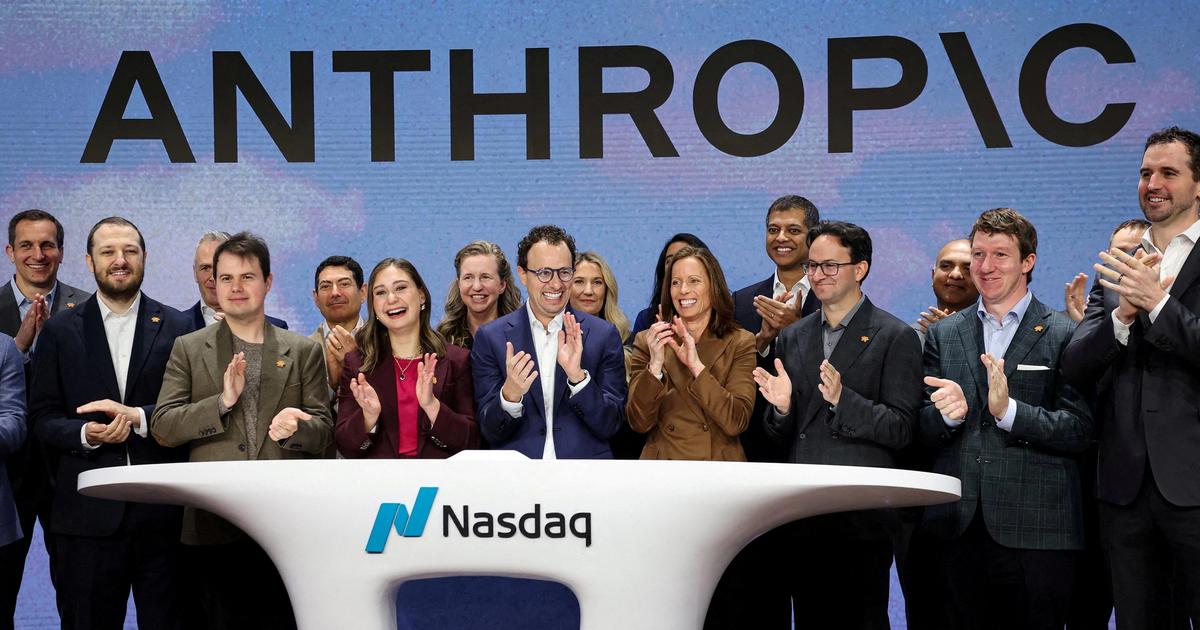
Or was the IPO of Anthropic more the talk of the town?
 Reed Albergotti
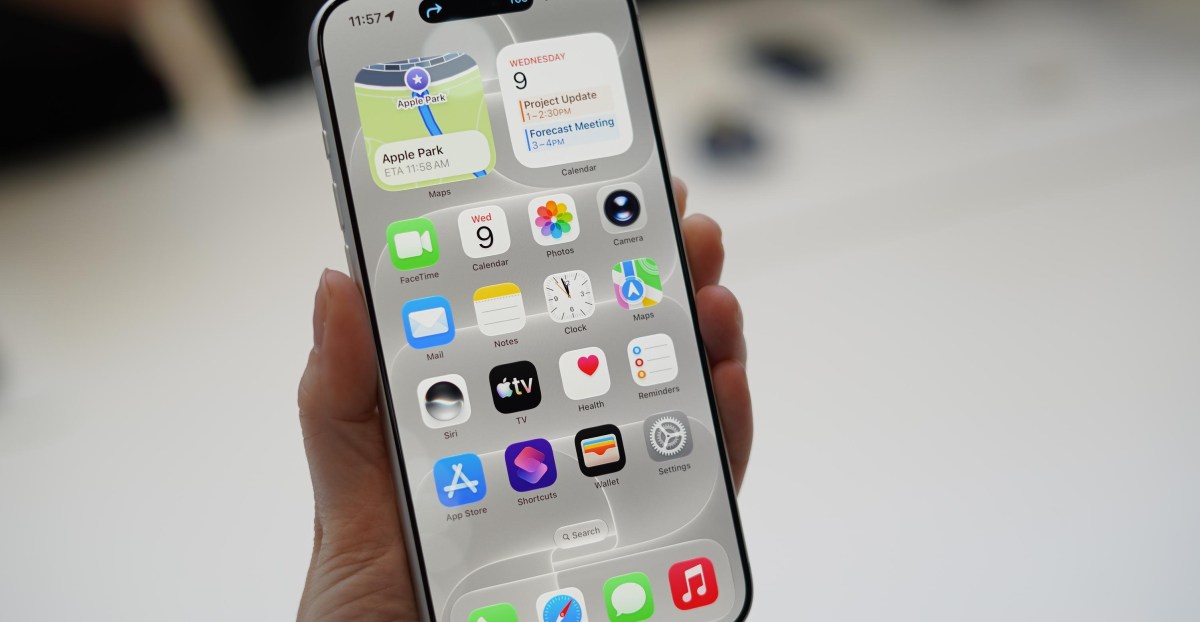
In the meantime it is news that Apple is hiring engineers to build their own agent.
 Emma Roth
Would you trust your finances to OpenAI?


Human-AI relations
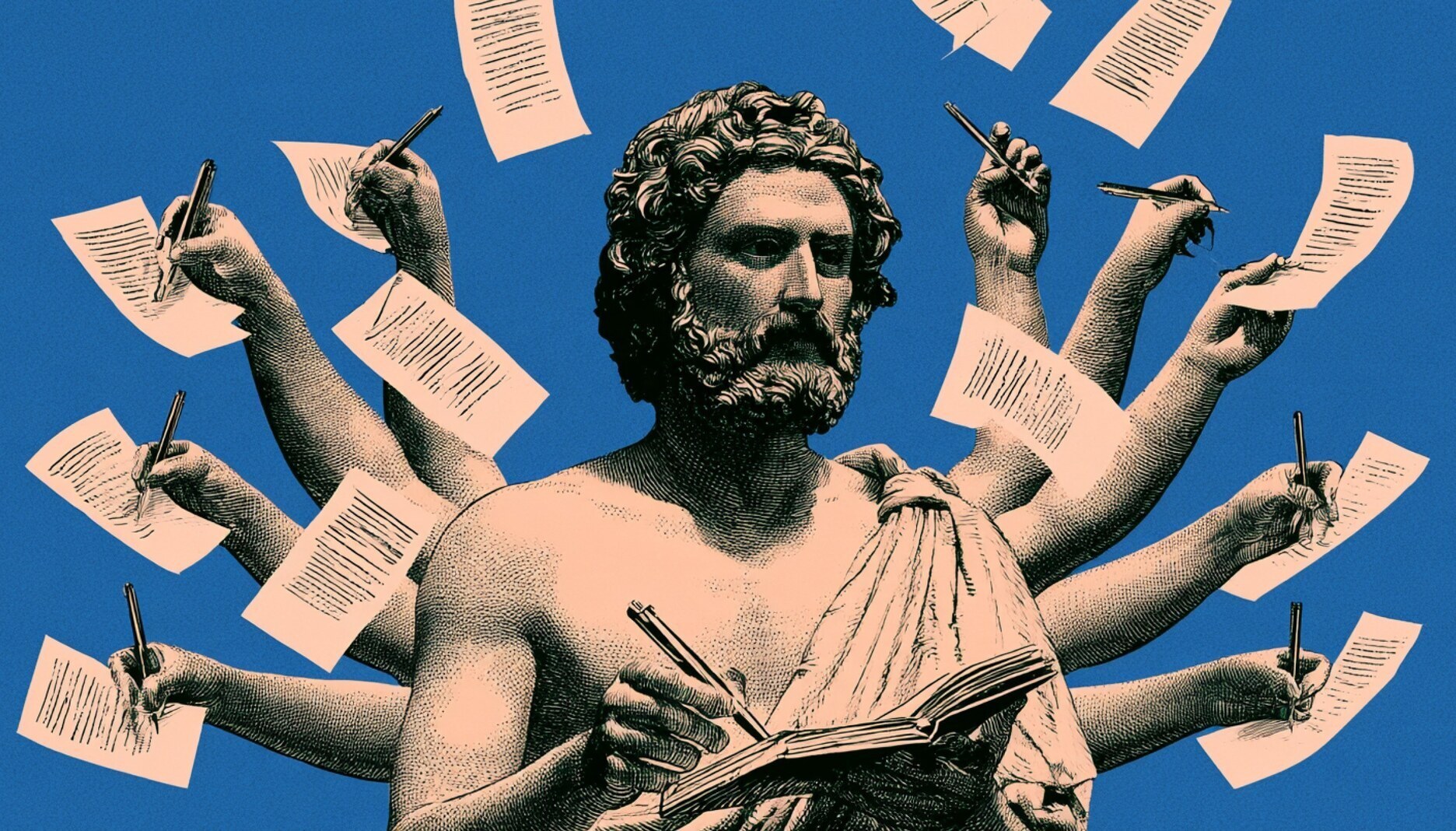
AI is able to proof a 166 year old math hypothesis. But it will take years to understand the proof. It makes you wonder how AI and humans relates. Again.
I think you might get lost in translation and understanding who wrote what. So did the AI write like him or are they found a middle ground?
 Mike Taylor
 Shreshta Shyamsundar and Chidambaram GS
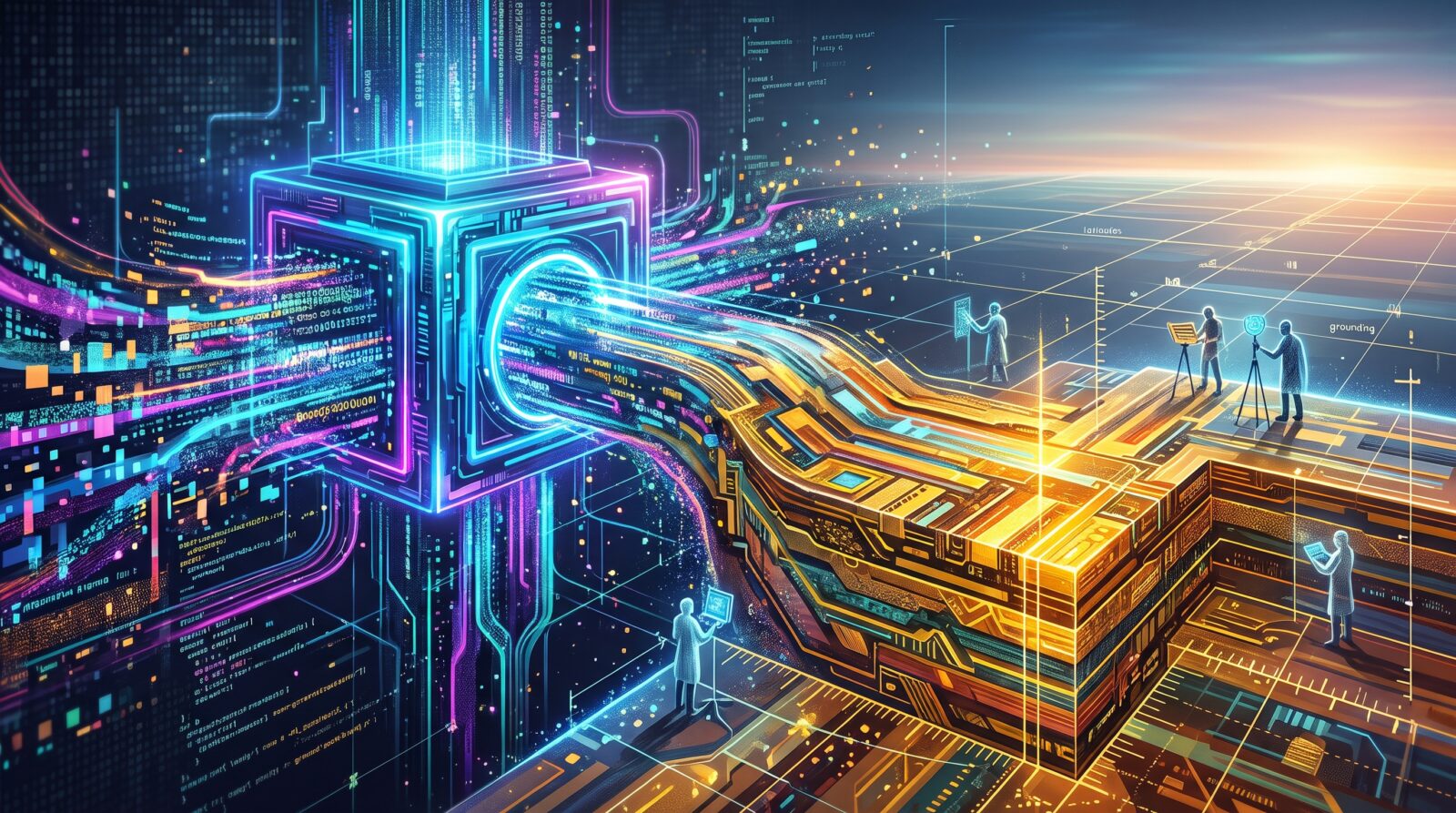
How to build agent workforces?
 Luke Wroblewski
Will there be a TV reality show soon?
Physical AI
Do you trust representations of reality?
In Dutch it is gluurbrillen, in English pervert glasses
 Caitlin Cassidy

Collaborate with nature; we are tiny ecosystems.
 thomai tsimpou I designboom
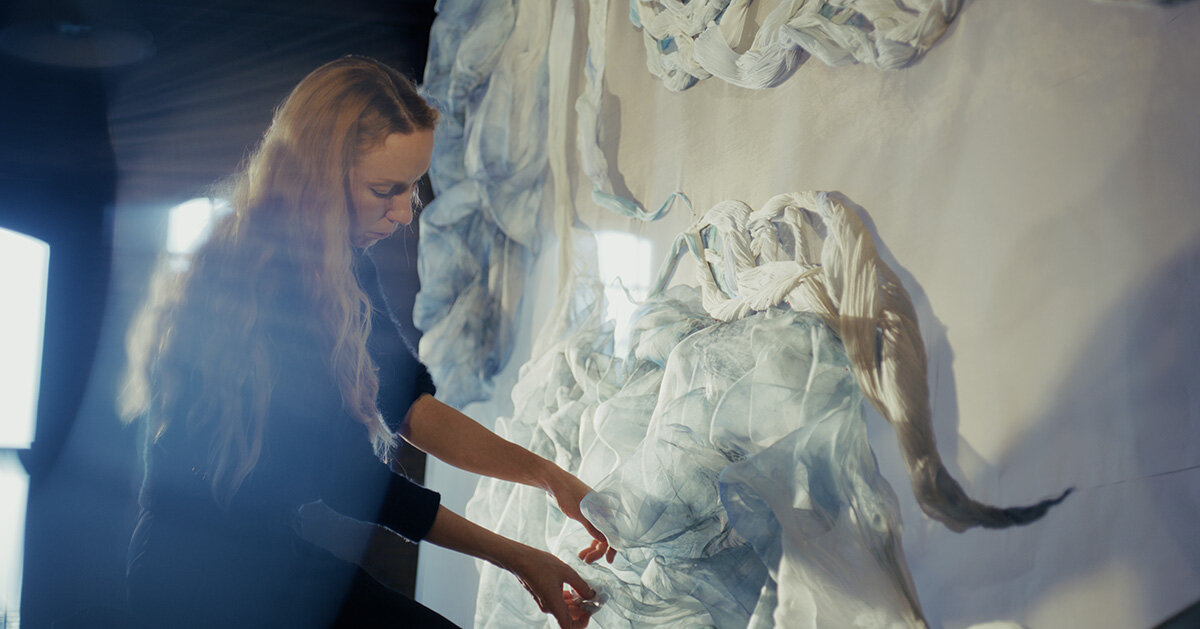
Another form of physicality in AI: AI as material.
 Patrick Tanguay

Tech in civic societies
The powers that be. Of model collapse.
 Garrison Lovely
Will AI stimulate unhealthy living like smoking, as it gets easier to cure it. A flex indeed.

The impact on entry level work in a report.
 Morgan Chalfant

Dare to resist.


New deck by Benedict Evans on AI, for those looking for data.
More data, less uplifting.
 Brian Merchant

Weekly paper to check
The platformisation of artificial intelligence and the persistence of platform power.
Is generative AI replacing platforms, or extending them? We argue for understanding this development through the platformisation of AI, or how AI systems are built on, embedded in, and powered by existing platform ecosystems.
Helmond, A., & Van Der Vlist, F. (2026). The platformisation of artificial intelligence and the persistence of platform power. Dialogues on Digital Society, 1–6. https://doi.org/10.1177/29768640261508962
What’s up for the coming week?
Today the Sociaal AI Lab Rotterdam festival will be showing a year of activities in the lab. I will be there with the team of citizens that created a Social AI artefact for in a hyper local context.
Also check out TH/NGS 2026 if you haven’t yet! Only a few weeks left. Use code TC2026-Subs-30 for 30 eu discount as subscriber (or reader) to this newsletter.