A dance of balancing agency with robotic creatures
Weeknotes 412 - What a performance of a puppet and a drone with a human can teach us about valuing AI autonomy in elections and beyond. With the latest hand-picked captures of the news.
Dear reader!
More even than normal was the world aimed at the US. This time with some better outcomes for now. Let’s hope this will be a real turn.
Week 412: a dance of balancing agency with robotic creatures
We had the first of a series of sessions where citizens in Rotterdam are discussing a more social application of AI in the city and their lives. Looking forward to the next steps.
It is one of the three assignments I am involved in at the moment, next to shaping a community of practice and envisioning the impact of a developing future of smart mobility. And I’m also preparing for this year’s TH/NGS, which starts to approach now in a little over a month. We announced the first speakers and sessions, and we are very much looking forward to this again. Check out more here about our theme, “Things That Care”, and the first names. And tip: if you plan to join, the early-bird ticket price ends tomorrow!
It was great again to meet nice, new, diverse people at the cocktail event by Monique. And there was the yearly Society 5.0 festival, the fifth edition this time. Always a pleasure to visit. Due to the other mentioned activities, I could only see part of the program. Reimagining autonomy was the central theme this year and both sessions I followed were linked to robotics in different ways. How puppets teach us about our relationship with these new creatures; see also the triggered thoughts; and designing social robot interaction in a context of neurodiverse learning experiences.
The talk of Romain Brette about our relation with machines was inspiring: “Meaning requires a living organism interacting meaningfully within a world; therefore, algorithms without an organism or world cannot achieve true understanding or subjective experience (such as knowing what a banana tastes like).”
A nice segue into the triggered thoughts on a dance of balancing agency with robotic creatures.
This week’s triggered thought
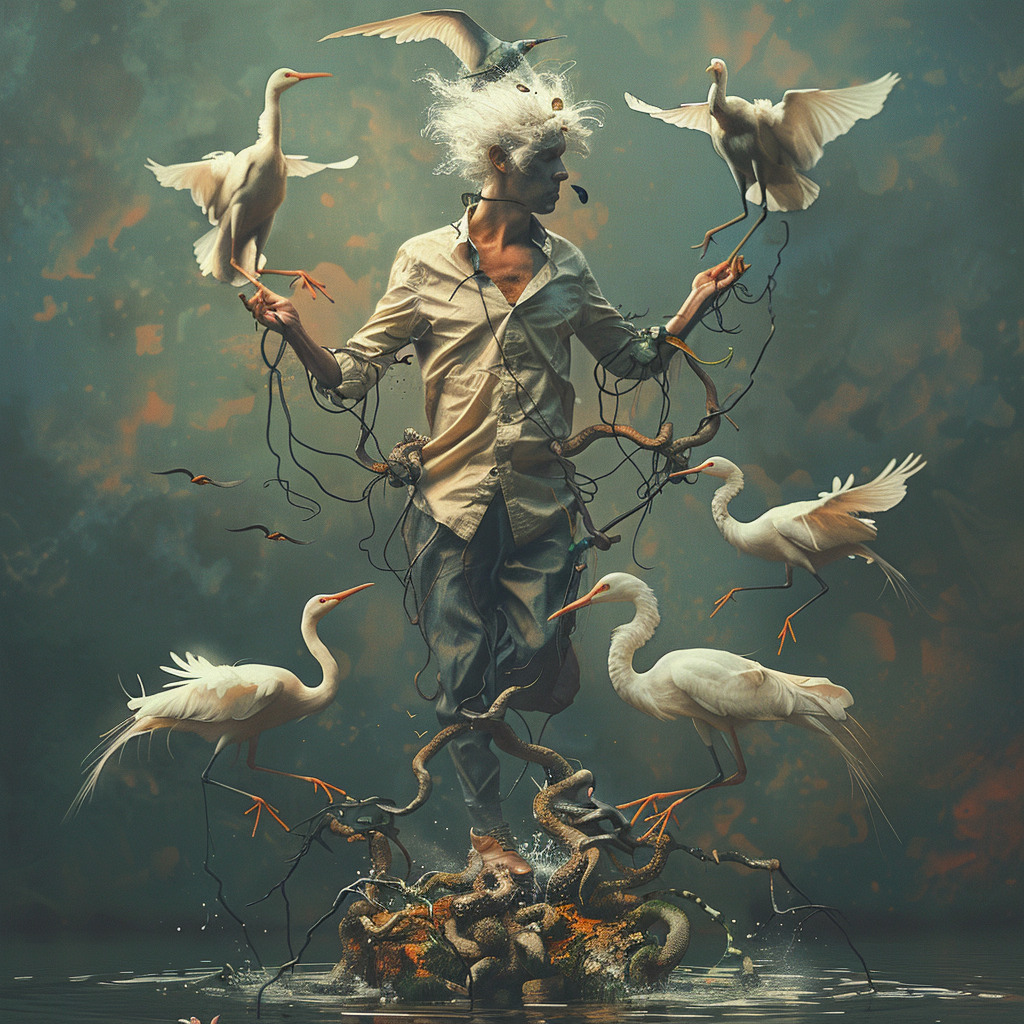
Last week I was at the Society 5.0 festival in Amsterdam. This year’s theme was reimagining autonomy as something shared rather than owned. A teasing session was one organised by the Ulrike Quade Company, which works where puppetry meets technology, presented a performance with two partners for the dancer and puppeteer Roberta Maimone: a puppet and a drone.
The relation with the puppet is a familiar one. The puppeteer stands behind it, and the puppet borrows her body. Its gestures are hers, translated. When it comes alive, it is because she lends it life, improvising until the object seems to have intentions of its own. There is a lot to learn from that for how robots should move and behave.
The drone was another story. It had four programmed behaviours, following being one of them. Maimone chooses a mode and then has to respond to what the drone does with it. She no longer stands behind but in front, a bit like walking a pet. The drone looks back at her through its camera. It also brings its own quirks: it mixed up faces in the audience with hers and lost its GPS signal indoors. The performance became a negotiation, closer to an equal interaction than the puppet could ever be.
That session was the day after the US midterms. Around the same time, I came across a claim on social media, attributed to a Bloomberg journalist. I could not trace it to a source, so take it as a thought, not a finding. The claim was that this was the first election in which many voters used ChatGPT and similar tools to make up their minds. Compared to polarising social media feeds, those conversations were more balanced and nuanced, and that might explain why more moderate and varied candidates won. The results show all kinds of winners, from moderates to progressives, so the causal story is shaky. Still, it is worth thinking through.
If there is something to it, the chatbot acted less as an oracle and more as a co-performer in forming an opinion. That would be a sweet spot between two fears: handing our thinking over to AI, or leaving it to the feeds. It is tempting to call this a mirror for our thinking. But a mirror gives back what you bring to it, and several voters noticed that chatbots tend to agree with whatever they lean towards. The drone suggests something else. Its value was that it did not fully obey; it looked back from another angle. Maybe depolarisation comes from that friction more than from reflection.
That raises the question of who sets the modes. With the drone, the performer picks between following and the other behaviours. With chatbots, the modes are written into constitutions and system cards by the companies that build them. We have seen this pattern before. During the Arab Spring, social media was a tool for citizens to organise, and later it became a tool for control. Signs of a similar turn are already visible. Just before the election, NPR found ChatGPT citing political ads disguised as local news sites.
Trust matters here, as the drone teaches us too. The performer knows its four behaviours and sees its glitches as they happen. A chatbot’s errors arrive in the same confident voice as its facts. You can trust a co-performer when you can read its repertoire.
So what if we could choose the modes ourselves? Picture networked models with open weights, and constitutions governed by the communities that use them. You would pick a following mode when you want to explore, and a challenging mode when you suspect you are too sure of yourself. The relation would then look more like the drone than the puppet. There is a risk, of course. A community that fully controls its model may tune it to agree, and we end up with echo chambers by design. But that is a design question, not a dead end. How do we design commons that keep looking back at us?
Notions from last week’s news
So the big tech and AI news is about a spy story? I think I skip. Just last evening, Anthropic dropped a new Fable model. Is it a step towards AGI? All part of the road to the IPO. Running to prevent running dry. Challenging the sceptics.
Every is claiming a paradigm shift. If you know what to do with it. “It’s the first model we’ve tested that lets professionals build production-grade tools of their own without ever reading the underlying code.” And this is the take of Ethan Mollick. “It is a powerful tool, yet people still need to guide it and check its results.”
 Ethan Mollick
OpenAI is introducing responsible AI. Responsible-washing?
Human-AI relations
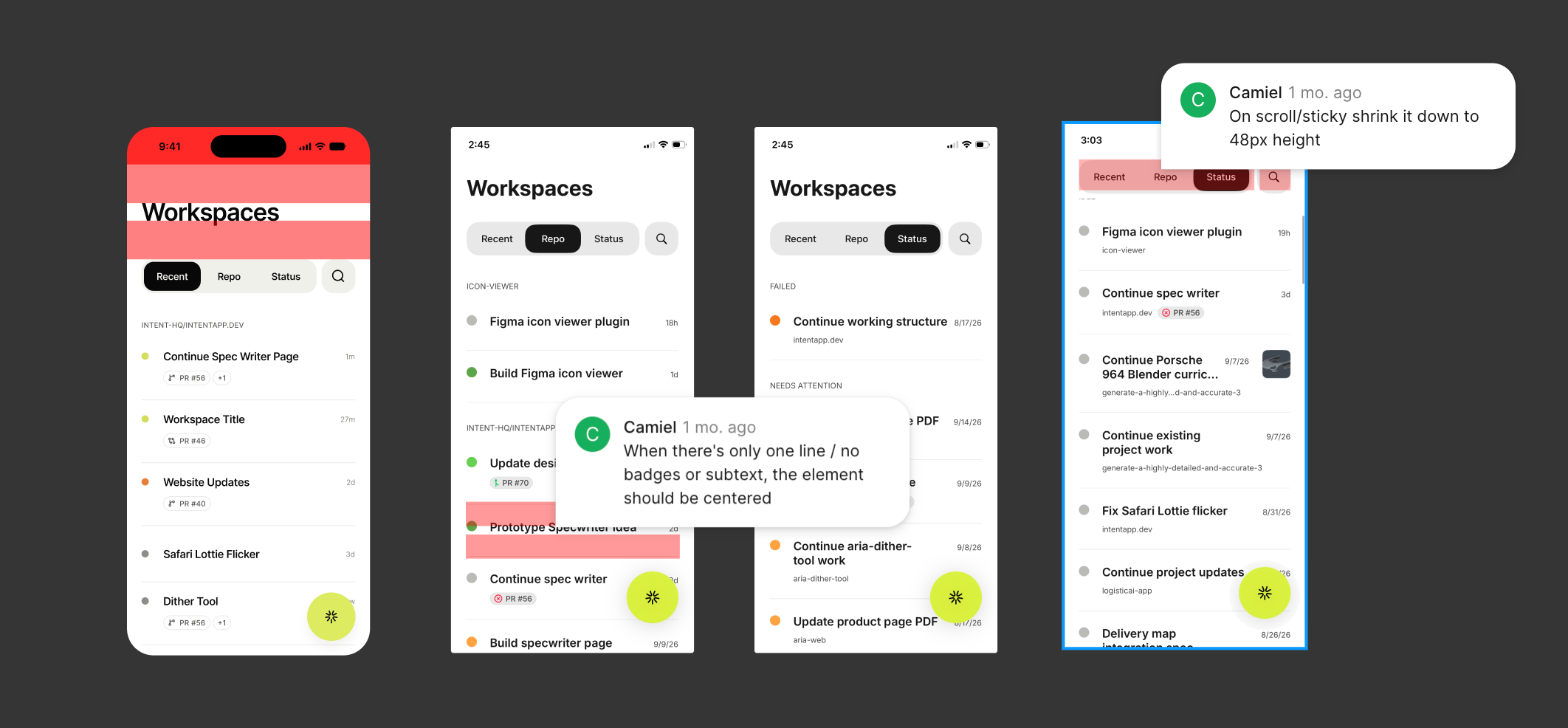
How to design feedback of AI agents?
 Luke Wroblewski
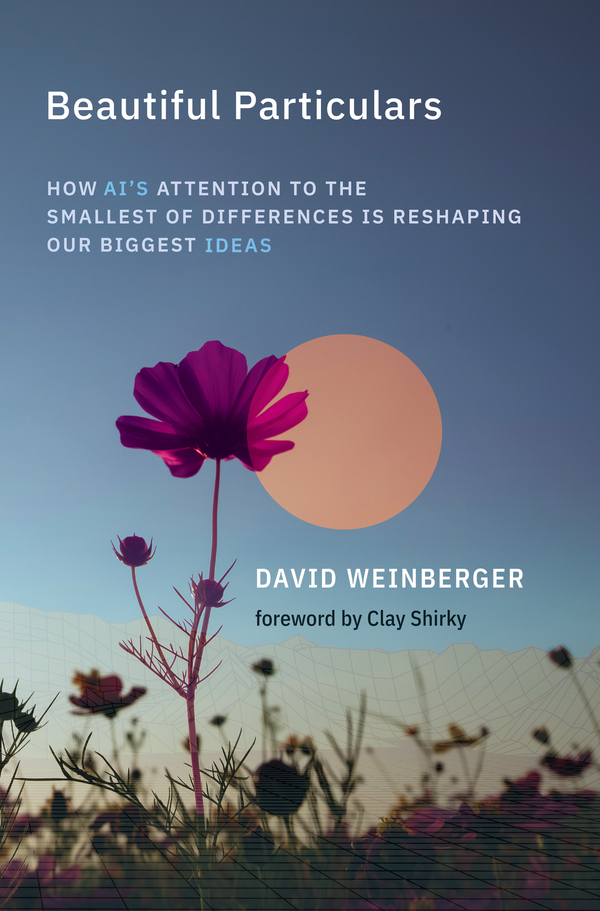
How does AI see the world? It is the central question in a new book by David Weinberger
 David Weinberger
The future of creative work explored by corporate creatives.
 Jess Weatherbed

Being a musician is changing on SoundCloud.
 Terrence O'Brien
Physical AI
The geopolitics of connected things.
 Dan Milmo

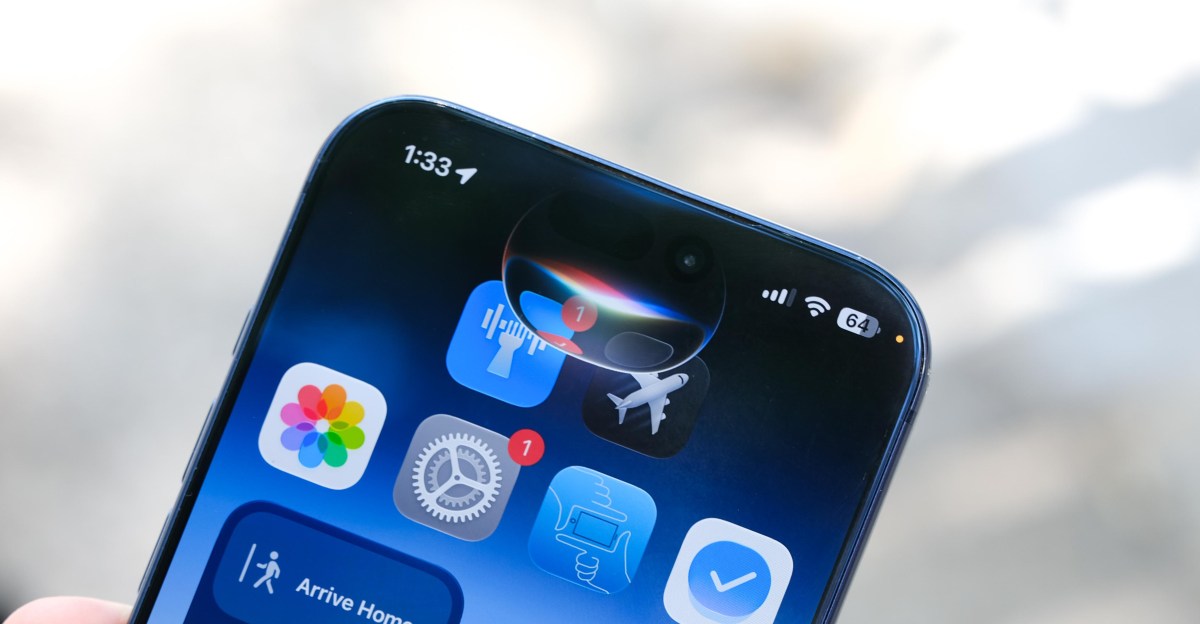
The Apple agents bridging physical space?
 Terrence O'Brien
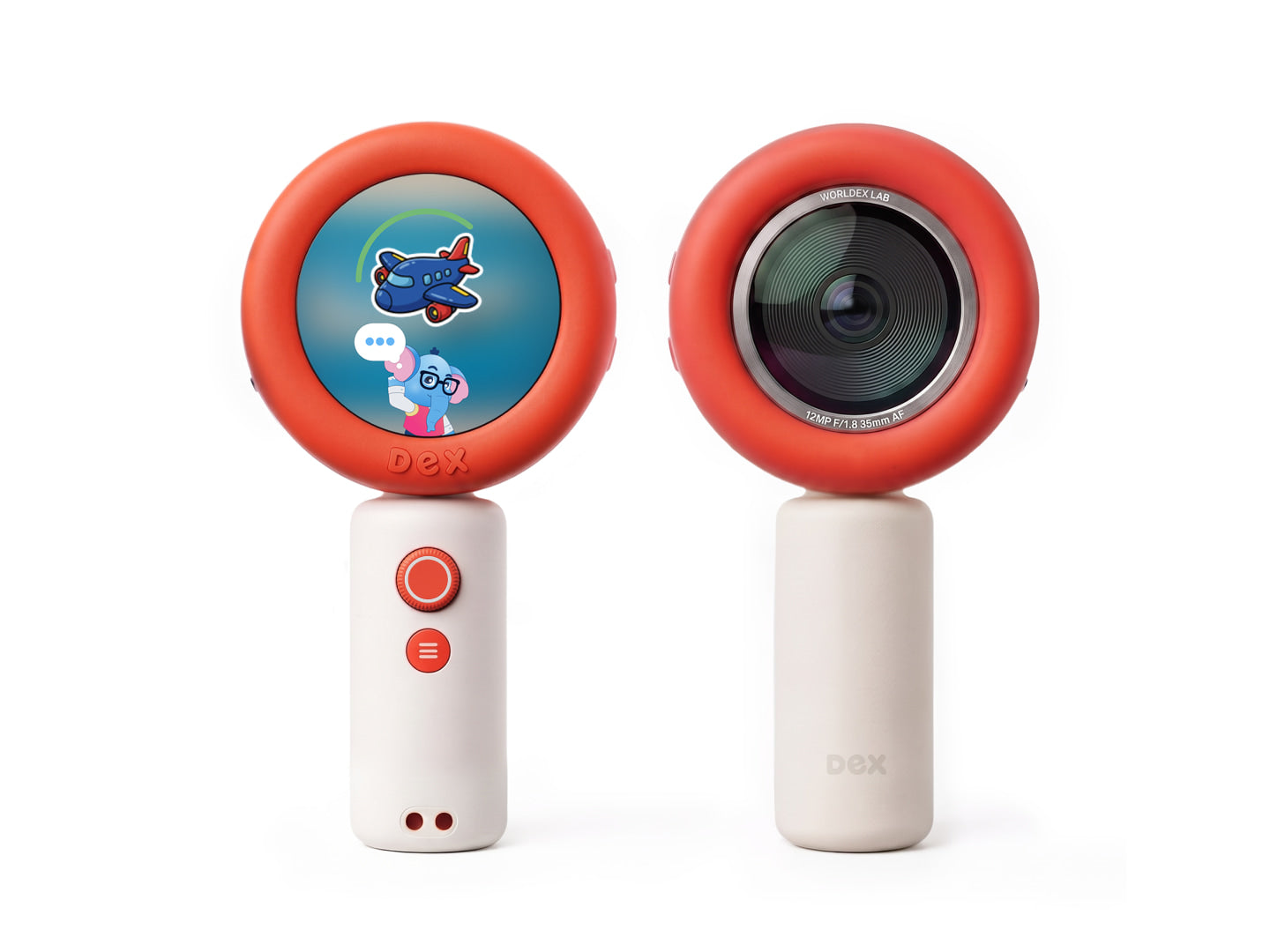
The category of AI enhanced toys defined.
 dex-camera
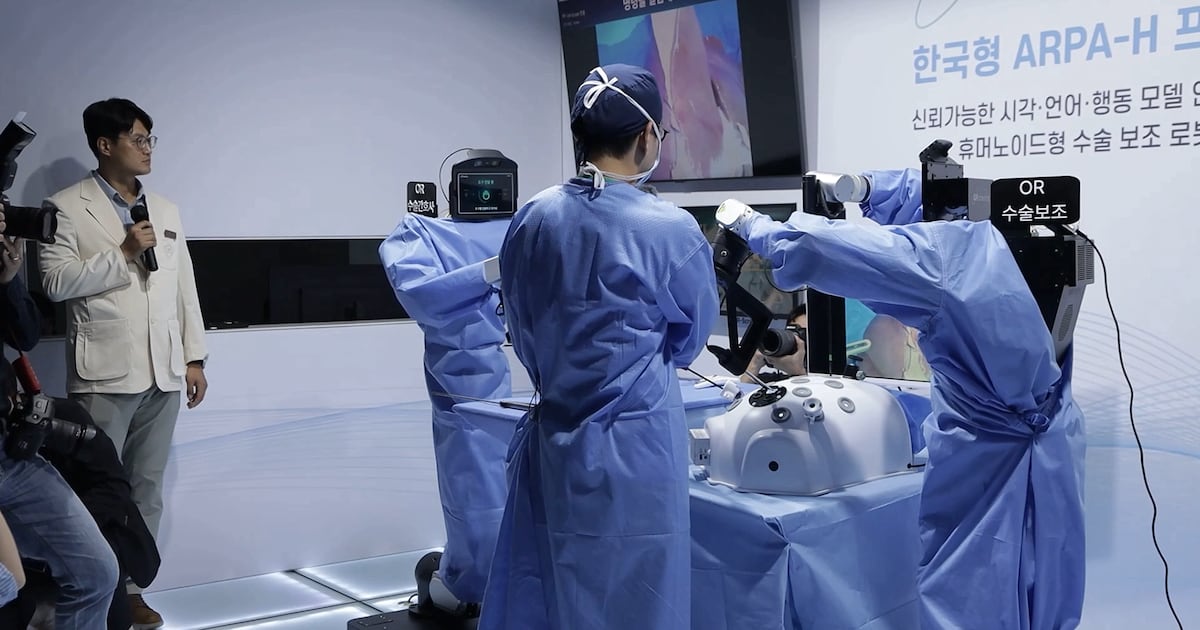
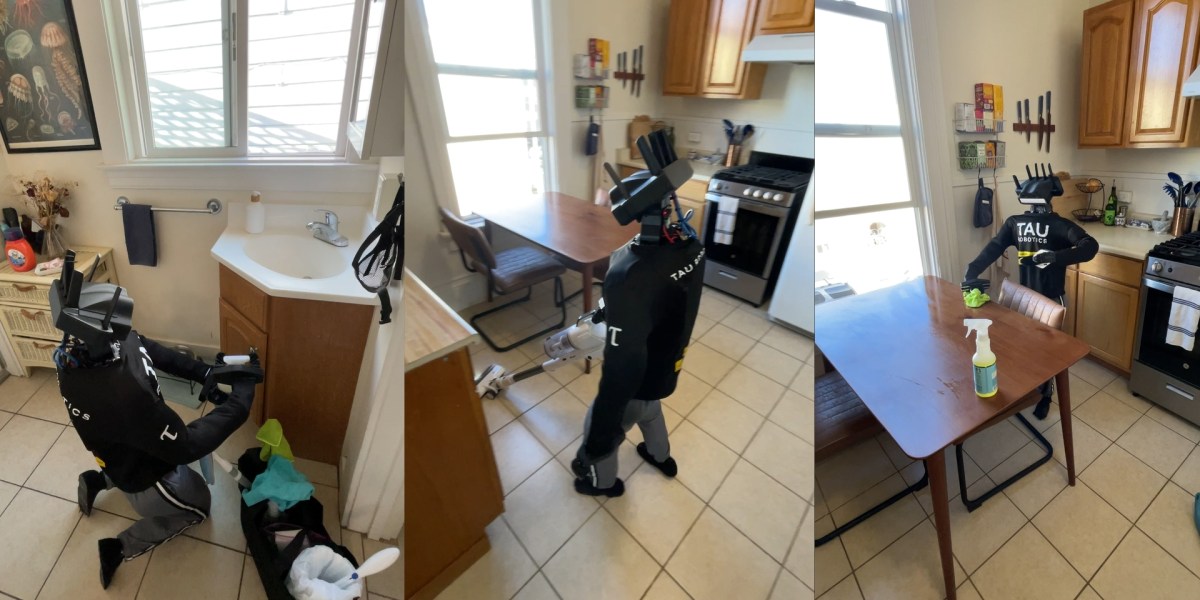
Humans as part of industrial robotic industries.
 Jo Eun-im
We apparently need an uncanny state
 Grace Huckins
Tech in civic societies
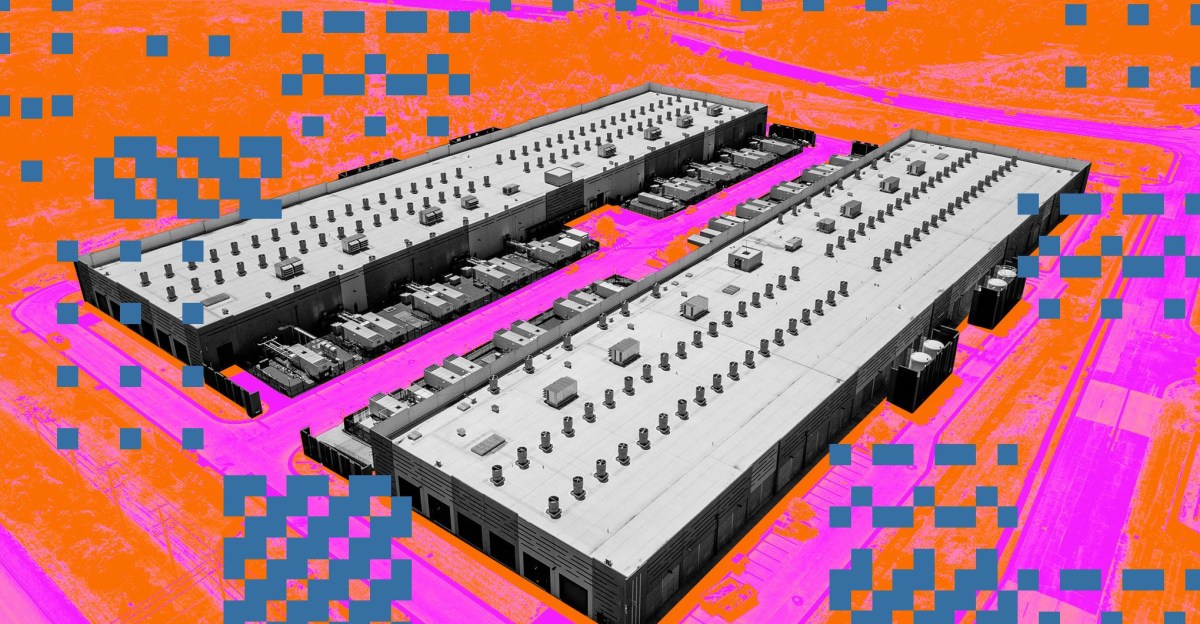
It is interesting to follow how the elections influence the data center debate.
 Lauren Feiner
Will we have a second consumer-based AI wave?
 Reed Albergotti
What does this mean for economies that are build on trust and make-belief?
 Max Tani
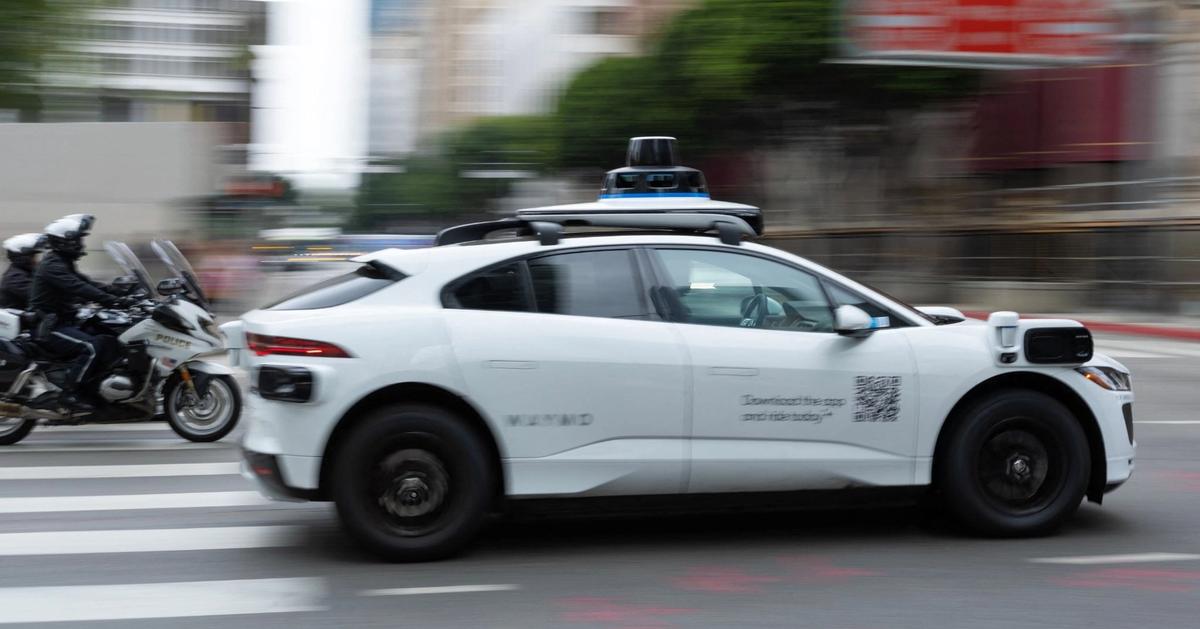
Brace for impact.
 Casey Newton

Fighting climate change with AI feels cynical.
 Justine Calma
The limits of zero-trust security
https://spectrum.ieee.org/zero-trust-agentic-ai-architecture
New economies. Again.
 Philipp Humm
Designing socially useful computing, together. Be aware that there is more at stake.
 View all posts by Kars Alfrink
Weekly paper to check
Dispassionate labour: Independent musicians and creative autonomy in the age of platformed cultural production
Ultimately, it is argued that the transparency and professionalization of artistic work in the platform economy make musicians keenly aware of their complicity in the perpetuation of an inequitable system that relies on the incorporation of its outsides, and that this newly dispassionate orientation to cultural production threatens a key tenet of artists’ identities as agents of social reproduction.
Perevedentseva, M., & Muchitsch, V. (2026). Dispassionate labour: Independent musicians and creative autonomy in the age of platformed cultural production. International Journal of Cultural Studies, 0(0). https://doi.org/10.1177/13678779261503321
What’s up for the coming week?
More sessions, more interviews, more planning for the community. And more preparing for TH/NGS 2026. I will miss Muskan's workshop this evening and hope to be able to catch the event at CleverFranke. On Friday, I am not attending the Stadsmakerscongres this year, but hopefully I can do the afternoon of an event on Slow AI. Let’s see how it develops…