The next layers of designing the intelligent milieu
Weeknotes 391 - Thinking about the layers of infrastructure the AI became and how the intelligent milieu is the one to focus on. With a fine collection of human-picked news from last week on physical AI and beyond.

I asked Claude to create from the audio recording of my presentation
Dear reader!
So the pope is doing AI to address AI. A new definition of god mode… Is he missing a point? And there is a car that is discussed that has a lot of tech, in analog appearance.
Let’s see what the state of AI for believers (and critics) is this week.
Week 391: The next layers of designing the intelligent milieu
Last week, I was invited to share the new Cities of Things manifesto in a session on AI organized by Design Thinkers Academy (thanks for inviting, Jeroen and Tim). It was a nice group, and judging by the interaction, the story came about. We asked visitors what their favorite design principles were, and the mix was nice, depending on each person's focus. Of course, I promote taking them all into account in a balanced way!
I shared a write-up of the presentation I asked Claude to create from the audio recording of my presentation. I only had to replace two slides from their interpretation. Check it out here.
Too bad I totally forgot to check the virtual assembly on the critical AI network, planned to do so on Friday. I can blame a rough train ride… Hope there will be some reporting shared. I guess so, that is often the point of these academic events.
On to the triggered thought. Sparked by a combination of Benedict Evans speaking on the future of AI models (as infrastructure), and some thoughts by Dan Shipper on the importance of the harness compared to the model, referring to the state of Codex vs Claude (via AI Daily brief).
This week’s triggered thought
Something clicked this week while listening to a podcast interview with Benedict Evans. He made a point that sounds obvious once you hear it, but keeps unfolding the longer you sit with it: the model is becoming a commodity. The real action is elsewhere.
We’ve spent two years fixated on which model is smarter, faster, cheaper. But Evans’ point is that this is already the wrong race to watch. The model is the engine. “Nobody buys a car to admire the engine.” That is, of course, debatable, but there are not so many indeed.
The interface layer is where things get interesting; what he calls the “chat is not the answer” argument. Chat was a convenient on-ramp, a way to make the capability legible. But it’s not a destination. What comes next isn’t just apps in the mid-2010s sense. It’s something more infrastructural: connective tissue between agents, services, environments, and us. The interface becomes part of the world rather than a window into it.
The Apple Intelligence story makes this concrete. Apple’s proposition in 2024 was essentially: we will be the right harness. Trustworthy, private, integrated into your life. The model powering it almost didn’t matter — except they couldn’t make it work well enough. Now they’re apparently turning to Gemini as the engine. Google’s model running inside Apple’s interface, Apple’s context, Apple’s relationship with the user. Gemini becomes infrastructure. Apple retains the meaning-making layer.
This connects to something Matt Gorbet, designer, technologist, and current researcher at TU Delft, said in a recent conversation we had as part of building the new Cities of Things Manifesto. He talks about the concept of indifferent milieu: the environment doesn’t care about its inhabitants. Species adapt to take advantage of environmental forces; systems are built from the ground up, not top down. His critique of current technology design is that it focuses on objects, not on the supporting environment. Design the milieu, and the objects follow.
That’s a useful reframe. We’re not designing models. We’re not even really designing apps. We’re designing environments in which certain kinds of agency, behavior, and relationships become possible. Or don’t.
It is what I defined as immersive AI, for the context of the manifesto, the digital mirror worlds (beyond twins) from both the physical AI and embodied AI opens up a space for affordances, that is where the new things will happen. And we also need to be cautious in the execution and impact. Hence the Manifesto.
The thing isn’t interesting because of its AI. It’s interesting because of what it does to a neighborhood’s sense of itself, the milieu it creates around it. Curious how this will play out in the value systems.
Notions from last week’s news
My human-picked notions… :-)
It is finally happening, long rumoured, Anthropic is listing it’s IPO. A sign that some of the backlash might be a risk, and this is the best moment for gold diggers.
And the competitor becomes popular and leading again in application, it seems. But Opus 4.8 is a 5-version, say others.
Human-AI relations
A returning notion; what is the internet for nowadays, for humans or more for our machines?
 Rebecca Bellan
Having multiple agents within one services or things is a challenge of authorisation and therefor for delegation.
 Sunil Prakash
Will agents do job interviews too soon?
 Jess Weatherbed
Guide your agents with workflows
Addy Osmani
Create personal agents to cope with logistics

We need to mimic instructions for AI
Jess Weatherbed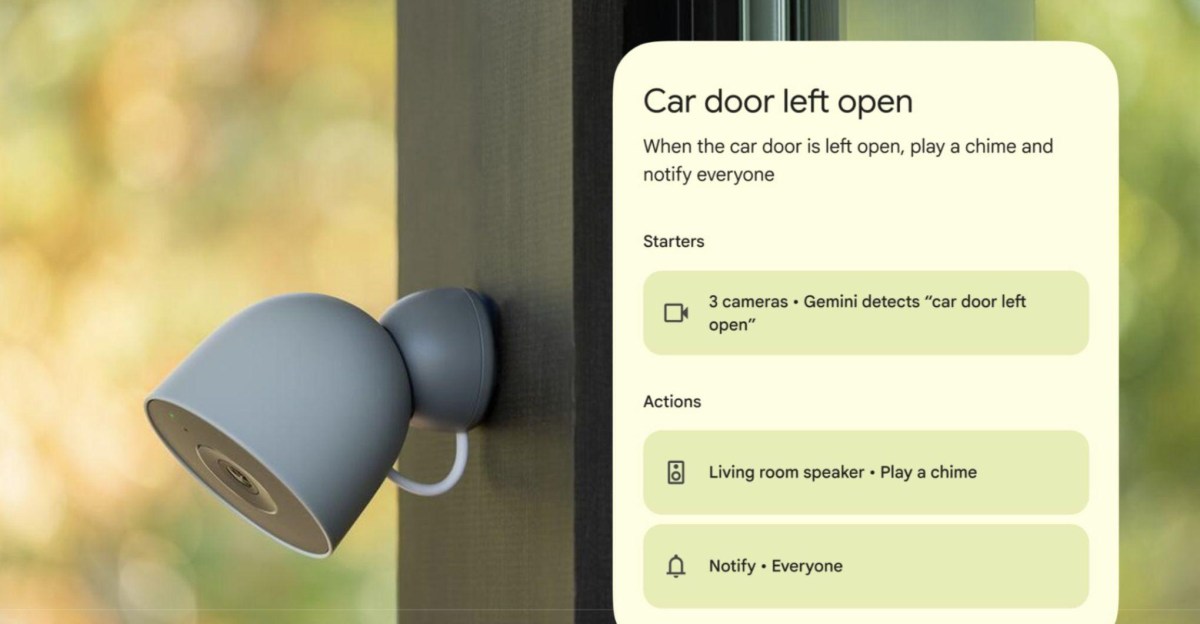
Physical AI
What would be interesting if these low-end version are open for people to create their own stuff, adding up to the combined value.
 Username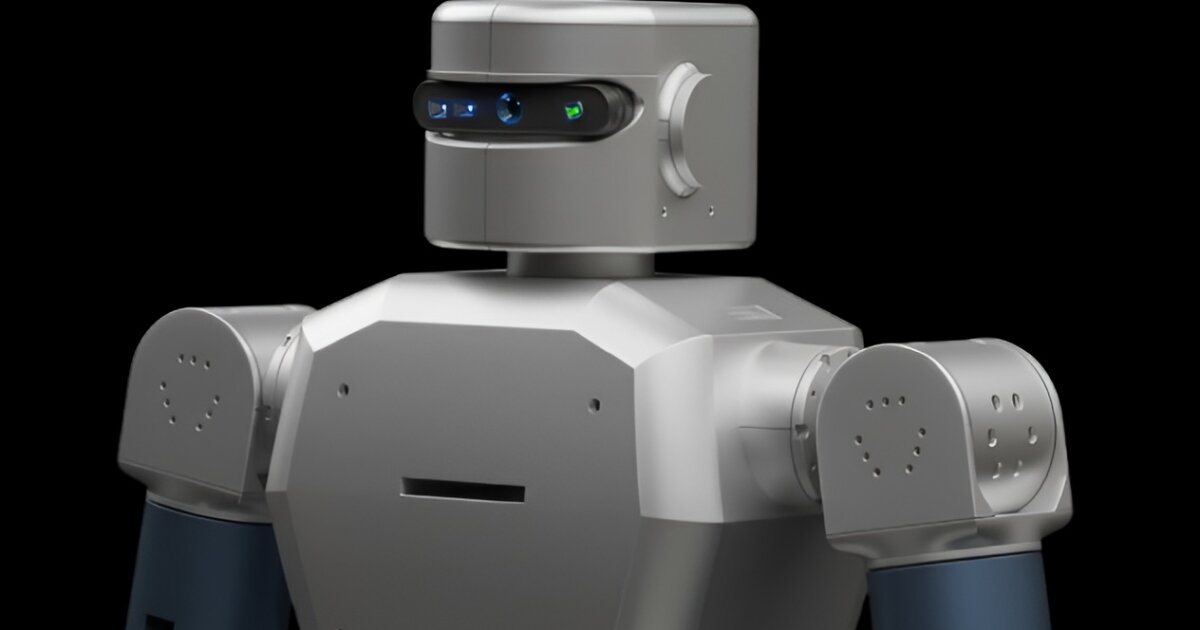
Another form of embodied AI: Nvidia chips in laptops.
Jess Weatherbed
Simulations are speeding up development processes.
Jonathan M. Gitlin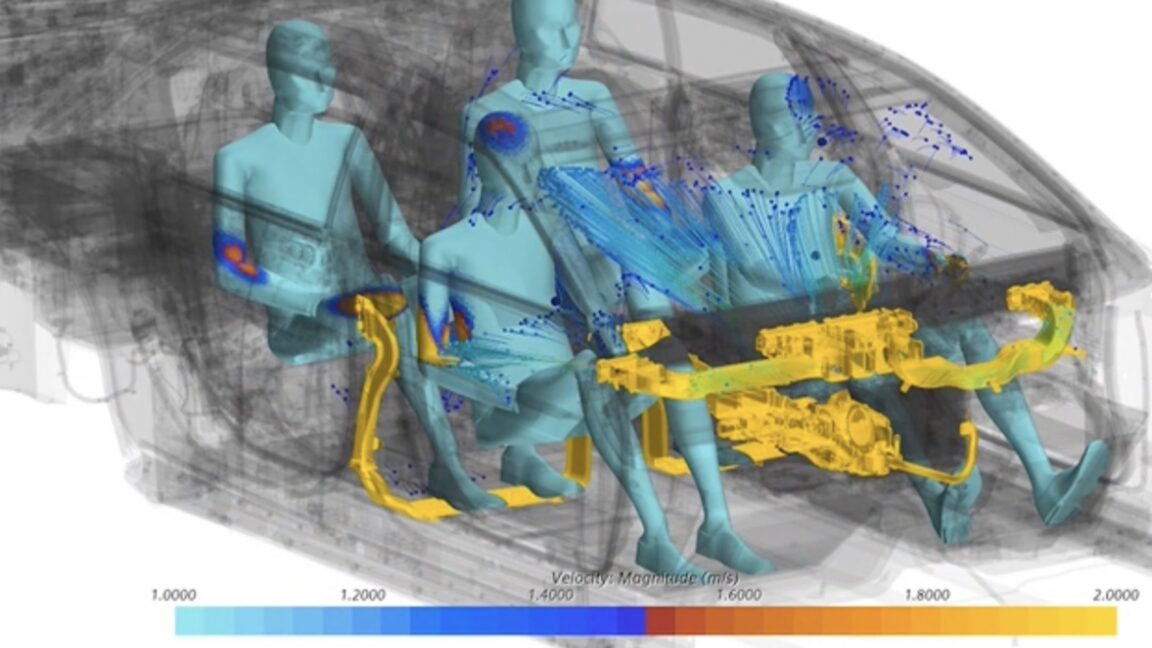
Finding data all over the world for simulations, you can be a guinea pig.
Jeremy Hsu
The underwater world of robots.
 Dave Schlenker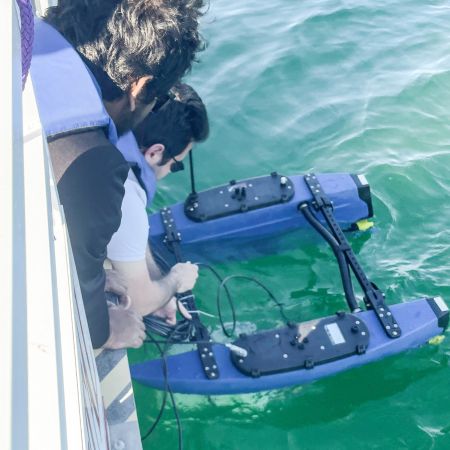
End of the Month, what let’s look back if we missed some news.
Brianna Wessling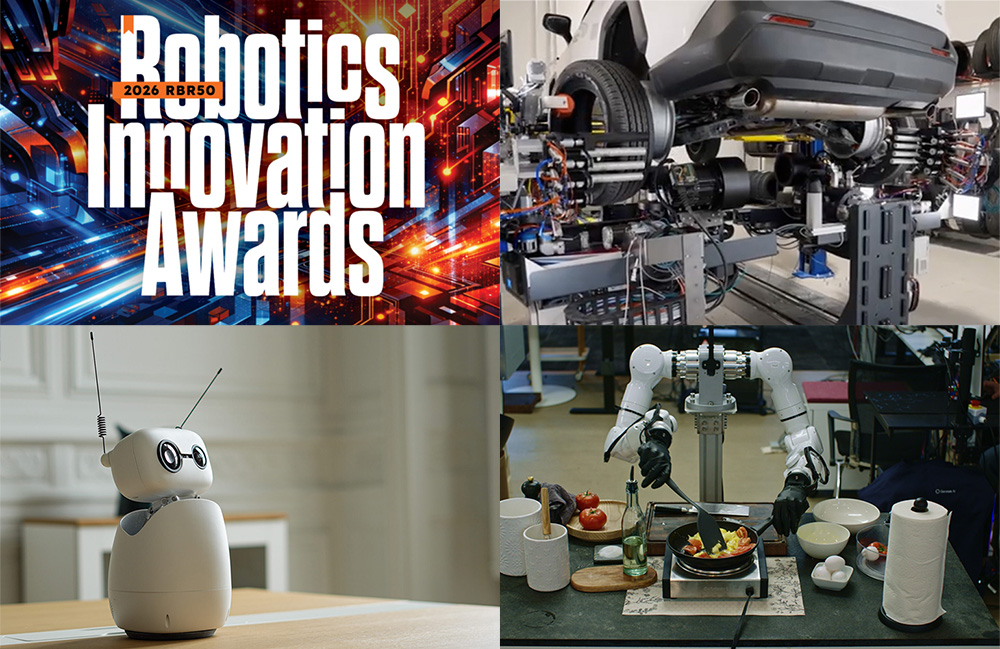
The practical limitations to understand the real world
The Robot Report Staff
Cute.
Futurewave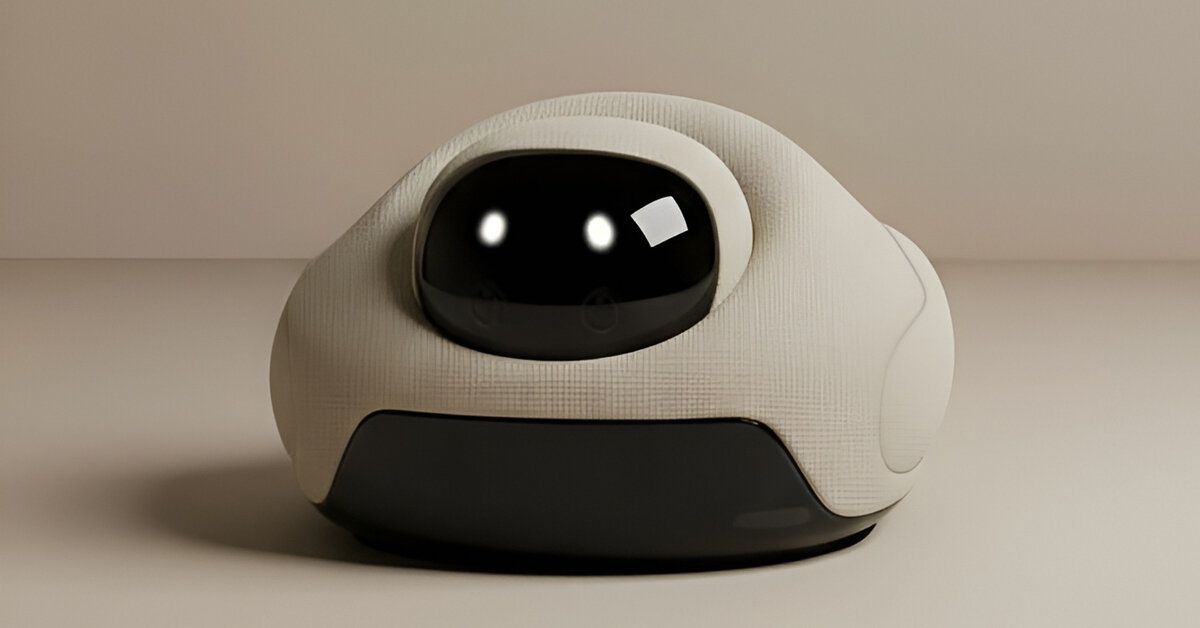
Tech in civic societies
It is also what you are looking for, and what the definition is.
Azeem Azhar and Nathan Warren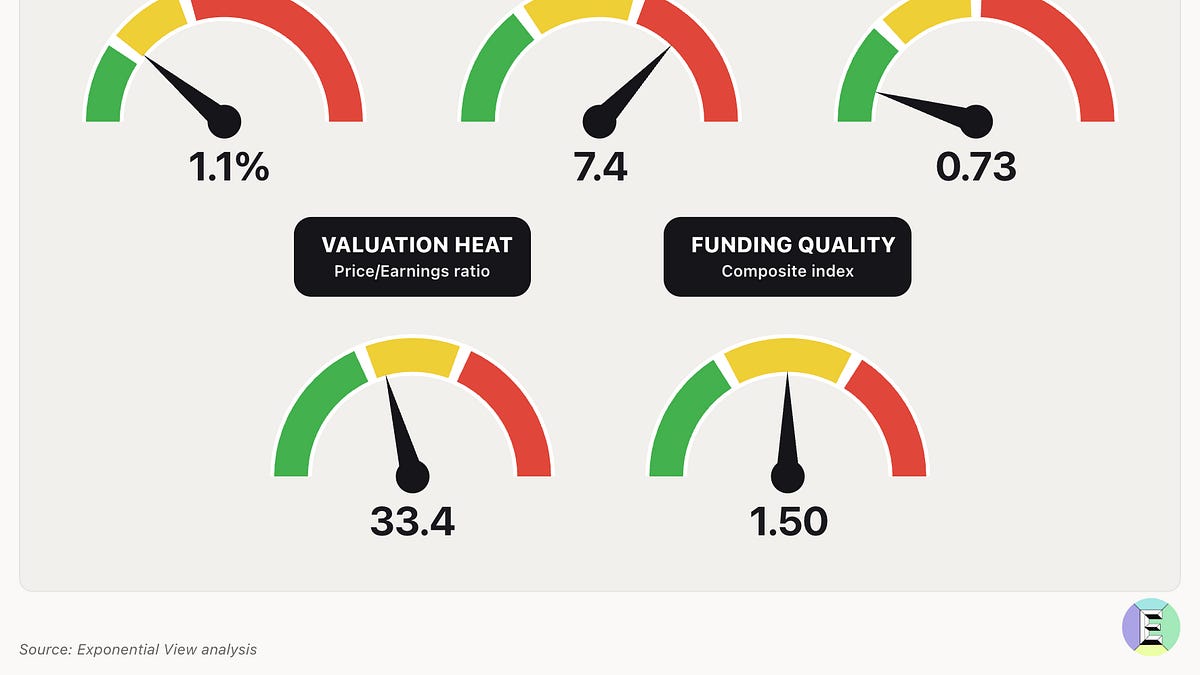
That other technology…
 Suhasini Srinivasaragavan
How relevant is SaaS?
Mike Loukides
Are tokens the new Bitcoin? A new digital currency. And a burden.
 Reed Albergotti
Tech is always becoming a financial instrument after all.
Liz Hoffman and Rohan Goswami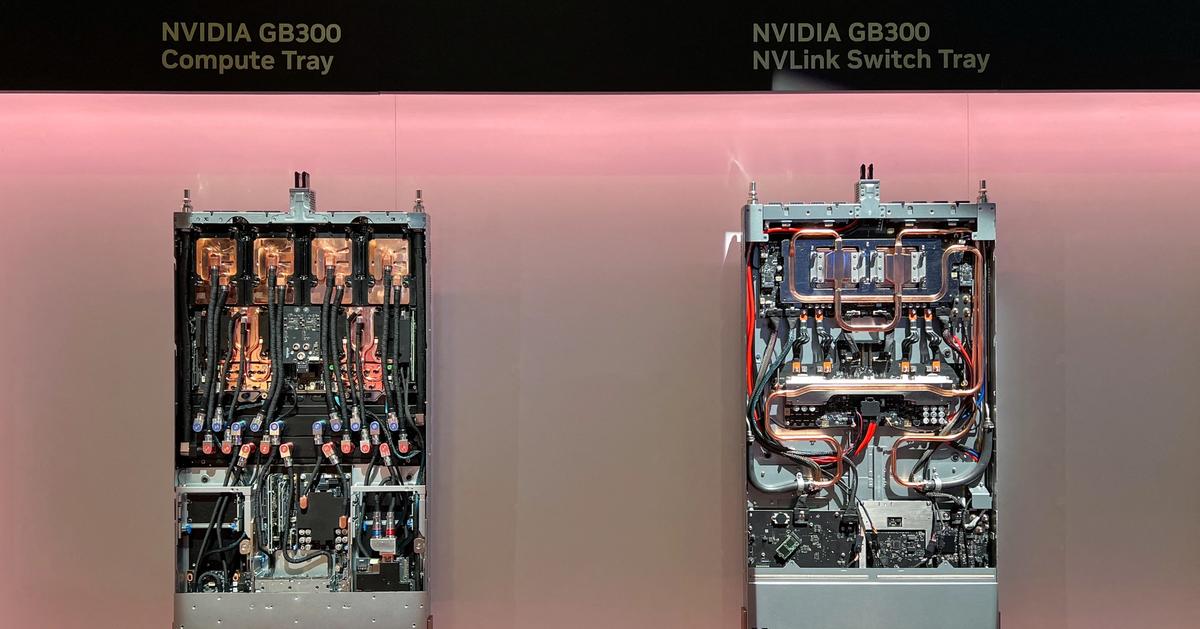
The new agentic divide
 Rina Chandran
Was open source not changing character after all.
Reed Albergotti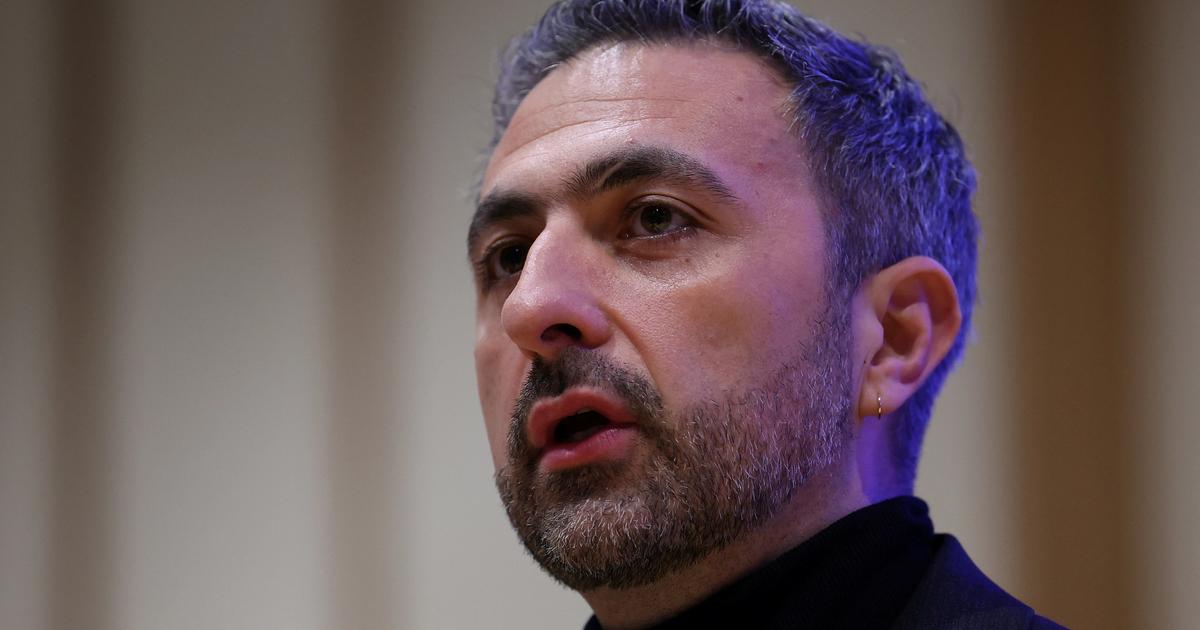
Slowing down technology.
 Jason Kottke
 Guardian staff reporter
 Russell Davies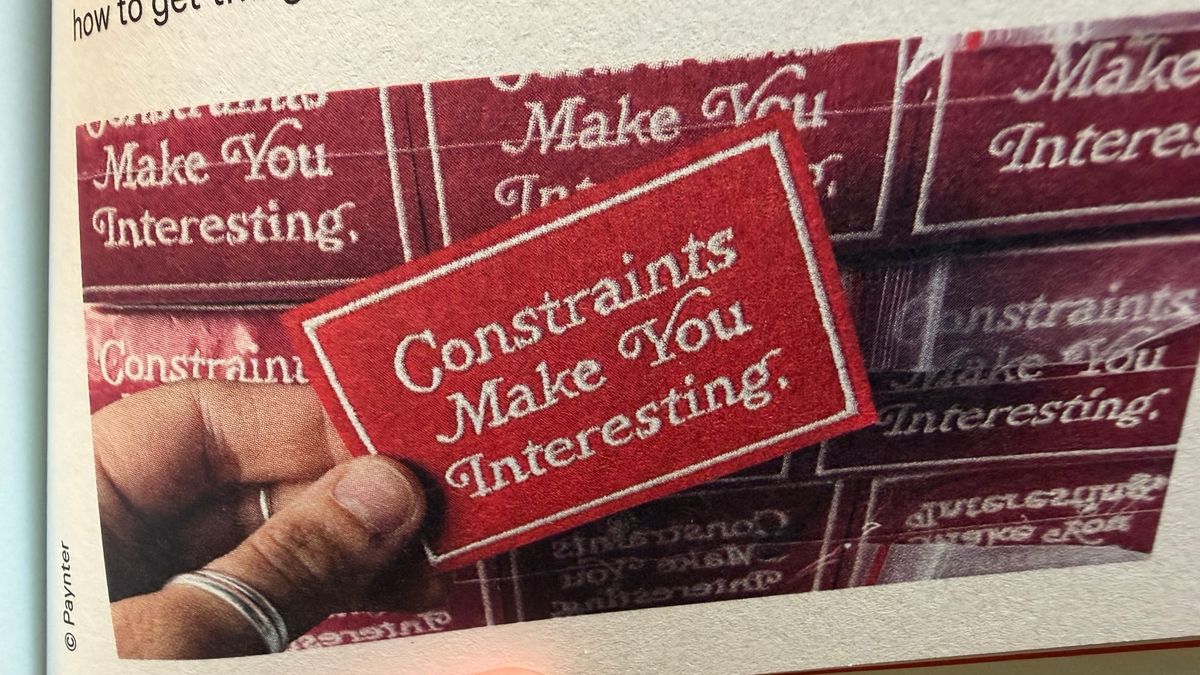
A paper to check
A different take on brain rot. Brain Rot and the Financialization of Attention: Cognitive Decomposition as Systemic Externality of Platform Capitalism
While brain rot has entered the popular lexicon as a marker of cultural-intellectual decline, this article theorizes it as a systemic condition of late-capitalist survival. Integrating world-systems analysis with the critique of the attention economy, I argue that cognition has emerged as the new frontier of intensive accumulation.
Lee, H. H. (2026). Brain rot: Cognitive decomposition as a structural externality of attention assetization. New Media & Society, 0(0). https://doi.org/10.1177/14614448261448834
What’s up for the coming week?
More than maybe expected, the story-lines and LinkedIn threads are filled with SXSW London posts. Other things, though, are PublicSpaces, AIxDesign, AI on the Amstel, Raait-event, and probably more that did catch my radar.
Have a great week!
About me
I'm an independent researcher through co-design, curator, and “critical creative”, working on human-AI-things relationships. You can contact me if you'd like to unravel the impact and opportunities through research, co-design, speculative workshops, curate communities, and more.
Currently working on: Cities of Things, ThingsCon, Civic Protocol Economies.