The evolutionary path to robot roommates
Weeknotes 372 - CES 2025 as a fortune teller or misrepresenter for a new breed of robotic roommates. And other news from futures in agentic AI in physical space
Dear reader!
One week in 2026. And an intense one. Not for the news of CES per se. Maybe a bit. See the triggered thought. But of course, more on the developments on the world stage. It feels like it is even going south sooner than imagined. Fingers crossed that the grown-ups keep their act together and deal with the bully…
Week 372: The evolutionary path to robot roommates
Getting the research on the state of Cities of Things further in the planning, and also discussing a new article as a follow-up to Designing in the Real World. Next to administrative work on completing TH/NGS 2025.
I checked in with the New Year’s drinks of Creative Industries Fund and Nieuwe Instituut, including a quick visit to the exhibition on Fungi. It was nice to get out of the door during the week full of icy conditions.
What will be the year of 2026 bring? Check Cities of Things for **2026: The year social intelligence surfaces.**
This week’s triggered thought
CES 2025 seems to be all about humanoid robots—but was it? Yes, the Boston Dynamics-Hyundai-DeepMind collaboration grabbed headlines with promises of mass-produced humanoids "in the coming years." But the most revealing signal came from a Chinese vacuum cleaner with legs.
This stair-climbing vacuum represents something more honest about where we are: incremental evolution, not revolution. We're not leapfrogging to C-3PO. We're watching the Roomba grow limbs.
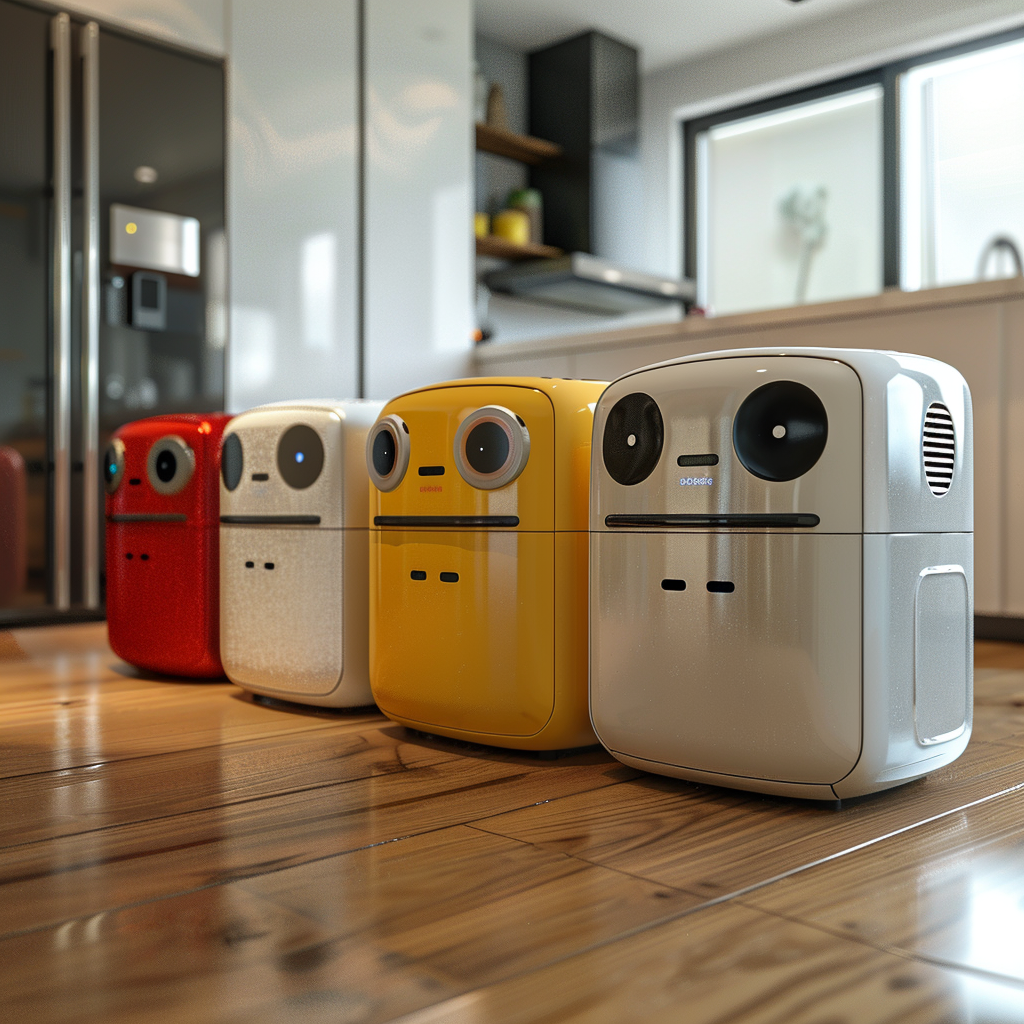
Consider the categories on display: single-purpose function robots (vacuums, lawn mowers), augmented appliances (washing machines with arms), multi-functional grabbers (wheeled poles with recognition and manipulation), and finally the humanoid prototypes. The evolutionary logic is clear—each generation adds capability, flexibility, autonomy.
But the most consequential evolution isn't in actuators or sensors. It's in what we might call predictive relations.
When a connected device can embrace a predictive system—one that not only profiles for scripted behavior but draws on knowledge co-created by all similar devices and their users encountering similar situations—something fundamental shifts. The thing doesn't just respond to your commands. It anticipates. It acts on predictions about what you'll need before you ask.
This is seductive, and it's coming. But it raises questions we're not adequately discussing.
Remember the Nest thermostat circa 2018? It promised autonomy but delivered something more modest: responsive programming based on observed behavior. It couldn't distinguish between family members or adapt its logic accordingly. We called these "intelligent products" back then. We were generous.
What's different now is the emergence of social intelligence—not just things responding to humans, but things understanding each other. The Matter standard took years to negotiate, getting manufacturers to agree on interoperability protocols. What if that entire standards effort becomes obsolete? Not because it failed, but because AI-enabled devices can negotiate their own communication protocols on the fly?
Here's the tension: when robots predict based on networked knowledge—learning from thousands of other households—their reasoning becomes opaque. Why did it clean now? Because the cloud data suggested you'd want it. How do we maintain agency in a relationship where the other party knows our patterns better than we do?
Research on human-robot interaction suggests the answer lies in co-performance—a model where humans and robots together shape appropriate behavior through ongoing negotiation, not one-time programming. The distribution of agency stays dynamic, not fixed. You can still override, still teach, still refuse. The robot learns from that too.
But this requires transparency we're not yet building. When predictive behaviors emerge from black-box systems, users lose the ability to understand, question, or meaningfully consent to automation. Every delegation becomes a small surrender—of attention, of understanding, of the capacity to inhabit your own home as someone who knows how it works.
The agentic AI paradigm we've been discussing in the digital realm is about to walk into our living rooms. The question isn't whether humanoid robots will arrive. It's whether we're designing predictive systems with genuine space for human engagement—or whether we're building helpful black boxes that slowly teach us not to ask questions.
The stair-climbing vacuum is charming. The question is what comes next, and whether we'll be paying attention when it arrives.
Within Cities of Things co-performance and predictive relations are foundational research lines and inspiration for the experiments and speculative design projects over the years.
Notions from last week’s news
Smart bricks and other highlights (and lowlights) of CES. And new Claude and OpenAI introductions.
Human-AI partnerships
Nate indicated that OpenAI and Anthropic are taking different paths in developing and product roll-outs. And just last evening, two different introductions of the two. Claude introduces Cowork: Claude Code for the rest of your work (beyond coding). OpenAI is doubling down on its health assistant, also for selecting insurance. Does this match the differences?
 Nate
Nate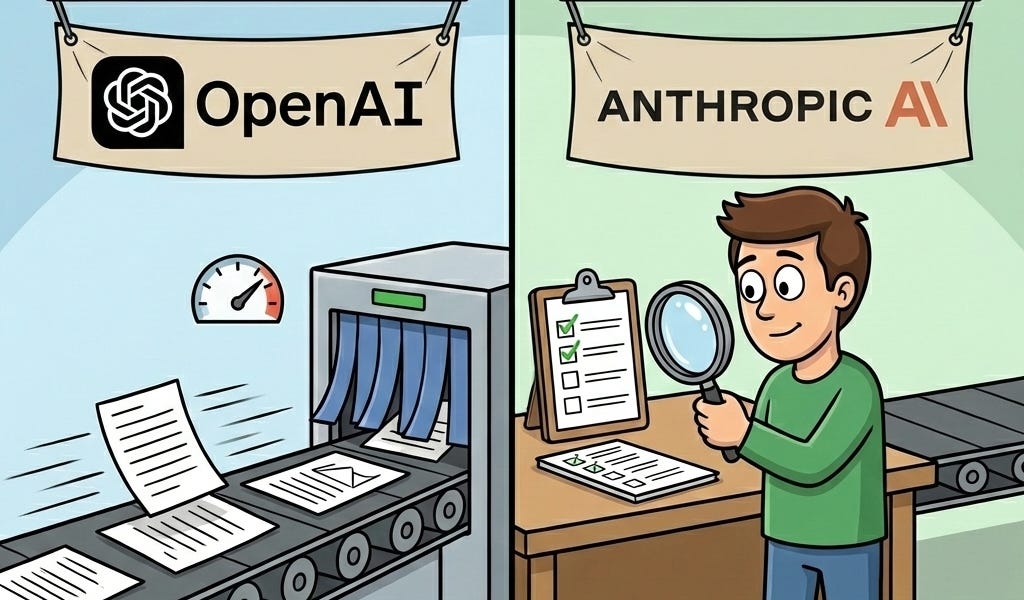
 Benj Edwards
Can AI do your jobs? Only for 2,5% of the tasks, a research claims.
Who is driving whom will become an ever more pressing question for cars and drivers in the near future.
 Jonathan M. Gitlin
Reid Hoffman on a future where humans and AI collaborate.
 Dan Shipper
It is a thin line between how coding assistants improve the coding. It can be worse if it introduces hidden problems.
Will AI replace thinking? Can you be more precise?
 Carlo Iacono
Sampling MCP personalities for better connections between tools and AI.
 Angie Jones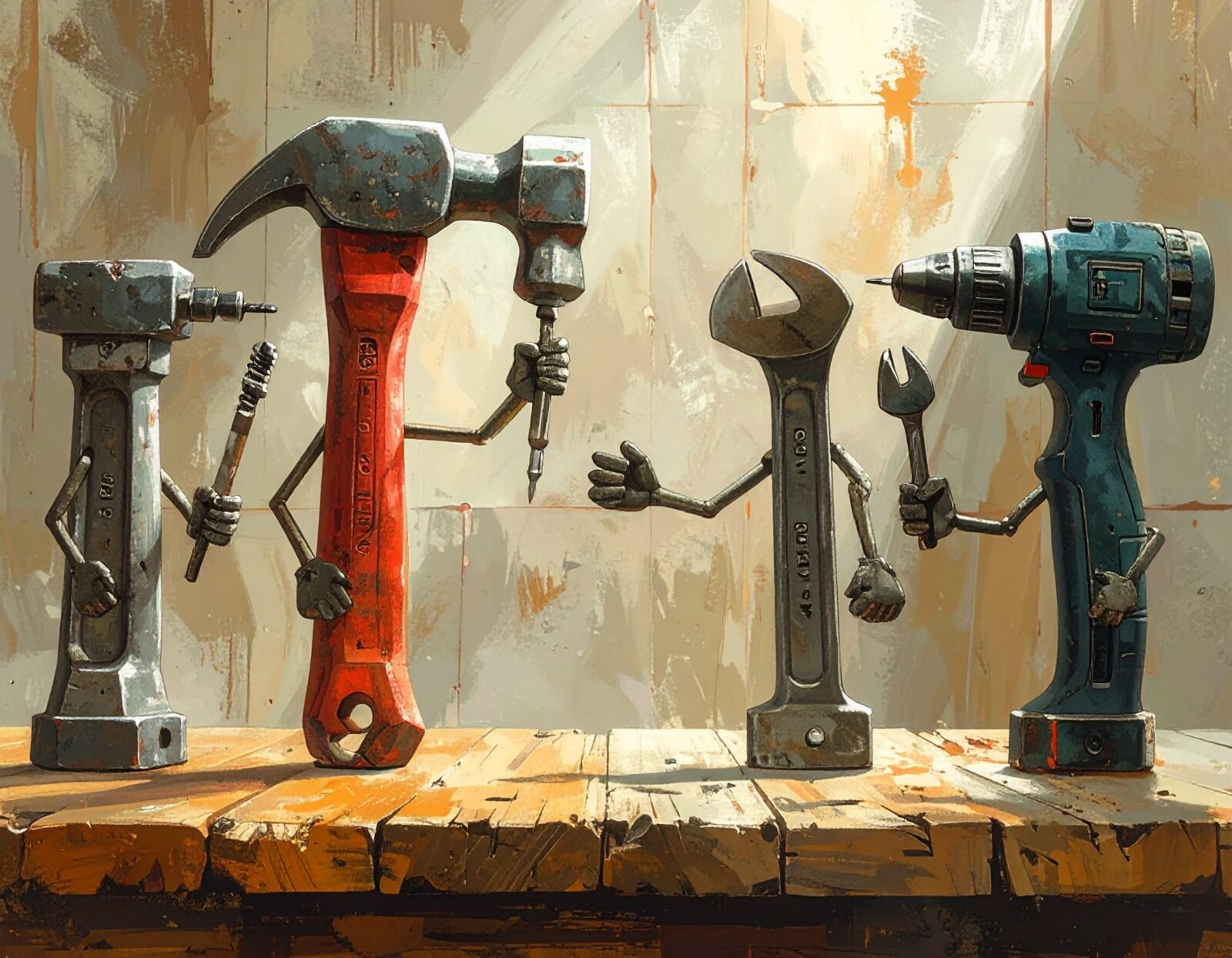
Language is important for understanding.
 Emily M. Bender, Nanna Inie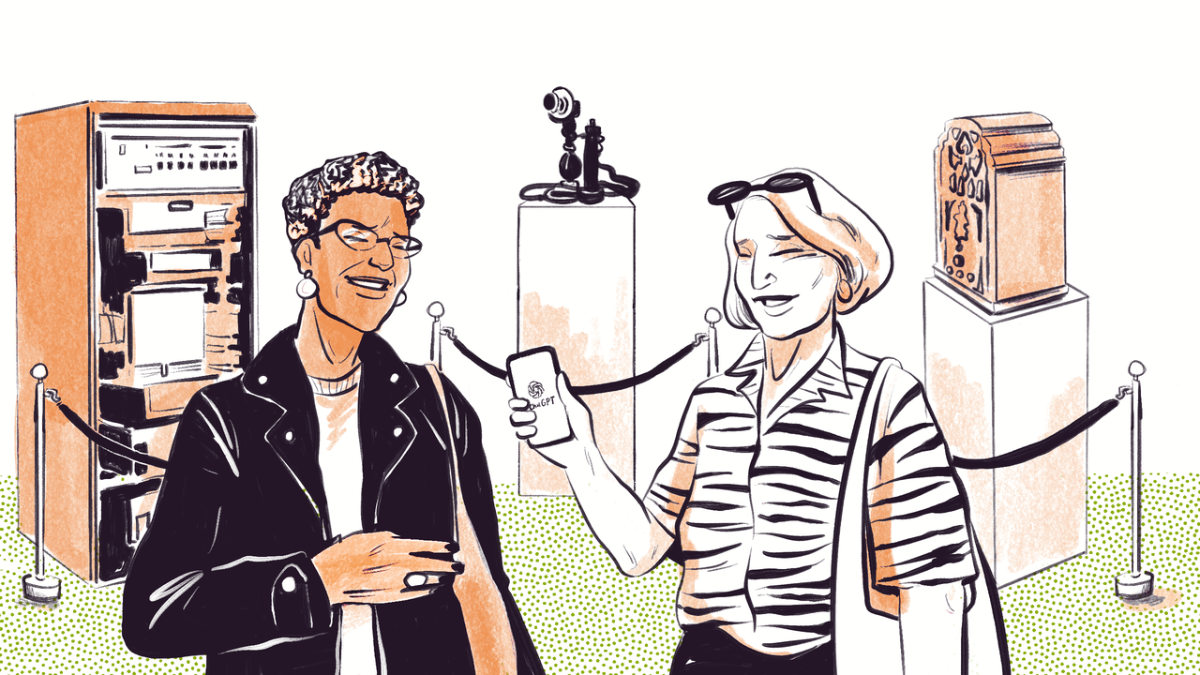
Robotic performances
Robots at CES, see the triggered thoughts. Also, some more links to reflections by the tech media.
 Robert Hart
 J.D. Capelouto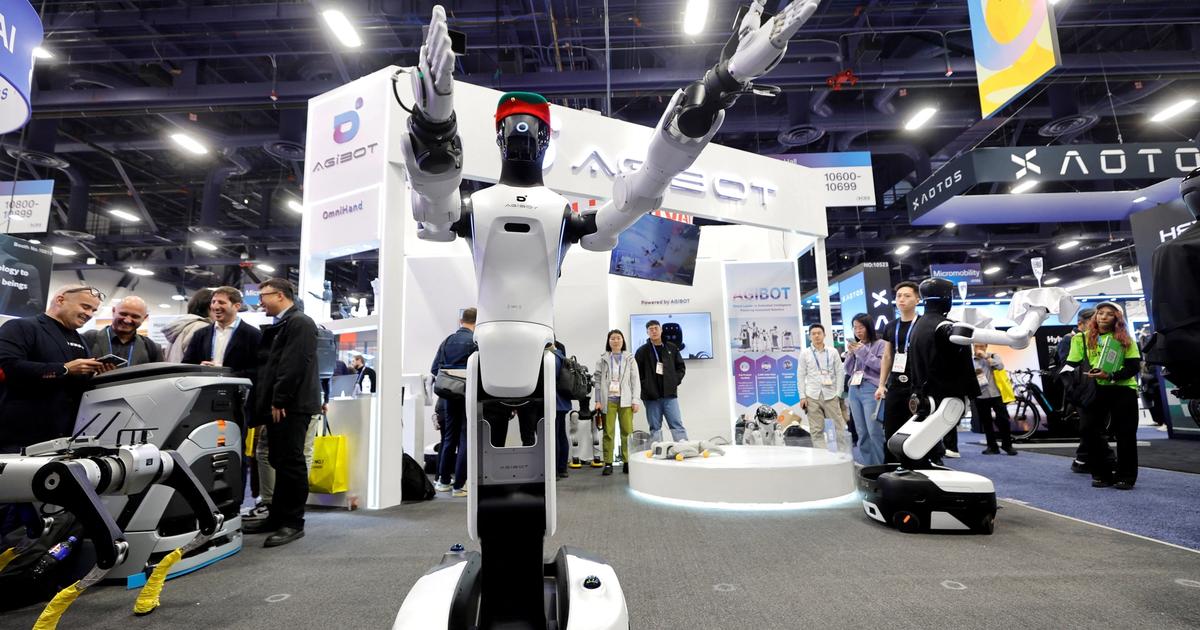
A new general-purpose architecture by a sub-big tech company.
 The Robot Report Staff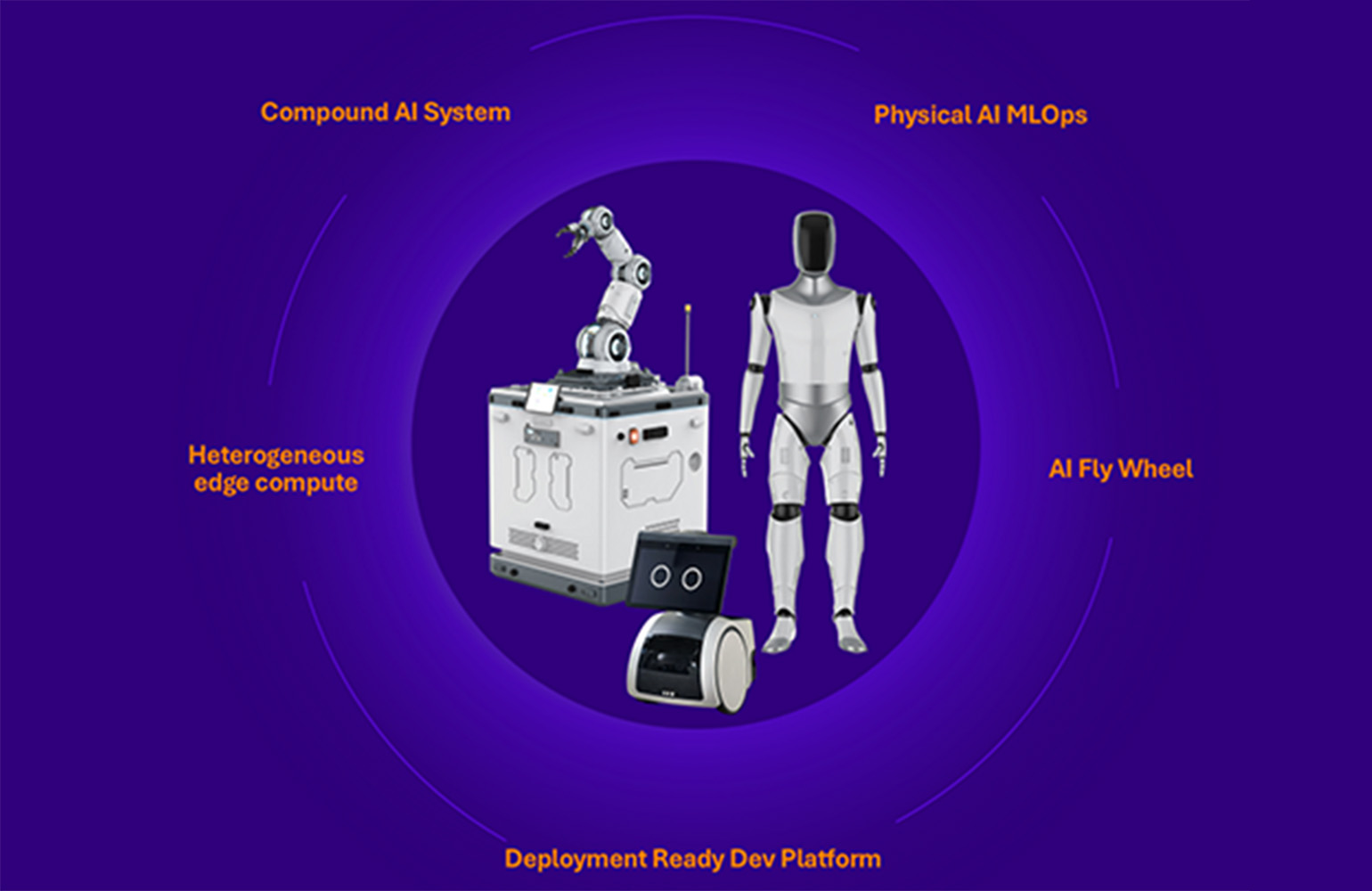
Immersive connectedness
Is the new SmartBrick of LEGO a way for playful discovery of possible new use of connections, or a new form of a good old IoT gadget?
 kat barandy I designboom
 Sean Hollister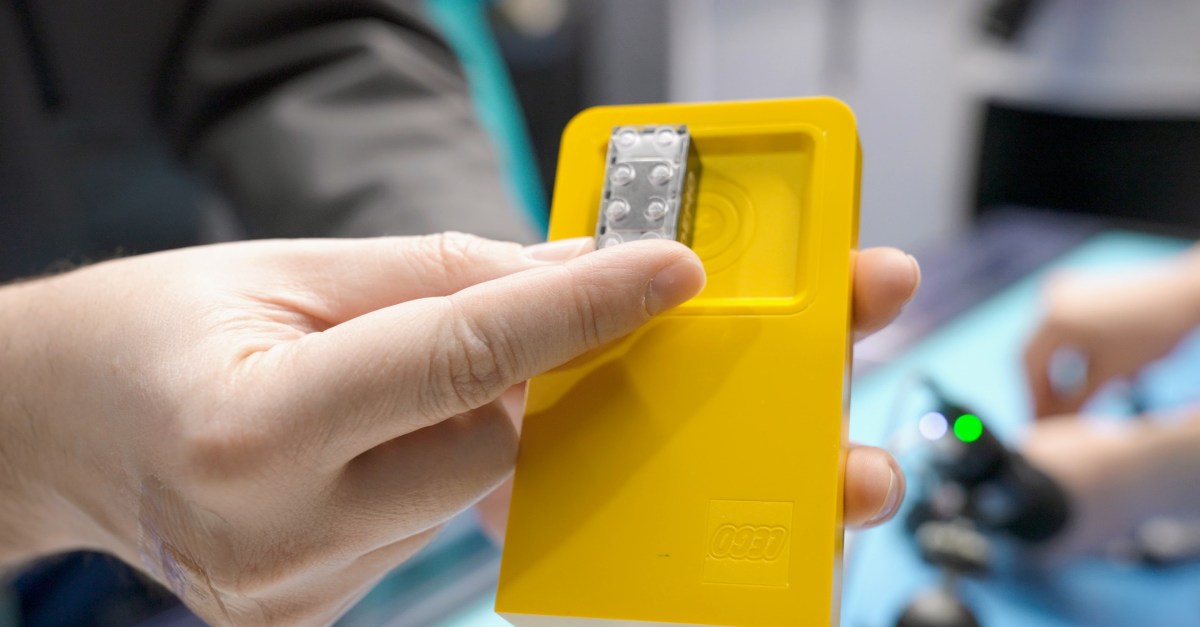
The new Pebble is calling its company Core Devices. Let’s see…
 Sarah Perez
And more new old ideas on connectedness from CES, also with a descriptive brand name: Clicks…
 Rima Sabina Aouf
And more smart home devices at CES.
 Jennifer Pattison Tuohy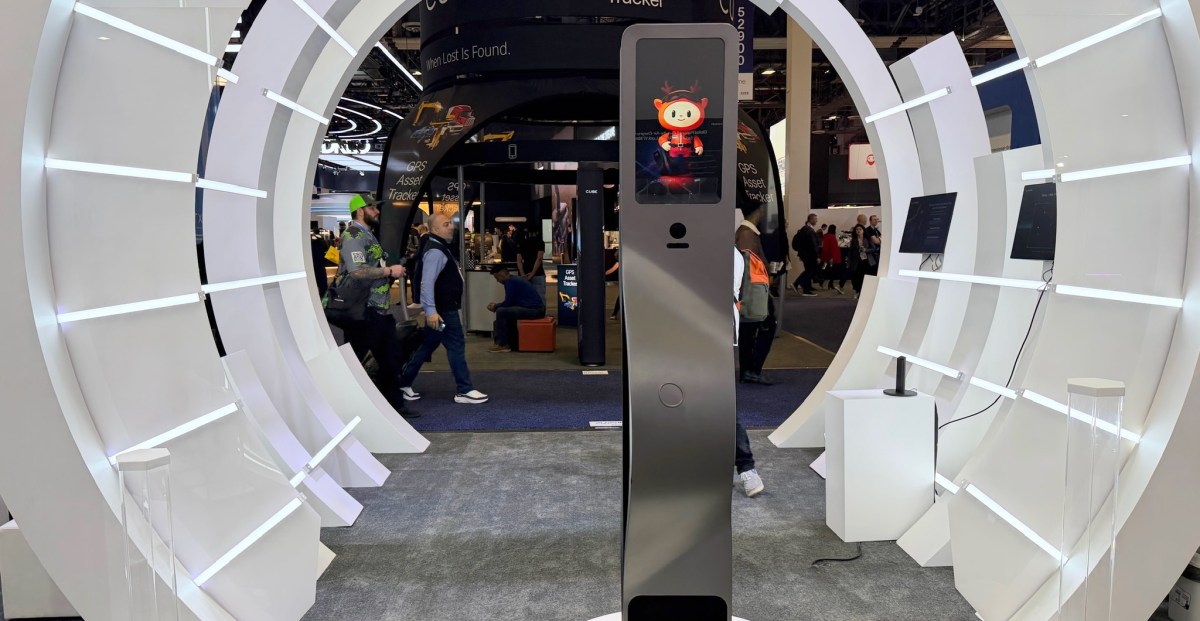
And more always on AI companions
 Chance Townsend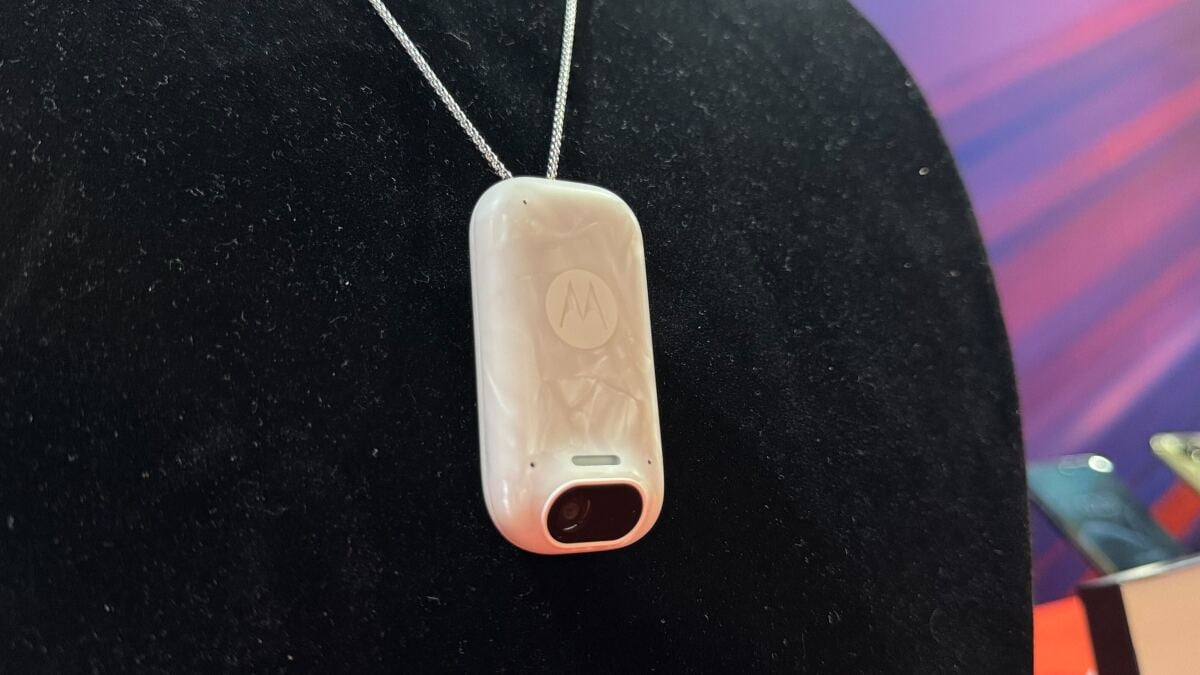
Smart networking works for infrastructure, too.
Tech societies
Lost in Bugspace
 Venkatesh Rao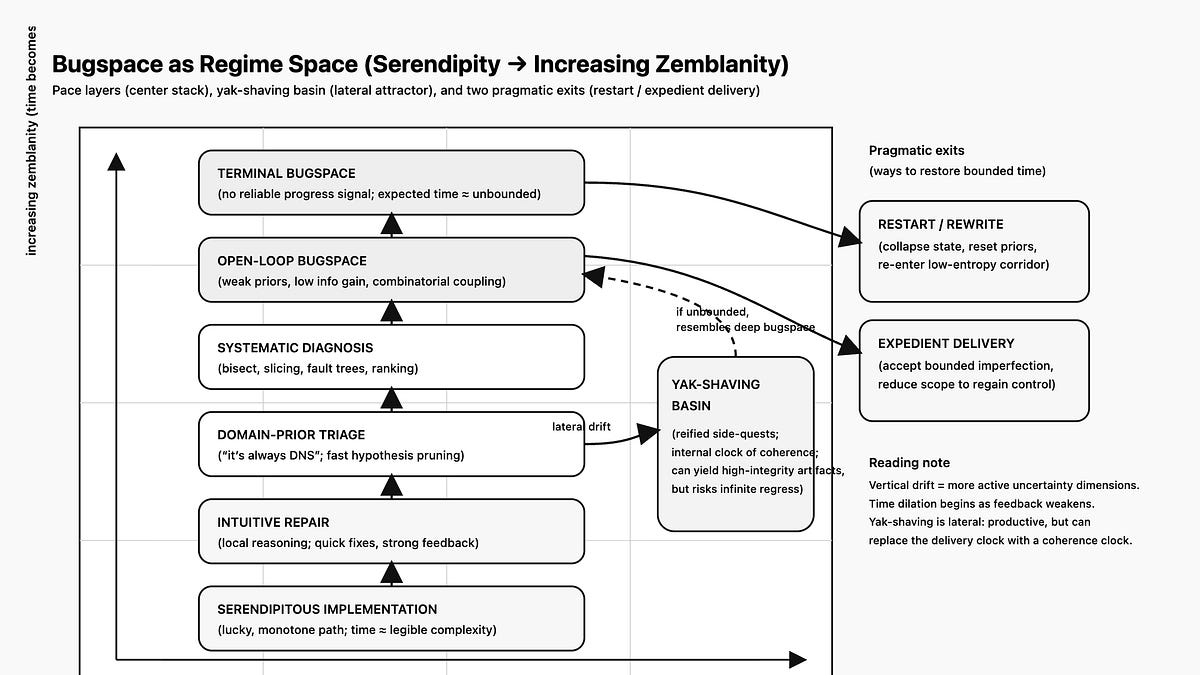
The word is out; Apple is using Gemini to power an on-par version of Siri.
 Emma Roth
Updates on Grok’s undressing backlash.
 Justin Hendrix, Ramsha Jahangir
DeepSeek is getting traction in developing nations.
 CHAN HO-HIM
Fake media in another form factor.
 Andrew Liszewski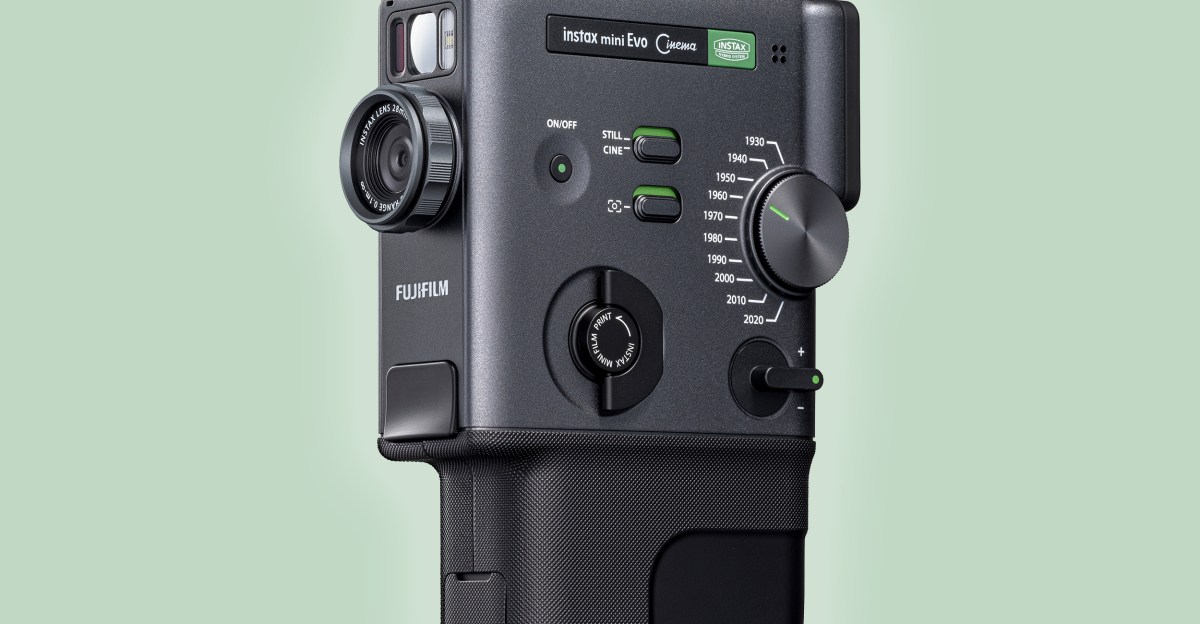
Legal issues for the AI models?
 Alex Reisner
Google’s Trojan Horse in European regulation?
 Hilary Jennings, Claire Lavin, Çağrı Çavuş, Aline Blankertz
And good old e-commerce from the current times.
 Robert Hart
Real-world impact of tech energy needs
 Rina Chandran
“The man who predicted the 2008 crash, Anthropic’s co-founder, and a leading AI podcaster jump into a Google doc to debate the future of AI—and, possibly, our lives”
 Michael Burry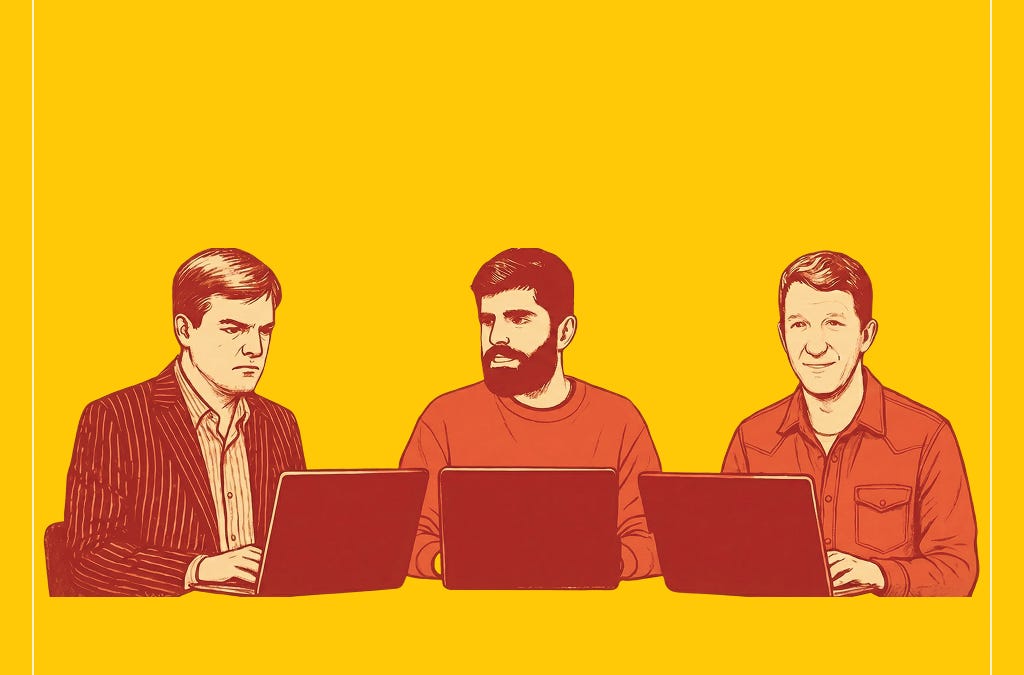
Some final looks into 2026?
 Julie Baron
Weekly paper to check
Reimagining public space:
The article examines challenges in measuring impact beyond traditional metrics, highlighting the need for new methodologies in evaluating community-focused public space media. This case study contributes to discourse on digital media's role in public spaces, advocating for more equitable, engaging, and representative urban environments.
McArthur, I., Kriss, K., Barns, S., & Cumming, T. M. (2025). Reimagining public space: co-designing the future of inclusive media. CoDesign, 1–19. https://doi.org/10.1080/15710882.2025.2591412
What’s up for the coming week?
Continuing the research, the reporting, and the planning. And working on the announcement of this year's RIOT publication (keep an eye on your mailbox). And maybe some vibe coding?
I do not have events planned, as I cannot make them. Like one on Reclaiming our Digital Future (Thursday in Amsterdam), a new edition of General Seminar (still in doubt).
Have a great week!
About me
Hi, I'm Iskander, an independent researcher through (futures-)design, advisor, curator, with a “critical creative” mindset, working on human-AI-things relationships. You can contact me if you'd like to unravel the impact and opportunities through research, co-design, speculative workshops, curate communities, and more.
Currently working on: Cities of Things, ThingsCon, Civic Protocol Economies.