Rethinking apps as exoskeleton agents, with humans inside
Weeknotes 377 - AI is becoming an exoskeleton for thinking—but exoskeletons only work if there's still someone inside steering. Apps replacing agents require rethinking. And more from the news.
Dear reader!
Hope you are doing well. It seems to be a holiday week here in the Netherlands, happy holidays. I always forget, but notice immediately when I send out a newsletter for ThingsCon, getting ooo messages. That newsletter was an announcement or reminder that we have the call for article proposals open for RIOT 2026, the yearly publication on the state of responsible (connected, intelligent, etc.) technology, this year themed on regenerative design for all things AI and AI things. See more on the website: https://thingscon.org/riot-2026/
In this newsletter, I look back on the activities around the Wijkbot/Hoodbot of last week, and the contextual conferences. The triggered thought is to view AI collaborations through the lens of exoskeletons. As always, connecting different threads of thinking 🙂
Week 377: Rethinking apps as exoskeleton agents, with humans inside
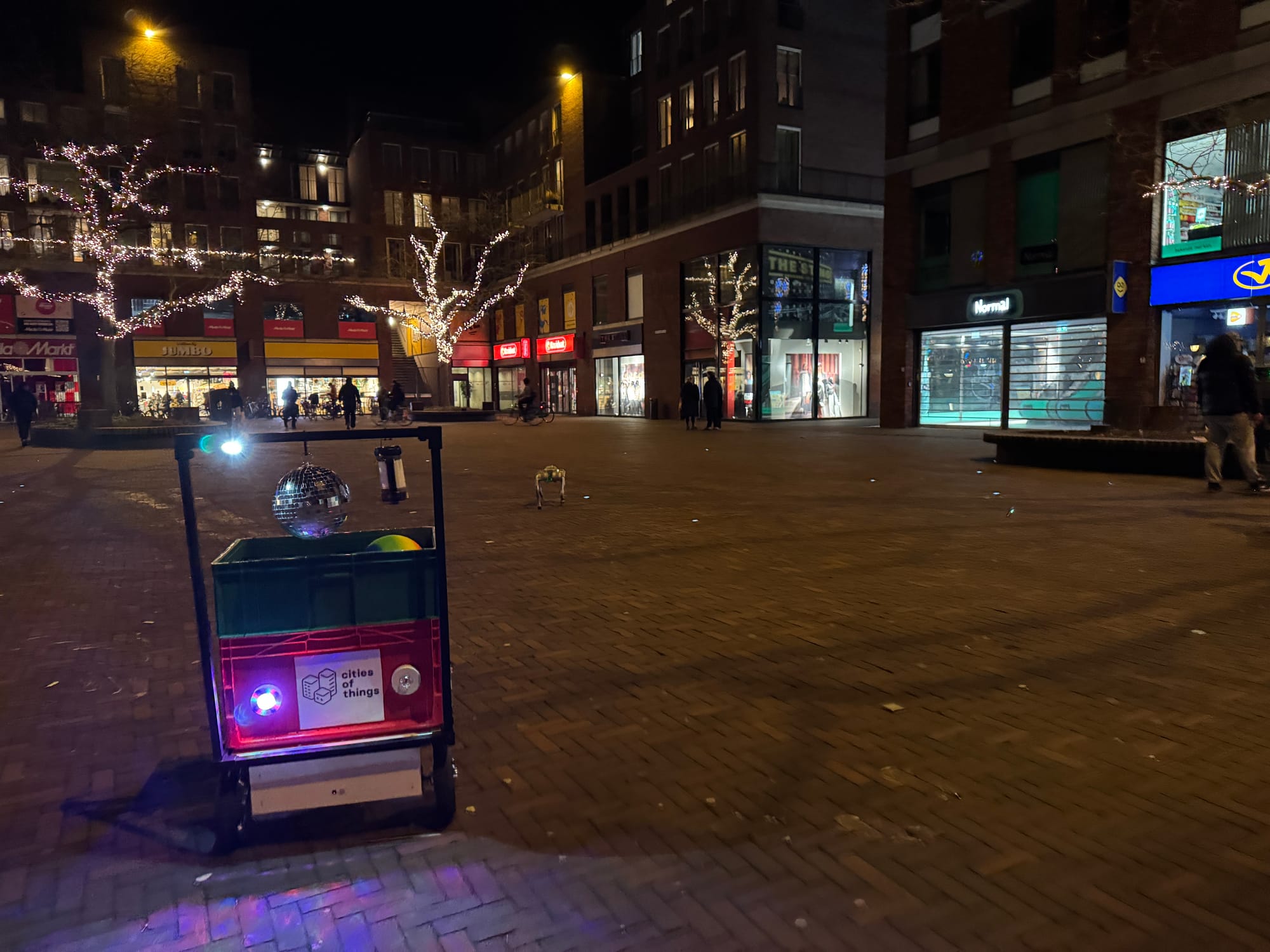
The development of the Wijkbot was a bit on the background in the last months, due to other activities. We were happy to be invited to two events to show and share the backgrounds: the ESConference on systemic co-design, held in Amsterdam, 11 & 13 February, and as one of the exhibited projects at Highlight Festival in Delft, promoting and performing live research, 11-14 February.
At the ESConference, we had insightful conversations and potentially follow-ups for applying the ‘robo-perspectives’ kit in education and research. The focus of the Wijkbot is to civic-prototype the role of an autonomous object in a city context (city bots). We focus on the interactions these new fellow users of the city (or even fellow citizens) have with us, and on the relationships to design for. In the latest iteration of the workshop funded by ESC, we are delving deeper into the dilemmas.
There is a nice connection to the ‘performance’ of Wijkbot at the Highlight Festival. Tomasz upgraded the Wijkbot to a modular frame to support multiple functions. Our intention was to trigger the discussions on the potential role. It turned out that the combination of a functional setup with boxes in a frame, combined with some expressive function of moving party opens up conversations.
A new addition is the use of two-way Bluetooth speakers, which we connected to our chat app on our phones, turning the robots into a conversational agent. Using GPT, it is possible to calibrate the system card to the Wijkbot context. At the conference, I fed the GPT with the accompanying research papers so the Wijkbot could make the introduction. Worked great.
At Highlight the GPT was more open for conversations. It delivered some interesting talks that we need to analyse further. See the report of Tomasz on Linkedin for some first impressions.
The last day, we had an extra robot with us: the Unitree dog, which is now part of the Sociaal AI Lab for research. Of course, this dog demands all attention, but interestingly enough, while roaming the streets of Delft, the autonomous moving cart sparks conversations too.
The conference inspired me to create more community settings with the Hoodbot, where we can discuss the role in a more open-ended way. More than in 2022, when we started developing the kit, it is relevant to formulate policies and opinions on civic-led robots. The wijkbot is primarily intended to determine how this type of city bot can become a social bot.
In the symposium of Highlight on Robo Futures, there were three panels with different perspectives themed “Otherness”, “Shared Spaces”, and “Creative Collaborations”. A few notes I made:
- Rocio Berenguer is more interested in having relationships with subjects than objects
- How people might be treated as robots. We see that already with refugees.
- In the work of Hirsl, the slowly moving ceramic balls, the objects are less important as the space that is created in relation to the swarming objects.
- We need open-ended systems for building robots
- What is agency? Is it real agency or perceived agency?
I leave it with this for now.
This week’s triggered thought
It's too easy to say agents will replace apps. The prediction is everywhere right now—most recently from Peter Steinberger, creator of OpenClaw, in his Lex Fridman interview. He claims 80% of apps will disappear. I have some reservations.
Steinberger's logic tracks for functional apps: a personal AI agent coordinating specialized agents could handle tasks we now juggle across dozens of tools. Every app becomes an agent; every agent talks to other agents. The interface collapses into a single point of delegation.
But this assumes apps exist only to get things done. They don't. There's entertainment. There's the joy of browsing, choosing, discovering. And most missing from this framing: social apps. The software we use to maintain relationships—casual and professional, intimate and transactional—isn't a workflow to optimize. It's a fabric. Steinberger is describing his own world—a productivity-centric one—not the full landscape of why humans use software.
If we're redesigning software for an agent-dominated world, social relations might be the first place to look. Not because it's easiest, but because it's where the stakes are highest. How do agents mediate human connection without flattening it? The more interesting question: what does media, entertainment, and social software look like when agents become the primary interface? That's worth thinking through.
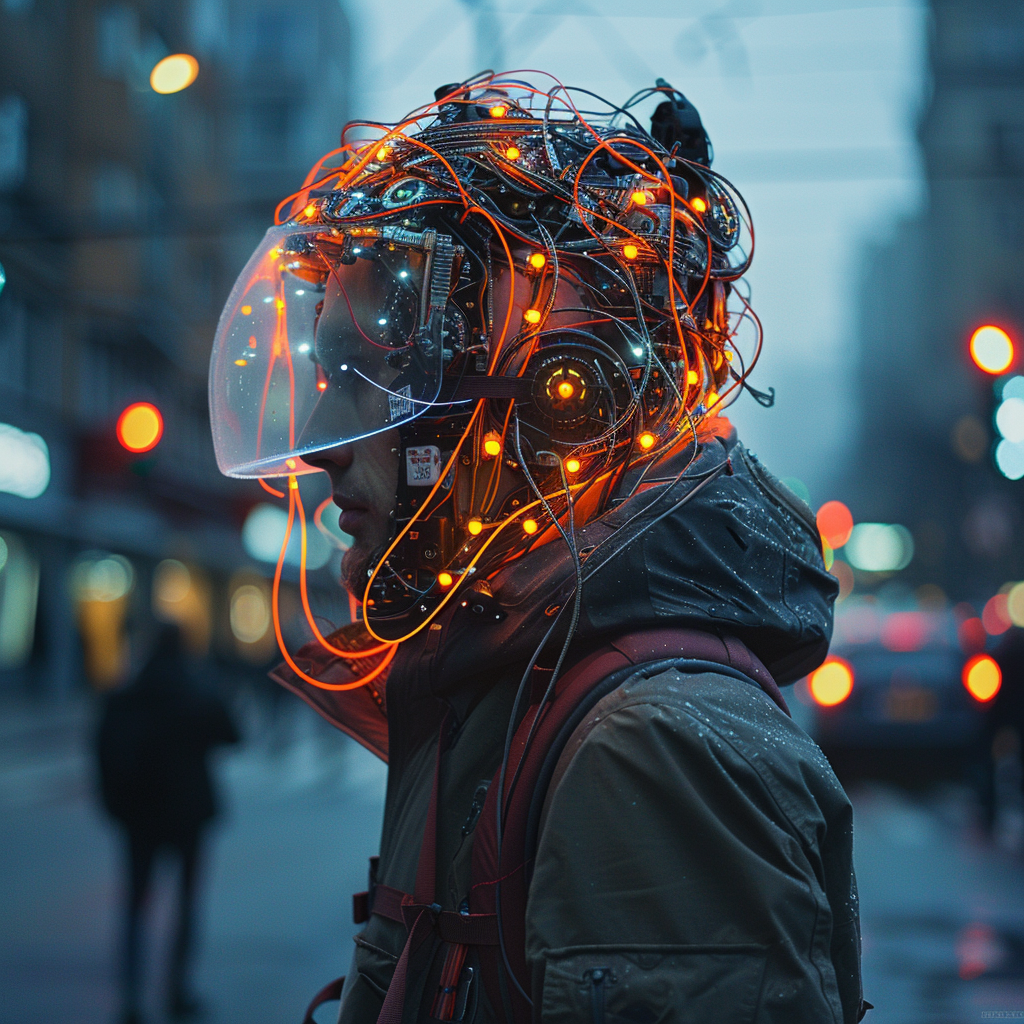
Connect it to the metaphor of AI as exoskeleton. These tools augment our most human capabilities. We're merging with them. The worn-out line: don't fear AI taking your job, fear the person teaming well with AI. Steinberger himself embodies this—he built OpenClaw with AI agents as employees and just got recruited by OpenAI. Likely a PR counter to Anthropic's recent Opus 4.6 swarming agents, but still: the exoskeleton builders are in demand.
Yet exoskeletons have a cost. There's growing evidence of cognitive debt—the gradual atrophy of capabilities we delegate away. Not intentional, but perhaps unavoidable. One scientist's story is a warning. We don't need to reject AI's powers, but we should see the sneaky optimization happening: AI systems that reward lazy delegation, humans who lose capacity without noticing.
Use the exoskeleton. But remember what it's wrapped around: the human capacity for decisions that aren't purely rational. Intuition over logic. Criteria that look irrelevant by efficiency metrics but matter because they're rooted in human connection. The agent can optimize, but it can't want. That's still yours to protect.
Notions from last week’s news
A lot of buzz was triggered by an article by Matt Shumer, claiming there is something big happening with AI now. Signposting that there is a similar narrative to that of the dotcom bubble. “We have elements of both a bubble and a crash at once,” as Benedict Evans writes.
Hugh Trevor-Roper supposedly said that the only thing history teaches us is that something will happen. People were calling the dotcom crash in '97, and they've also been calling for a crash in tech since 2016: you can’t call the timing. But I think the only thing one can say with certainty about AI is that if we're not in a bubble now, we will be, and perhaps, that this is the kind of thing that happens in bubbles.
Human-AI partnerships
Comparing the new models along the line of their different philosophies.
 Nate
Nate
Are you getting rich for being that modern “mechanical turk”? Apparently not
 WIRED
WIRED
The models get a character that fits certain tasks better than others. Codex-Spark is best for thinking along, fast but rough.
 Every Staff
I see a category in vibe-coded publications (books). I also have one on my list tbh.
 Venkatesh Rao
Is there a NotebookLM adaptation for chat?
 Emma Roth
In the end it will be a prediction machine.
 Ross Andersen
 Joe Wilkins
A better coach. Will it change the way the game is played?
 New Atlas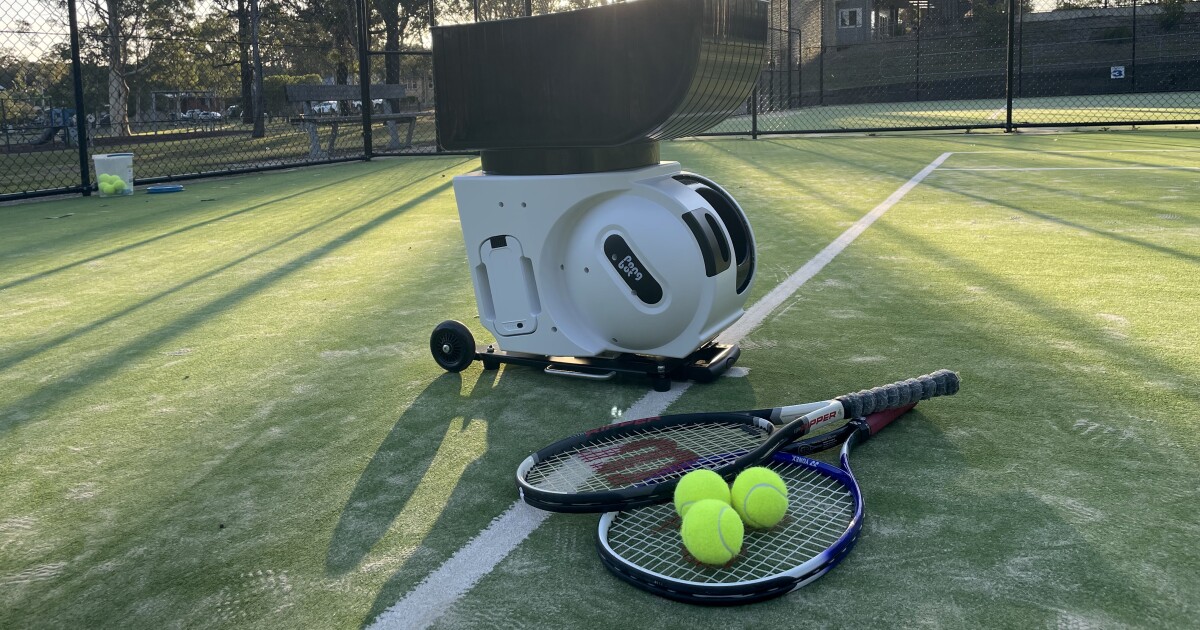
Is Chrome agent-ready? And reliable?
 Ryan Whitwam
The importance of intuition, especially in science.
 Conor Feehly
Robotic performances
Literally robotic performances. Keeping the rhythm...
A new domain: cobot ergonomics
 The Robot Report Staff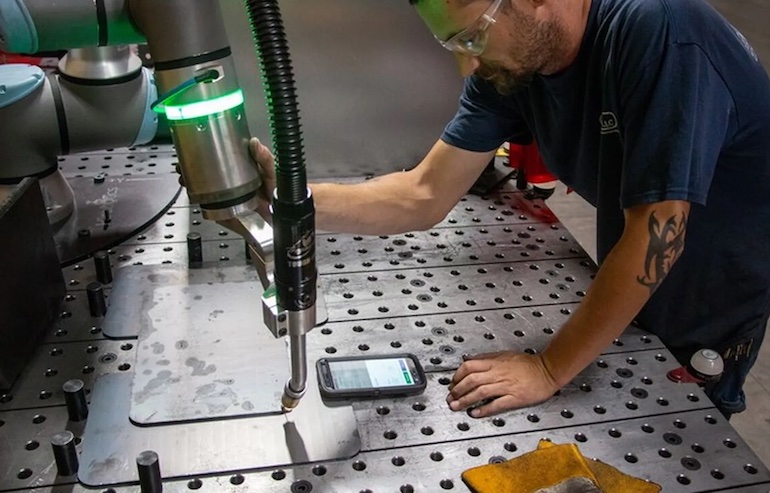
Acceptance of petting AI.
 Robert Hart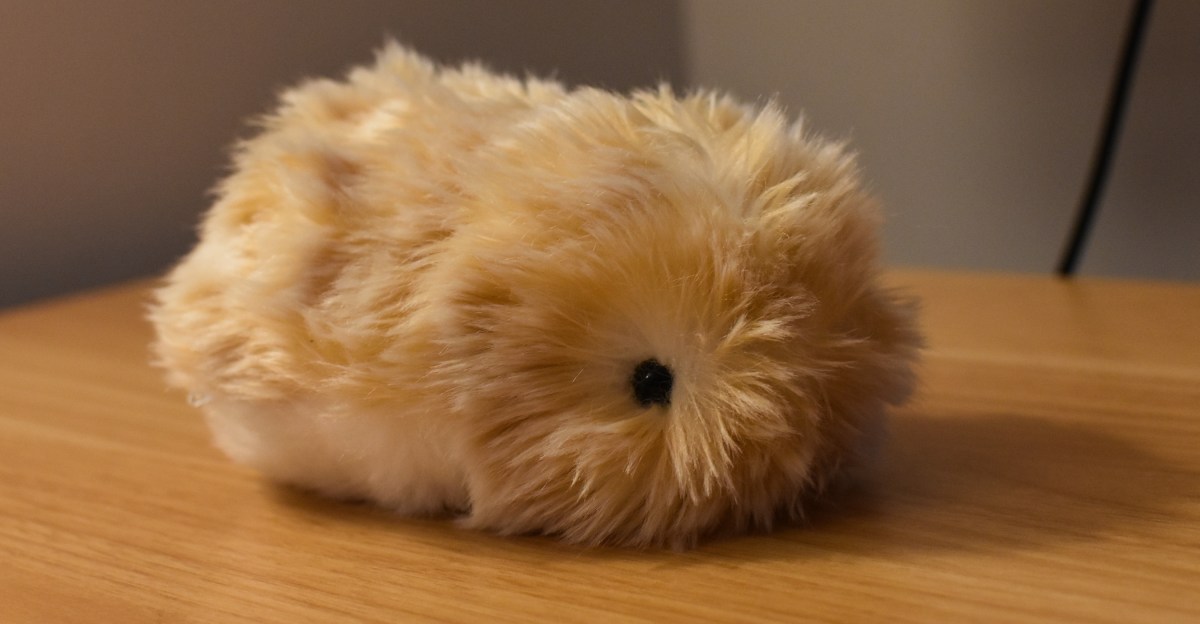
Immersive connectedness
Ring as a poster child for bottom-up surveillance is not new.
 David Pierce
Affordances of connectivity…
 Nathan Gardels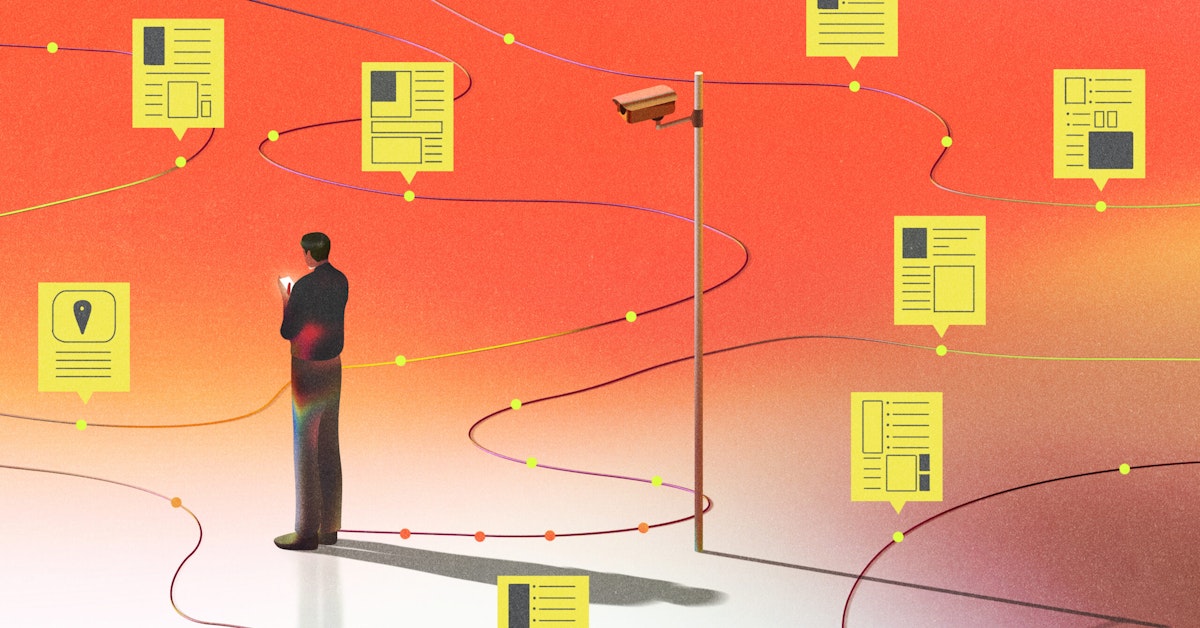
Vibe coding apps directly on your phone
 Robert Hart
Tech societies
AI is eating software…
 J.D. Capelouto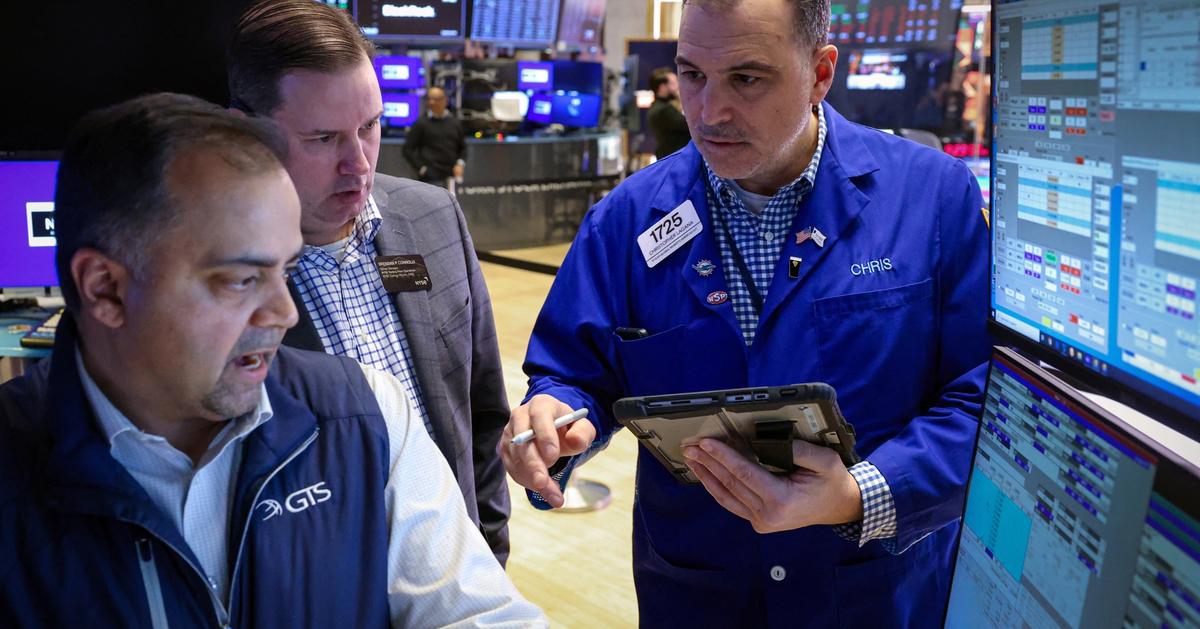
Trust in Tech companies shifts.
 Rachyl Jones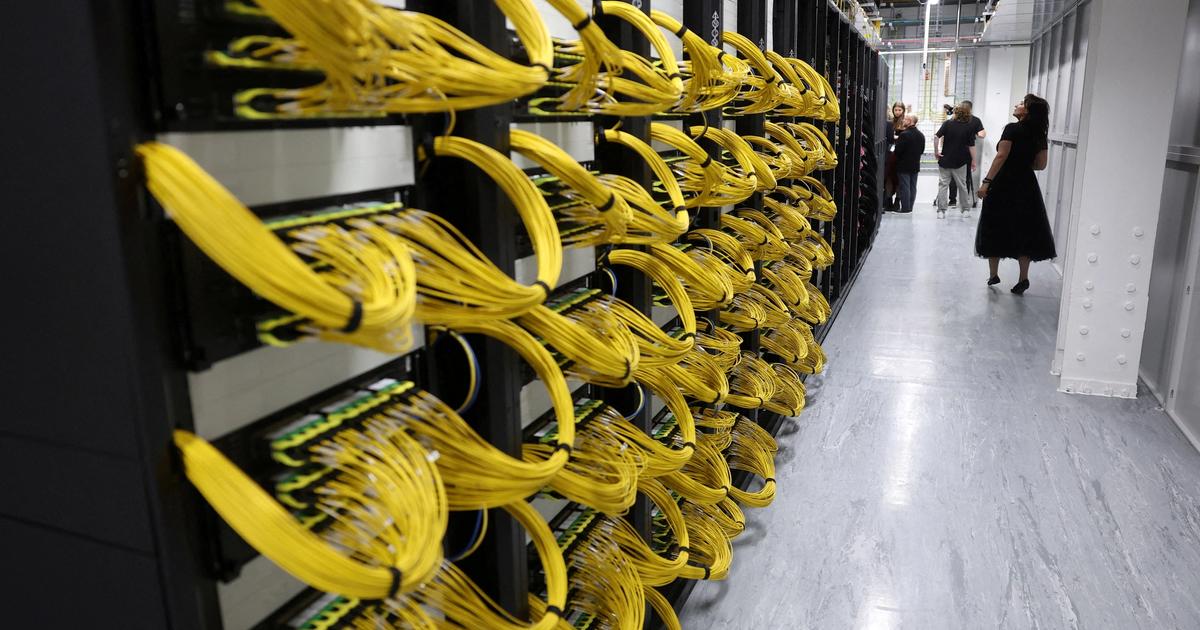
Using the collective wisdom of nature to shape organizations, an overview as inspiration.
 Shreshta Shyamsundar, Anmol Jain
Tech colonialism, modern style.
 Rina Chandran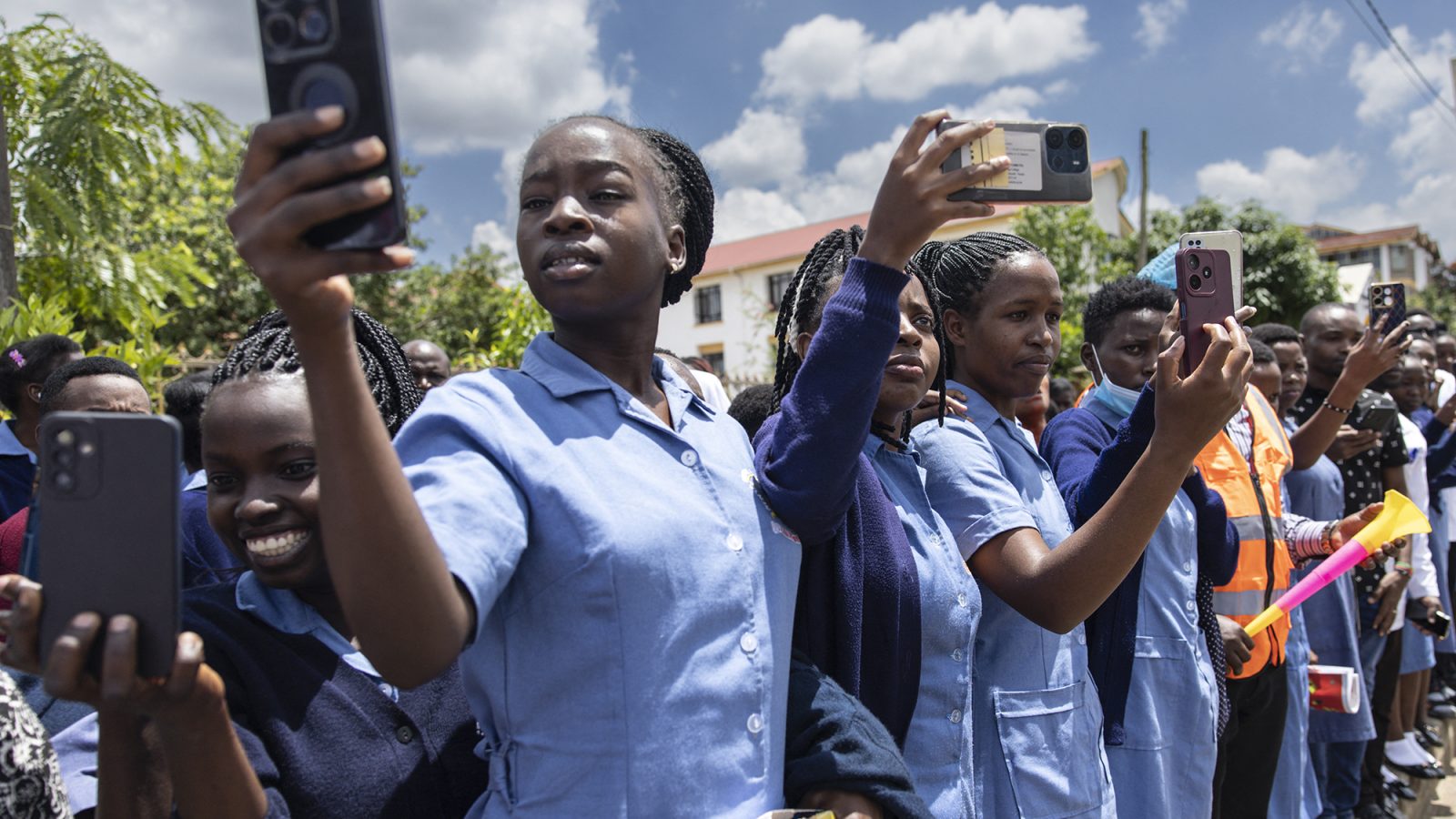
The consequences of living in a world where we are not the smartest species anymore.
 Noah Smith
Danger is everywhere
 David Nield
The title says it all: The internet nihilism crisis.
 Charlie Warzel
Let’s reframe AI sovereignty.
 Cristina Zaga
Weekly paper to check
This result addresses ongoing controversies regarding how to best think of what LLMs are doing: are they a language mimic, a database, a blurry version of the Web? The ability of LLMs to recover meaning from structural patterns speaks to the unreasonable effectiveness of pattern-matching. Pattern-matching is not an alternative to “real” intelligence, but rather a key ingredient.
Lupyan, G. (2026). The unreasonable effectiveness of pattern matching. arXiv preprint arXiv:2601.11432
What’s up for the coming week?
Today there is an online conference on participatory AI I will attend as much as possible: PAIRS. Intend to report back on it next week.
There are a couple of meetups coming up that I would like to attend, but I may miss them due to conflicting agendas. Maybe something to check out. The PMSG workshop we had at TH/NGS is in Amsterdam hosted by Sensemakers this Wednesday. And in Pakhuis de Zwijger there is an event by VPRO Meetup on AI as friend, and on Thursday an evening on AI-agents in the workplace.
Have a great week!
About me
I'm an independent researcher through co-design, curator, and “critical creative”, working on human-AI-things relationships. You can contact me if you'd like to unravel the impact and opportunities through research, co-design, speculative workshops, curate communities, and more.
Currently working on: Cities of Things, ThingsCon, Civic Protocol Economies.