Permeating superpowers via federated AI
Weeknotes 392 - While the federated web movement rebuilds destinations, we may have to ship infrastructure that hints at intelligence that federates. And human-picked news from last week.

Dear reader!
In this week’s newsletter, I share some of my experiences at the PublicSpaces conference and also reflect on the announcements at WWCD yesterday.
As I was quite taken by proposal writing, I skipped some other possible events. Next to proposal writing, we were also completing the RIOT 2026 publication. Especially, Andrea had a lot of work (still has at this moment of writing) to make a beautifully designed edition again. I wrote my own article on regenerative intelligences, and co-edited the introduction with Andrea.
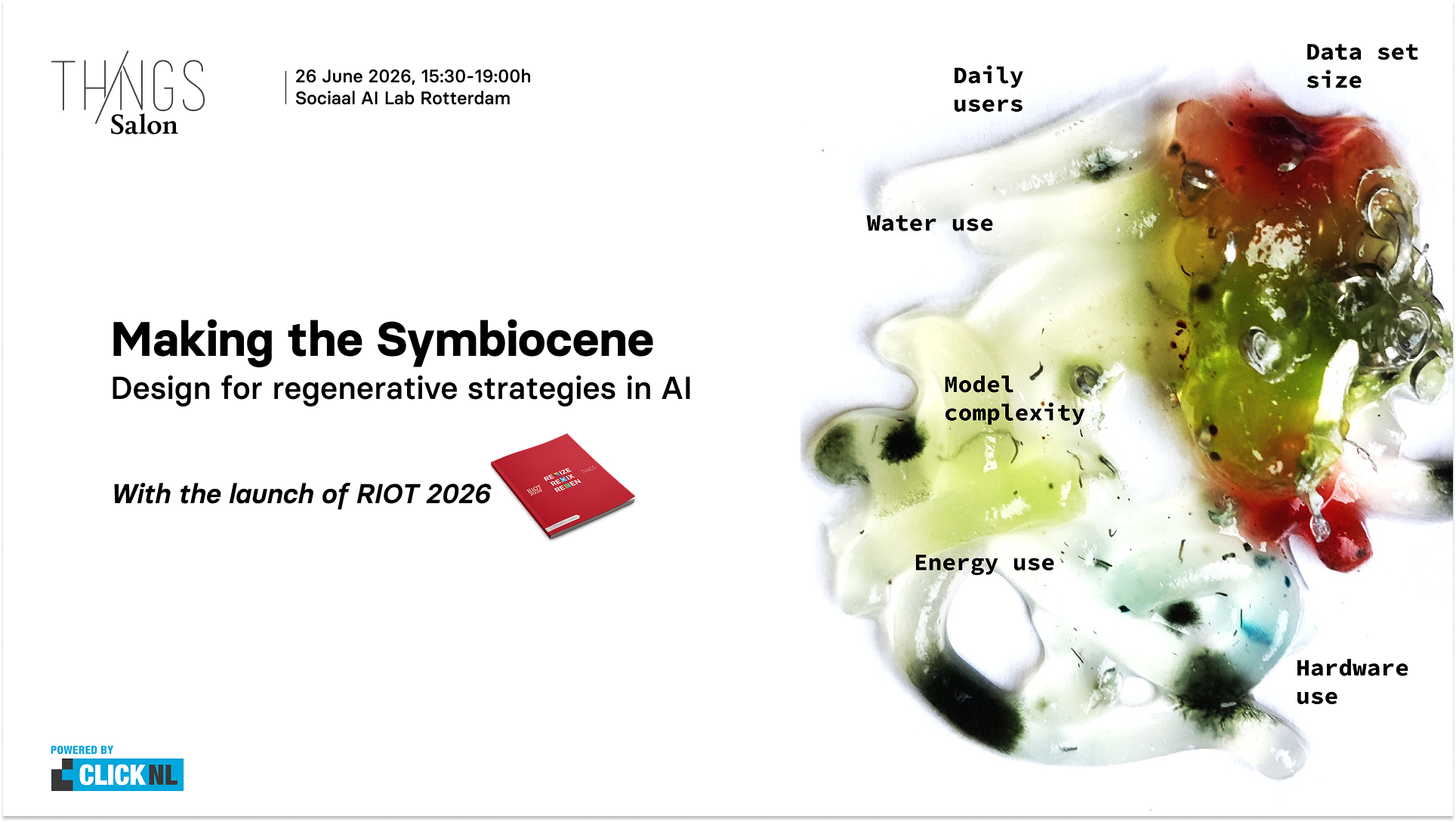
Curious about the result? We will launch the result at the special ThingsCon Salon in Rotterdam on 26 June. In that Salon, we also dive into the design of AI using algae. Check it out here: https://thingscon.org/events/upcoming-event/thingscon-salon-riot-2026-launch/
Week 392: Permeating superpowers via federated AI
Let me share a few impressions of PublicSpaces. Check also other reflections on LinkedIn, like the extended one by Martijn de Waal.
The conference highlighted a vibrant community discussing open technologies, rights, and initiatives from municipalities to activists. There's a noticeable shift from purely technology-driven discussions to focusing on communities and their specific needs, especially precarious and grassroots groups. Discussions covered the state of public spaces, exit social initiatives, and politics aimed at reducing reliance on US technology stacks. There is a stronger sense that real change is happening, moving beyond just seeking solutions.
A crucial point raised was the need to avoid creating new social media that merely mimics older platforms like Facebook or Instagram. Instead, the focus should be on developing new media that meet contemporary needs, especially for identity-building among younger generations.
I envision a mix of grassroots-based, self-made mesh networks for specific communities and identity-focused platforms that prioritise safety. The rise of small, AI-driven, vibe-coded tools allows communities to create their own functionalities, moving beyond large tech companies.
There would be a new form for AI in federated AI and distributed intelligence, focusing on the intelligence of relations rather than just knowledge and data. This could be a new paradigm to explore. Let’s take this as a triggered thought.
This week’s triggered thought
Last week I attended PublicSpaces, where much of the discussion focused on moving away from big tech—federated social media, community-based publishing, decentralised infrastructure. All necessary work. But at the end of the day, summarising my impressions, I realised something was absent from the conversation: federated intelligence.
We talked about rebuilding destinations. Federated versions of the platforms we already know. But what if the paradigm itself is shifting? What if our digital life is moving from places we visit to conversations we have—where the interaction itself becomes primary, not the platform hosting it? If that shift is real, federation means something different. Not BlueSky-as-federated-X. More like: hiveminds connecting to other hiveminds via small AIs, without a central destination at all. Communities building shared intelligence by being together, sharing context, developing a collective mind that can interface with other collective minds through some federated protocol we haven't built yet.
Then I watched Apple's WWDC keynote, and something connected. Apple's announcement was both underwhelming and a serious step forward. Underwhelming because this was largely what they promised in 2024—Apple Intelligence finally arriving. But the approach is different from the prevailing AI narrative. Not generating new things—new pictures, new texts—but permeating intelligence into the flows you already have. An exoskeleton for your existing capabilities. They used the term "superpower" in the presentation, and I suspect that's the frame they want to own. Not assistant (Google's territory), not creator, but amplifier.
Telling too: the service is free for all users, with a fair use policy. Apple sidesteps the tokenomics debates that are now hitting organisations—where employees face token caps and AI budgets. A different economic grammar entirely.
What caught my attention is the architecture underneath. Small models embedded in devices. Personal context staying local. Intelligence as something you carry, not something you visit. This is infrastructure that could, in principle, support federated intelligence—your phone's small AI connecting to community knowledge, connecting to other communities' AIs, forming networks of shared understanding.
Apple won't frame it that way. Their DNA is proprietary, not federated. But what if they become, like the App Store, the infrastructure layer without owning the content? What if their foundational models enable communities—human and eventually non-human—to aggregate intelligence in ways Apple neither controls nor anticipates? Probably not their intention. But the architecture permits the question. And right now, that question feels more interesting than another federated Twitter clone.
Notions from last week’s news
A round of news from big players. More IPO news, OpenAi has just announced. And to steer the conversation they spin the end of Chat in ChatGPT.
 Financial Times
Of course there was the Apple WWDC keynote as mentioned above. Lots of recaps with different angles.
 Tom Warren
 Jay Peters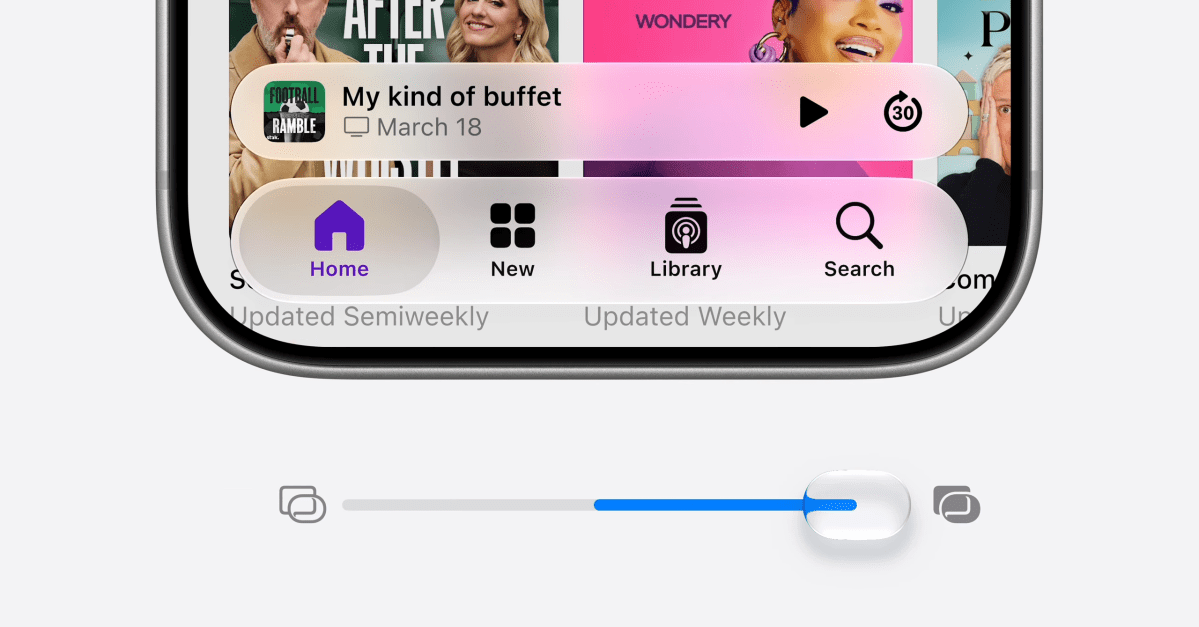
Apple is promising to close the cap of AI, Meta is trying to do so too:
 Financial Times
Human-AI relations
What if the humanoids are, in the end, human muscles controlled by software?


The state of long-running agents, the Ralph loop and effective harnesses.
 Addy Osmani
The superapp is becoming even more super.
 J.D. Capelouto
Bottom-up context generator.
 Artur Huk
A book for the list:
 Ethan Mollick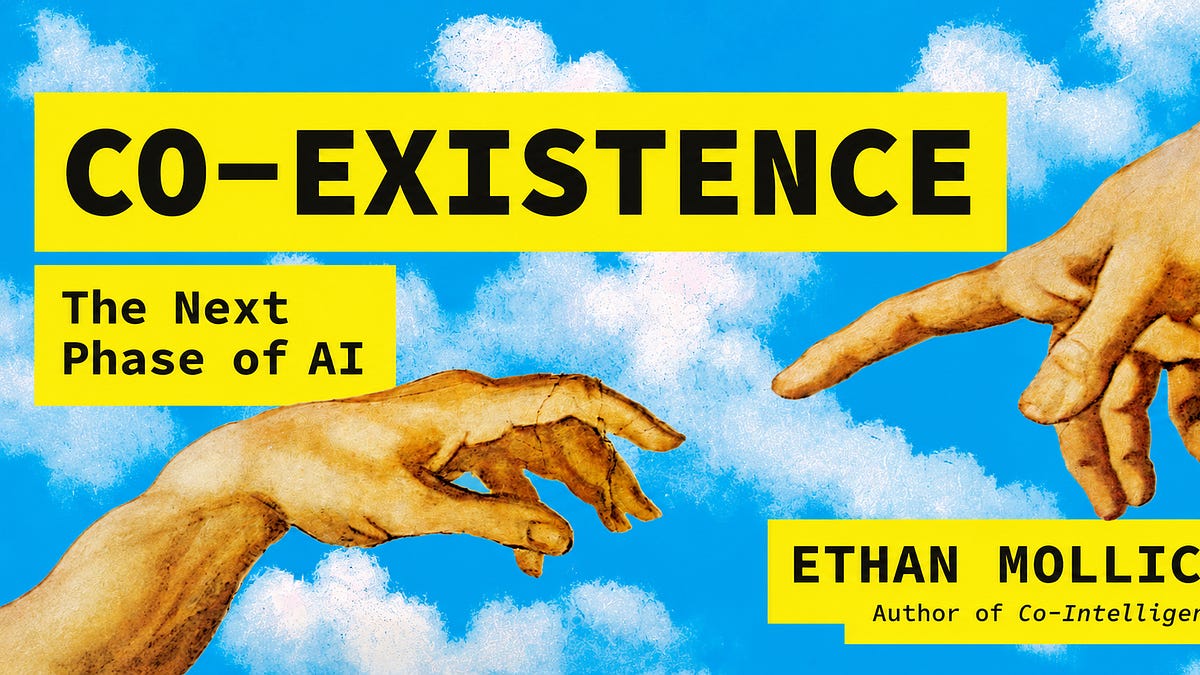
Physical AI
Who is surprised?
 Omar Gallaga and Laura Michelle Davis
The turn of software and hardware.
 Reed Albergotti
Robotaxis arriving in Europe?
 Robert Hart
China is accelerating.
 Christine Glancey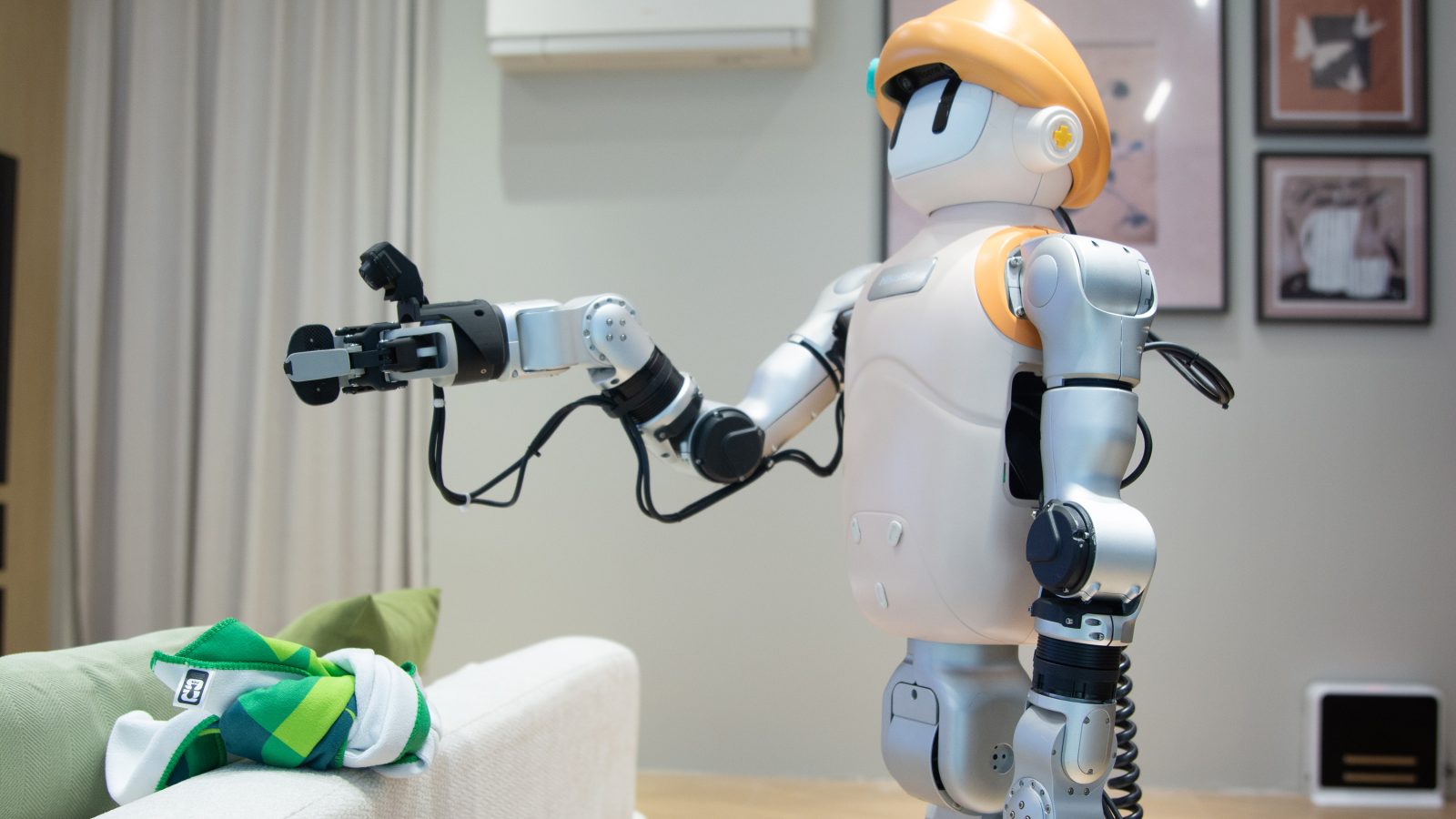
 LordInsidious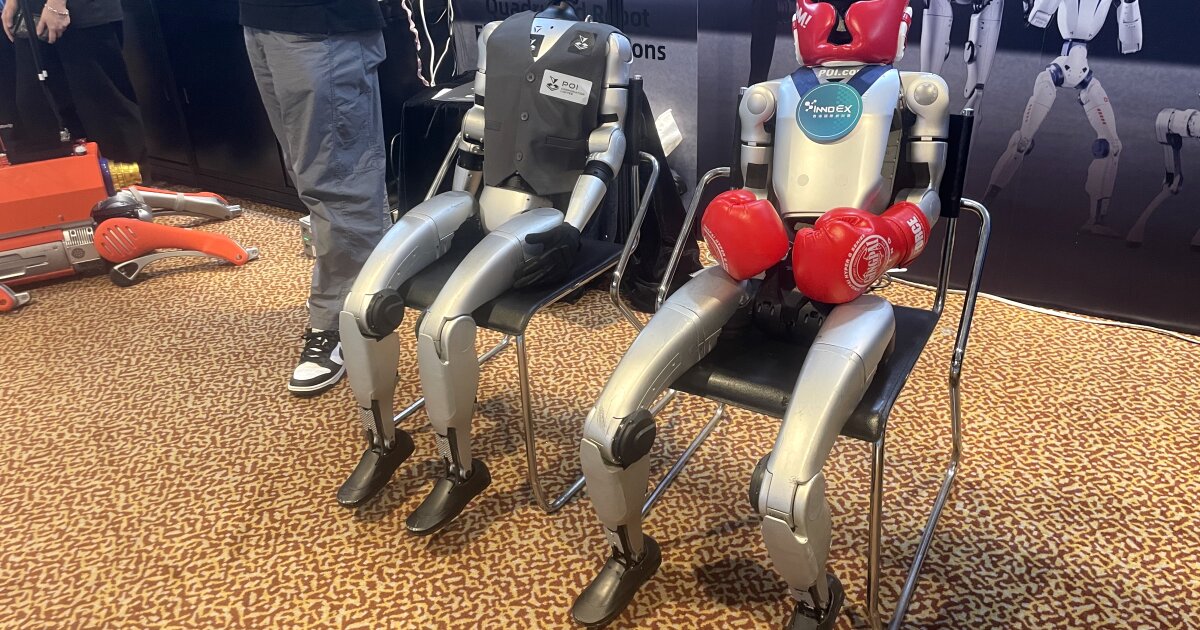
Tech in civic societies
The returning posts on the AI bubble.
 Ed Zitron
Is AI search a threat to democracy?
 Elise Silva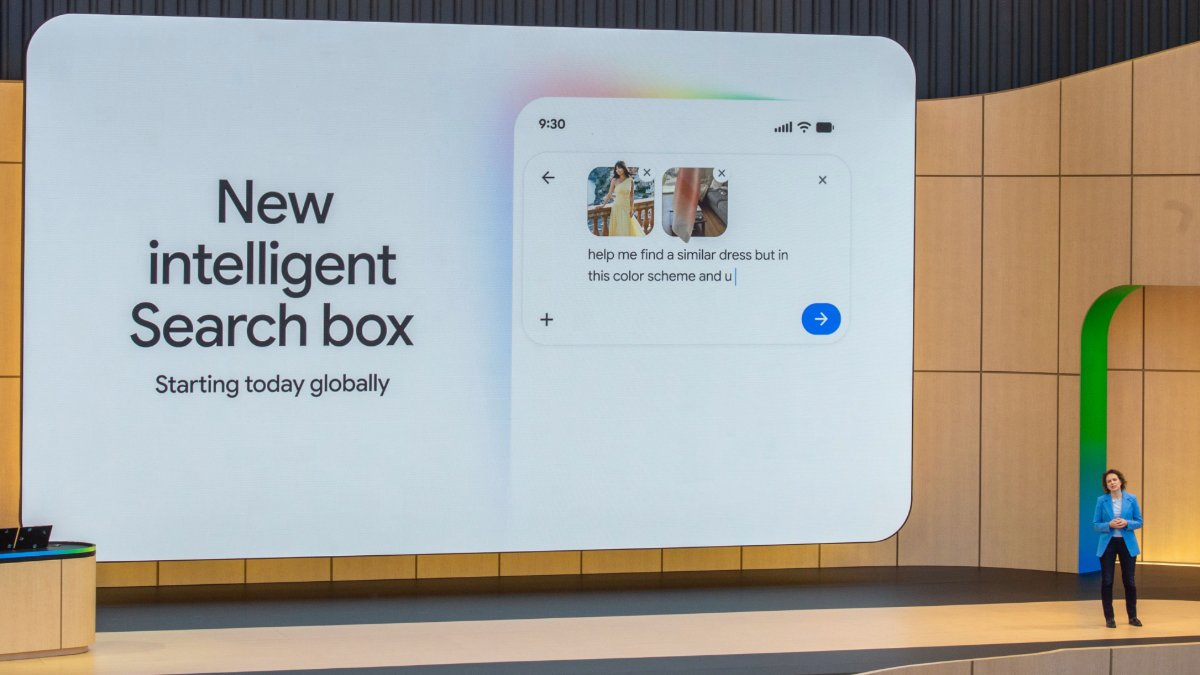
Superintelligence, according to Microsoft, but with different outcomes than expected
 Nilay Patel
Returning insights.
 Jonathan M. Gitlin
 Every Staff
Some positive news.
 Jason Kottke
Weekly paper to check
Applied speculations in the baggage hall: Transdisciplinary thinking around robotic work futures
Speculative design methodologies can facilitate alignment of robotic developments with a meaningful future of work, by creating boundary objects for communicating about current and future work practices. Making use of an unfolding artistic collaboration, we propose an experiential approach for speculating about future Worker-Robot Relations.
Ianniello, A., Murray-Rust, D. S., Lupetti, M. L., Filthaut, L., Coppelmans, T. C., Forster, D. F., ... & Abbink, D. A. (2026). Applied speculations in the baggage hall: Transdisciplinary thinking around robotic work futures. ACM Transactions on Human-Robot Interaction.
What’s up for the coming week?
There are two academic conferences that could be on my list. DRS about design research, and Participatory Design. It will probably deliver some great reads.
I will check out this live coding evening, a different type of event. Furthermore I do not have any events listed, so look ahead to next week, The Roboflow visual intelligence workshop by Sensemakers might be nice.
Have a great week!
About me
I'm an independent researcher through co-design, curator, and “critical creative”, working on human-AI-things relationships. You can contact me if you'd like to unravel the impact and opportunities through research, co-design, speculative workshops, curate communities, and more.
Currently working on: Cities of Things, ThingsCon, Civic Protocol Economies.