New Luddites reclaiming agency in immersive lifeworlds
Thinking about how "new Luddites" aren't rejecting technology but reclaiming agency over how they connect, choosing intentional intimacy over AI-mediated relationships as artificial intelligence increasingly shapes not just who we see but how we perceive each other.
Dear reader!
Welcome to December, sprinting to the end of the year, with some end-of-sprint organizing for ThingsCon, making plans for next, and balancing for 2026.
But first, let’s jump in last week. I did attend a couple of events. The opening of the Sociaal AI Lab in Rotterdam (Social AI Lab), with official opening moments and speakers, and participated in two workshops. One on values and one on the Labkar.
I also attended an evening on (De)growing infrastructures as part of the Warming Up festival. It was nice to see some of the speakers who will be at TH/NGS next week, or who contributed before. What I like in these explorations is the focus on what we need more than what would be possible. Rethinking energy triggered through exploring mud batteries, very nice.
While listening to the panel, I started thinking about the relations of infrastructures and systems. What are these? Don’t forget to see the systems also as social systems, designed for collectivity and community, and include empathy and collective desire. And more.
I was also back at Tumo in Oba Next to check in for the session on TH/NGS that will deal with teenagers.
Also very nice to see that the monthly follow-up sharing call from the Civic Protocol Economies continues.
Week 366: New Luddites reclaiming agency in immersive lifeworlds
Preparing for ThingsCon always takes more work than expected, completing the program, starting the communication, etc. You can all check the latest program on the website. And of course, secure your ticket (still possible to use TC-NEWS-25 for 25% off the price) to get
There is a lot to do regarding the new so-called National AI Plan as an answer to the Dutch government. It is a tech-driven, AI-supplier focused, purely driven by economic interests. A good response was written by Hannes Cools in de Volkskrant newspaper yesterday. And on LinkedIn, there are lots of posts.
Other organizations submitted their own visions, each through a different lens. PublicSpaces on the societal impact and public space, and NLAIc, with variations on the national plan. I am following—possibly helping a bit—a response initiated by critical scholars. It follows the line of the piece of Hannes Cools, and hopefully leads to a plan that is opening the discussion what is the AI we want for our society, and takes the impact on human relations as starting point, what it does with learning, with working together, with jobs, and how we can build something that is respecting the relationship of human and AI (and thing-AI), design for society, for collective, not for purely economics.
If you have been following this newsletter for a long time, you know my focus: what do the other intelligences mean for our lifeworld, our living, and our relation with each other and organisations? With the right end goals in mind and the right boundaries. Developed based on democratic values (not populist ones). That empowers everyone. And respect others beyond humans; count externalities, and understand that the new intelligence will have a place in our society. We need to think about new structures for accountability, legal stuff.
I hope the piece will focus on the relations that build societies and on the role technology plays in strengthening or challenging them. And that we need time and attention to understand the consequences. Next week, more.
My trigger thought is also related...
This week’s triggered thought
Tobias Revell and Radha Mistry discuss in their latest Futur-ish episode the "new Luddites"—teenagers and young students rejecting AI gimmicks in favor of transparent plastic blocks and slower tech, forming Luddite clubs. Discussing what the motivations are behind it, connecting it to AI devices as R1 and Terra, but having doubts if these are not the millennial solutions for Gen-Z questions. Are they distancing themselves from the idea that better futures are related to technology improving?
It connects well with the thinking about the impact of an immersive connected environment with agency, ruled by AI, a key question for Cities of Things. Are these new Luddites machine-breakers, or machine-choosers, carefully selecting how and when they connect?
The movement reveals a crucial aspect of our digital moment. We're drowning in hyperconnectivity, but starving for genuine nearness. The solution isn't going offline—it's taking control of how we come online.
Remember the "internet of touch" hype from a decade ago? Lamps signaling across distance, vibrating bracelets, and everyday objects becoming conduits for connection. That IoT moment offered something we're still grappling with: how existing things around us could host intimacy without demanding our attention through screens.
Today's teens might seem to understand this intuitively. They're curating single-purpose TikTok accounts, stepping back from the algorithmic feed, choosing when and how to be present. They're not rejecting technology; they're rejecting technology's claim on their agency. The challenge is the relationship and companionship that is built with the technology.
This matters more as AI weaves itself into the fabric of perception itself. It's not just algorithms deciding who we see—it's AI whispering context in our ears, shaping how we understand the person across from us, potentially growing into fully immersive layers that mediate every interaction. The "unrealness" that new Luddites resist isn't technology itself—it's the loss of unmediated experience, the fear that authentic connection becomes impossible when AI becomes integral to how we perceive each other.
So the future isn't about switching off our devices. It's about switching on our agency. Will there be a way to use things already around us—lamps, appliances, simple tools—to build the connections we actually want, rather than accepting the connections we're served? In a world of endless feeds and AI-mediated everything, the most radical act might be choosing how, when, and why we connect.
Notions from last week’s news
Well, ChatGPT turned 3. How much is that in human lives? Let’s check Gary…
 Gary Marcus
Human-AI partnerships
Sharing knowledge to become smarter is not only a human thing. AI agent knowledge base.
 Bill Doerrfeld
Do not trust AI blindly. Mishaps.
 Rachyl Jones
Is conscious AI around the corner? A study.
 Tom Chivers
“My practice of writing to think in the era of Generative AI” On probabilistic machines."
Who is the winner in popular demand? Nano or Sora
 Robert Hart
Great thoughts structuring by Matt Webb (again). Playing intent and context. Needs plumbing.

Robotic performances
Check here what I missed. November trends.
 Brianna Wessling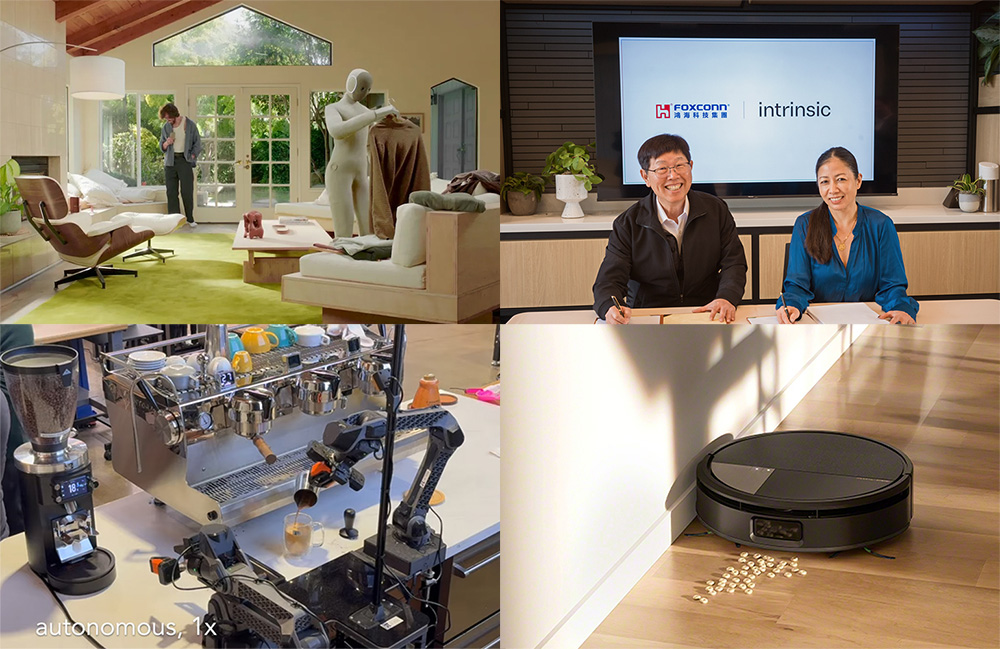
Boring humanoids of this week. Robotera.
And the quality of popular AI models is not Robot-proof.
 The Robot Report Staff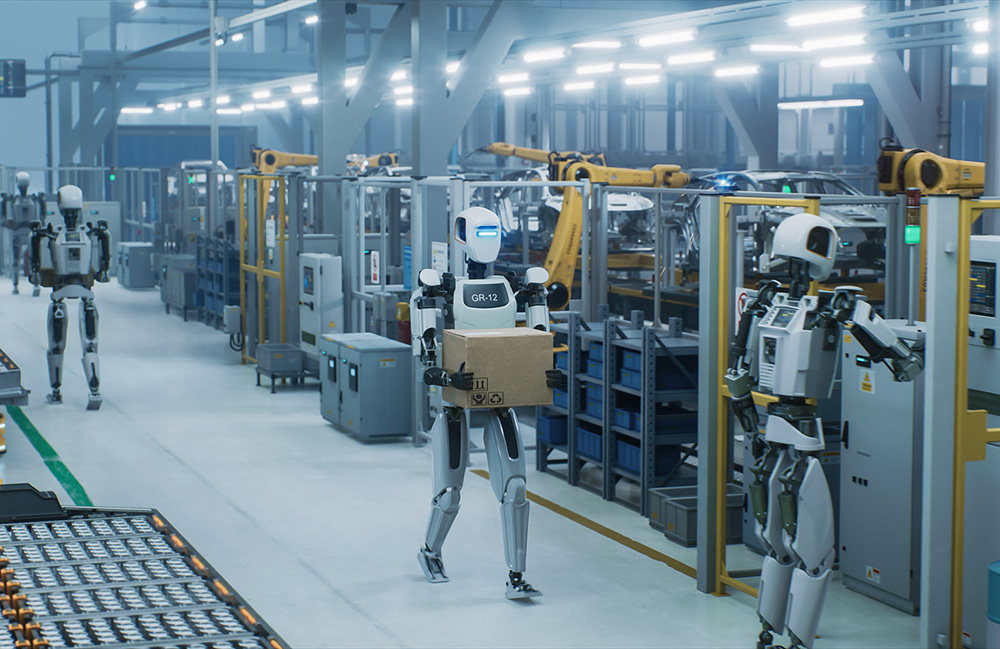
Robotics as infrastructure. The physical angle of AI, it generates new (VC) money. Physical Intelligence.
 The Robot Report Staff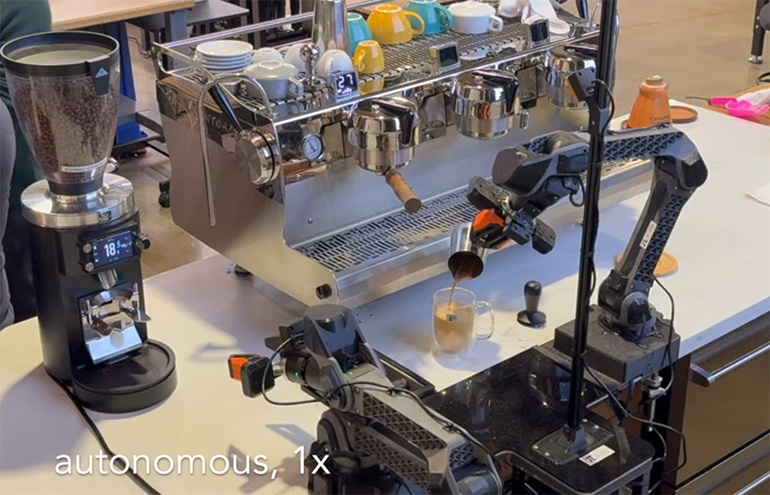
I was triggered by “Agile Robots plans to grow beyond automotive industry”. Where these cars just training materials for general robots? Agile Robots.
 The Robot Report Staff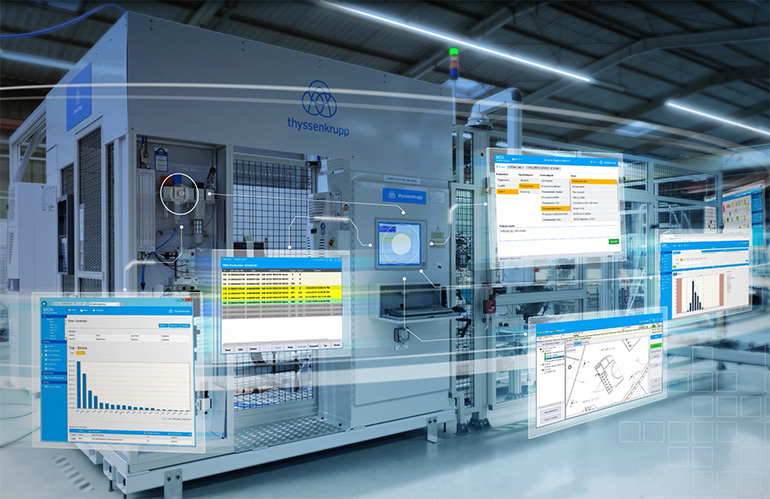
Or are we stumbling in a robot-shaped bubble?
 Robert Hart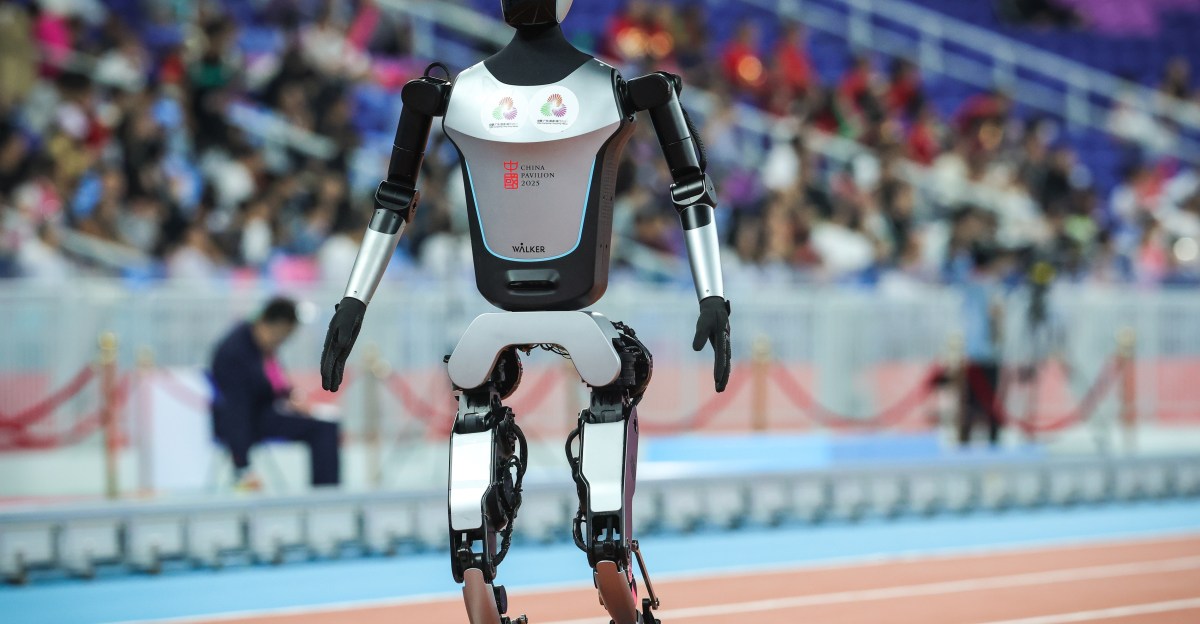
And after the bubble? Surgeons.
 Chris Newmarker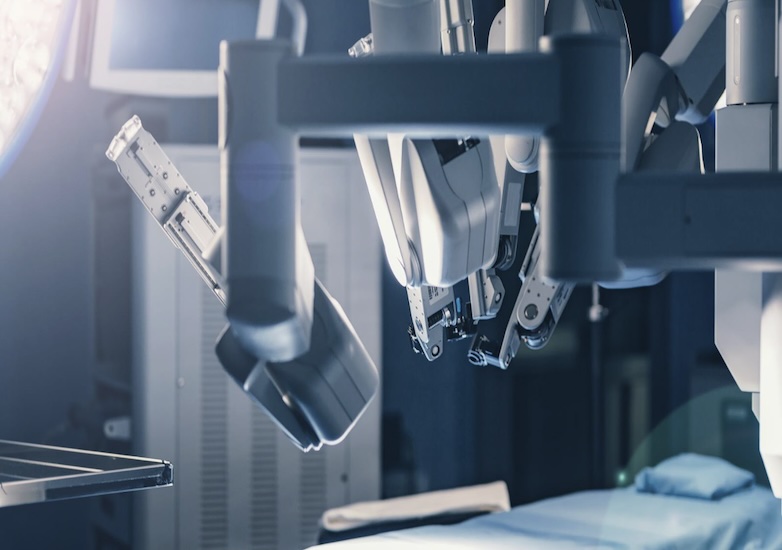
Greenwashing robots (and blue).
 matthew burgos I designboom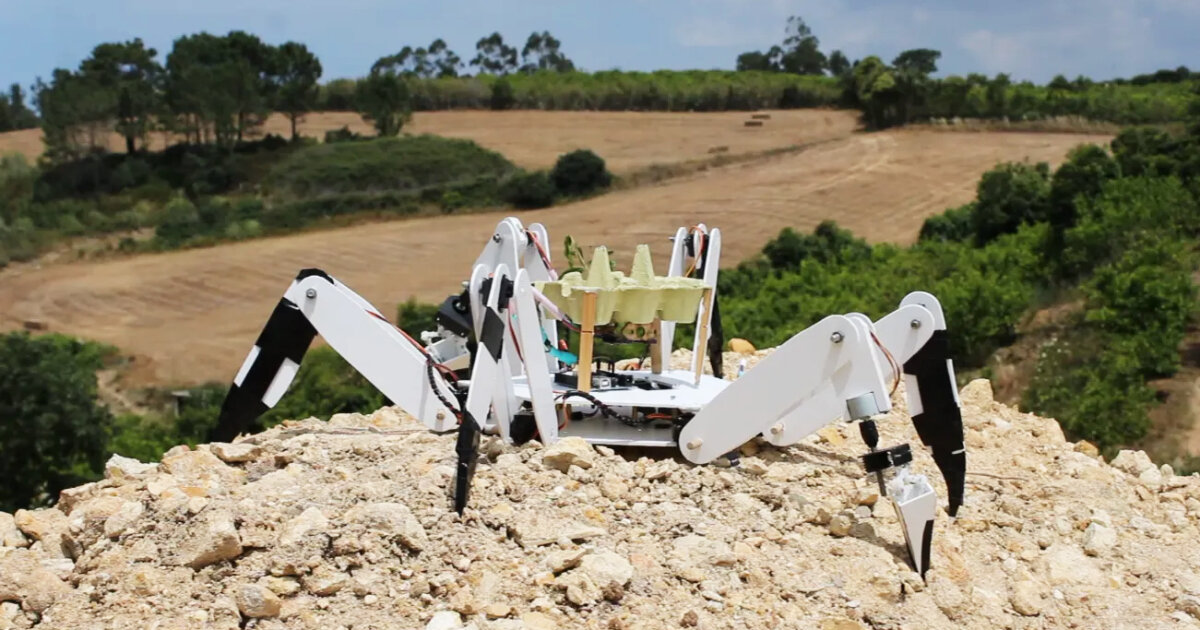
 Andy Corbley
Immersive connectedness
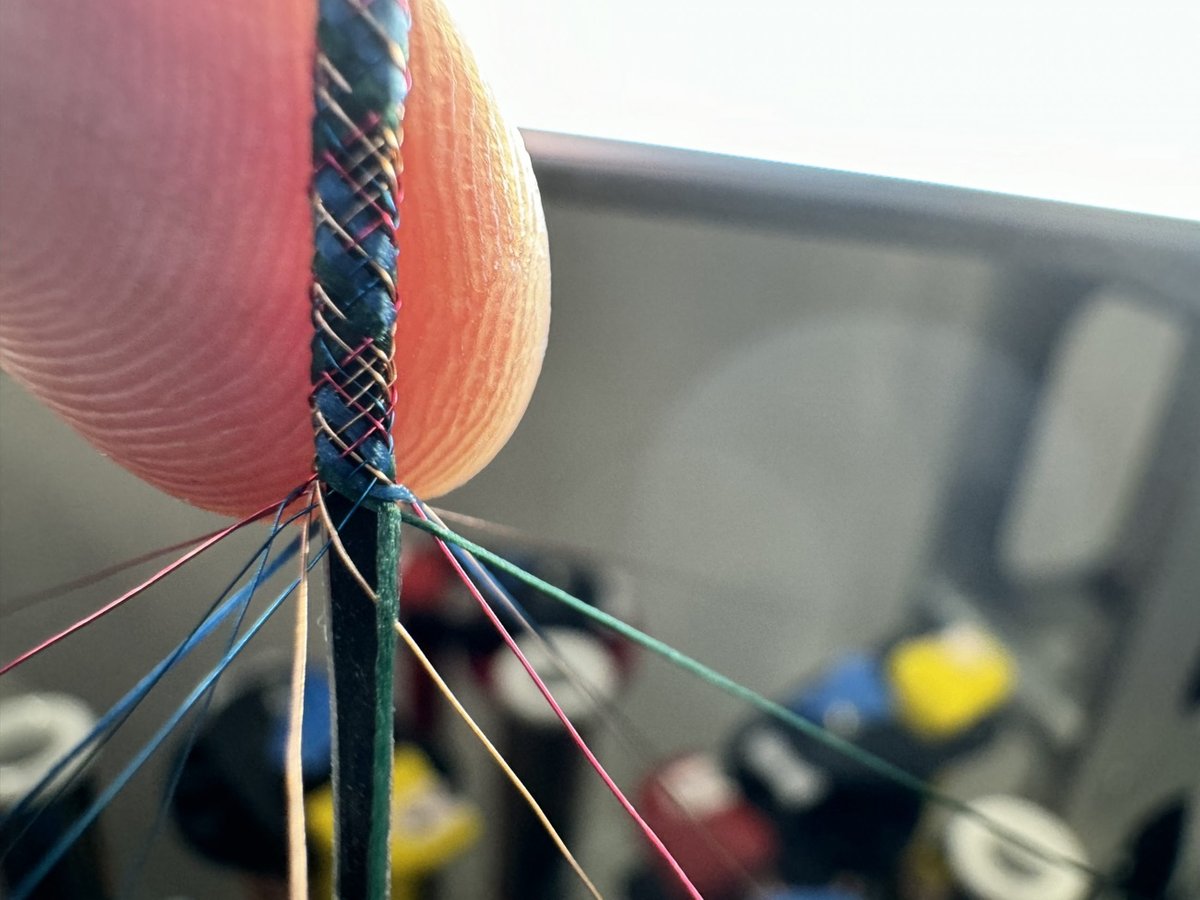
These kind of concepts are returning once in a while. But it looks well-made, however, still a prototype. What would made it more interesting even if there was a hidden musical assistant that could tune your components through a ad hoc learning AI. Physical AI…
 matthew burgos I designboom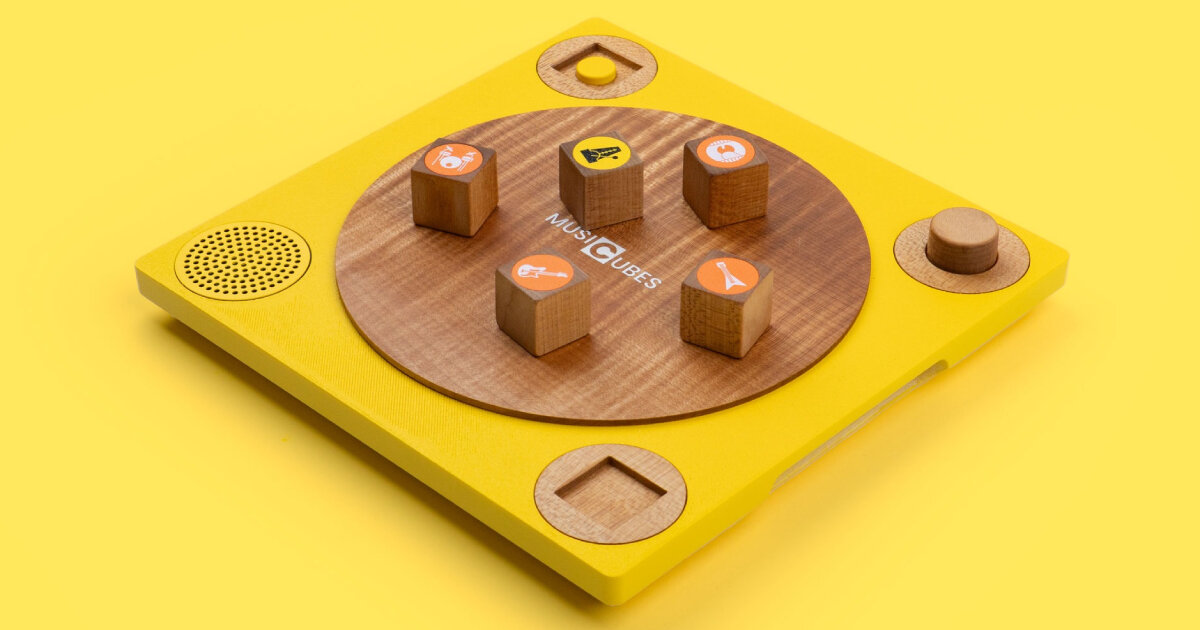
Dirty smart toys. Dirty minds.
 Eric Berger
Tech societies
The Slopverse. Was that coined before?
 Ian Bogost
Sounds like a cheap trick. Teens and AI.
 Emma Roth
What is real? Or unreal?
 Terrence O’Brien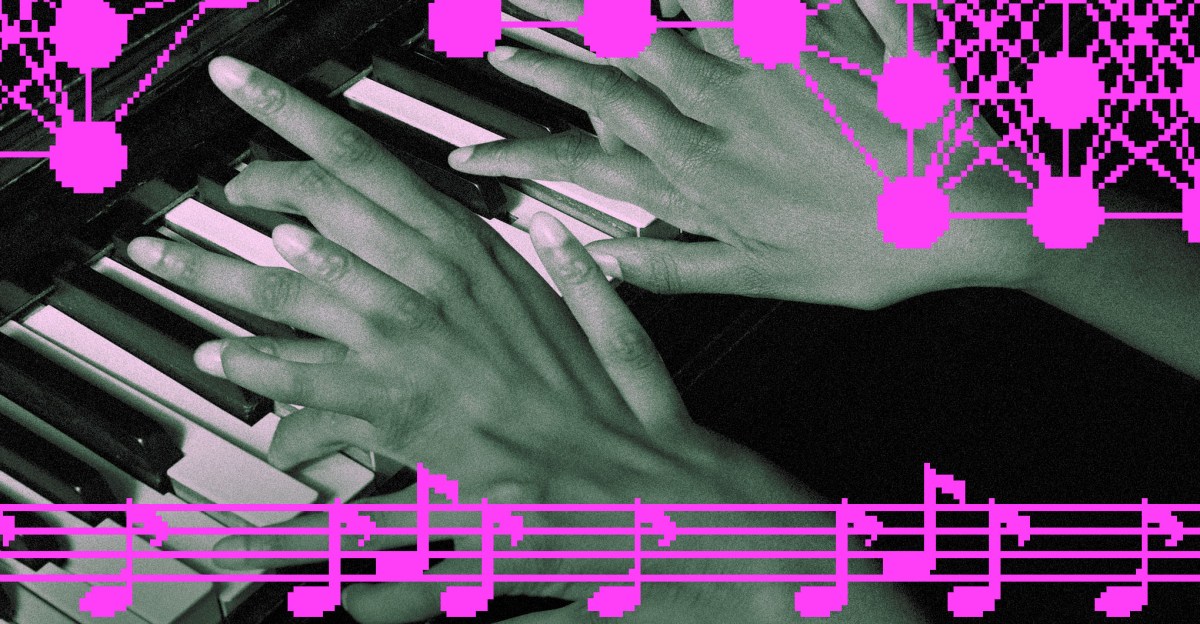
Self-driving and the urban economy
What is the unit for knowledge?
 Steven Johnson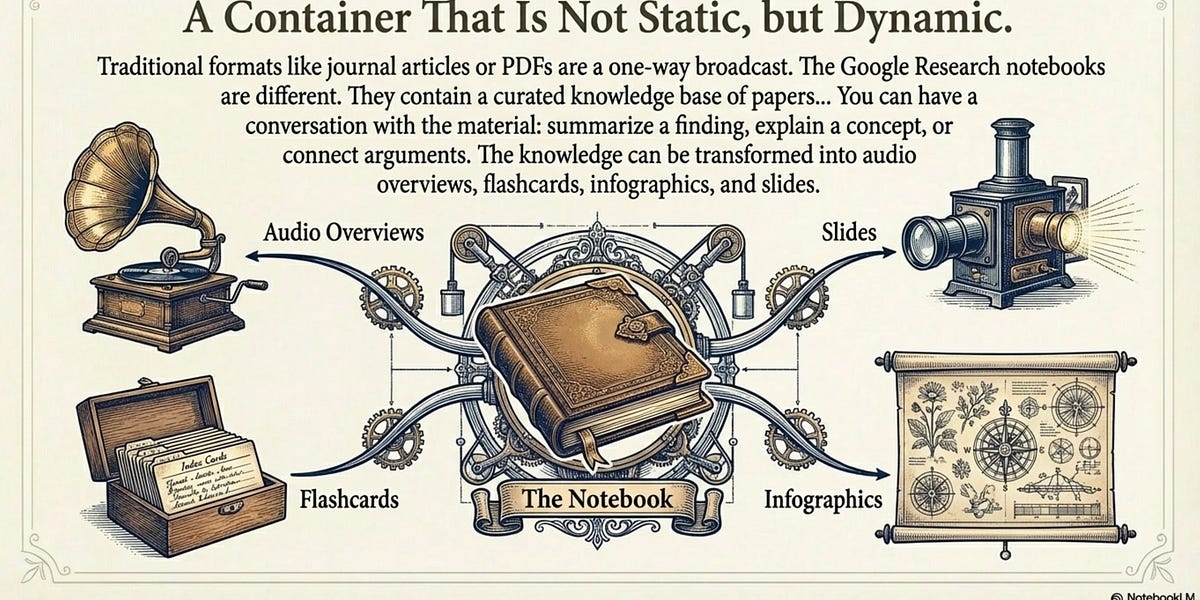
Resist.
Dan McQuillan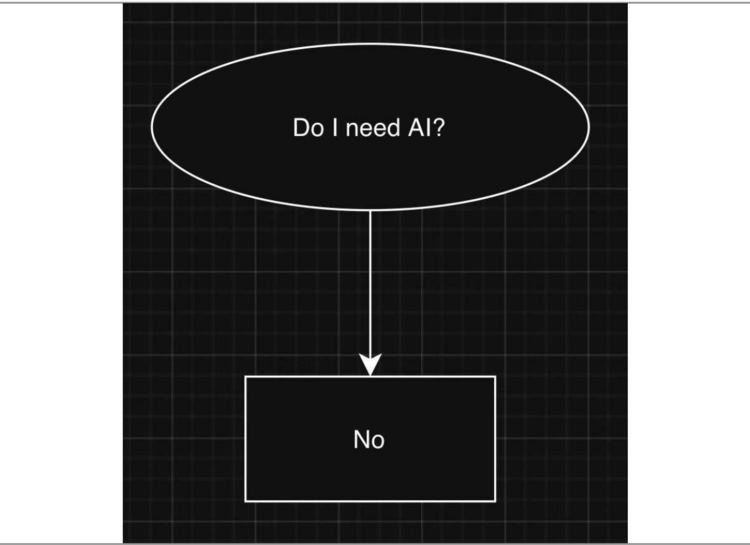
Year turning
The end of the year delivers not only predictions, but also sometimes interesting looking-backs. Learnings. Year review.

 Noah Smith
Weekly paper to check
Looking at the background of the mentioned Hannes Cools, I found a paper
Where exactly between utopia and dystopia? A framing analysis of AI and automation in US newspapers
Over the last 60 years, media outlets have been covering emerging technologies like artificial intelligence (AI) and automation. This countrylevel study wants to give a nuanced overview of how these technologies were covered in US newspapers.
Cools, H., Van Gorp, B., & Opgenhaffen, M. (2022). Where exactly between utopia and dystopia? A framing analysis of AI and automation in US newspapers. Journalism, 25(1), 3-21. https://doi.org/10.1177/14648849221122647 (Original work published 2024)
What’s up for the coming week?
More final organizing effort for TH/NGS.
This afternoon, there is an AI event in Rotterdam, organized by a group I missed earlier. A whole different community…
Dark Matter Labs is sharing visions on many-to-many system.
Have a great week!
About me
I'm an independent researcher through co-design, curator, and “critical creative”, working on human-AI-things relationships. You can contact me if you'd like to unravel the impact and opportunities through research, co-design, speculative workshops, curate communities, and more.
Currently working on: Cities of Things, ThingsCon, Civic Protocol Economies.