Embracing complexity to fork AI standardized life
How an exhibition and a side thought connect to an extensive essay on chaos and adaptive governance. Brought home for contemporary product development organisations… And much more notions from human-AI-things news.
Dear reader!
The first quarter of 26 has been a rough one for the world. And it ain’t over yet, it seems… It is becoming increasingly clear that the old certainties are under pressure. With the new technologies that might deliver a whole new type of species to live with. And with old rituals taking a turn, repeating the last century. Or are these more 80-year cycles? I had to think back about this video of Van Neistat explaining the prophets on the ‘fourth turning’. History is repeating. Well.
Week 382: Embracing complexity to fork AI standardized life
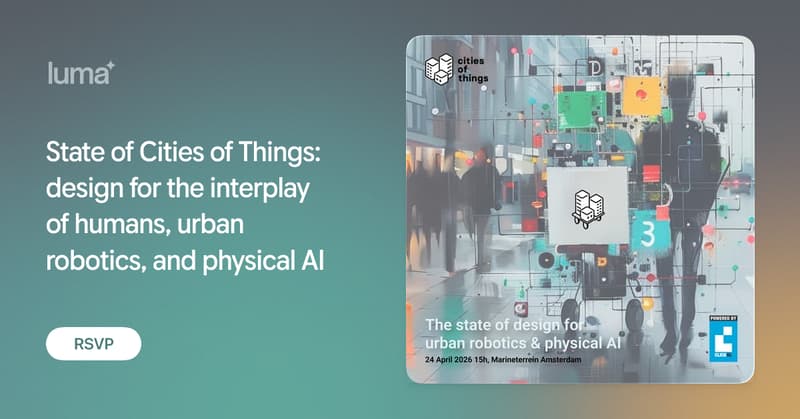
Not much to report from last week, in terms of events or otherwise. I had even more inspiring interviews on the state of cities of things, and the location for the event to present the results is confirmed. I am now hard at work, letting all impressions simmer and connect to new insights. Join the lovely panel and me on 24 April to discuss the results!

Also, last week, I did not have the time to visit Art Rotterdam as much as I would have liked, but I was happy to see the work of an artist I did not know (Vittorio Roerade) in the lovely Citrusveiling building and visit the opening night of Autonomous in Brutus. The reviewer of the Volkskrant had a nice frame: ‘Autonomous’ celebrates the unconventional mind as an antidote to an increasingly predictable world . AI, as a machine for standardization, is what the curator takes as a challenge to address across different types of works. Reading this back while reflecting on the version of the triggered thought that resulted from my rough thoughts and the usual back-and-forth with the AI, it made me rethink…
This week’s triggered thought
What if everyone in a company could improve the offered product through a simple conversation? In a podcast this week, Judith van Stegeren mentioned an effect of vibe coding that goes beyond personal tooling. Almost as a side note. For companies whose digital components are core for the product functioning (digital or hybrid products), the entire workforce could, in theory, participate in continuous product development. The customer service rep who hears a recurring complaint. The sales lead who spots a friction point. Anyone in contact with users could take the initiative to make a change. No ticket required. No handoff to the dev team.
This isn't just a tooling shift. It connects to what Guido Stompff initiates to discuss in relation to the fifth order of design, which I referred to before. A level of co-design linked to learning environments and continuously adapting products. We're moving beyond co-design workshops toward a more integrated approach: continuous improvement as a distributed practice.
It's part of a larger pattern. Indy Johar's essay this week on "the fork in the system" argues for developing a capacity to hold complexity through adaptive governance and decentralized relational coordination. Van Stegeren is describing what this might look like at the organizational level. Stompff offers the design theory. Johar frames the systemic stakes.
What will it result in? On an organizational level, what new roles and structures do we need for adaptive product development? We have system cards for AI, brand guides for identity. What's the equivalent for organizations where anyone can shape the code? Who holds the vision? Who decides what coherence means when the product is always in flux? In the end there might be a homogeneous offering that makes us numb. Imagine a different type of strategy workshop for the producers of the goods and services we use.
Is this what the art of the Autonomous exhibition refers to? The promise of ultimate personalization leading towards a form of standardization. An open question to explore. As Johar states, the best path is creating systems that adapt, connect different views, and work well despite uncertainty.
With an extra thought: we also need to ‘invite’ the things to the table, the materialization will have more agency. Not only as an affordance, but as an actor with agency. But let’s save that as an opening to another post…
Notions from last week’s news
Human-AI relations
Claude is becoming more and more the preferred tool for adding AI in our lives, and they are extending the span of control to become the ultimate assistant.
 Jess Weatherbed
While ‘the others’ are aiming to become your hyper-personal shopping assistant. Apparently.
 Emma Roth
OpenAI is performing a focus operation, closing down ‘side hussles’ like creating a social media app based on fake video, aka Sora. Also the erotic ChatGPT is shelved. While Codex is extended to other fields than coding.
 Tom Chivers
 Samuel Axon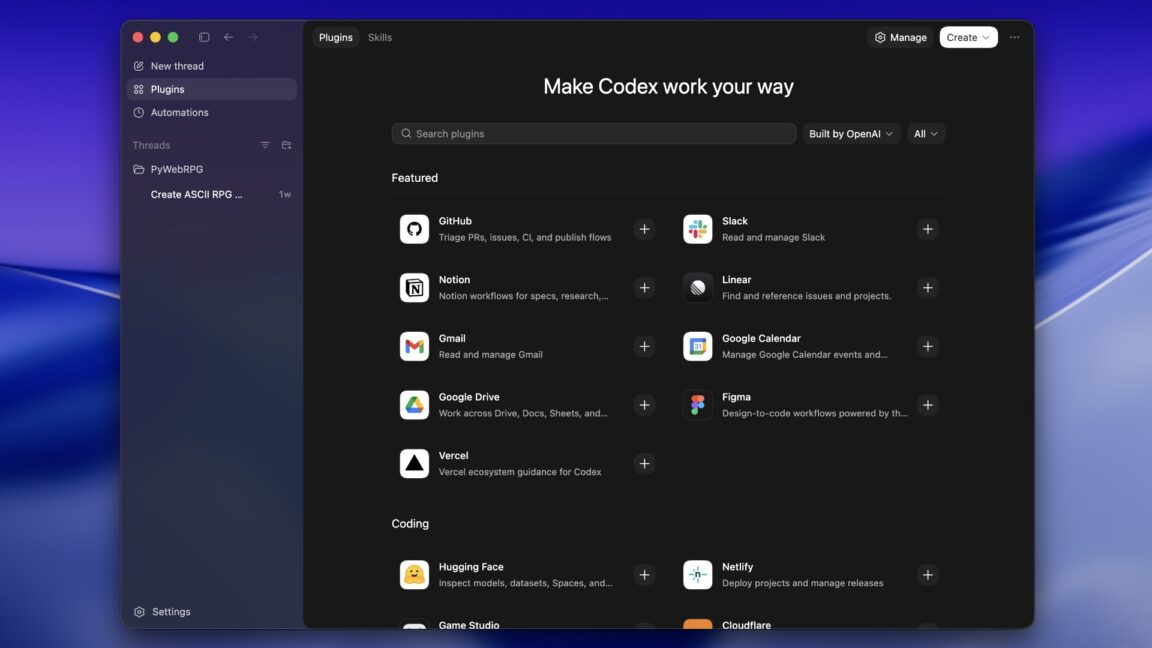
We can make a separate category with expectations for Apple and AI towards the next WWDC in June.
 Andrew Liszewski
And Meta? Marc is ‘eating his own future dogfood’ by creating a personalized AI agent as PA, while stimulating the use of tools company wide.
 J.D. Capelouto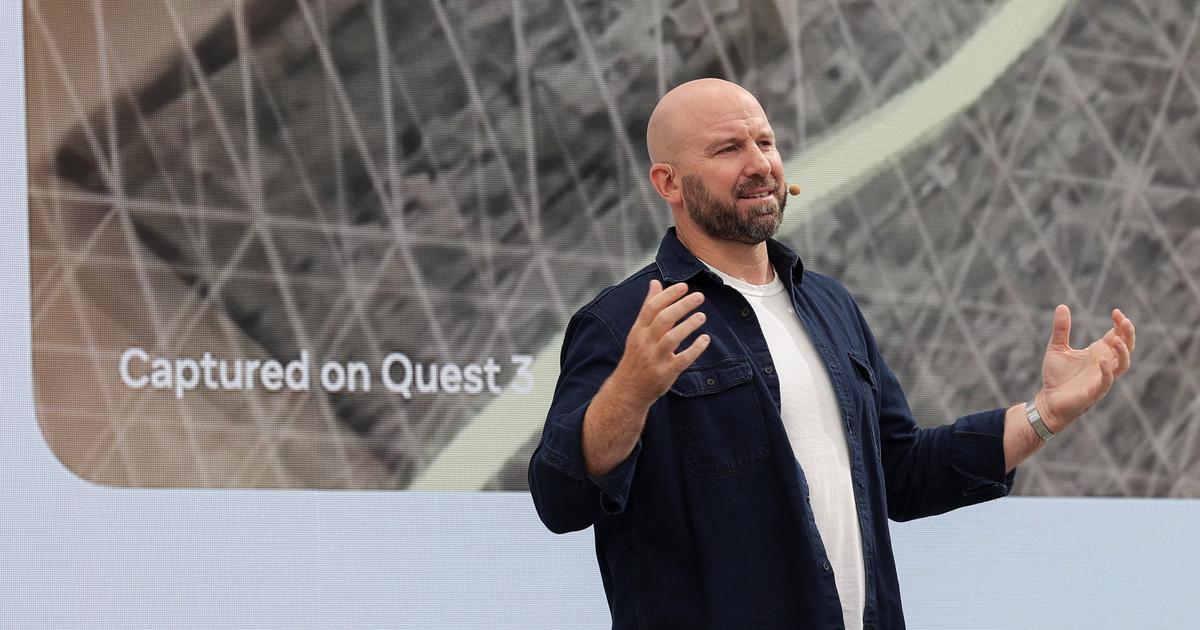
Remember when Suno was a hype, a generation of AI ago (a year?). New version, more customization.
 Terrence O’Brien
Not sure, is this the solution for our broken social media services? Building our own addictiveness?
 Sarah Perez
A consultant's take on human-AI work
 Joe McKendrick
Be critical of the impact of agentic AI.
 Eryk Salvaggio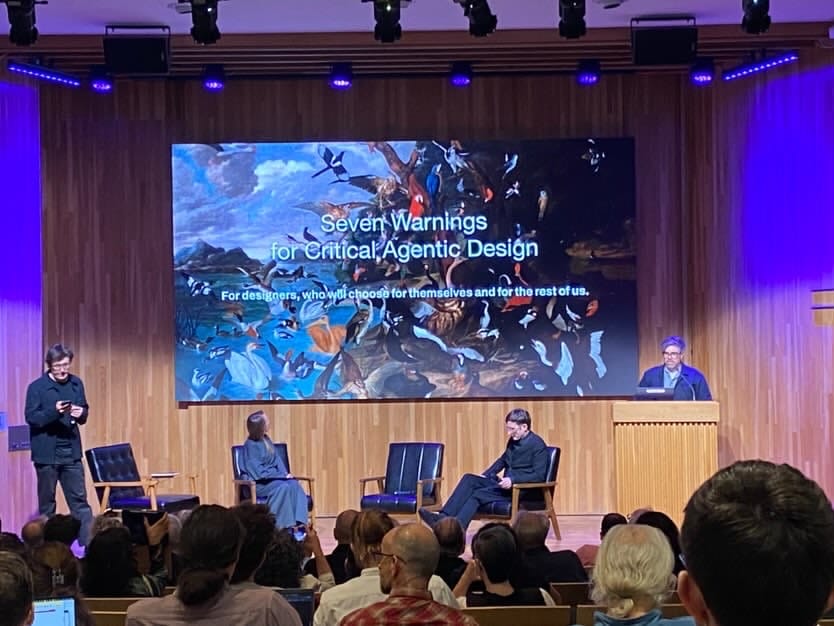
Physical AI
Some new robots to explore this week: a space helper, Zoox expanding, MacRobot
Amazon is buying Fauna Robotics. To complete the logistics in dark factories?
 Annie Palmer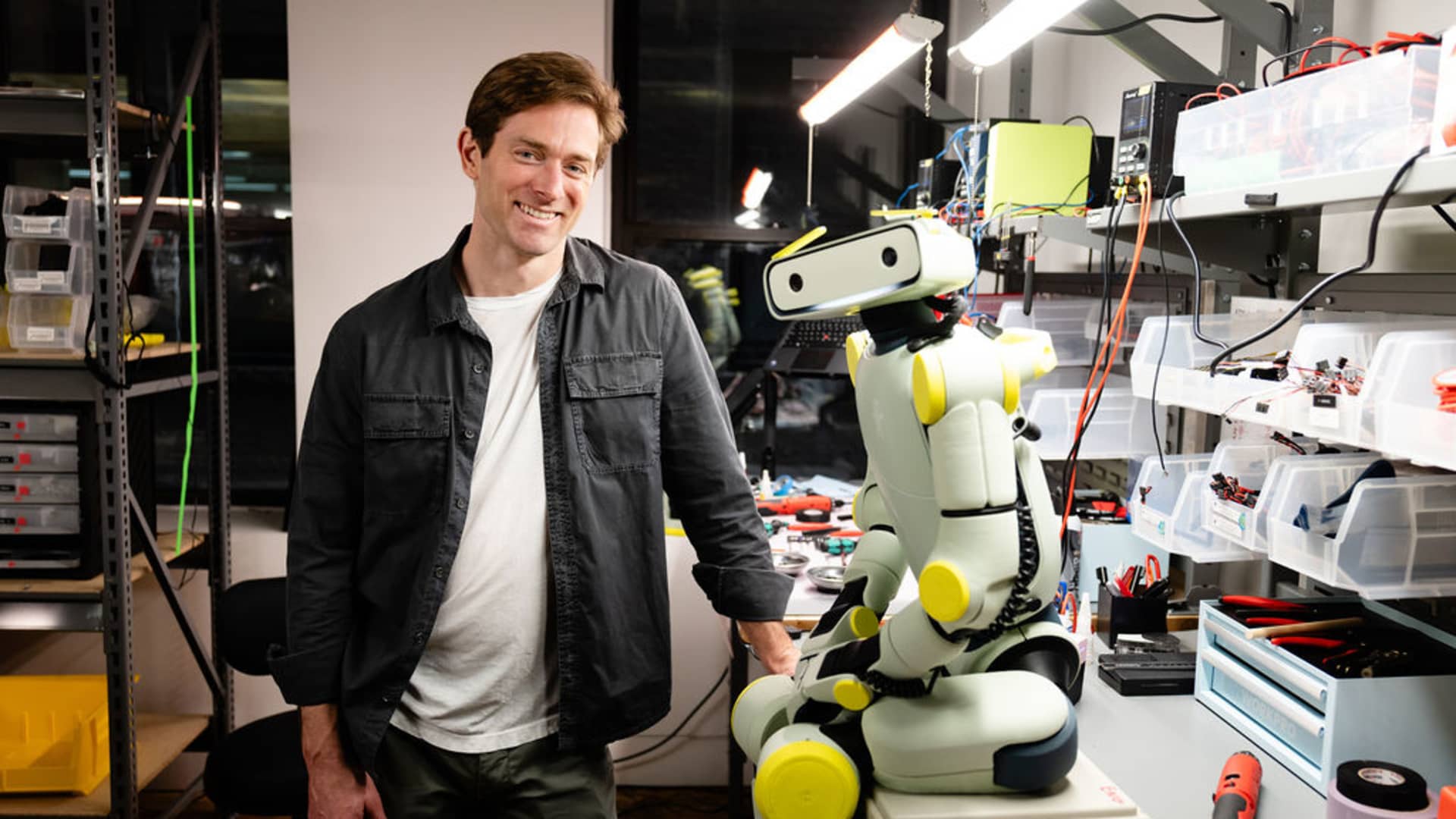
Unitree is .
This is not helping to deal with the creepy factor of humanoids…
 Chase DiBenedetto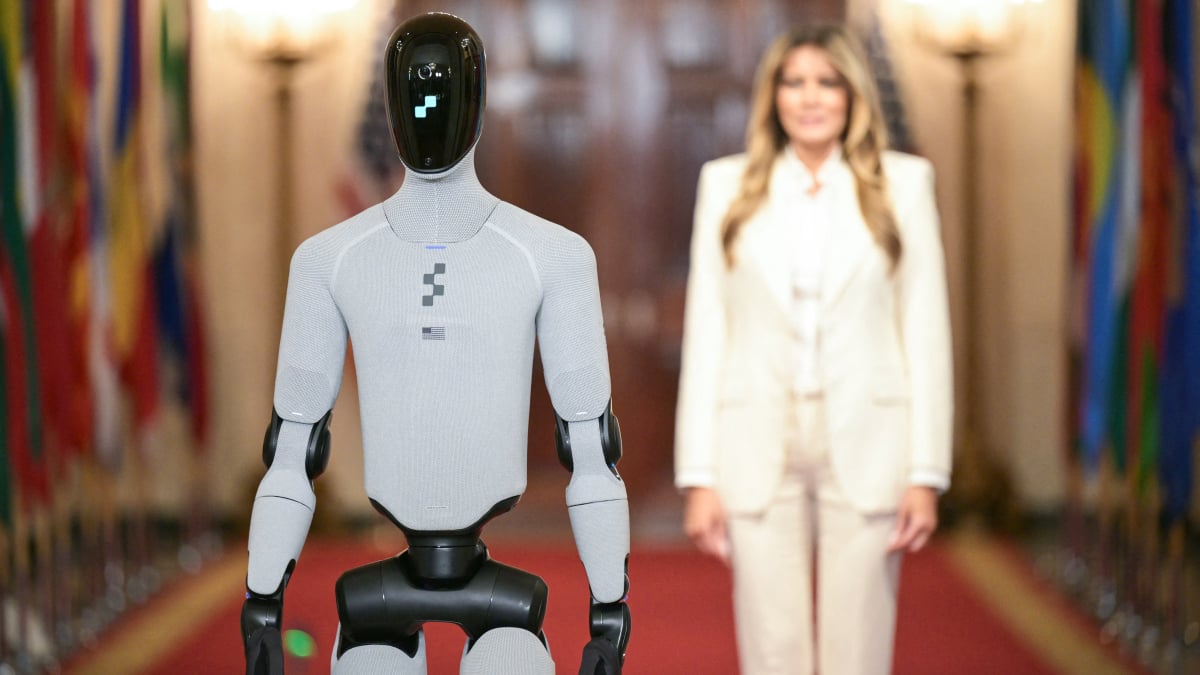
How can AI art inspire something like immersive architecture?
 thomai tsimpou I designboom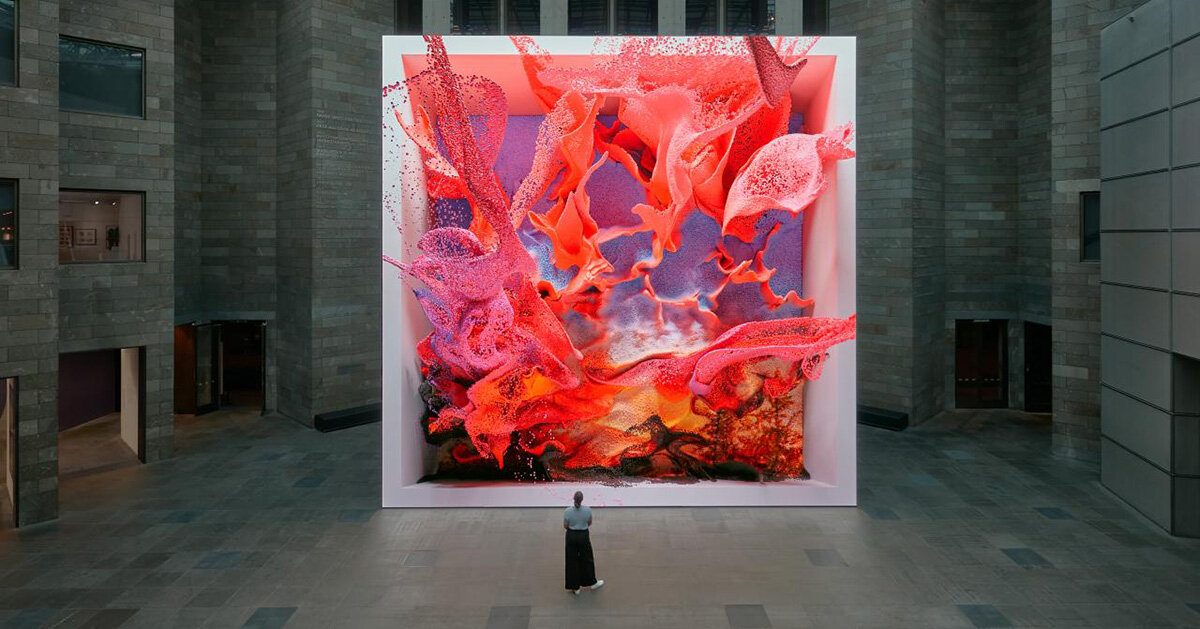
A kind of inverse physical AI is live search.
 Emma Roth
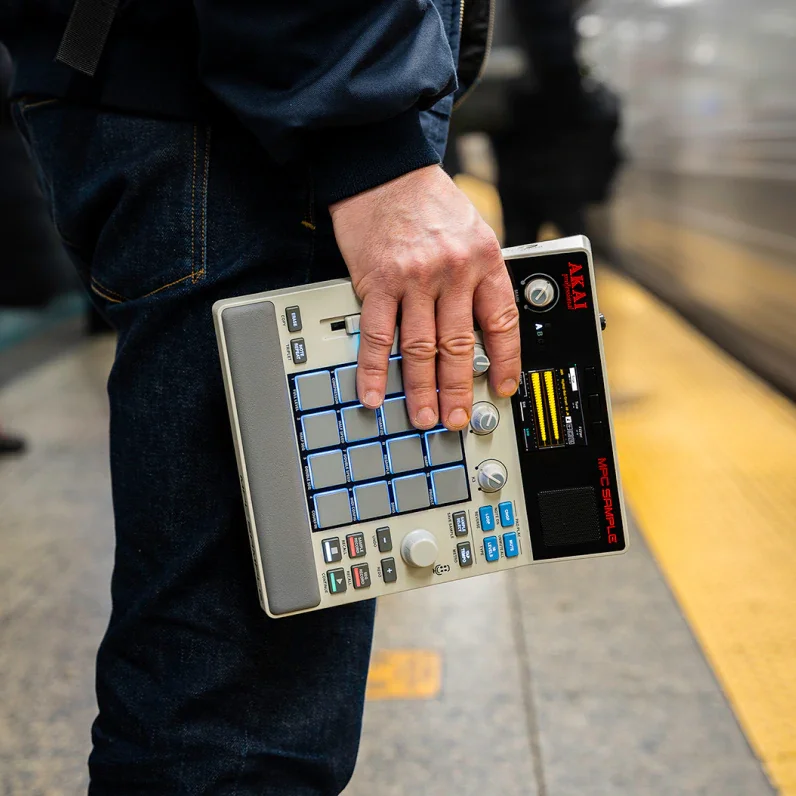
Akai feels very 80s to me. And this new sampler does not incorporate any AI it seems. Can you imagine? :-)

Tech in civic societies
The ruling that big social tech companies are liable for the addictive products they make might be a watershed moment for social media.
 Dan Milmo
The dark surveillance is real.
 Ars Staff
The AI Boom was not built for a polycrisis.
 Matteo Wong, Charlie Warzel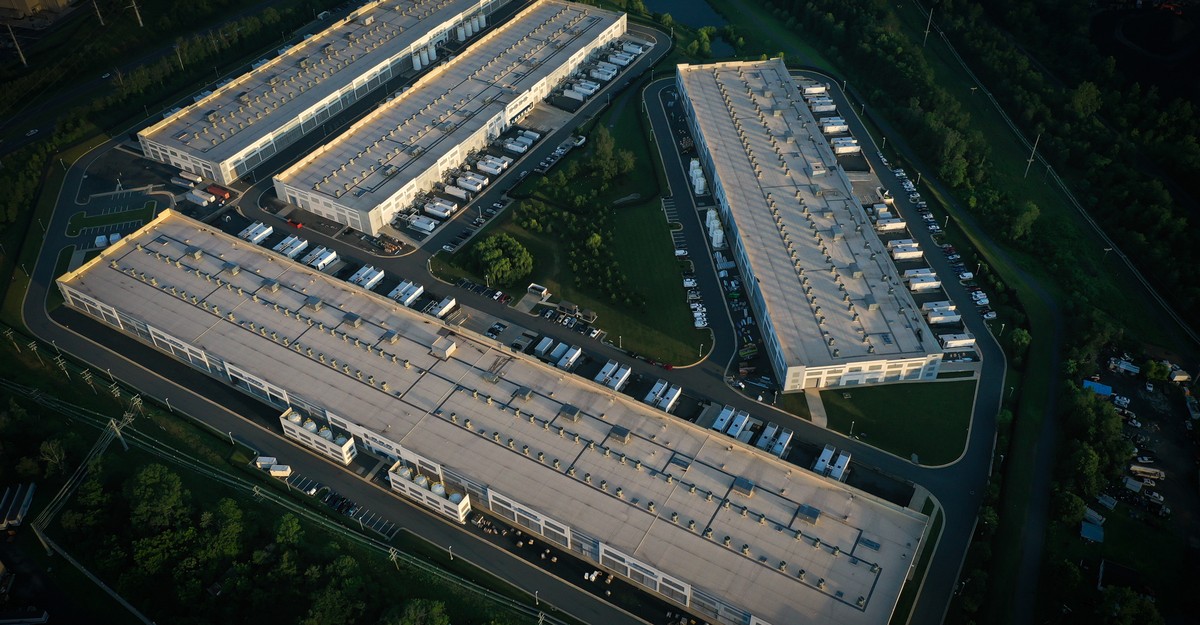
Is there still a place for human jobs in the age of AI?
 Noah Smith
A toolkit for value-led gen AI in design education.
 Edited by ALT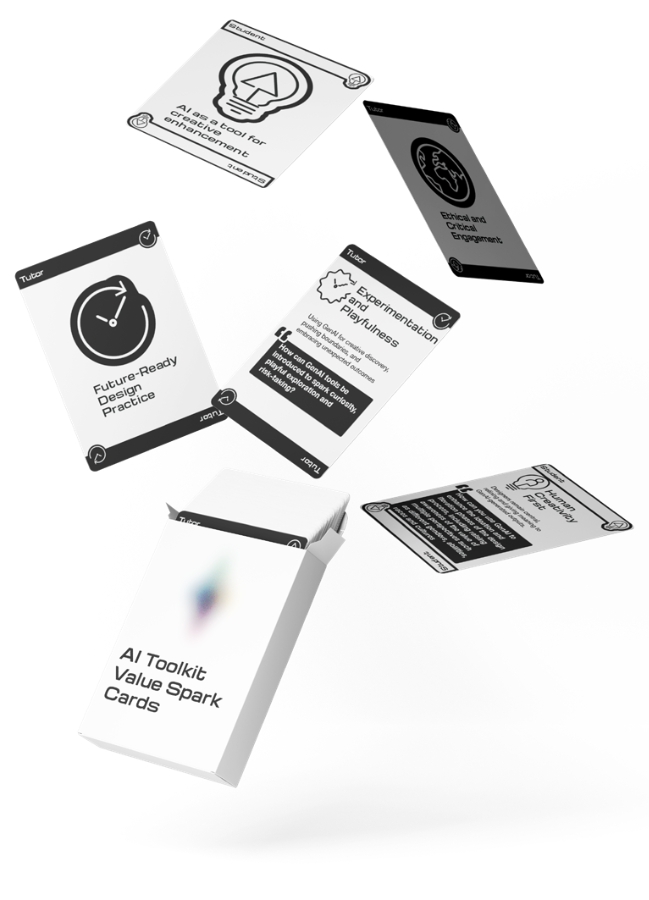
World machines are writing history over long periods of time. With AI assistance.
 Venkatesh Rao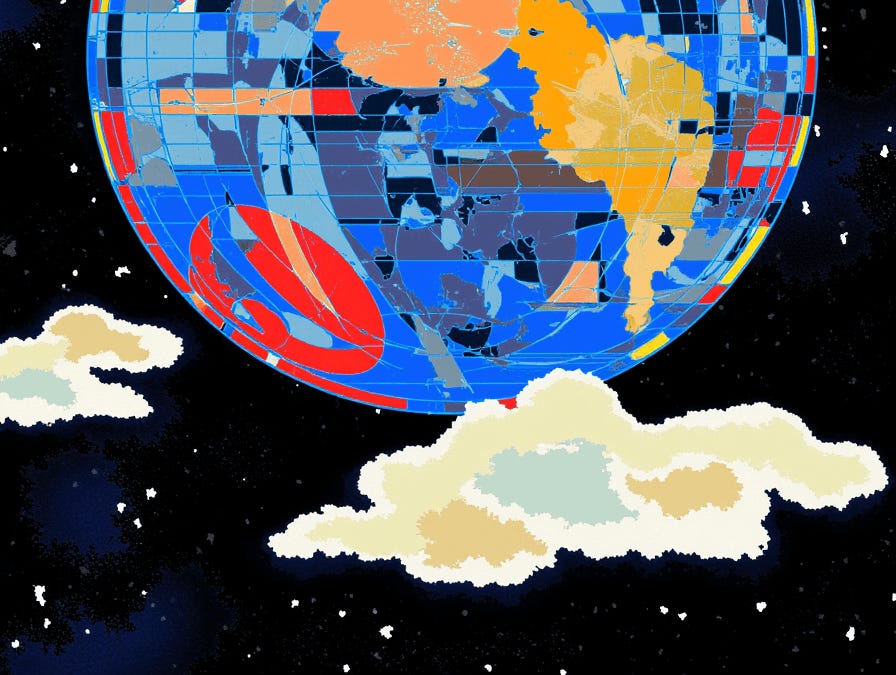
The role of architecture in agentic spaces. What is the role for shaping the right structures, what is the negative space while ‘vibing’. Some great reflections by Matt, as always.

Weekly paper to check
A critique of the role of AI for civic institutions.
Unfortunately, the affordances of AI systems extinguish these institutional features at every turn. In this essay, we make one simple point: AI systems are built to function in ways that degrade and are likely to destroy our crucial civic institutions. The affordances of AI systems have the effect of eroding expertise, short-circuiting decision-making, and isolating people from each other.
Hartzog, Woodrow and Silbey, Jessica M., How AI Destroys Institutions (December 05, 2025). 77 UC Law Journal (forthcoming 2026), Boston Univ. School of Law Research Paper No. 5870623, Available at SSRN: https://ssrn.com/abstract=5870623
What’s up for the coming week?
A short overview of things to attend. Like AI on the Amstel on Autonomous AI, Speculative futures in public space, Presentation Club 6.
Next to that, the last of the interviews, while processing all impressions to be ready for the first sharing. Don’t forget to check out the Cities of Things event!
Not sure what my Easter plans will be; I might need to delay the newsletter by a day next week. Happy easter!
Have a great week!
About me
I'm an independent researcher through co-design, curator, and “critical creative”, working on human-AI-things relationships. You can contact me if you'd like to unravel the impact and opportunities through research, co-design, speculative workshops, curate communities, and more.
Currently working on: Cities of Things, ThingsCon, Civic Protocol Economies.