Context engineering as a design lens for agent relations
If non-human agents develop real agency, context engineering becomes about designing intentions. And more captures from last week’s news on human-AI-things relations.

Dear reader,
What is there to say? The international turmoil continues. The Trump theater. You don’t know what is planned for second and third order effects and what is pure primitive thinking. But this is not the newsletter for these topics, unless related of course to the role of robotics, AI and other systemic changes… On a smaller scale we had local elections last week, and that triggered some thoughts about communities, agency, and the new buzz of context engineering.
Week 381: Context engineering as a design lens for agent relations
Last week I had a short week for work activities. I had two more pleasant interviews for the State of Cities of Things, and discussed the launching event with Monique, and had production work to do, like planning the location, etc. I will start processing all the insights from the interviews now, with another 5 interviews this week and a couple in the next. It is a very rewarding project, with great insights and inspiration.
I did not attend any events or so, but I did visit a movie that was quite intense. Something that did not land in my triggered thought; in the HardFork podcast the inability of creative writing and originality of the current state of the art frontier models was discussed. The models are tuned to be the ideal helpful assistant. The earlier models like GPT-3 were more able to take unexpected corners. If you see the movie, you will understand why I make this connection.
This week’s triggered thought
The local elections here in the Netherlands revealed something worth paying attention to: local-oriented parties are gaining ground over national ones, and the gap between cities and regional areas is widening. Beyond the political analysis is a shift towards community-based attention: civic boards, neighborhood initiatives, topic-based collectives. There's real value in communities connecting and sharing. It delivers engagement, strengthens care, and social fabrics. But there's a risk too: communities becoming self-centered, society atomizing. We need bigger goals and responsibility for our externalities if we want something more than a patchwork of islands. This is what we started exploring with Civic Protocol Economies-structures that are inclusive for both the community and the outside world, taking externalities into account as an integrated part of community goals. Systems that make different value flows tangible and give agency.
Speaking of agency: what if we have different entities, different intelligences, in our society? As intelligence becomes more embodied in things, we might start living with these entities as fellow community members. First, because we delegate it; then, as autonomy becomes self-learning, it can develop into a mature form of membership in the community. Consider an energy cooperative created from different households, where the sensors and energy-delivering entities are 'smart'—what happens when they gain more agency?
This is where a shift happening in AI development becomes relevant. There's growing recognition that the art of working with AI is moving from prompt engineering to context engineering. In AI circles, this is often framed instrumentally: how do we shape the context so agents can thrive and deliver?
But this shift mirrors something we've seen before in software development. We moved from waterfall - detailed specifications, separated design and development- to agile, where teams iterate, learn from each other, and work as one. Prompt engineering is a waterfall: specify everything in advance. Context engineering suggests a return to collaboration, defining shared context as the inspiration and boundaries for all team members, human and non-human alike.
If non-human agents develop self-maturing agency; learning, adapting, becoming genuine community members, then context engineering cannot remain an instrumental practice. It becomes a design question of a different order. This kind of design goes beyond shaping boundaries and instructions. It requires shaping intentions: the intentions that govern relations between human and non-human agents, within the community and beyond it. Not just "how do we make agents perform?" but "what kind of relations do we want to enable and sustain?"
Notions from last week’s news
I think that Nvidia stole the show this week with it’s own OpenClaw introduction and flawless instant translations.
 Azeem Azhar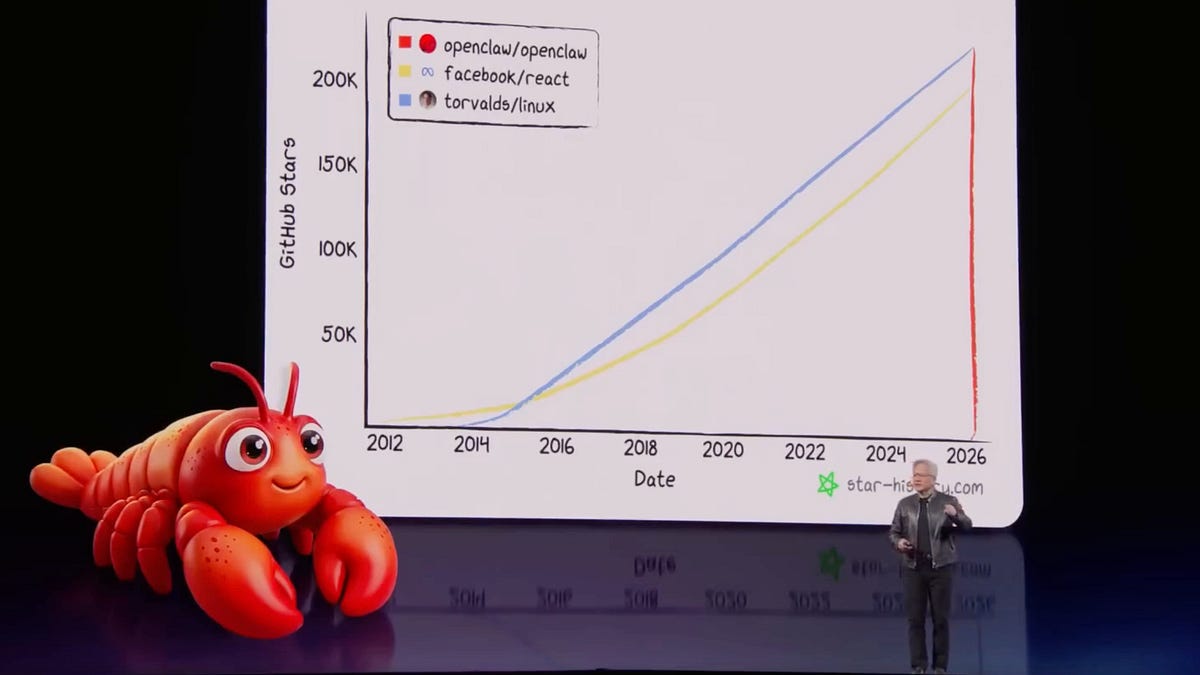
The weekly round of robots…
Wall-climbing ones... Indestructible ones... Tennis ones... Surgery ones.
Human-AI relations
Does this make sense, and will it work? Adding a human.json file to prove the site is made by humans.

Dealing with reality, finding the best collaboration
Sarah D. Sparks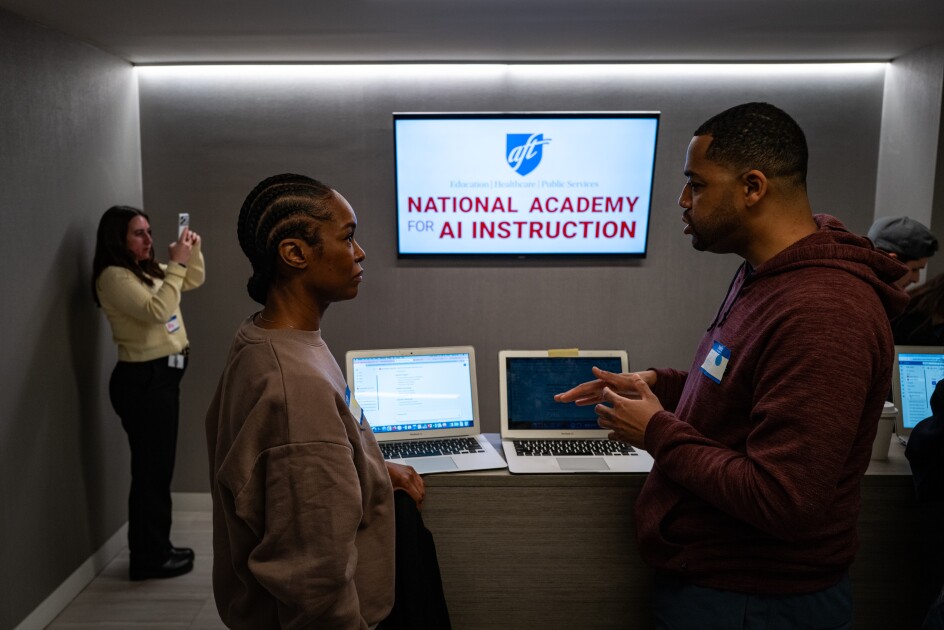
Nano Banana is on the verge of influencing architecture.
 Serra Utkum Ikiz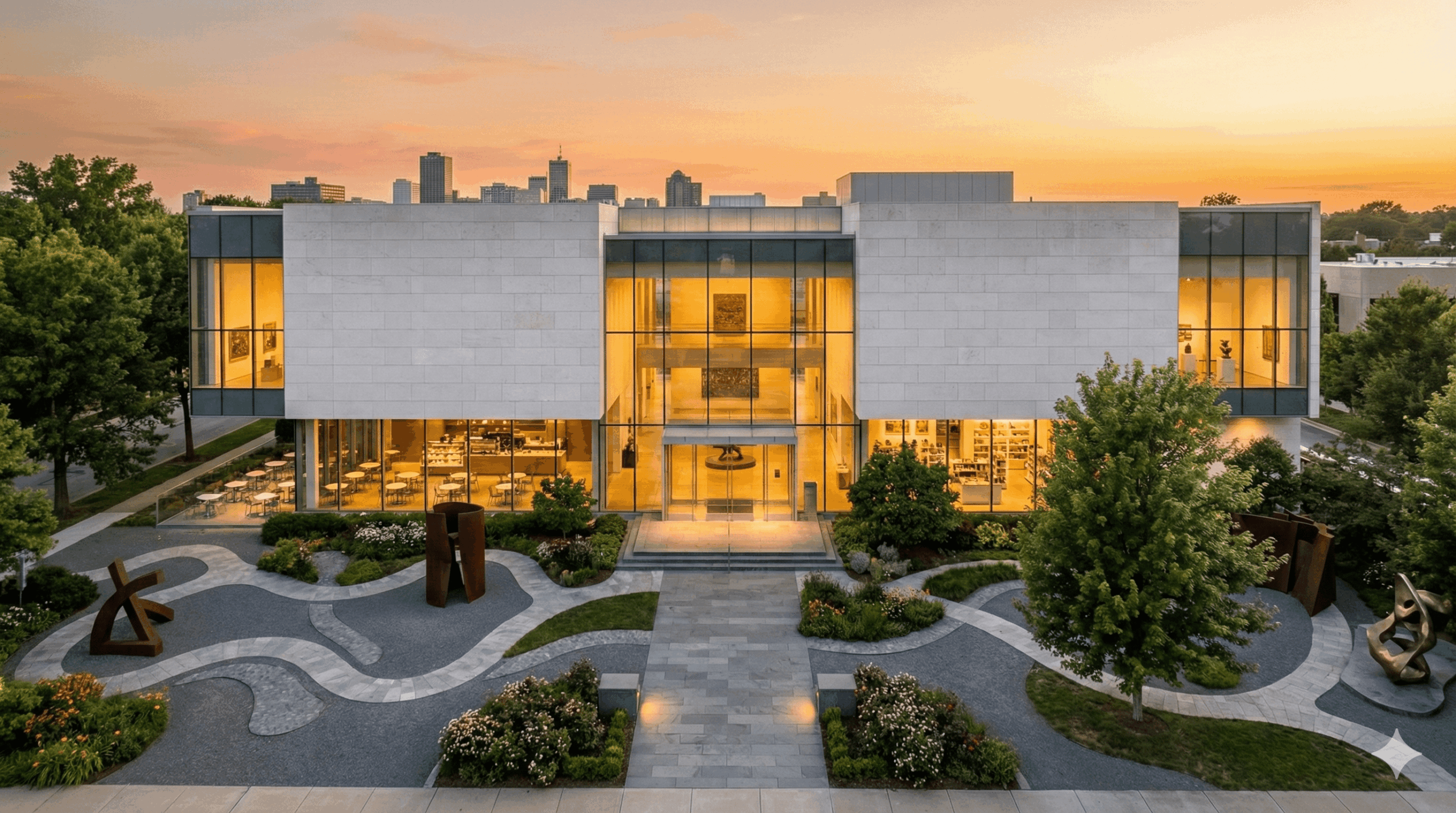
OpenAI is aiming for the ultimate AI Researcher
Will Douglas Heaven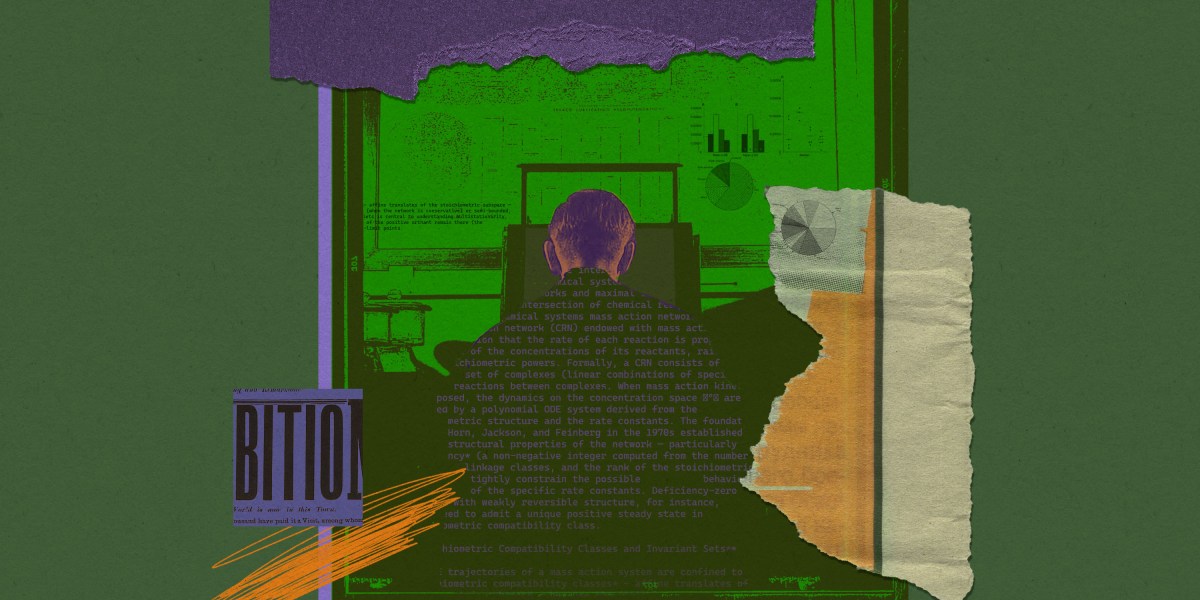
Making your own tools is getting more and more traction. And more importantly, to OpenAI’s business.
 Kyle Orland
Physical AI
Looking forward to diving into this longread on China’s robotics revolution. What is the future of humans?
 Chang Che
AI becoming part of the real world leads to a new type of domain knowledge needed…
 Tom Chivers
The Matter Blues is continuing.
 Jennifer Pattison Tuohy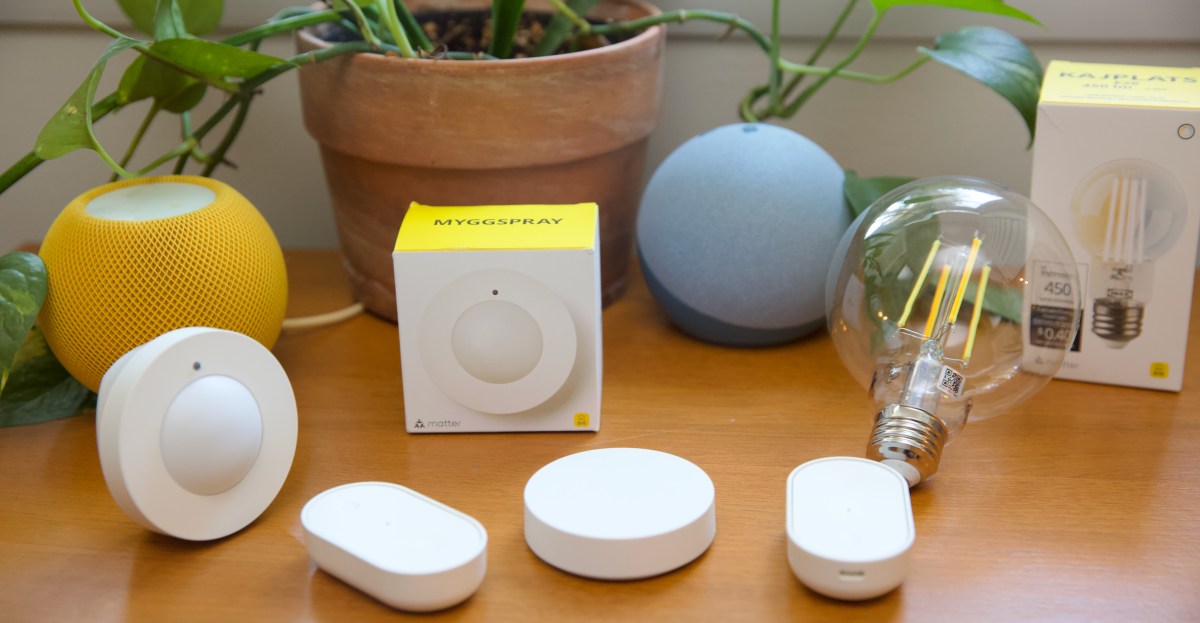
 Jennifer Pattison Tuohy
Tech in civic societies
Is the DoorDash Tasks app signaling the future of gig-work. Who are the robots?
 Reece Rogers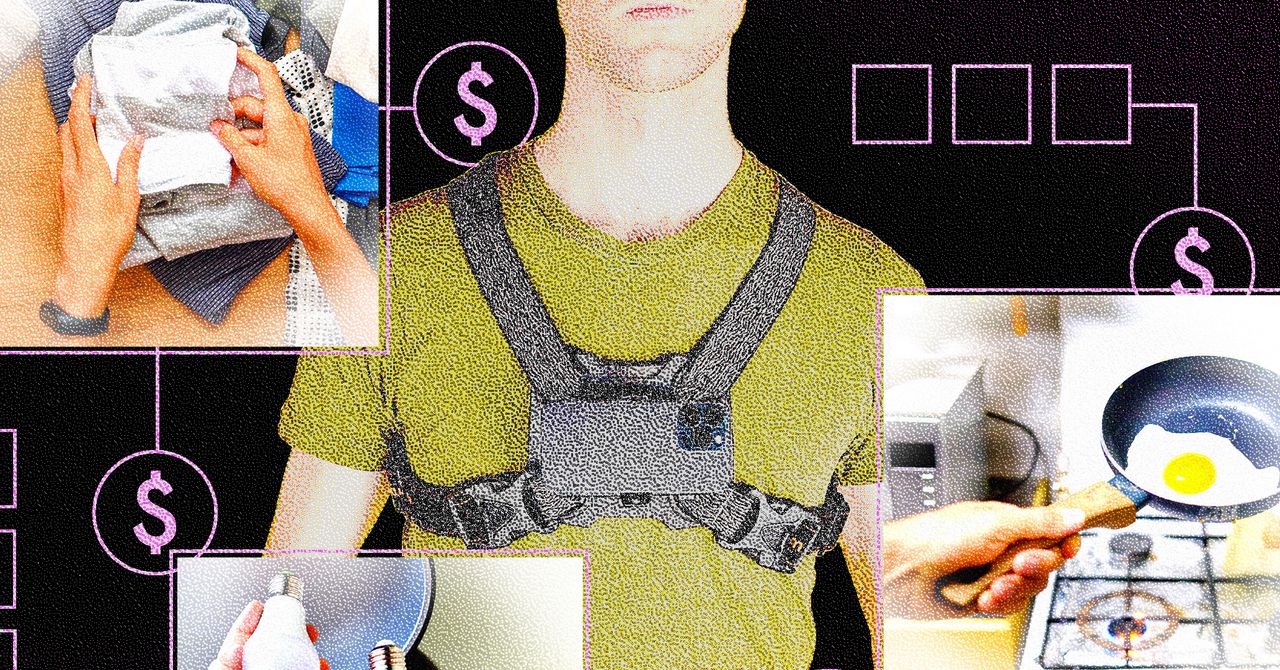
 Shubham Agarwal
Who had thought that Paris would be a nr 1 bike city?
 Riya Das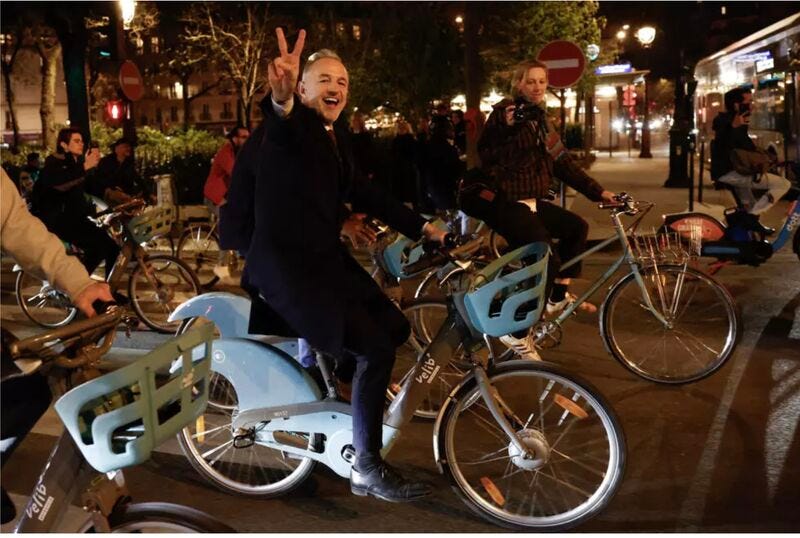
Trends represented by words. “Now everyone’s a builder: marketers, product managers, people working in the construction industry, tweens.”
When AI slop becomes rough and real.
 Kyle Orland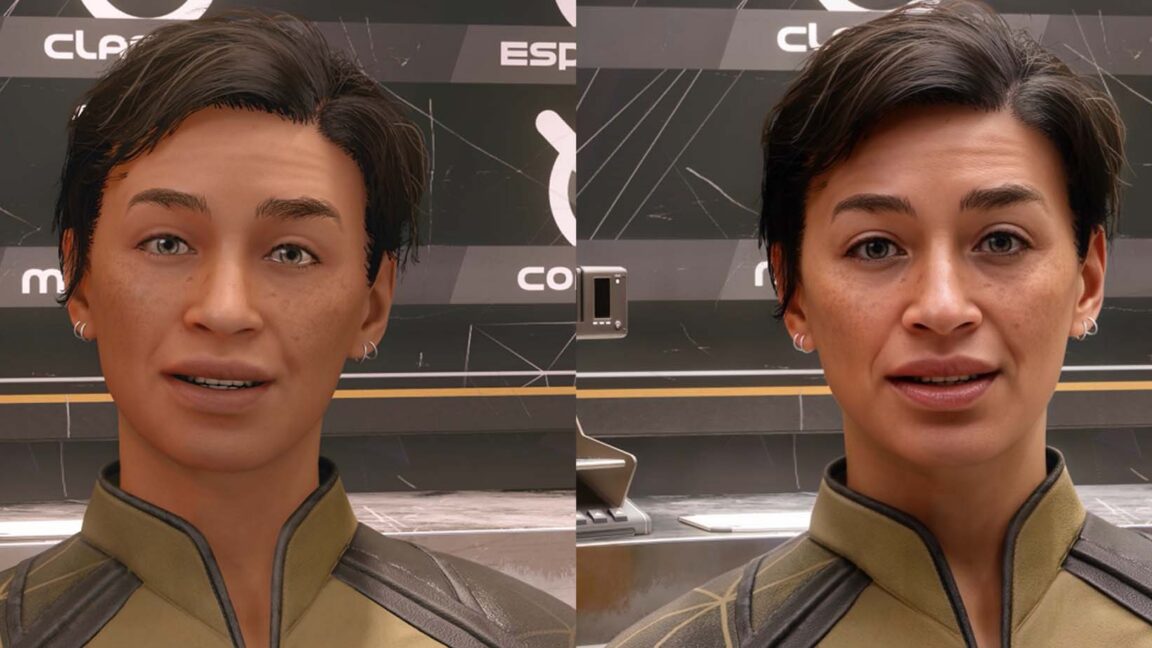
A VC fund focusing on prediction markets feels like a Droste effect…
 J.D. Capelouto
From laggard to unmissable for the AI revolution. Will Amazon be able to catch up? Maybe not start with a phone as an archetype?
 Azeem Azhar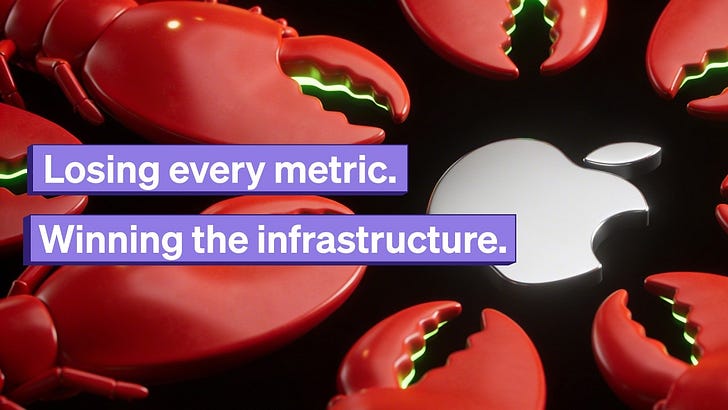
 Scharon Harding
A provoking idea: shifting focus to a world where more than one thing is true at once, will lead to capabilities to multi-solve, meta-solve, and solve through. Does it connect to a “critical agentic systems design practice”?
 Indy Johar
 Eryk Salvaggio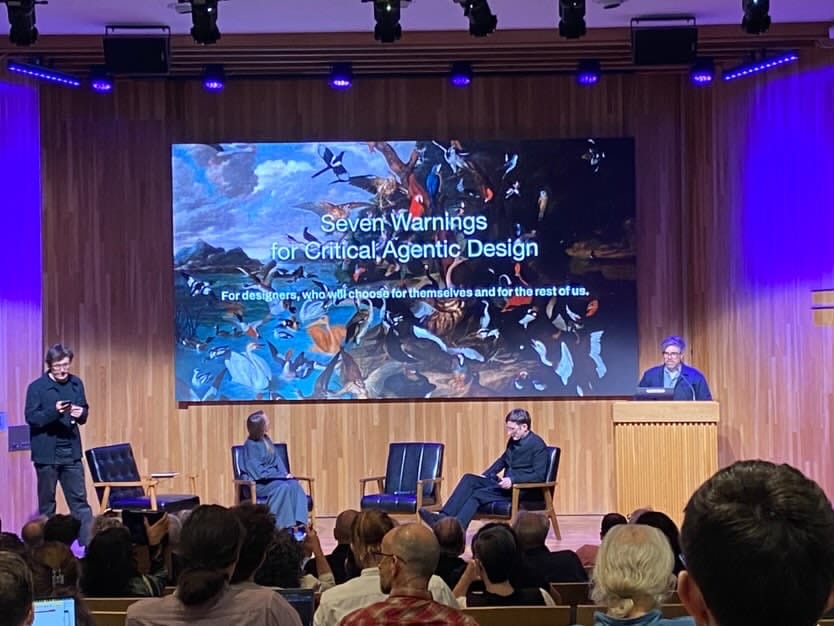
Weekly paper to check
This article introduces Possibilities Literacy as the cluster of inter-related competencies that allow individuals and groups to understand, generate and ethically act on diverse possibilities across personal, social, and cultural contexts.
Drawing from cognitive and sociocultural perspectives, we propose a distinctive five-dimensional framework – Perception, Crafting, Engagement, Stewardship, and Mindsets (…)
Vlad Glăveanu, Catrinel Tromp, Constance de Saint Laurent, Possibilities Literacy: Empowering learners for an uncertain world, Thinking Skills and Creativity, Volume 61, 2026, https://doi.org/10.1016/j.tsc.2026.102187.
What’s up for the coming week?
Check out this workshop on regenerative futures for community computing at Creative Coding Utrecht on Thursday. We had a version at ThingsCon last December, and it was great.
There is also an event on digital art and regenerative technologies in Amsterdam (Waag)
You might check Rotterdam Art Week. I will check out Autonomous in Brutus at least.
And in multiple cities, there is a new thing, the AI Salon.
Have a great week!
About me
I'm an independent researcher through co-design, curator, and “critical creative”, working on human-AI-things relationships. You can contact me if you'd like to unravel the impact and opportunities through research, co-design, speculative workshops, curate communities, and more.
Currently working on: Cities of Things, ThingsCon, Civic Protocol Economies.