Being lured by the exoskeleton of the mind
Weeknotes 389 - Triggered thoughts by possible sliding relationships with the mind tools we create. And more from the news.
Dear reader!
Welcome to another week. And welcome to new readers and subscribers. I don't say this every week, but it’s much appreciated. You can expect a weekly overview of the latest news captures, with a focus on the impact of human-AI relations and new developments in physical and embodied AI. Tuesday morning (CEST), in these weeks of public holidays on Mondays, it might be delayed (like next week).
Week 389: Being lured by the exoskeleton of the mind
Last week, I worked on new proposals and the new RIOT publication of ThingsCon, due by the end of June. We are looking forward to the event held in Rotterdam on 25 June, with some introductions by the authors and as a special speaker, Tiwánee van der Horst, sharing the results and findings of her workshops on designing with algae. The ThingsCon Salon will be themed ‘Making Symbiocene; Design for regenerative strategies in AI’.
Check out more about the event via the landing page, and RSVP to join us.
For this week's triggered thought, a couple of triggers made me explore more about how we relate to the AI we use, which might change us. Can we live without the exoskeleton of our mind?
This week’s triggered thought
At a recent California commencement speech, students booed when the speaker (former Google CEO Schmidt) discussed AI's impact on the arts and humanities. Reports suggest roughly 80% of college students remain skeptical or critical of AI. The new Luddites, some call them.
But here's what interests me more than the backlash: the question underneath it. When we work with AI—when it helps us think, write, create—what remains ours?
I've been reflecting on my own process. I brainstorm by talking to myself (often in the car), then feed those rough thoughts to an AI, then iterate. The AI acts as a mirror—challenging unclear thinking, suggesting structure. Sometimes I accept its polish; sometimes I wrestle it back toward my voice. The result: my thinking feels richer, but my writing feels less distinctly mine.
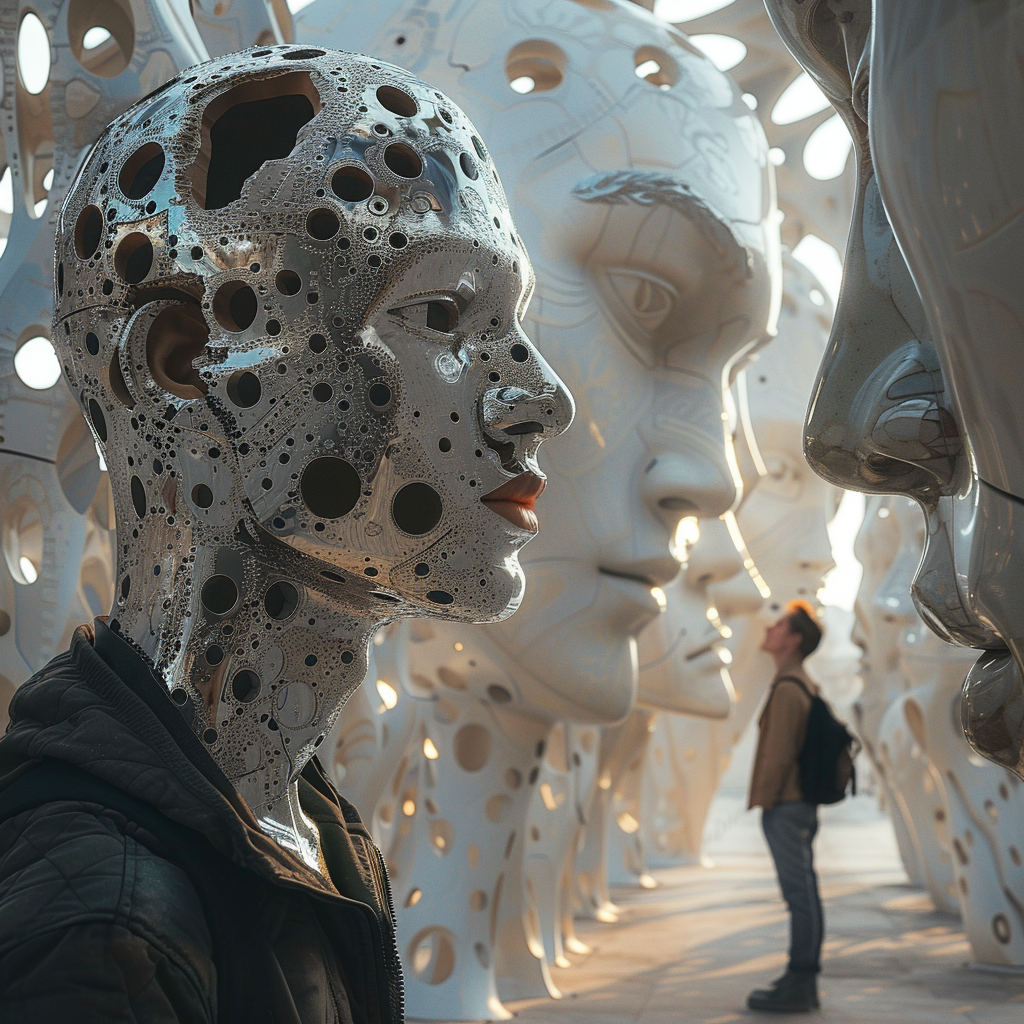
Is that a problem? Creating from samples—reusing existing materials in new combinations—is as old as creative work itself. Maybe we're finding a new creator role for the mind. Call it an exoskeleton. It can extend your reach—find connections you'd miss, synthesize faster than you could alone. But the lens—the particular way you see and frame the world—that has to stay yours. Otherwise, you're not being extended. You're being replaced, one convenient shortcut at a time.
This question gets more urgent as AI moves into physical space. We're entering a new design space: things, humans, and intelligent orchestrators forming temporary ecosystems. A delivery van loaded with packages, guided by routing AI, operated by a human driver—who leads? Who serves whom? I spoke recently with a student designing an XR training system for delivery drivers. The project could help drivers learn routes. It could also optimize their every movement, turning them from agents into components. The system absorbs the human; the human assists the algorithm. This is where the design space becomes delicate. It opens genuinely interesting possibilities—reframing services, creating new collaborations between humans and intelligent things. But it also makes it easy, even unintentionally, to rule humans out as actors and reduce them to executors. On a recent episode of Tech Won't Save Us, Paris Marx discussed Muskism with authors Ben Tarnoff and Quinn Slobodian. Their argument: Musk exemplifies a worldview that treats humans as programmable entities, optimizable like any other system component. It's a deliberate ideology. But here's what unsettles me more: you don't need Musk's ideology to arrive at similar outcomes. You just need to design purely for efficiency. Remove friction, optimize throughput, let the algorithm orchestrate—and the human quietly shifts from agent to instrument. Not by dark strategy, but by accumulated design decisions that never asked: who holds the lens? The deeper worry I can't shake: as we live more immersively inside AI-mediated environments—agentic systems, predictive interfaces, ambient intelligence—will our lenses themselves change? Will we start seeing models like those we collaborate with?
Notions from last week’s news
That Musk vs. Altman “tech trial of the year” is a thing in the US, at least. I cannot connect though. Maybe I miss the point. Final statements are given apparently. And a jury found that Elon has no case, but it is a judge that will rule.
Gemini is flocking Android phones to more spaces.
Human-AI relations
In cyber security co-performance of human and AI works best.
In classrooms, another co-performance is needed for use AI.
 Guest Author
Strategy against brain rot: inspiring software
 DavidWebster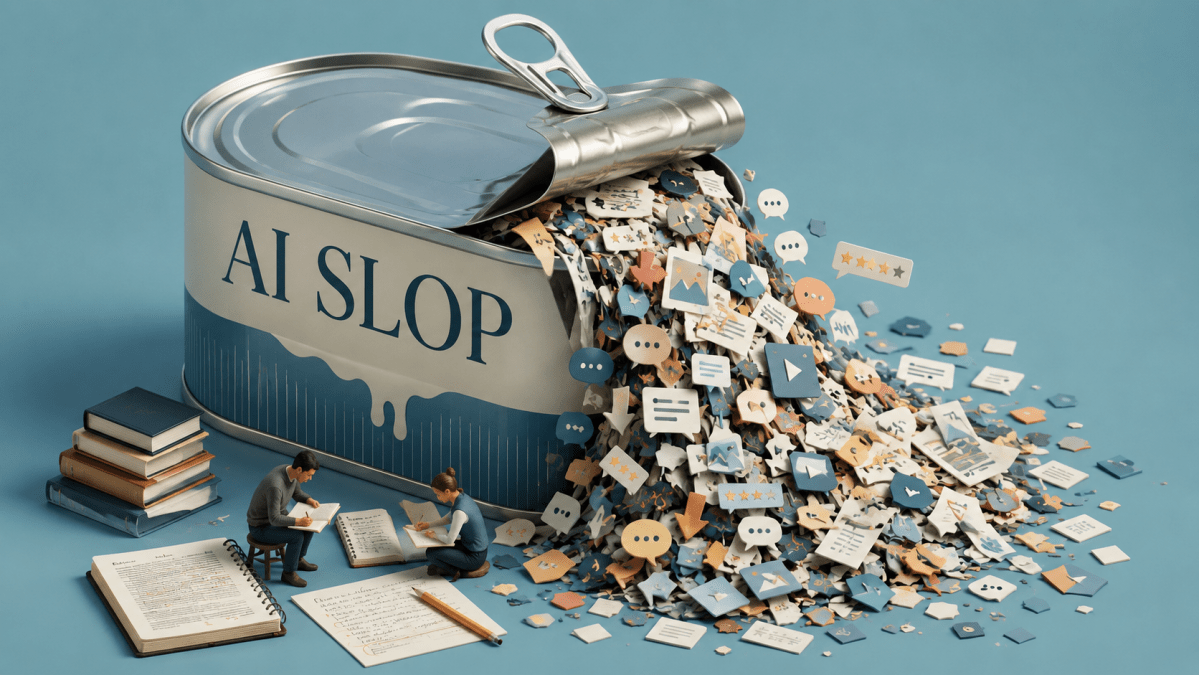
Agents for teams work better than personal assistants.
 Brandon Gell and Willie Williams
 Luke Wroblewski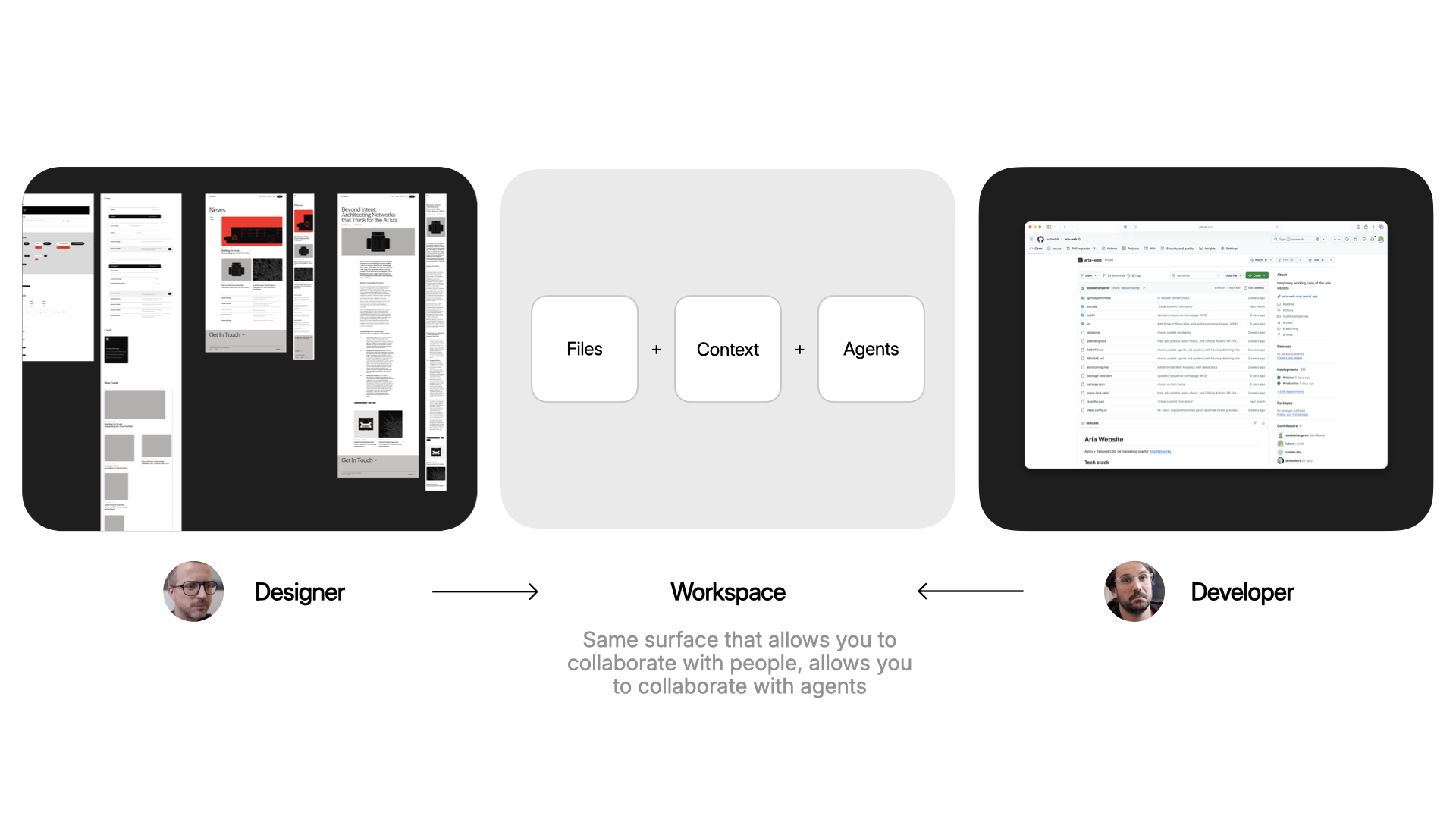
How to relate to data?
 Russell Davies
Finding your true self as an antidote for being replaced.
 Kevin Kelly
Physical AI
Nature is always a good inspiration.
 Jacek Krywko
Making as design
 Grace Stanley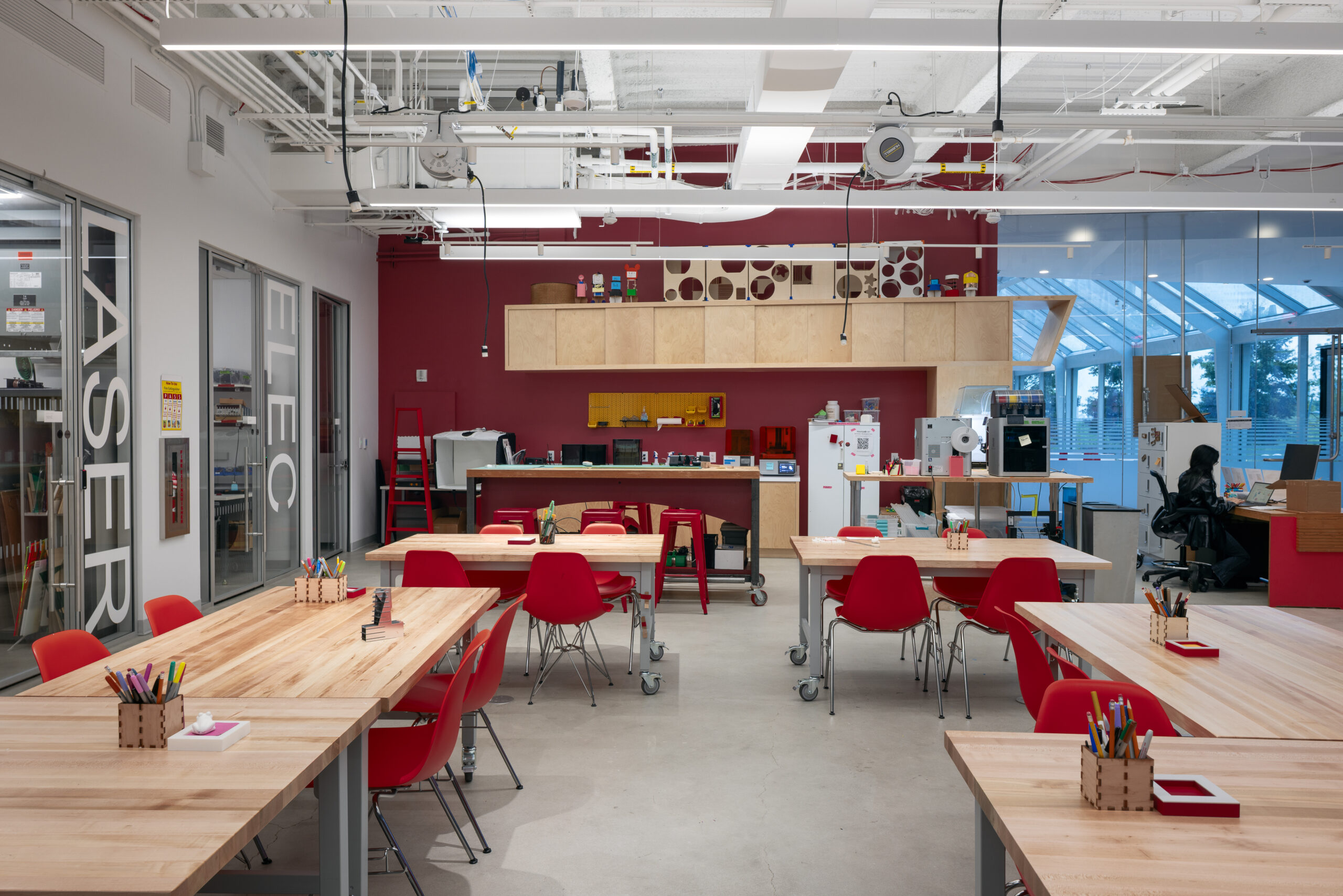
Automotive-based tech like GMSL, A2B, and battery monitoring can help robots operate reliably near humans.
Out of robots. A special kind.
 Andrew Paul
Tech in civic societies
Feels like a logical conclusion to be expected.
 Hannah Harris Green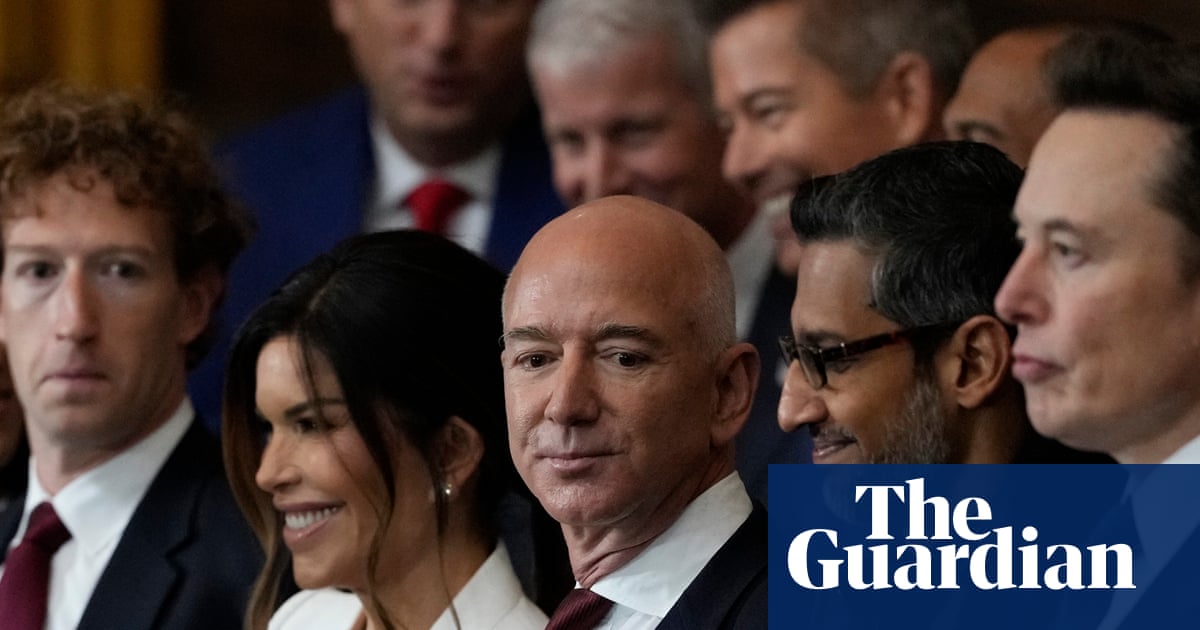
How to deal with an entry-level job in times of AI
 Katie Parrott
Slop detection for paper writers
 Jay Peters
Weekly paper to check
The Linguistic Economy Of AI Tokens: Tokenization And Linguistic Capital In China’s Tokenomics
While tokens are technical units of model computation, in contemporary China they have also become public signs of national infrastructural power, corporate productivity, and individual employability. Drawing on digital ethnographic analysis of viral social media interactions on the topic of tokens produced between February and March 2026, the article traces how tokens are translated, debated, and contested across three scales: national imaginaries of “token export,” corporate struggles over token allocation and AI-driven workplace control, and workers’ self-reflections on deskilling, dependence, and the erosion of labor subjectivity under “vibe coding.”
Rao, Y., 2026. The Linguistic Economy of AI Tokens: Tokenization and Linguistic Capital in China’s Tokenomics. URL osf.io/preprints/mediarxiv/9gz6j_v1
https://doi.org/10.33767/osf.io/9gz6j_v1
What’s up for the coming week?
This evening, Paul Krugman is in Rotterdam, and on Wednesday in Amsterdam. Also, another Prosus event on AI in Amsterdam, curated by Monique: AI meets the brain. Sensemakers has an evening on unmanned systems ao. And there is another ProductTank, for those who are into that.
I will have some sessions, one “the power of the personal in the pluralities of systems”, and I will attend the third workshop on designing with Algae, which is another source for the ThingsCon session later. I am also invited to share the results of the interviews and the new Cities of Things manifesto, designed for immersive AI. I need to find time to share a version on the website too… Next week, Thursday 21 May, I am invited by Design Thinkers Academy for an evening doing the same, in a different form. More information here.